Artwork
Entrance to the Grand Canal, looking West
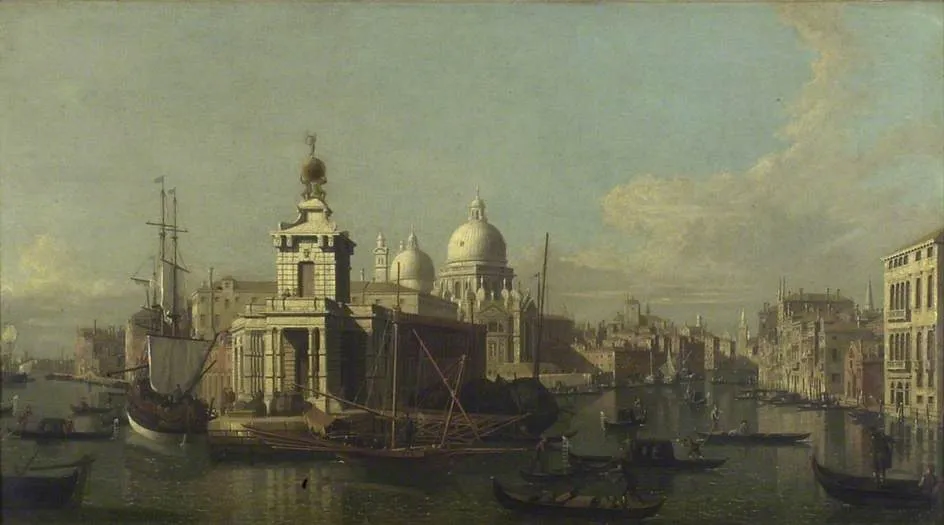
Entrance to the Grand Canal, looking West is an oil painting by Canaletto. It dates from 1737 and is held in the collection of the Ashmolean Museum. Created circa 1737, this oil painting presents a westward vista along Venice’s Grand Canal.
About this work
Overview
Created circa 1737, this oil painting presents a westward vista along Venice’s Grand Canal. The composition balances a tranquil waterway populated by anchored vessels with a distant domed edifice that dominates the horizon, all under a clear sky brushed with soft clouds.
Subject & Meaning
The work captures a moment of everyday life on the canal, emphasizing the interplay between human activity and the city’s architectural grandeur. The presence of modest boats against the imposing dome suggests a harmonious coexistence of commerce and civic splendor typical of 18th‑century Venice.
Technique & Style
Executed in a restrained palette of blues, grays, and earth tones, the artist employs delicate chiaroscuro to model forms and convey atmospheric depth. Precise linear perspective and meticulous detailing reflect the veduta tradition, while subtle tonal variations lend the scene a calm, almost lyrical quality.
History & Provenance
The painting is attributed to Giovanni Antonio Canal, known as Canaletto, a central figure of the Venetian school whose career spanned 1697–1768. It entered the collection of the Ashmolean Museum, where it remains on display as an example of the period’s topographical painting.
Artist & collection
Artist
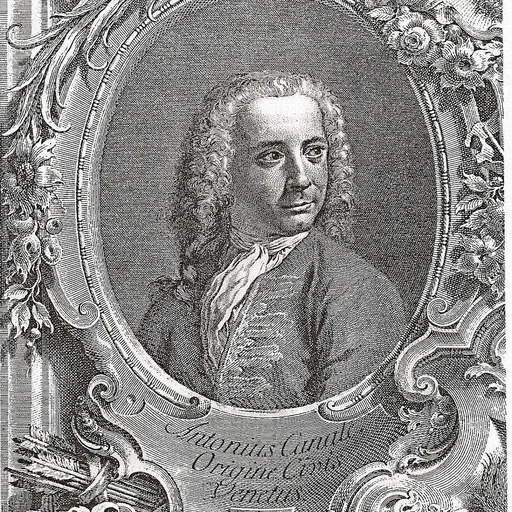
Giovanni Antonio Canal (18 October 1697 – 19 April 1768), commonly known as Canaletto (Italian: ), was an Italian painter from the Republic of Venice, considered an important member of the 18th-century Venetian school.

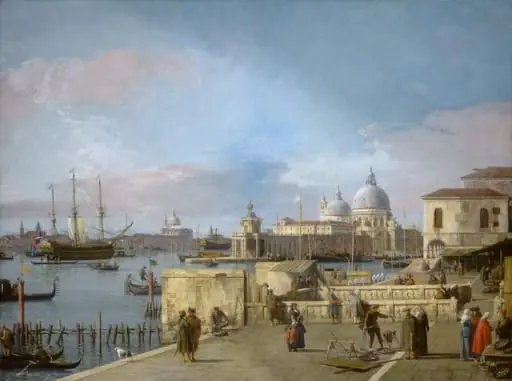
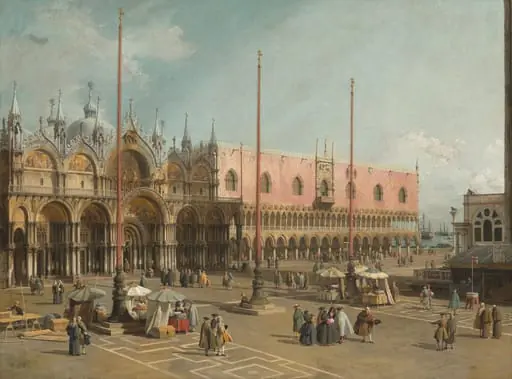
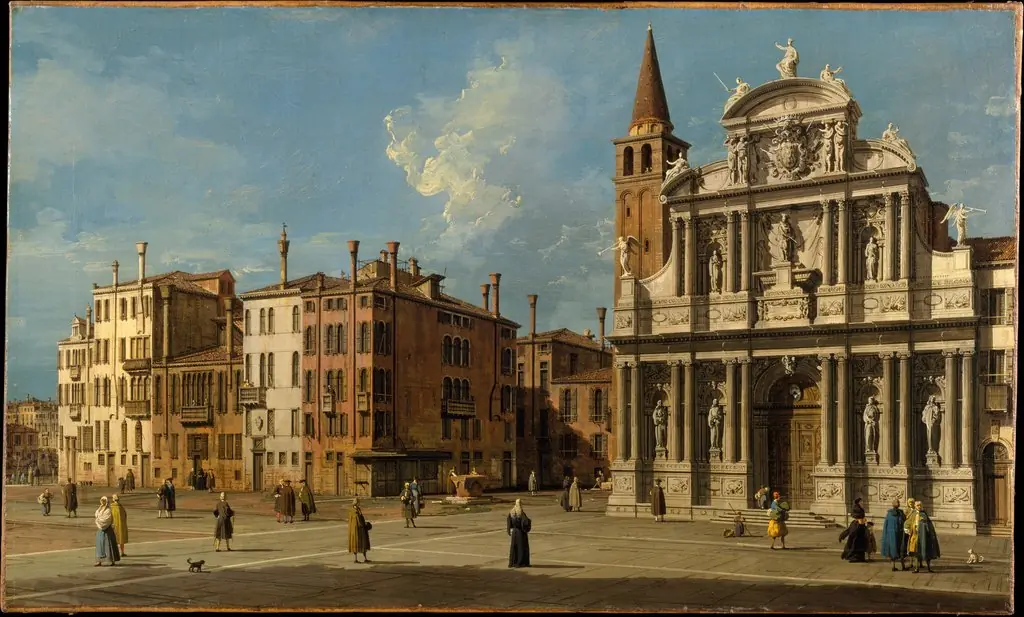
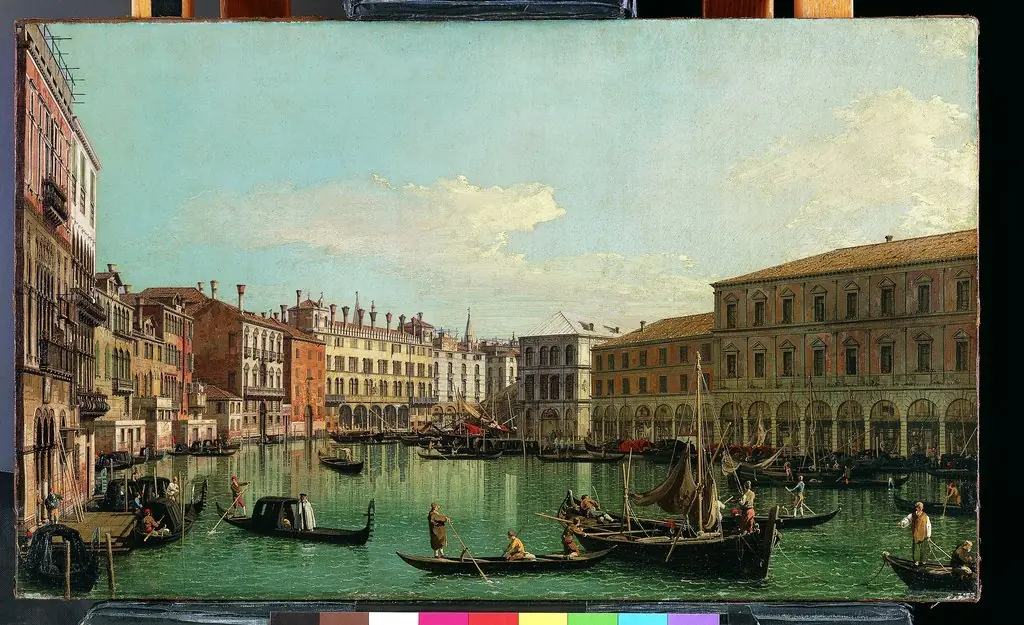
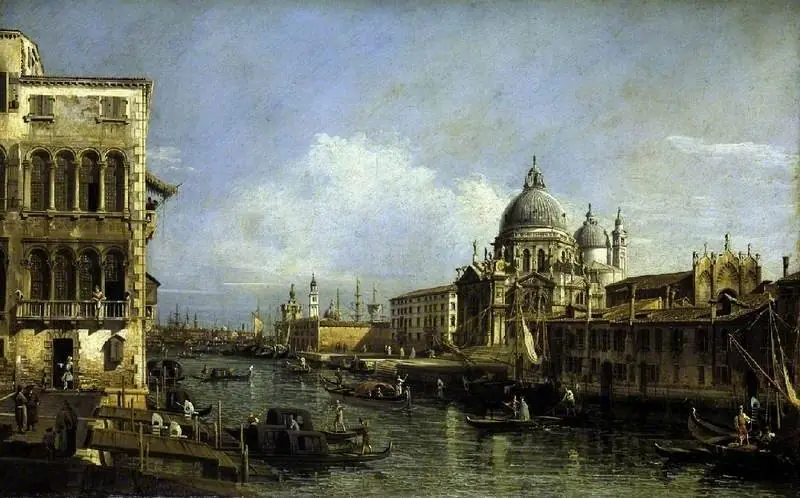 A View at the Entrance of the Grand Canal, Venice
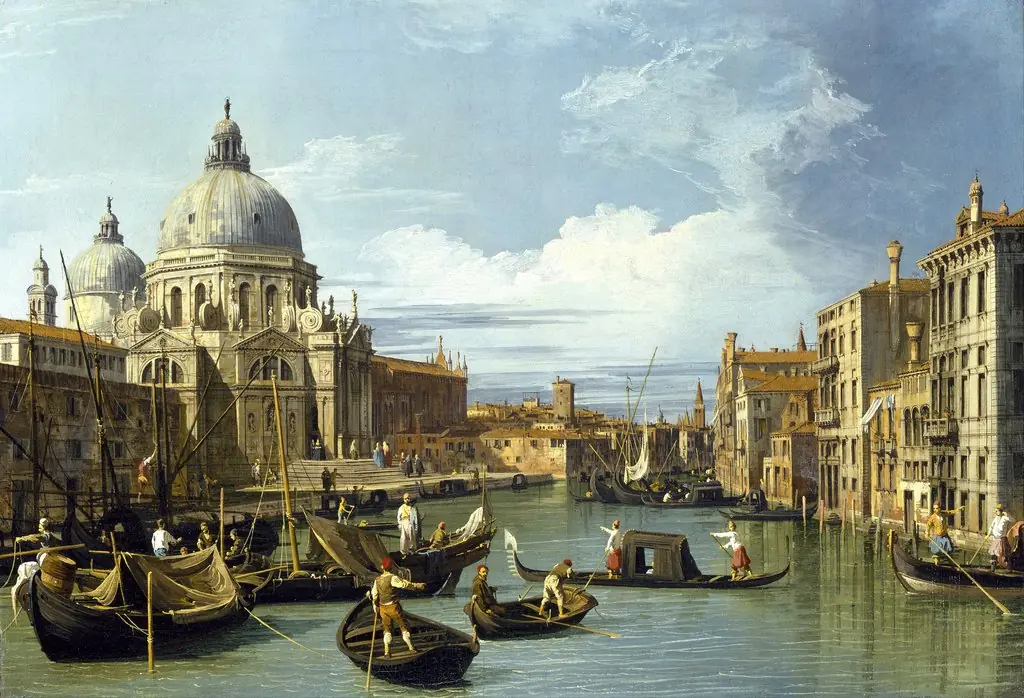 The Entrance to the Grand Canal, Venice
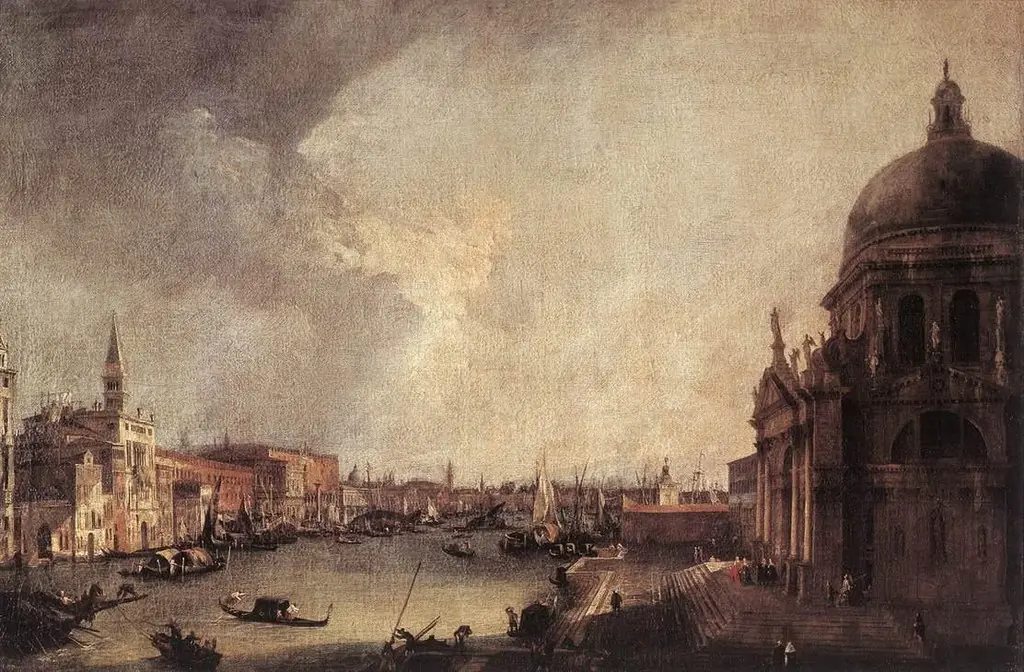 Entrance to the Grand Canal: Looking East
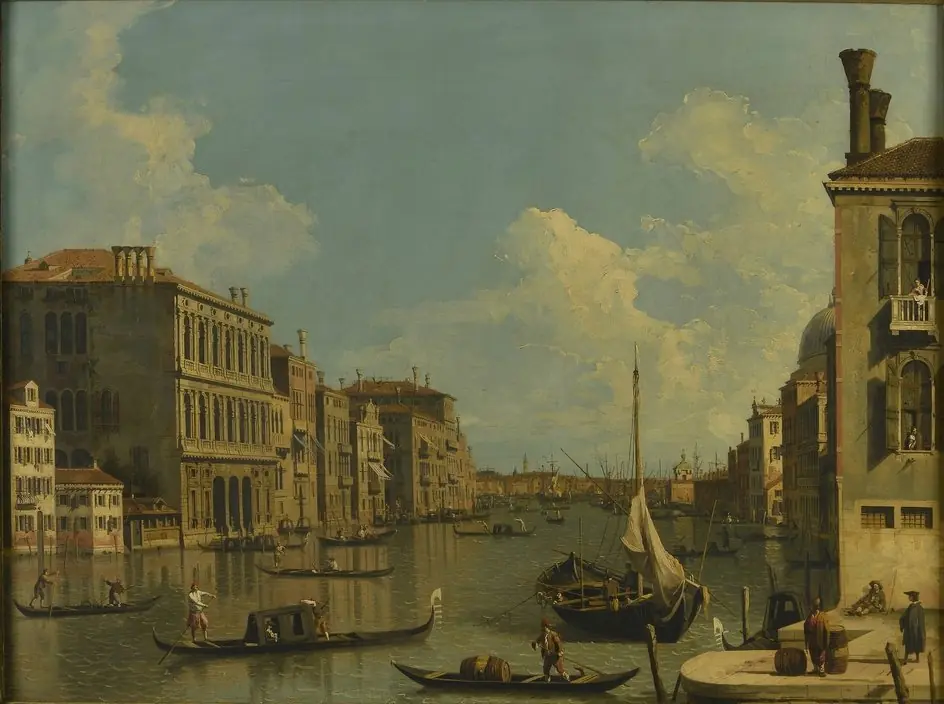 The Grand Canal, looking East from S. Vio
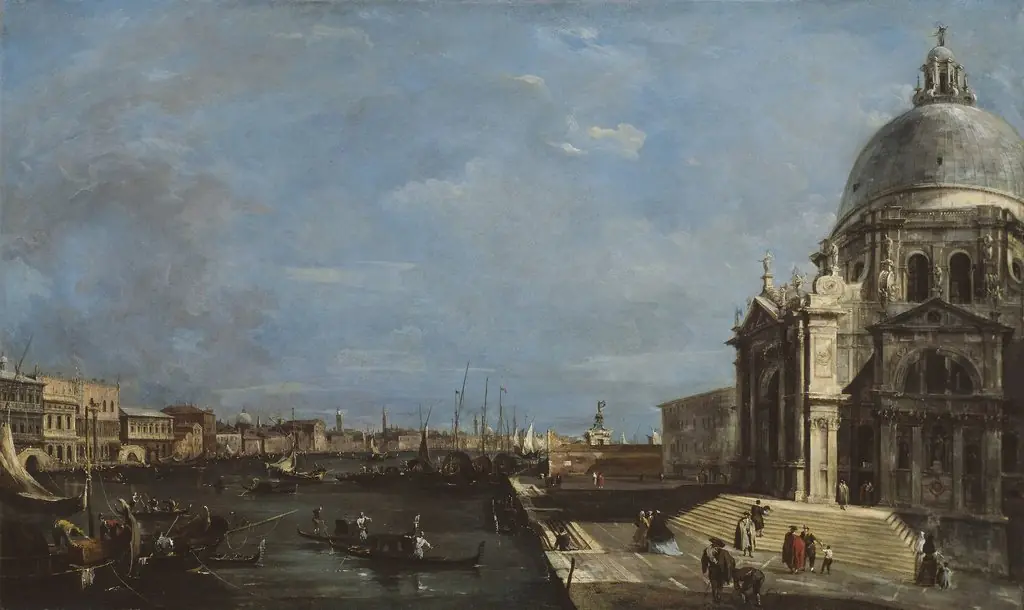 The Grand Canal, Venice
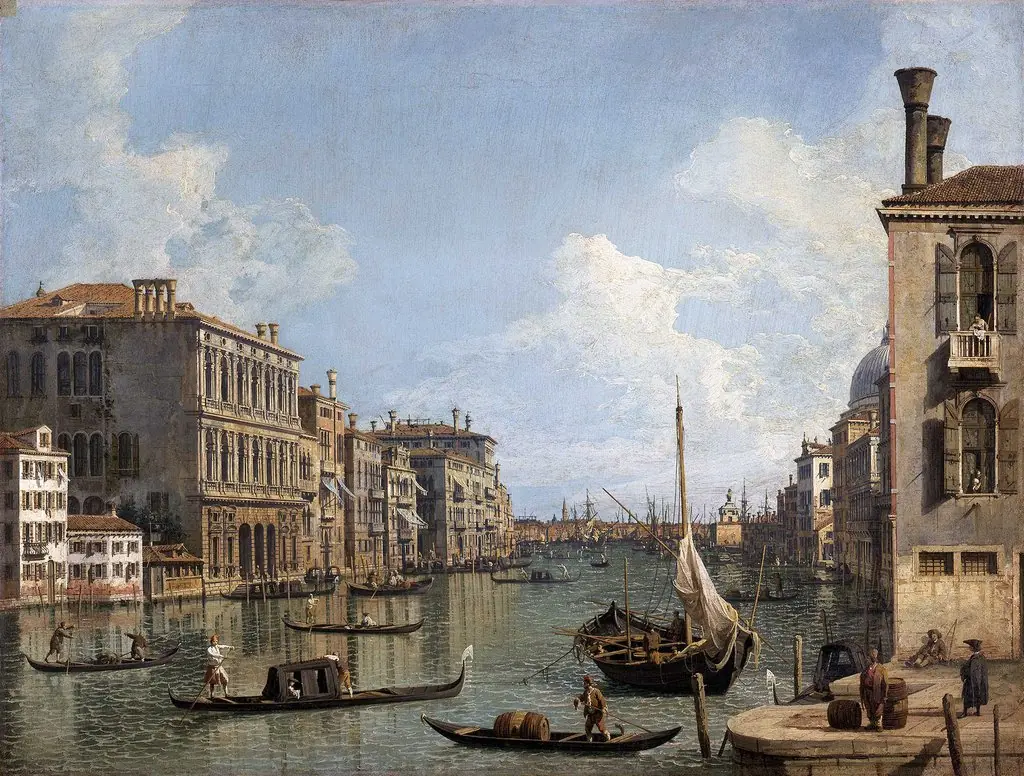 View of the Grand Canal toward the Punta della Dogana
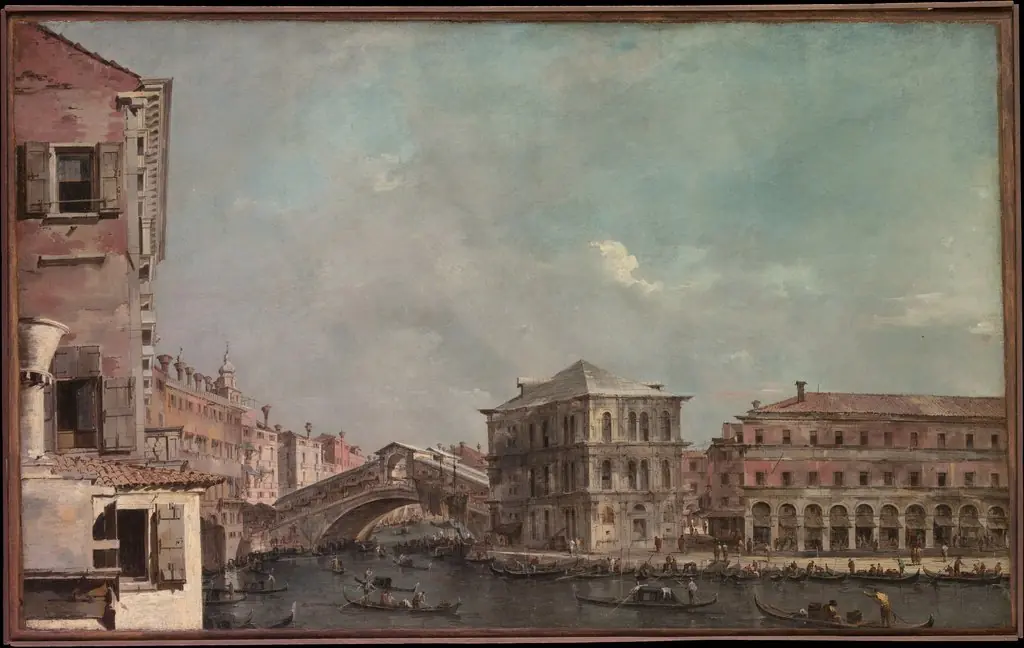 The Grand Canal above the Rialto
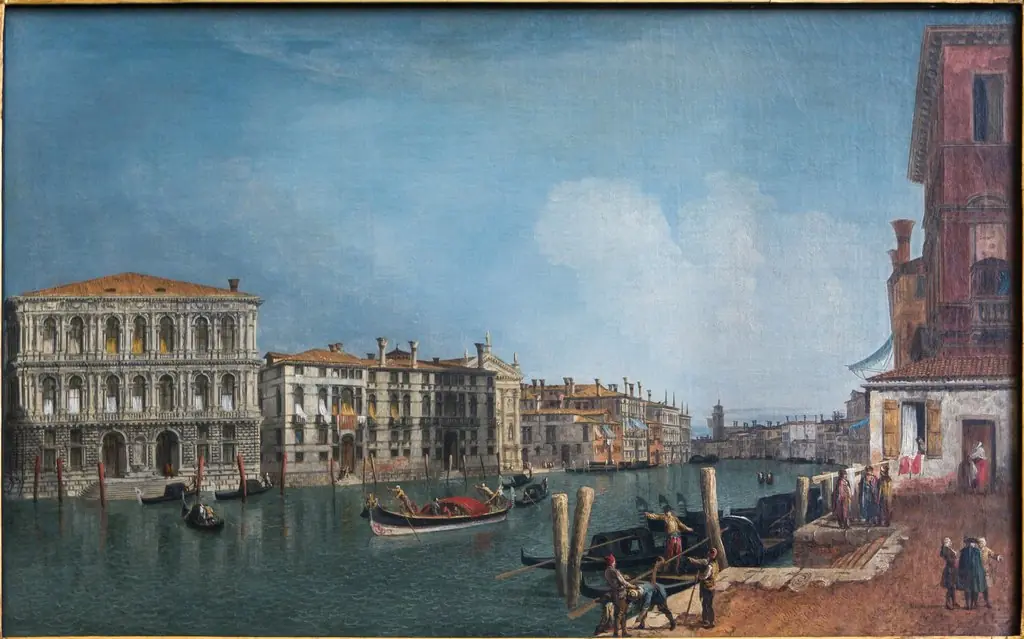 View of the Grand Canal near Cà Pesaro