Artwork
Portretul unei călugărițe
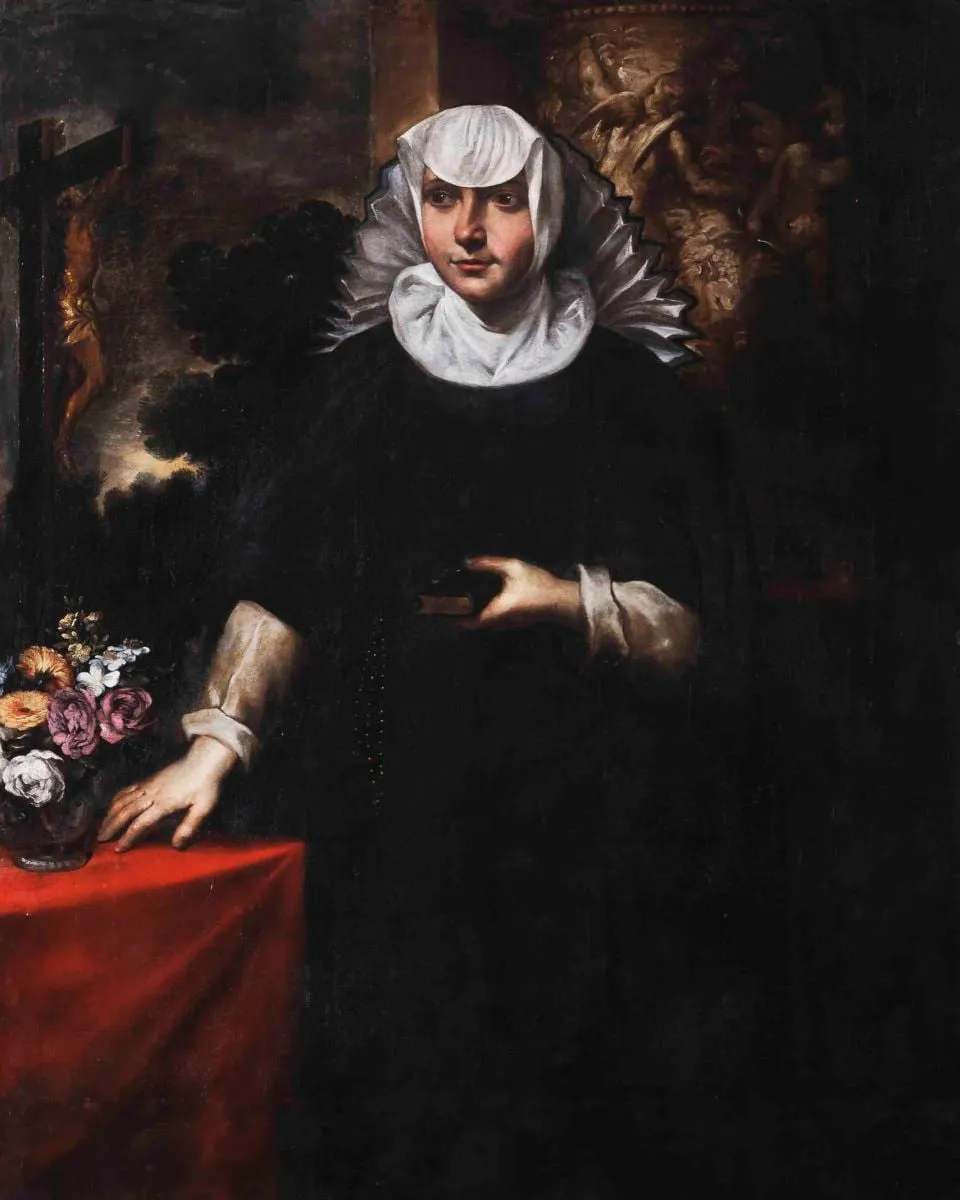
Portretul unei călugărițe is an unspecified painting by the Barbizon school artist Giovanni Bernardo Carbone. It is held in the collection of the National Museum of Art of Romania.
About this work
Overview
This portrait, attributed to Giovanni Bernardo Carbone, presents a cloistered woman in quiet contemplation. Dressed in the dark habit of a nun, she stands before a red-draped table bearing a vase of flowers. The dim, shadowed interior and faint religious symbols frame her as a figure of devotion, rendered with deliberate stillness and restrained emotion.
Subject & Meaning
The subject is likely a nun, identified by her black robe, white wimple, and the presence of a crucifix and religious statue in the background. The flowers on the table may symbolize transience or divine beauty, contrasting with the austerity of her attire. The composition suggests inner devotion rather than outward display, emphasizing spiritual solitude over worldly engagement.
Technique & Style
Carbone employs chiaroscuro to model the figure with subtle gradations of light and shadow, giving form to the folds of fabric and the contours of the face. The dark background isolates the subject, heightening her presence. The red tablecloth provides a muted contrast, while the flowers introduce delicate color without disrupting the somber tone of the scene.
History & Provenance
The painting’s early history is undocumented, and its ownership prior to modern collections remains unclear. Attributed to Carbone based on stylistic parallels with his known works, it likely dates to the early 17th century, a period when devotional portraiture was common in Northern Italian studios. No definitive records of its commission or original location survive.
Context
In early 17th-century Italy, portraits of religious women were often commissioned by convents or families entering monastic life. These images served as memorials or expressions of piety, blending personal identity with spiritual role. Carbone’s work reflects this tradition, aligning with regional practices that favored quiet realism over theatricality in sacred subjects.
Legacy
Though not widely exhibited, the painting contributes to the understanding of minor Italian portraitists who worked within religious contexts. Its restrained aesthetic and technical precision offer insight into how devotional identity was visually constructed outside major artistic centers, preserving a quiet strand of Baroque portraiture often overlooked in broader narratives.
Artist & collection
Artist
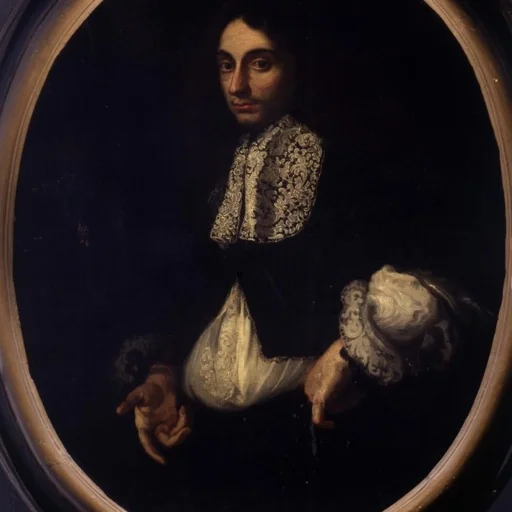
Giovanni Bernardo Carbone (1614–1683) was an artist, born in Genoa.

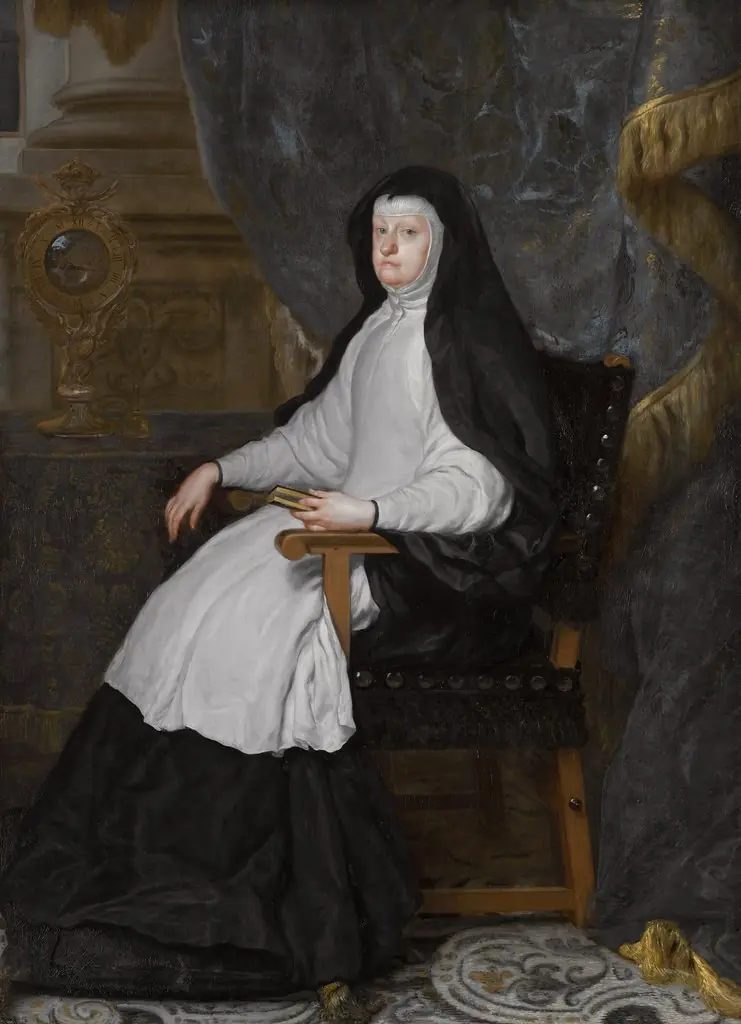 Mariana of Austria, Consort of King Philip IV of Spain, as a Widow
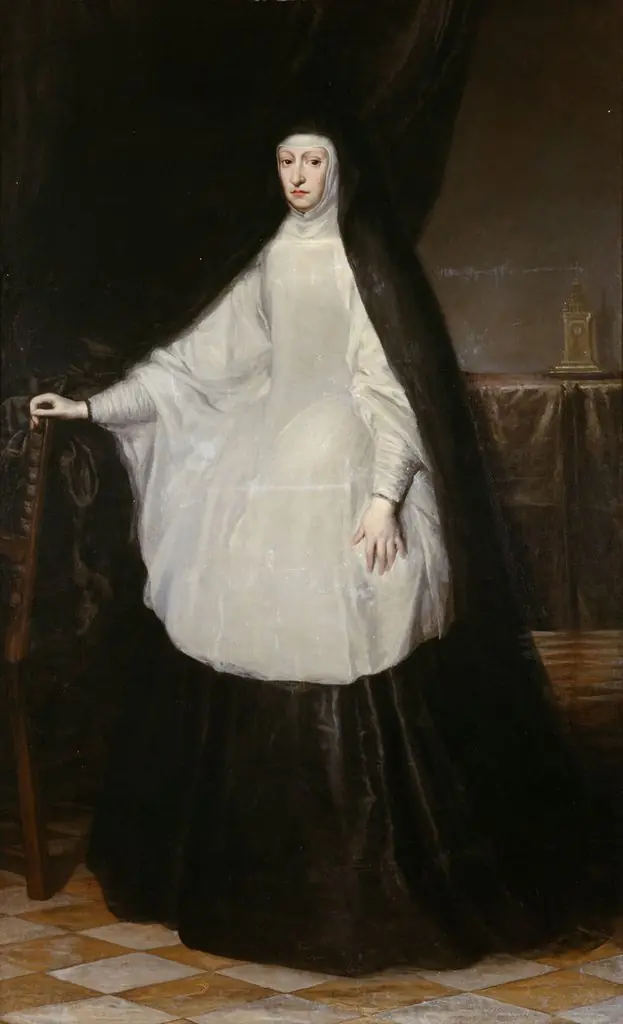 Erzherzogin Maria Anna, Königin von Spanien, als Witwe
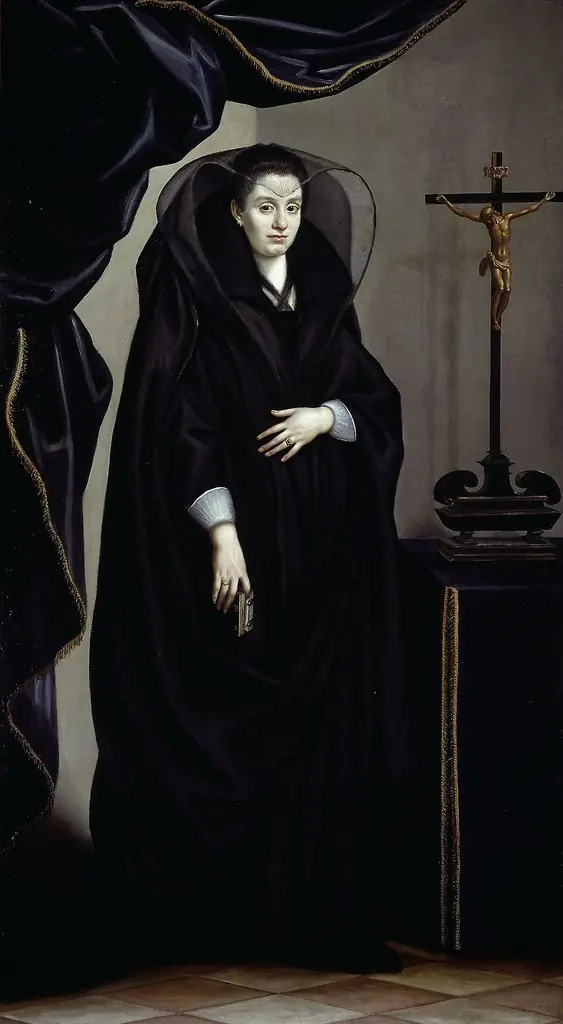 Portrait of a Noblewoman Dressed in Mourning
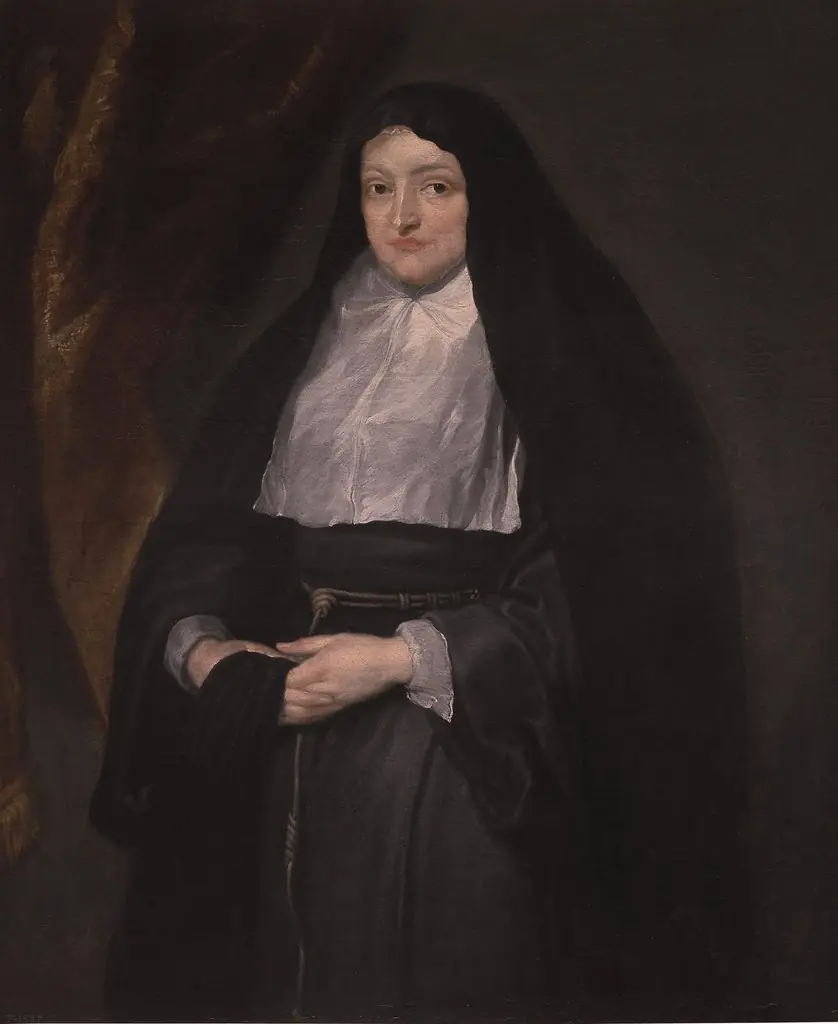 Portrait of Isabel Clara Eugenia as a nun
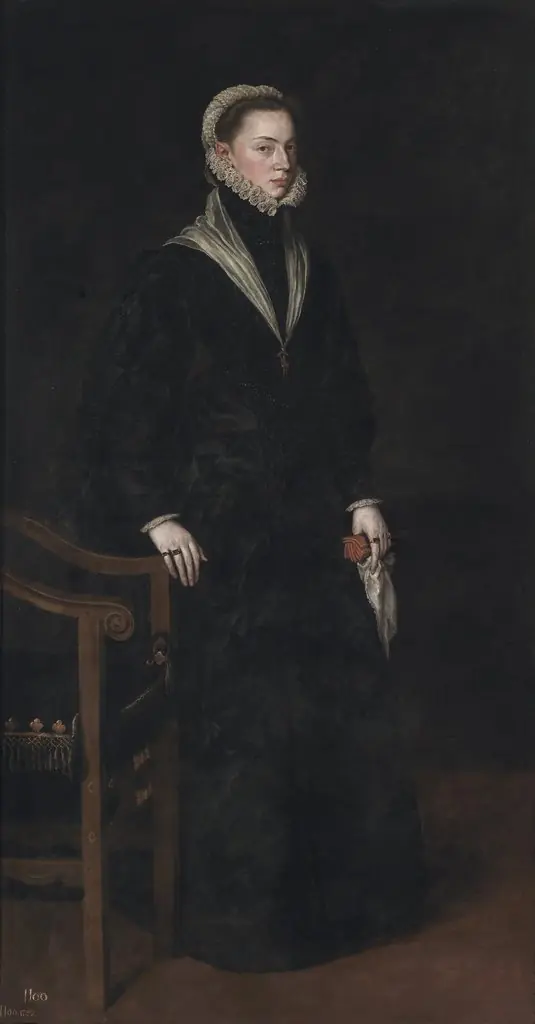 Joanna of Austria
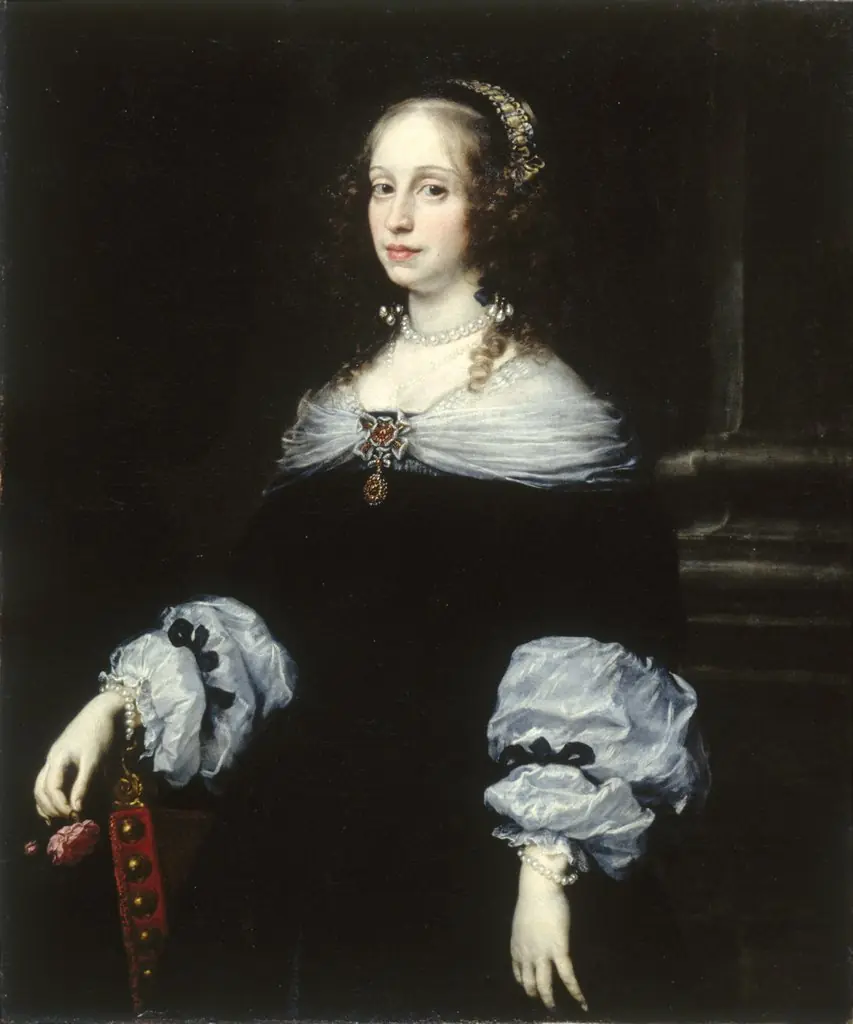 Portrait of Countess Teresa Dudley di Carpegna
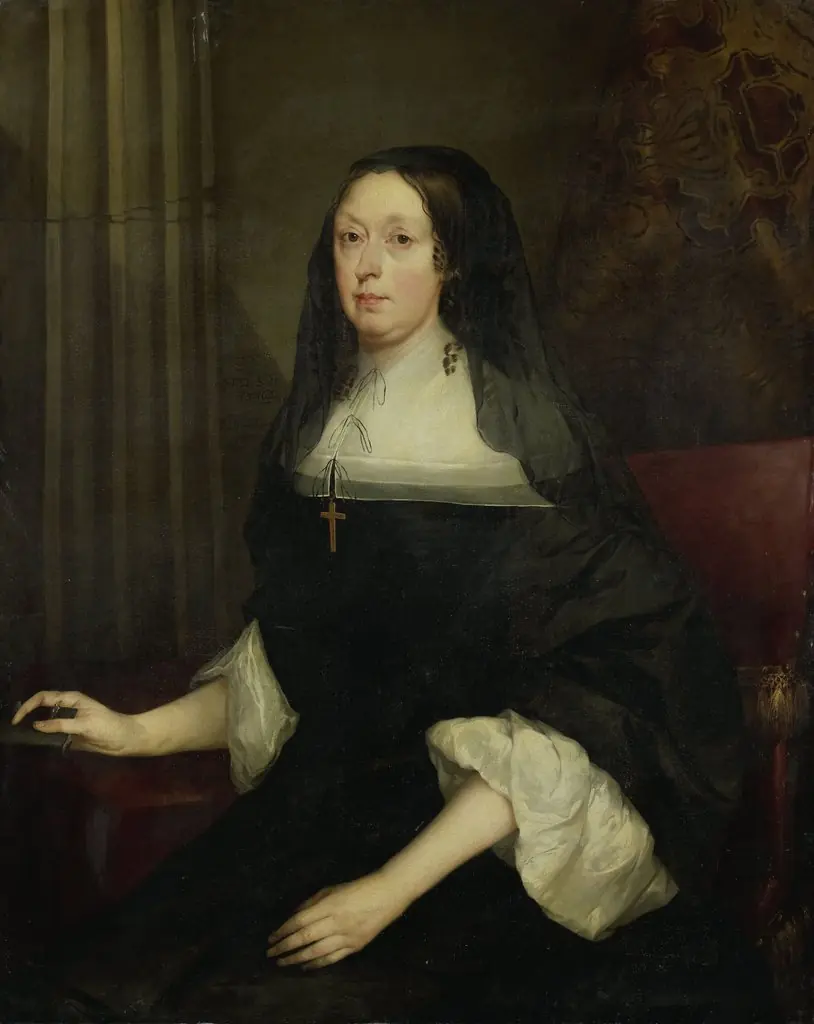 Portrait of a woman
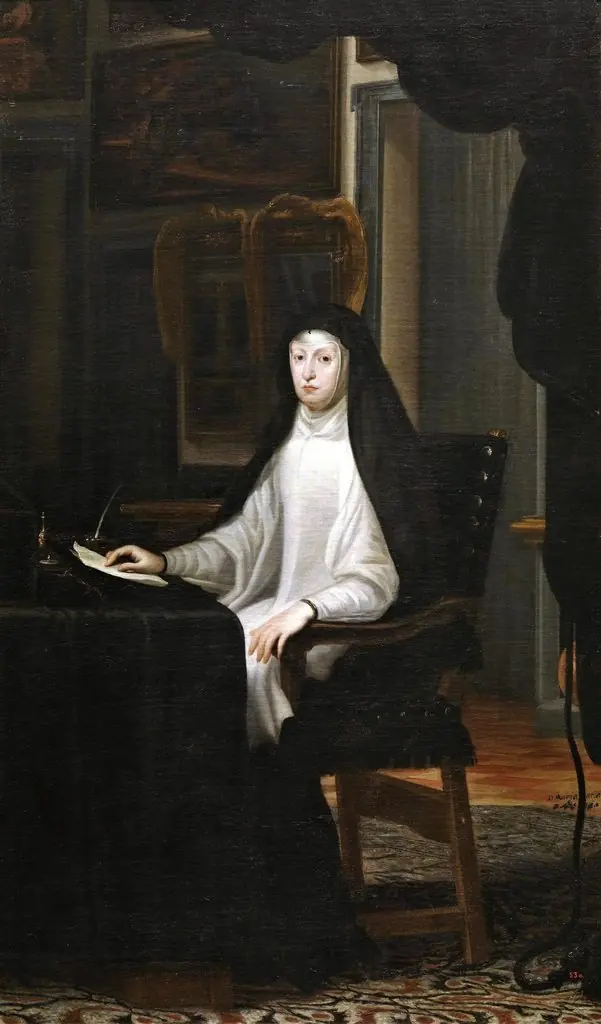 Queen Mariana de Austria as a Widow
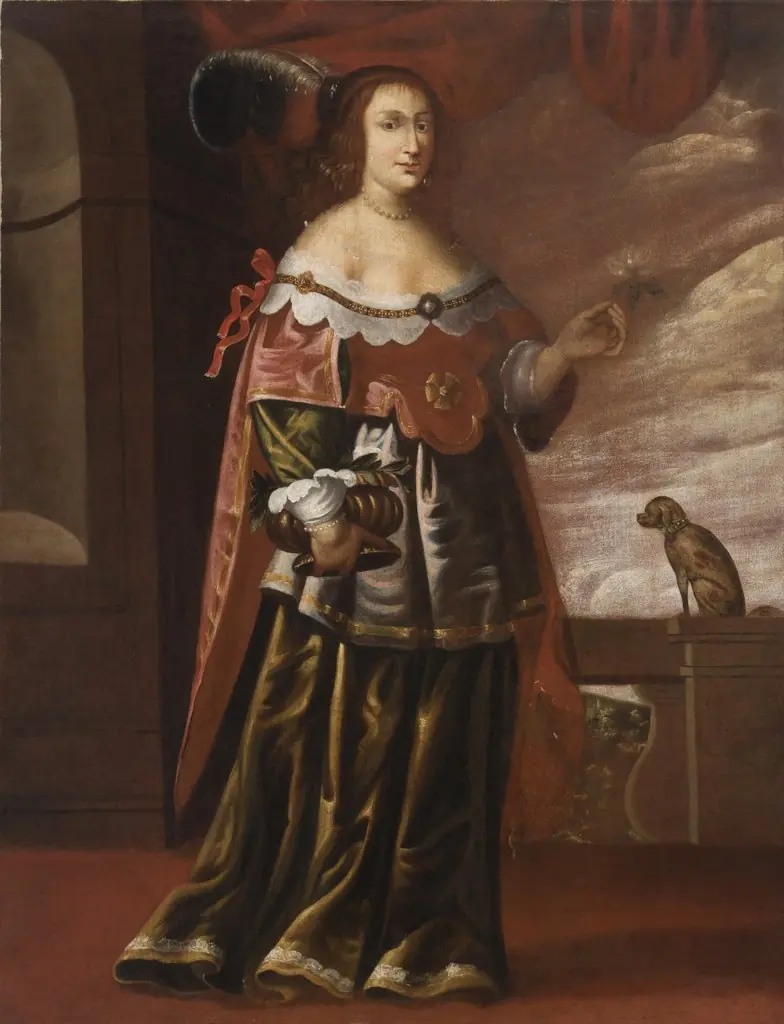 Portret kobiety (rzekomo Ostrogskiej)
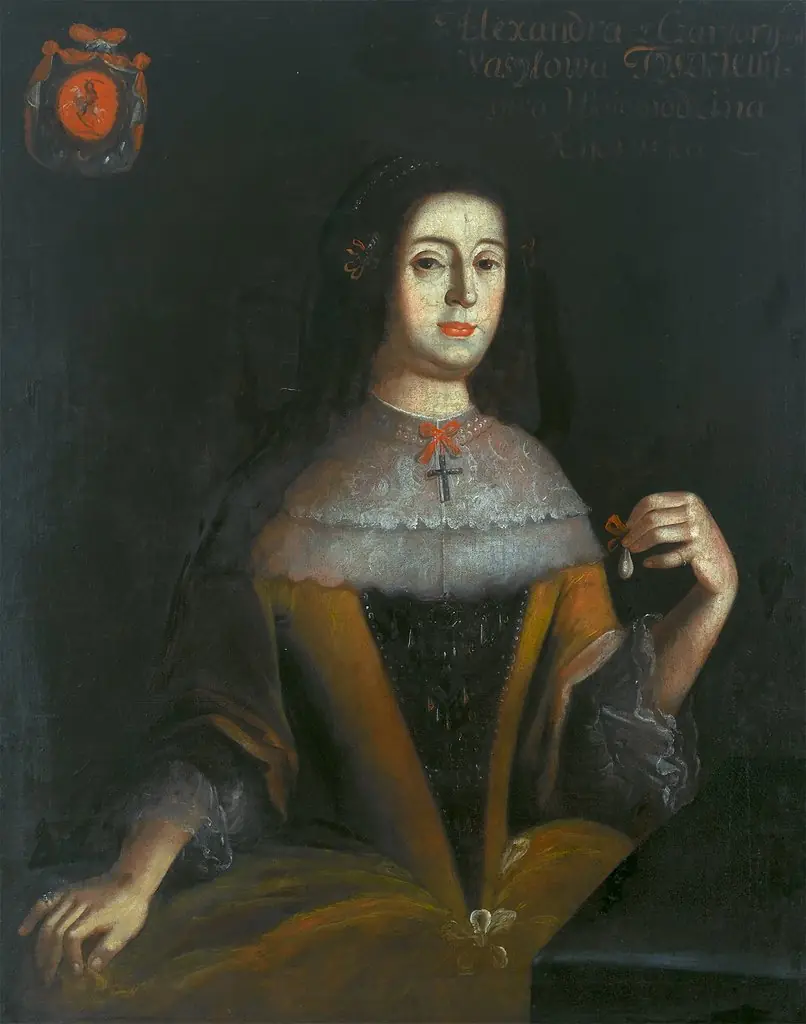 Portrait of Aleksandra Tyszkiewicz née Czartoryska (fl. ca. 1500), wife of the Kiev voivode
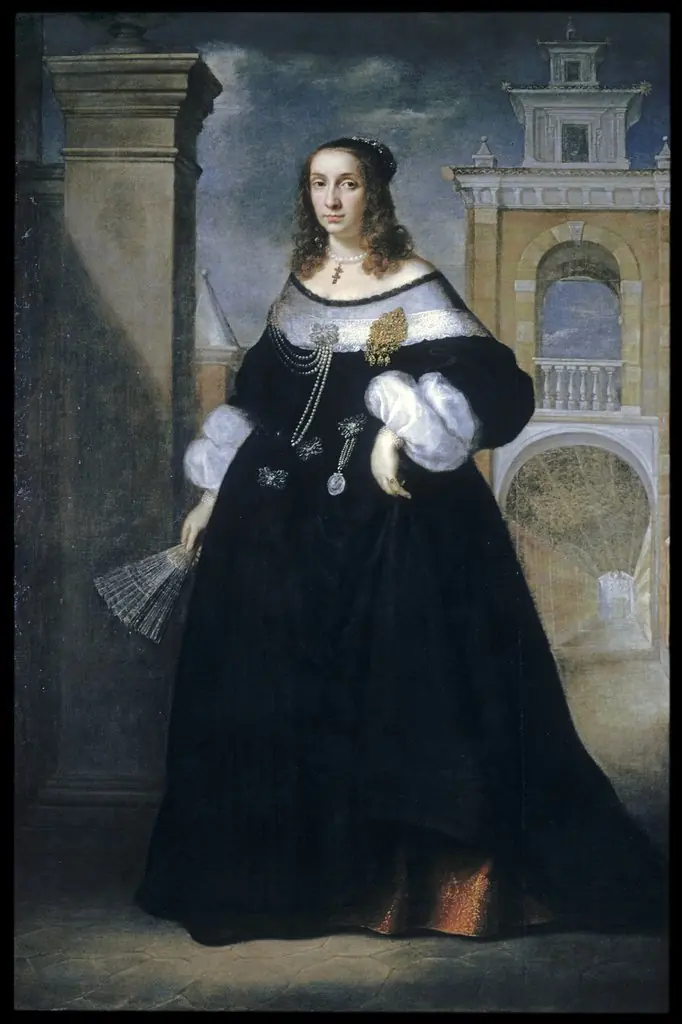 Portrait of Margherita van der Goes
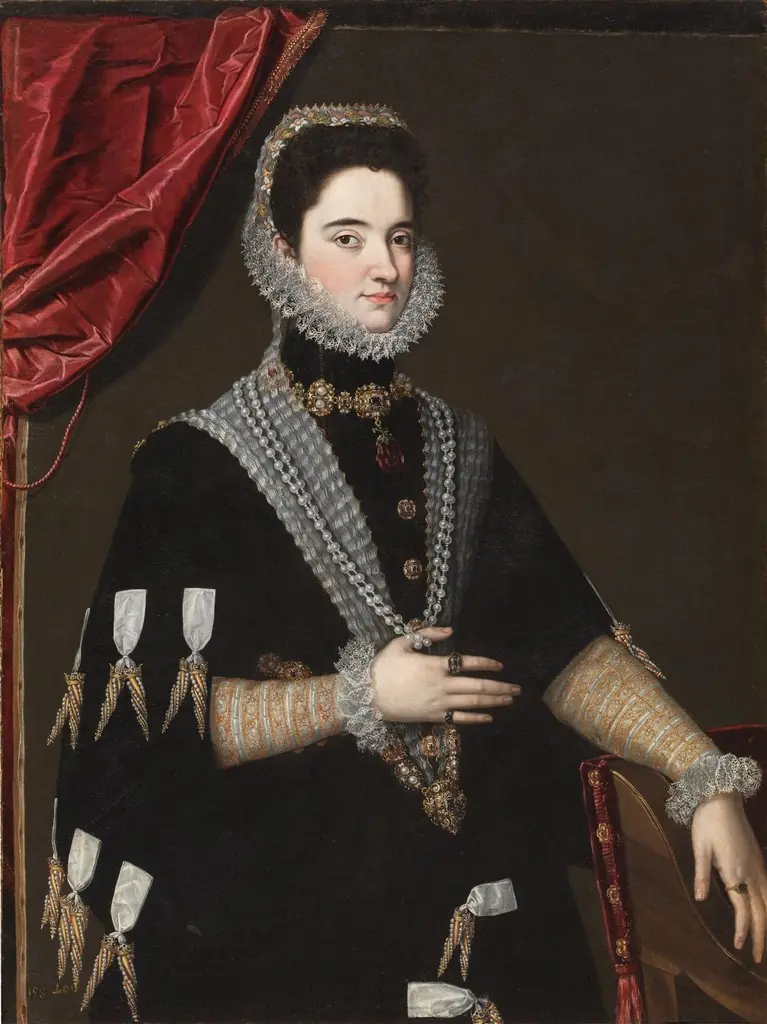 Portrait of a Lady