Artwork
Queen Mariana de Austria as a Widow
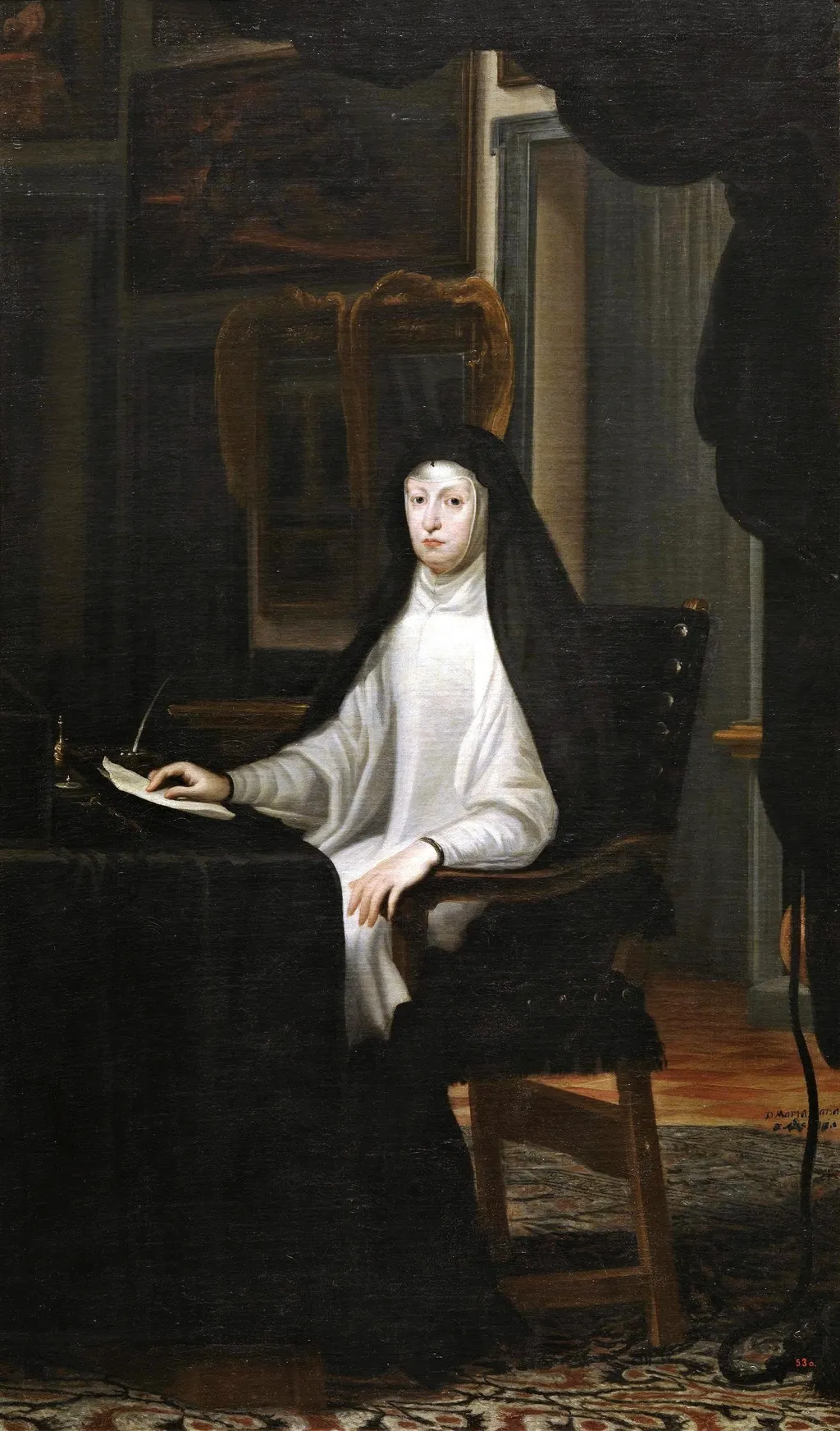
Queen Mariana de Austria as a Widow is an oil painting by the Early Baroque Italian artist Juan Carreño de Miranda. It dates from 1669 and is held in the collection of the Museo del Prado.
About this work
Overview
Juan Carreño de Miranda’s oil portrait, painted in 1669, presents Queen Mariana of Austria in the years following her husband’s death. The work is part of the collection of Madrid’s Museo del Prado and exemplifies the courtly portraiture of late‑seventeenth‑century Spain.
Subject & Meaning
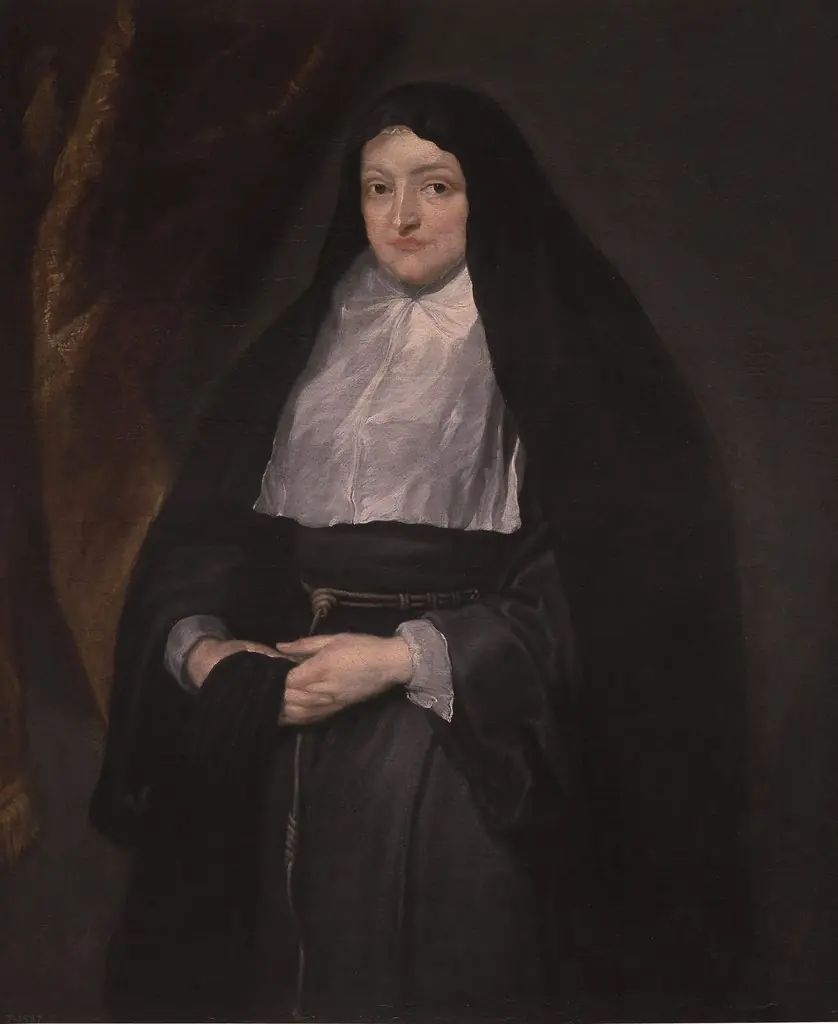
The queen is shown seated in a modest interior, her hands folded around a piece of paper, suggesting contemplation or the receipt of a document. Her white, high‑collared robe and dark headdress convey both mourning attire and regal dignity, reflecting her status as a widowed monarch.
Technique & Style
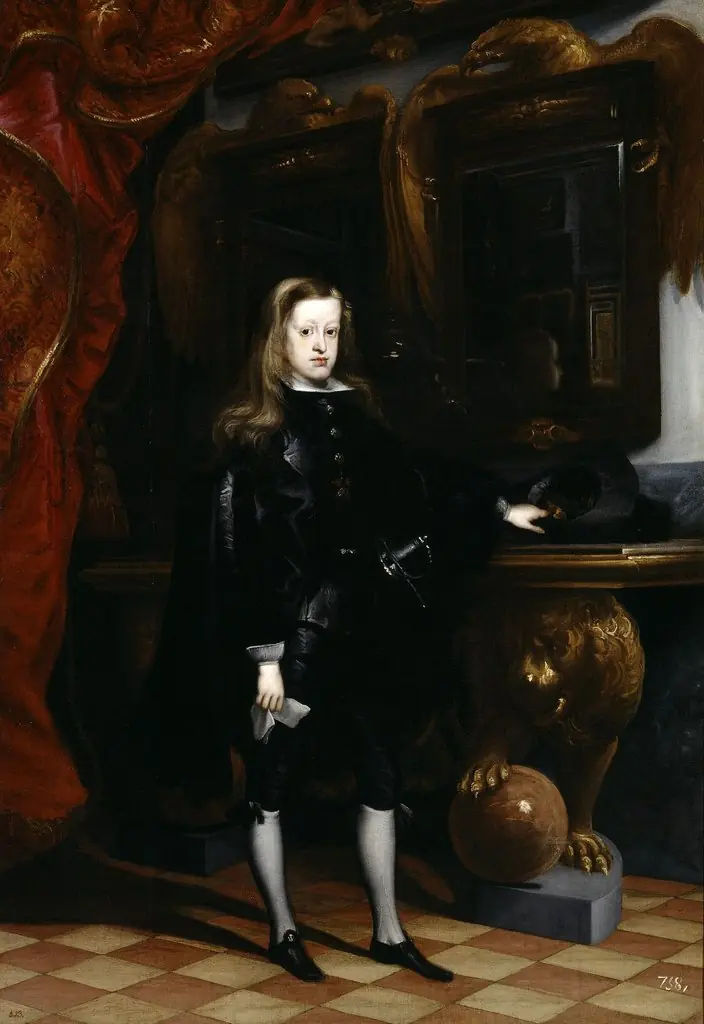
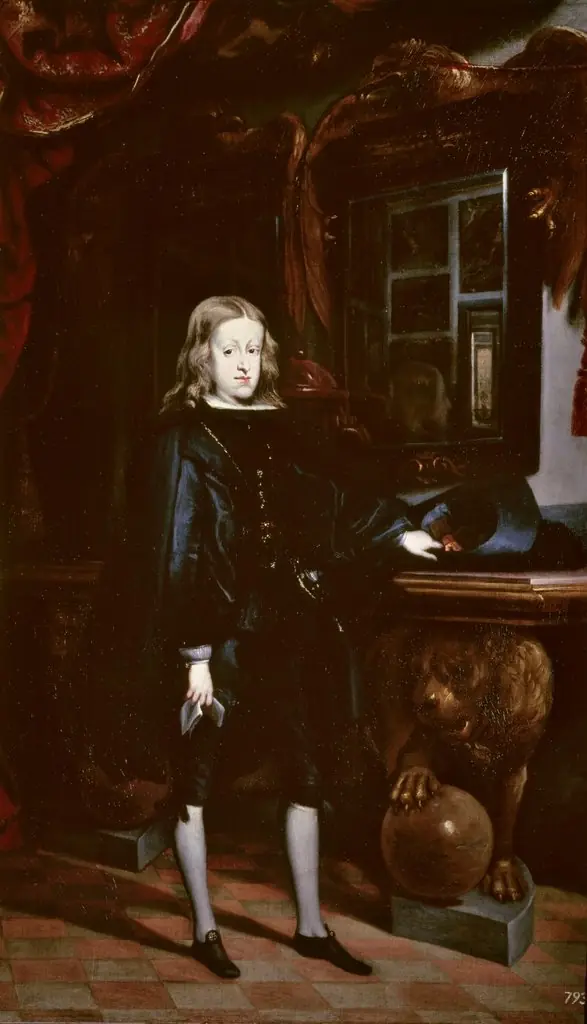
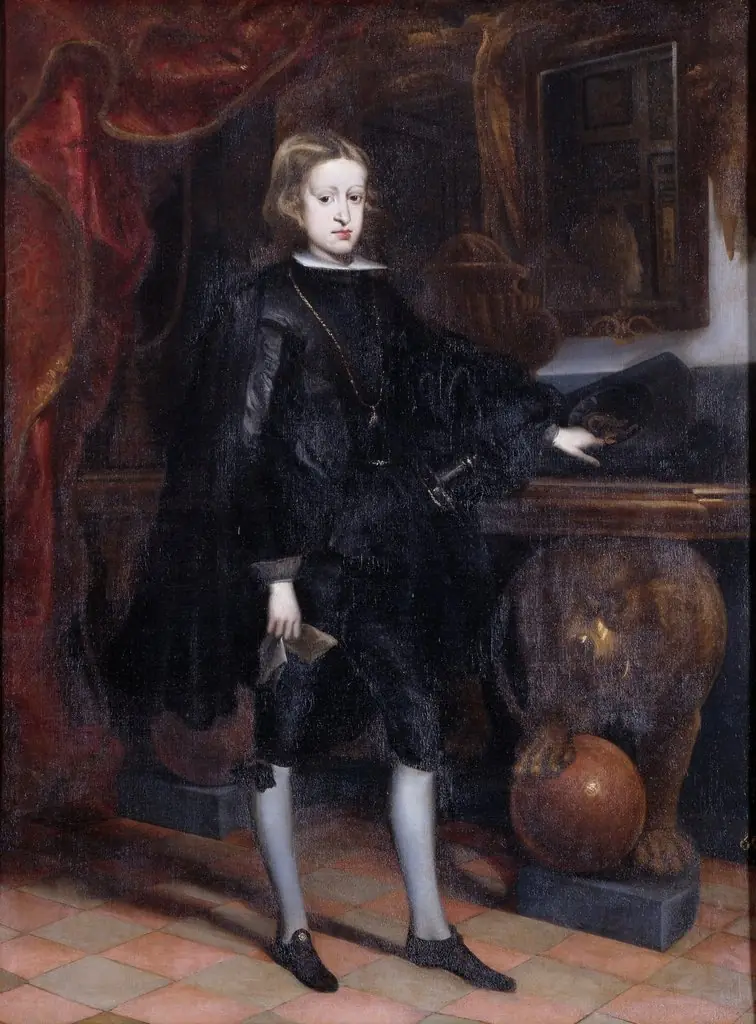
Carreño employs a stark chiaroscuro, letting a focused light illuminate the queen’s face and hands while the surrounding room recedes into shadow. The contrast emphasizes her expression and the texture of the fabric, while a mirror on the wall reflects a curtained window, adding depth to the composition.
History & Provenance
Completed shortly after the death of King Philip IV, the portrait entered the royal collection and remained in the Spanish court’s holdings. It was transferred to the Museo del Prado in the 19th century, where it has been displayed as part of the museum’s Spanish Baroque holdings.
Context
The painting belongs to a period when Spanish portraiture stressed solemnity and piety, aligning with the Counter‑Reformation’s aesthetic values. Carreño, a court painter, often portrayed members of the Habsburg dynasty, using restrained palettes and dramatic lighting to convey authority and introspection.
Artist & collection