Artwork
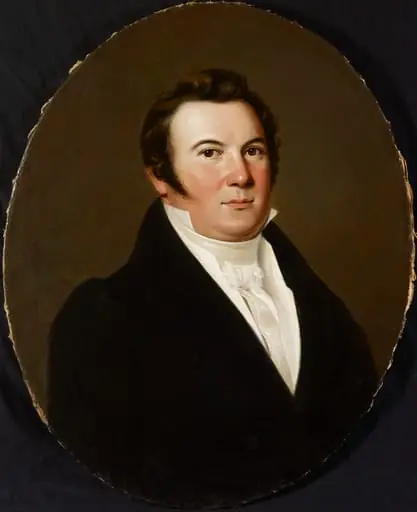
R. H. Rehbinderin muotokuva
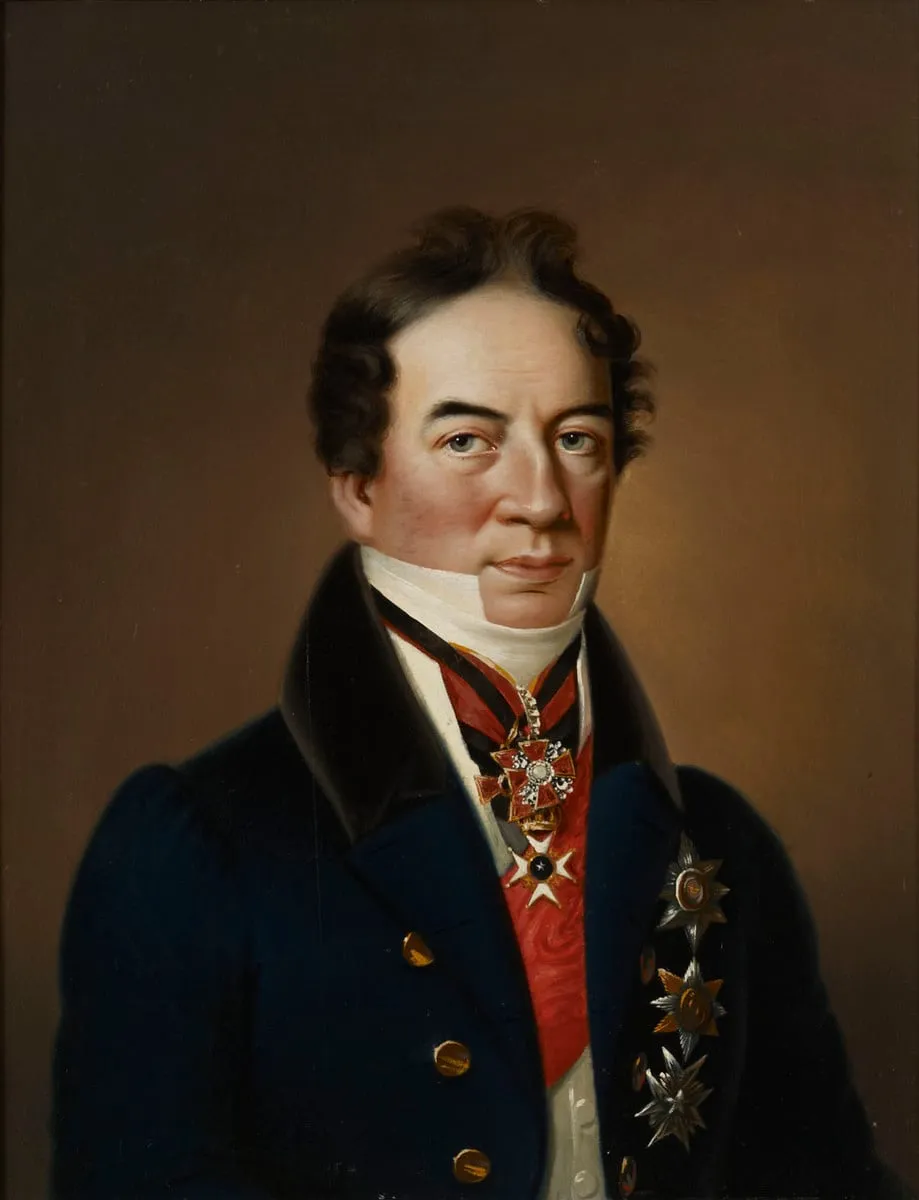
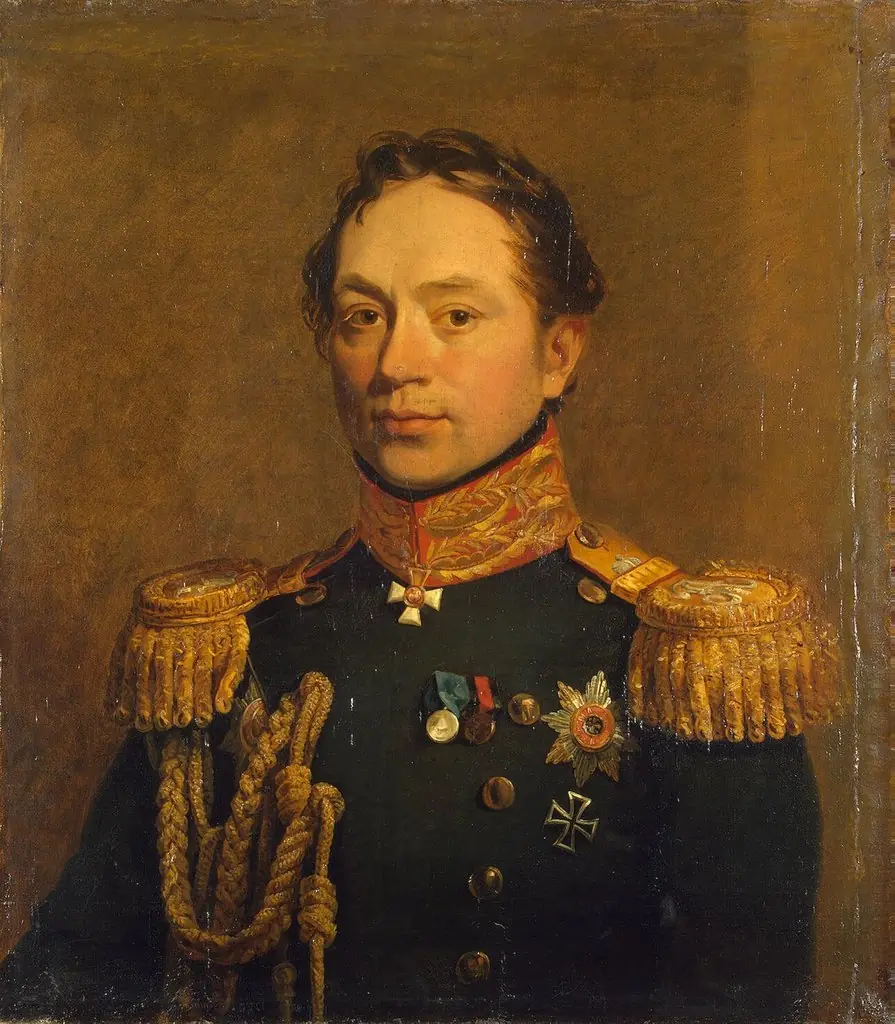
R. H. Rehbinderin muotokuva is an unspecified painting by Johan Erik Lindh. It is held in the collection of the Finnish National Gallery. This portrait depicts a man in formal attire, rendered with careful attention to texture and spatial depth.
About this work
Overview
This portrait depicts a man in formal attire, rendered with careful attention to texture and spatial depth. The subject is shown in three-quarter view against a neutral background, emphasizing his presence through controlled lighting and precise brushwork. The composition avoids ornate details, focusing instead on the dignity of the figure and the weight of his garments.
Subject & Meaning
The man’s dark blue coat, gold buttons, red sash, and prominent medal indicate high rank or official status, likely military or civic. His serious expression and upright posture convey authority and restraint. The attire reflects early 19th-century conventions of power, where dress served as a visual language of duty and honor rather than personal flourish.
Technique & Style
The artist employs subtle gradations of tone to model the fabric and skin, creating a tactile sense of volume. The gold buttons and medal catch light with restrained highlights, avoiding gilding excess. Brushwork is smooth yet deliberate, with fine detail reserved for the collar and medal, reinforcing the subject’s status without theatricality.
History & Provenance
The portrait is attributed to Johan Erik Lindh, a Swedish artist active in the early 1800s. While specific details of the sitter’s identity and the painting’s early ownership remain unconfirmed, its style aligns with official portraiture commissioned by state or military institutions during the post-Napoleonic era in Scandinavia.
Context
In early 19th-century Sweden, formal portraiture was a tool for affirming social order. Figures like this were often depicted in uniform or ceremonial dress to legitimize their roles in public life. Lindh’s approach reflects a broader Nordic trend toward sober, dignified representation, contrasting with the flamboyance seen in some contemporary European courts.
Legacy
Lindh’s work contributes to a quiet but significant body of Swedish portraiture that prioritized restraint over spectacle. Though not widely known outside regional collections, his portraits offer insight into how authority was visually constructed in a period of political reorganization, preserving the visual culture of civic and military elites.
Artist & collection
Artist
Johan Erik Lindh filled small sheets with soft pencil portraits of Finnish families in the early 1800s.

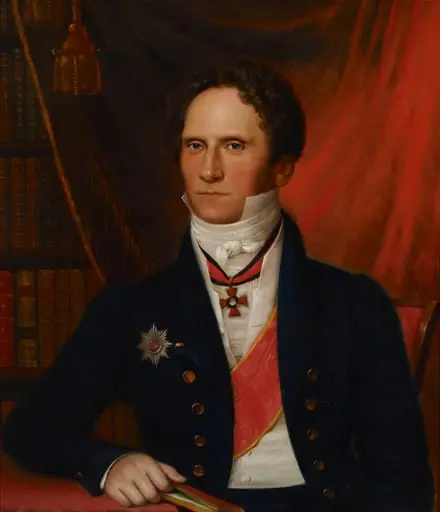
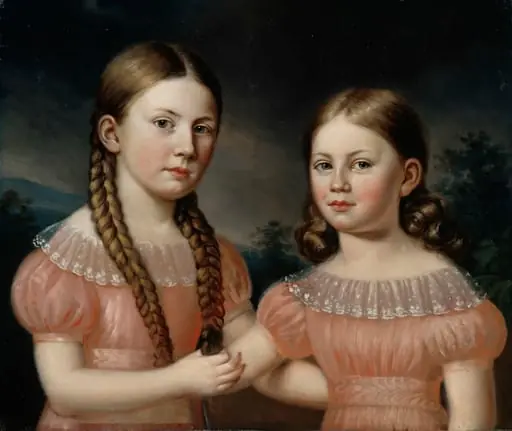
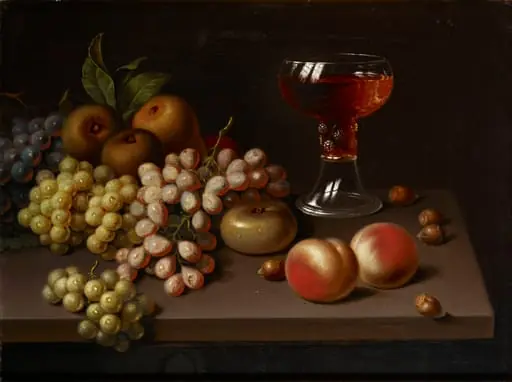
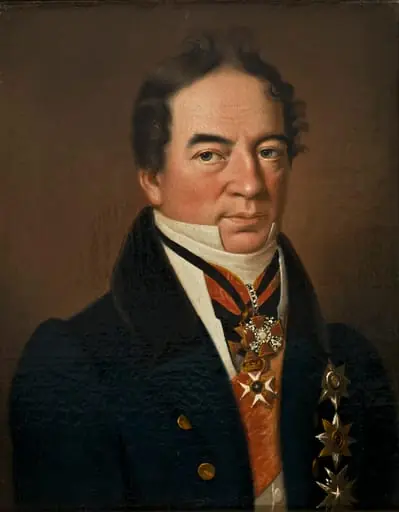 Robert Henrik Rehbinder (1777-1841)
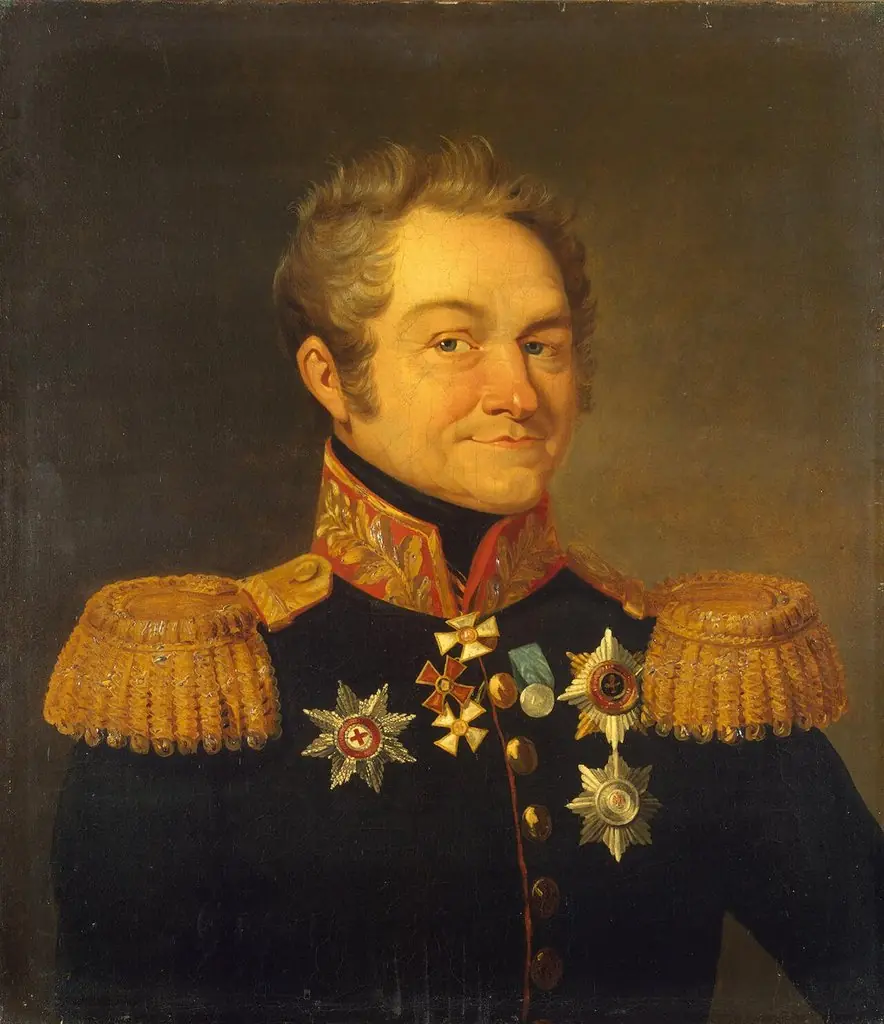 Portrait of Alexander B. Fock (1763-1825)
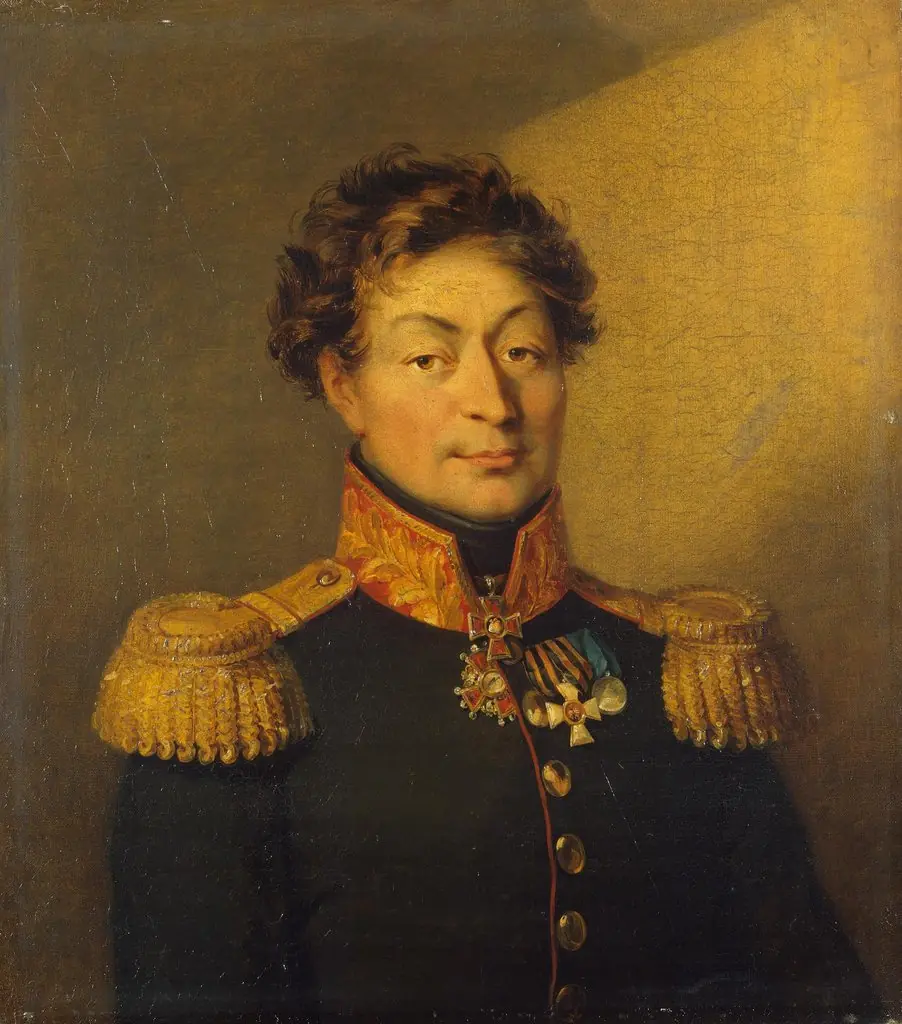 Portrait of Mikhail M. Volkov (1776-1820)
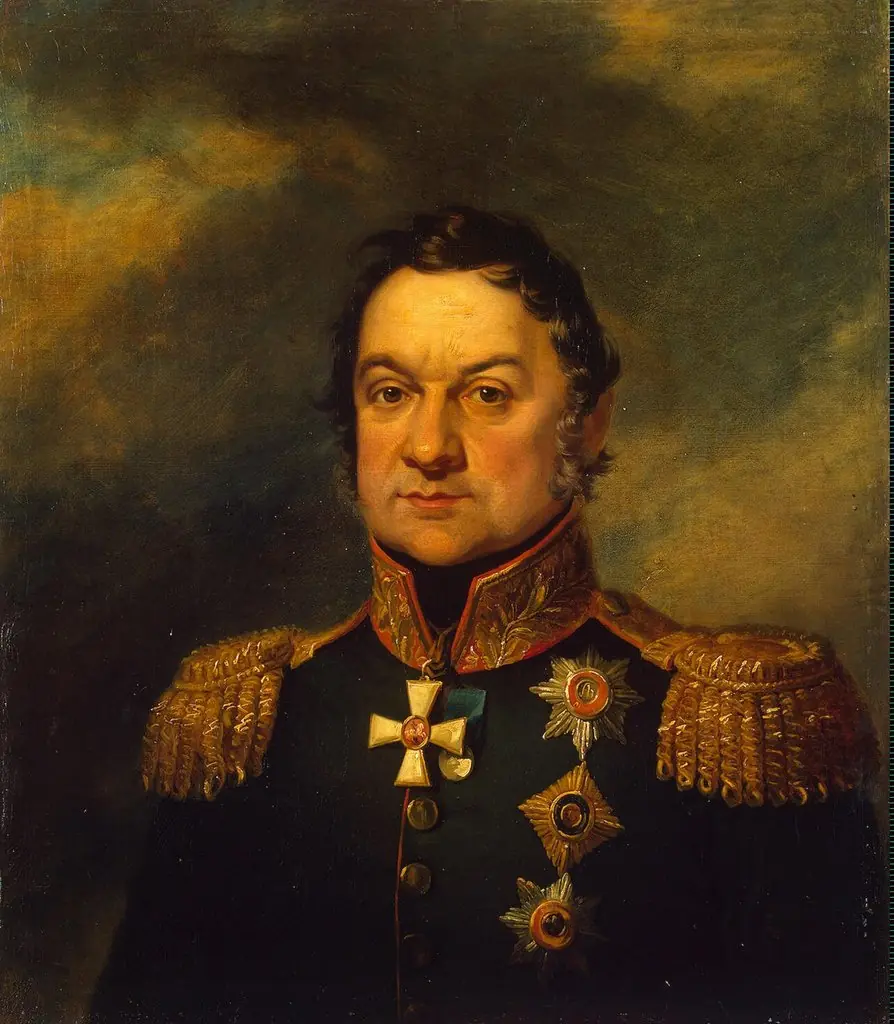 Portrait of Dmitry S. Dokhturov (1756/59-1816)
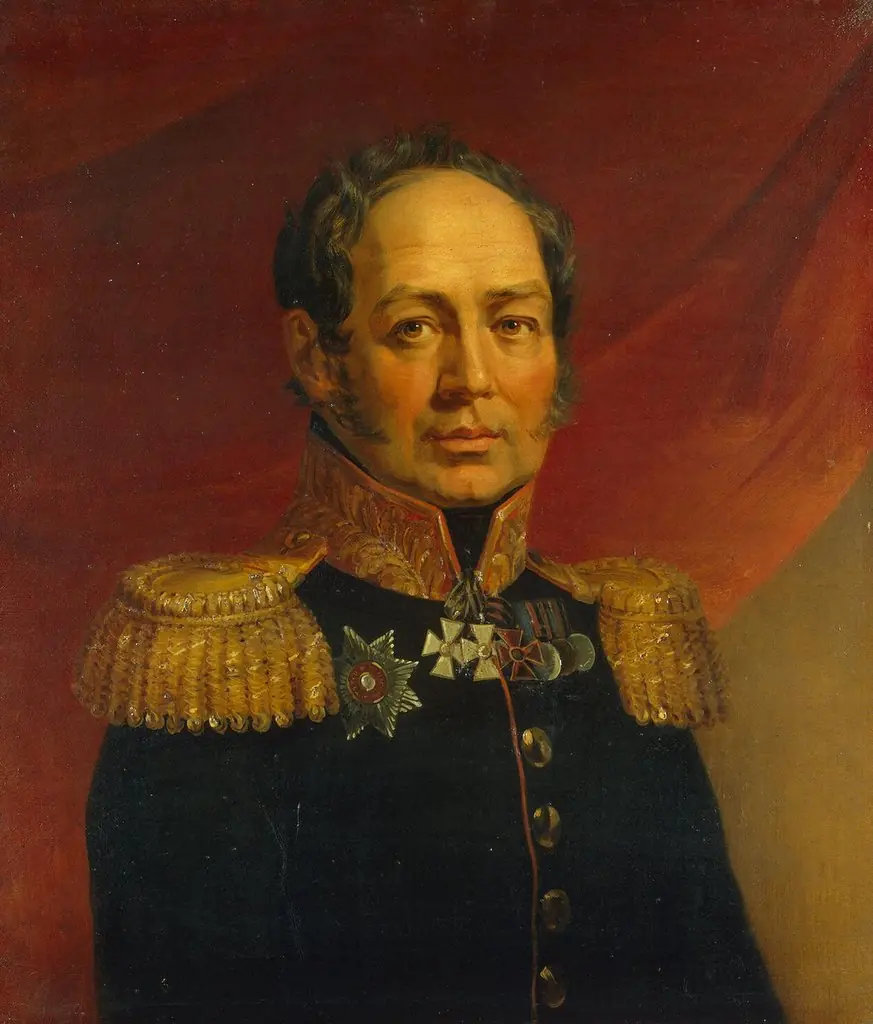 Portrait of Dmitry V. Lyalin (1772-1847/48)
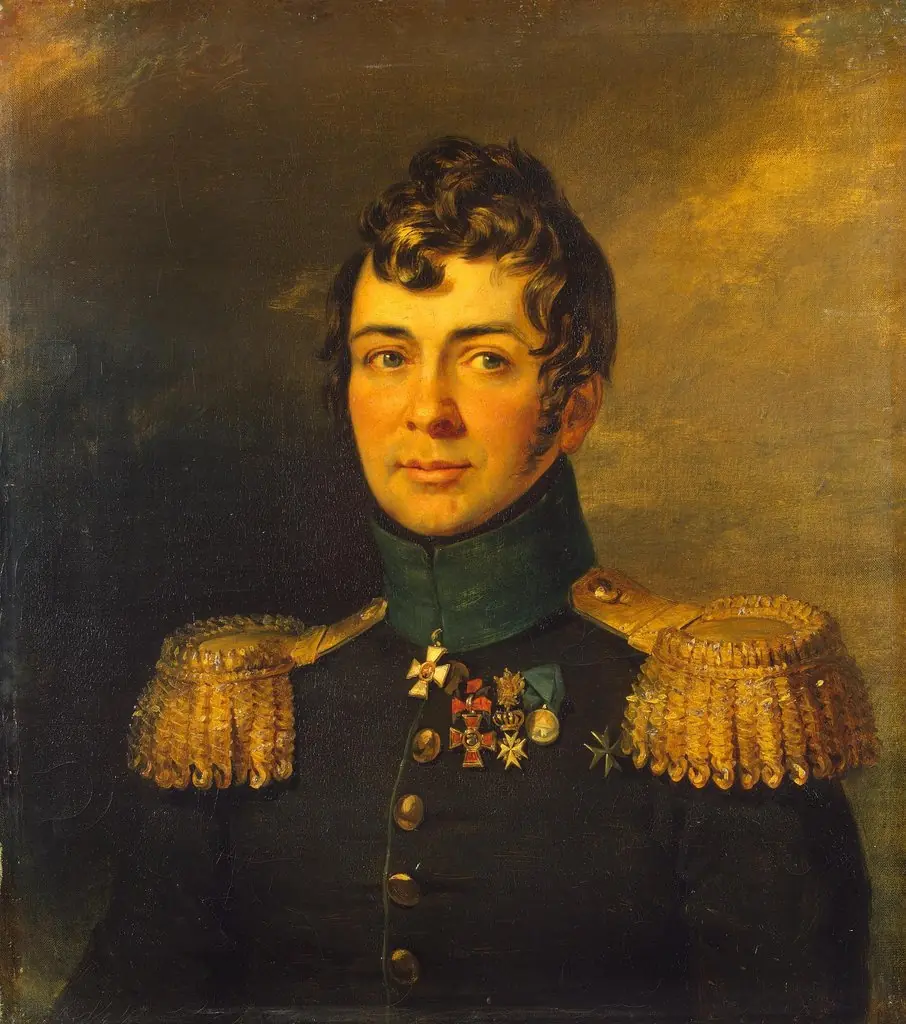 Portrait of Sergey N. Ushakov (1776-1814) (2nd)
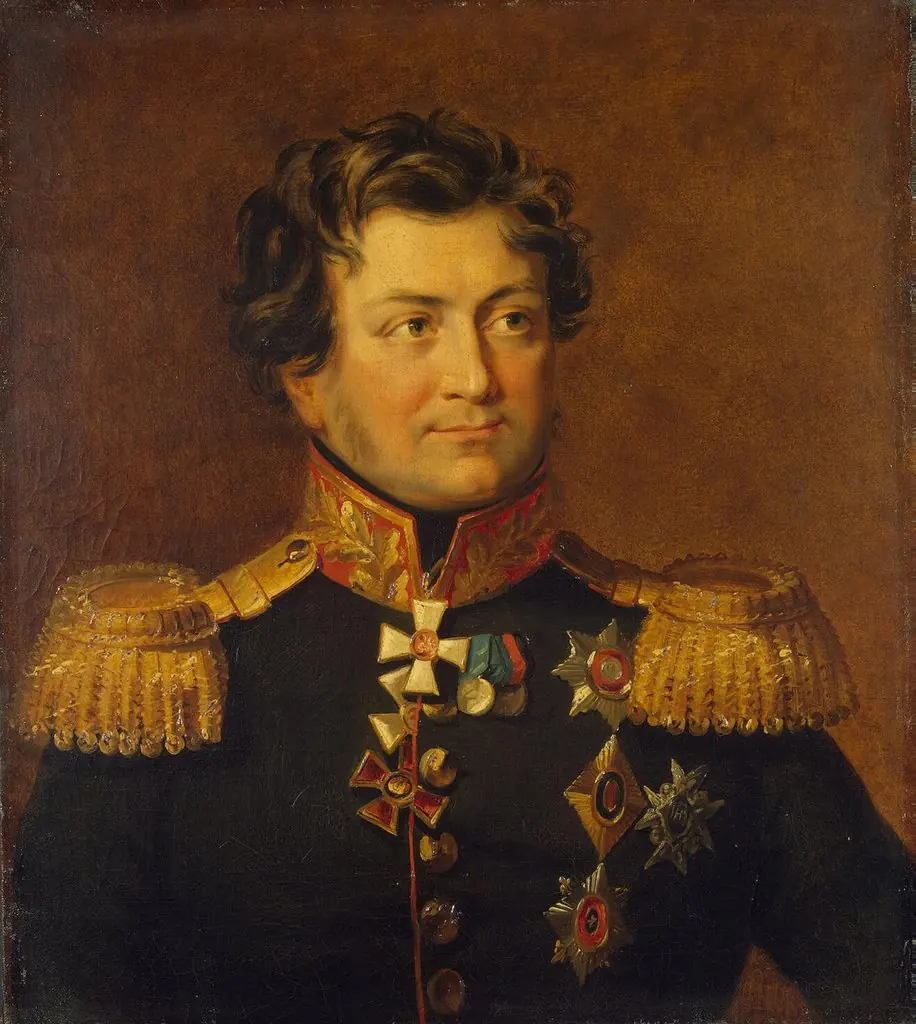 Portrait of Alexander Ya. Rudzevich (1775-1829)
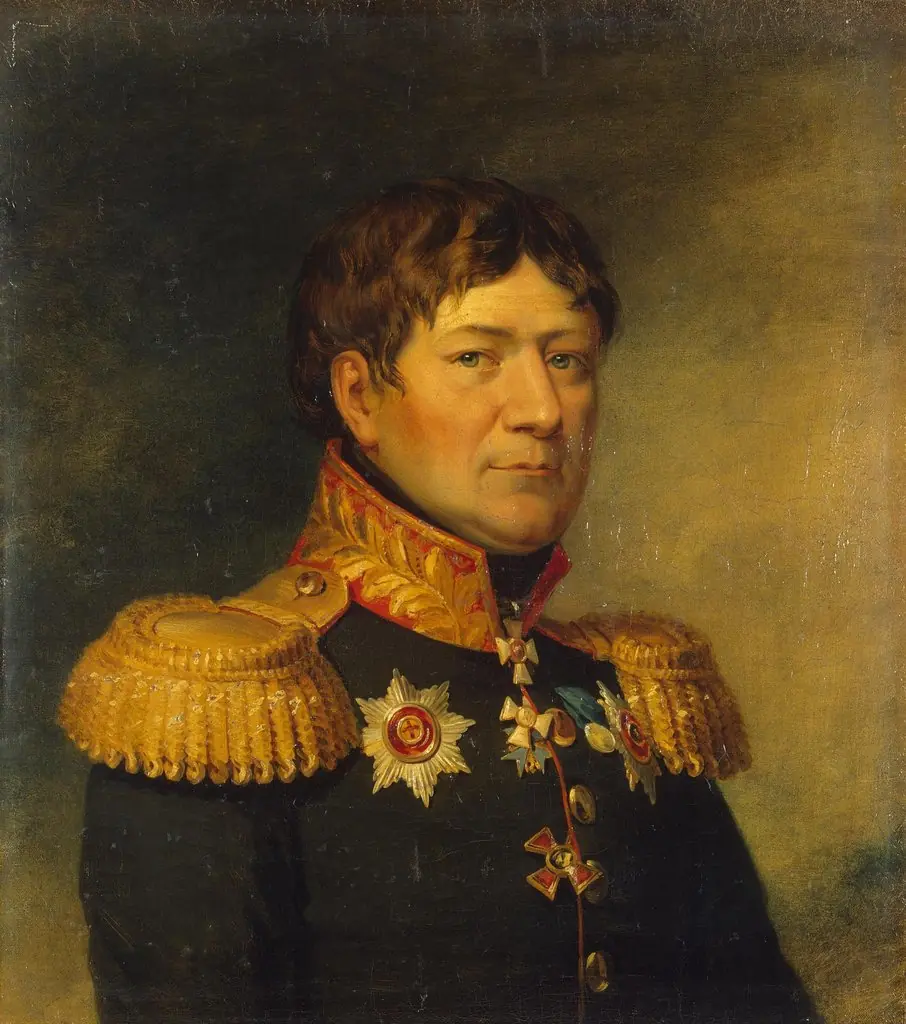 Portrait of Yegor M. Pillar (1767-1830)
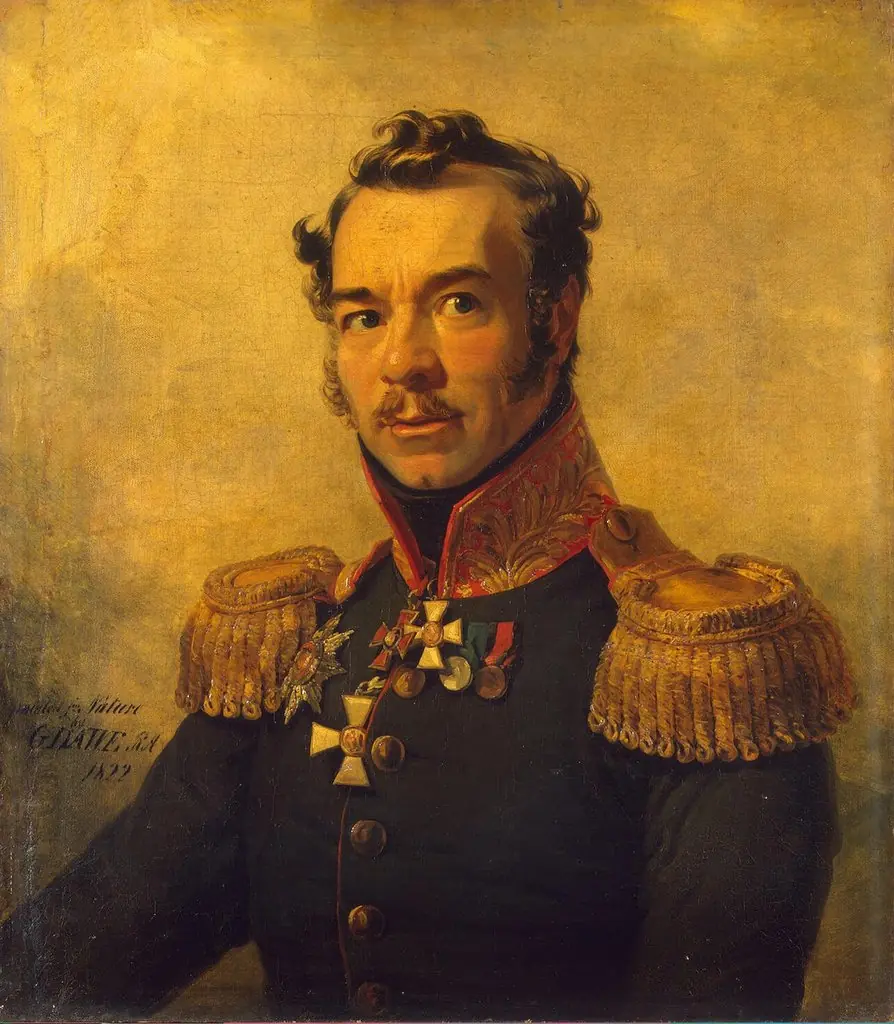 Portrait of Dmitry M. Yuzefovich (1777-1821)
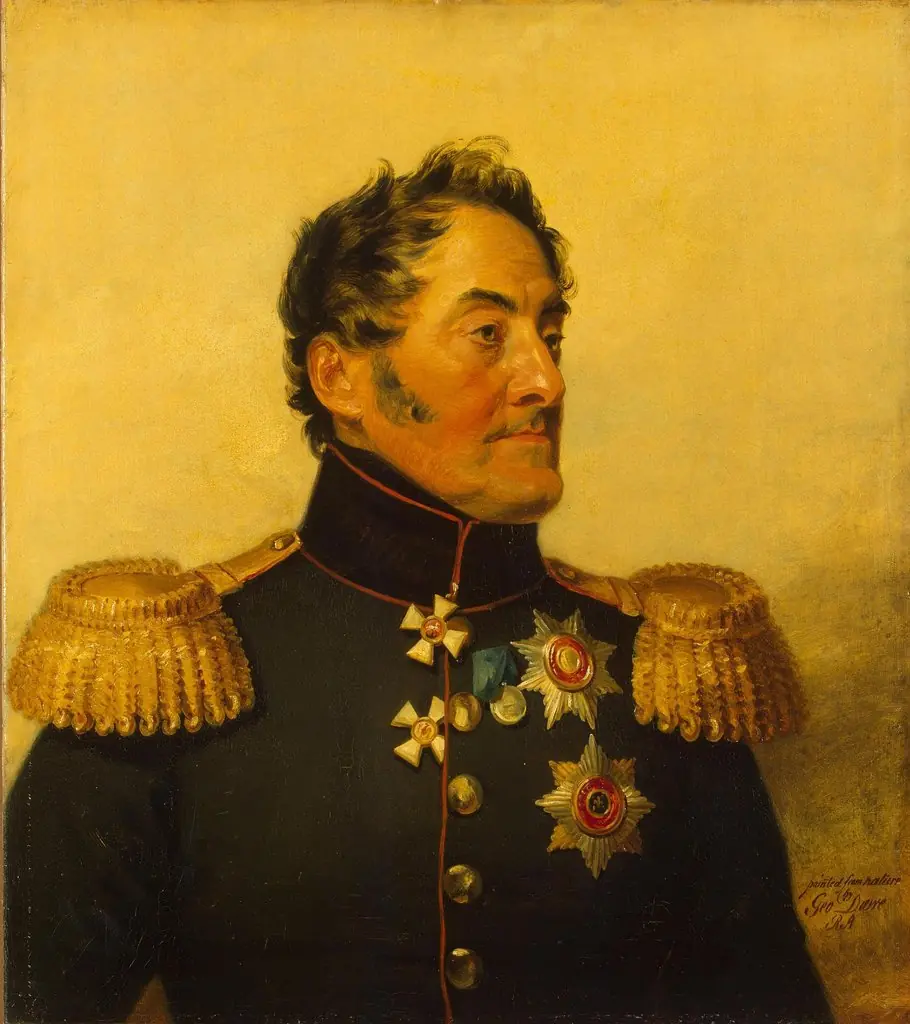 Portrait of Lev M. Yashvil (1768-1836)
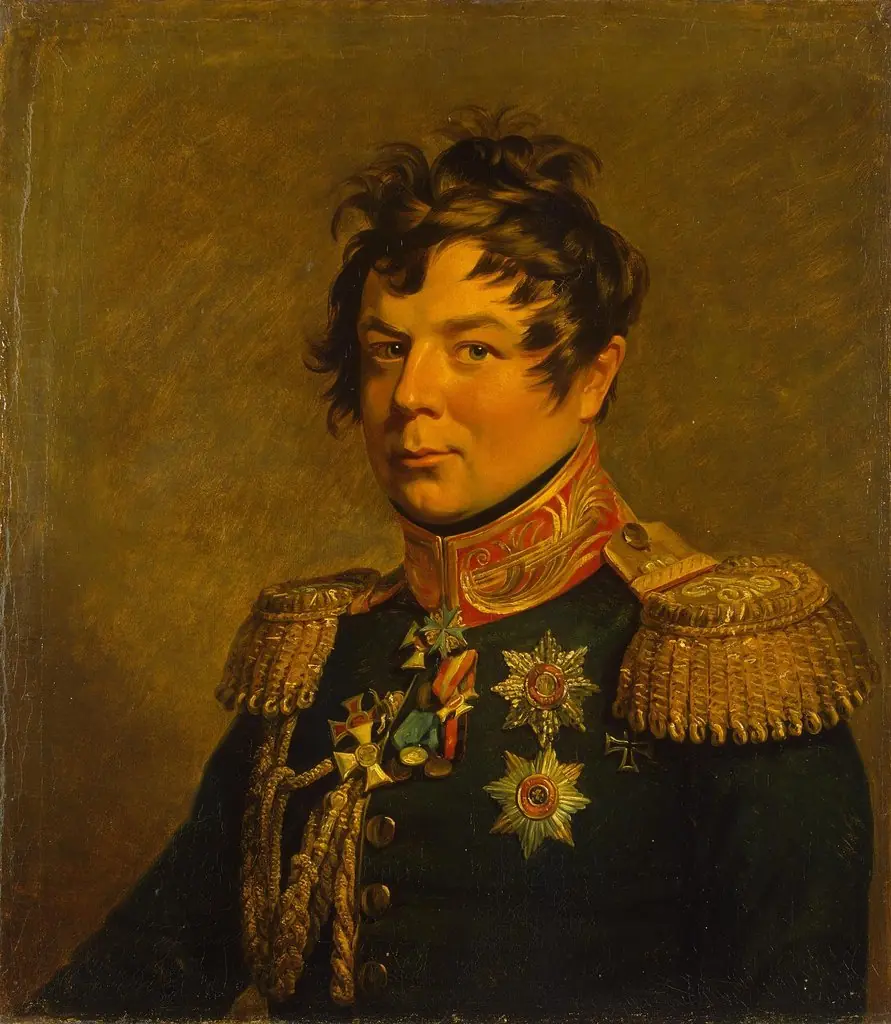 Portrait of Ivan I. Diebitsch-Zabalkansky (1785-1831)
 Portrait of Grigory V. Rosen (1782-1841) (1st)