Artwork
The Wedding Journey
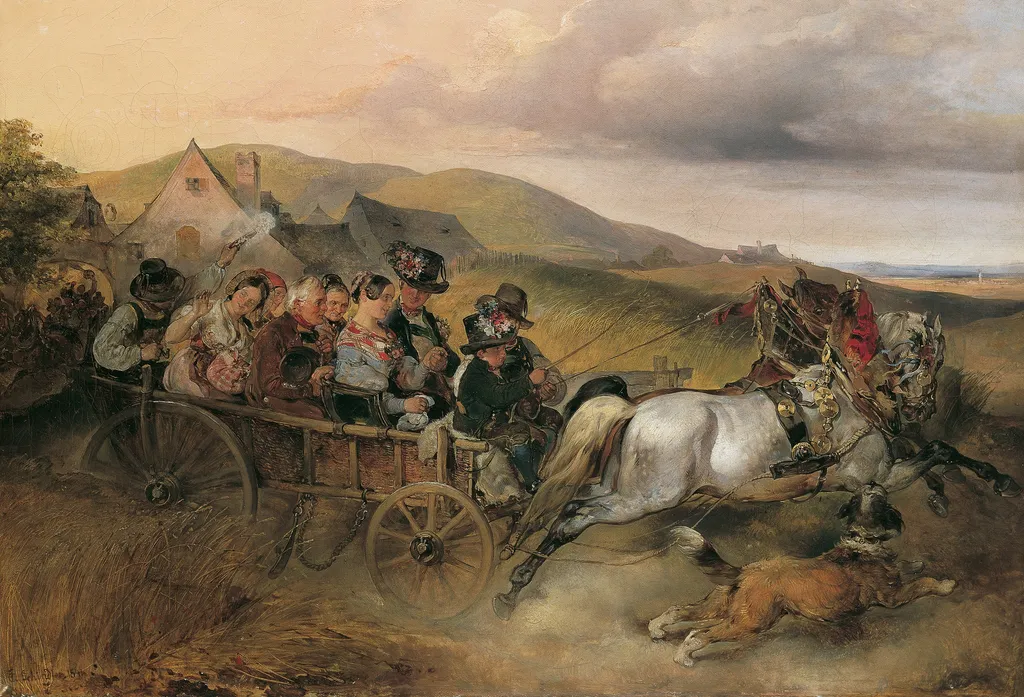
The Wedding Journey is an oil painting by the Biedermeier artist Carl Schindler. It dates from 1841 and is held in the collection of the Kunsthistorisches Museum.
About this work
Overview
Carl Schindler’s *The Wedding Journey* (1841) is an oil on canvas that captures a festive procession traveling in a horse‑drawn carriage. The central figures are a bride and groom surrounded by guests, while a dog darts alongside. The scene unfolds against a backdrop of gentle hills and a cloud‑filled sky, conveying a moment of communal celebration.
Subject & Meaning
Although the painting depicts a civilian wedding, Schindler’s known interest in military life informs the composition; many of the participants are dressed in uniforms or attire reminiscent of soldiers. This blend suggests a link between personal rites of passage and the social world of the armed forces, reflecting the intertwined identities of early‑19th‑century Austrian society.
Technique & Style
Executed in the Biedermeier aesthetic, the work employs a restrained palette and careful modeling of light to create depth. Subtle chiaroscuro highlights the textures of fabrics and the gleam of metal, while the diagonal arrangement of figures and the carriage generates a sense of forward motion. Attention to facial expression and detail grounds the scene in everyday realism.
History & Provenance
Created shortly before Schindler’s premature death at age twenty‑one, the painting entered the collection of Vienna’s Kunsthistorisches Museum, where it remains on display. Its acquisition reflects the museum’s 19th‑century commitment to preserving works that document Austrian social and military life during the Biedermeier era.
Own this work as a print
Artist & collection
Artist
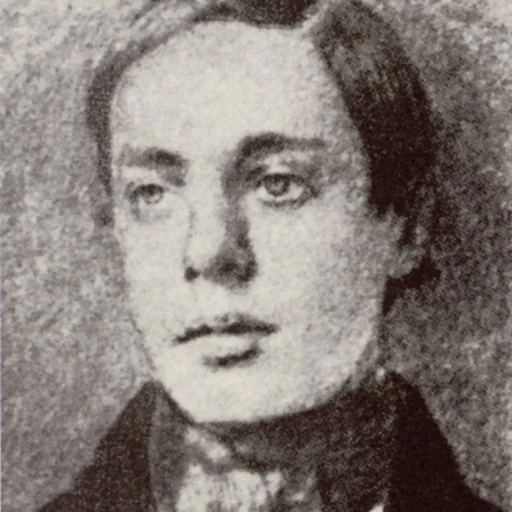
Carl Vincenz Schindler (23 October 1821 in Vienna – 22 August 1842 in Laab im Walde) was an Austrian military painter in the Biedermeier style. He was sometimes referred to as "Soldaten-Schindler" (Soldier Schindler).

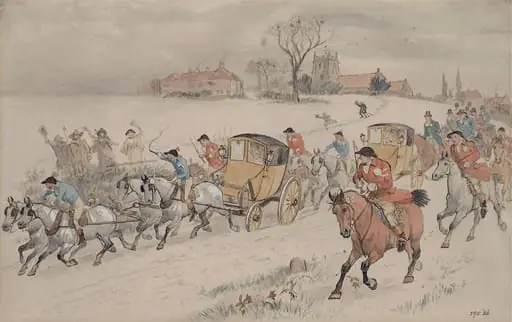 Diana Wood's Wedding : Returning from Church
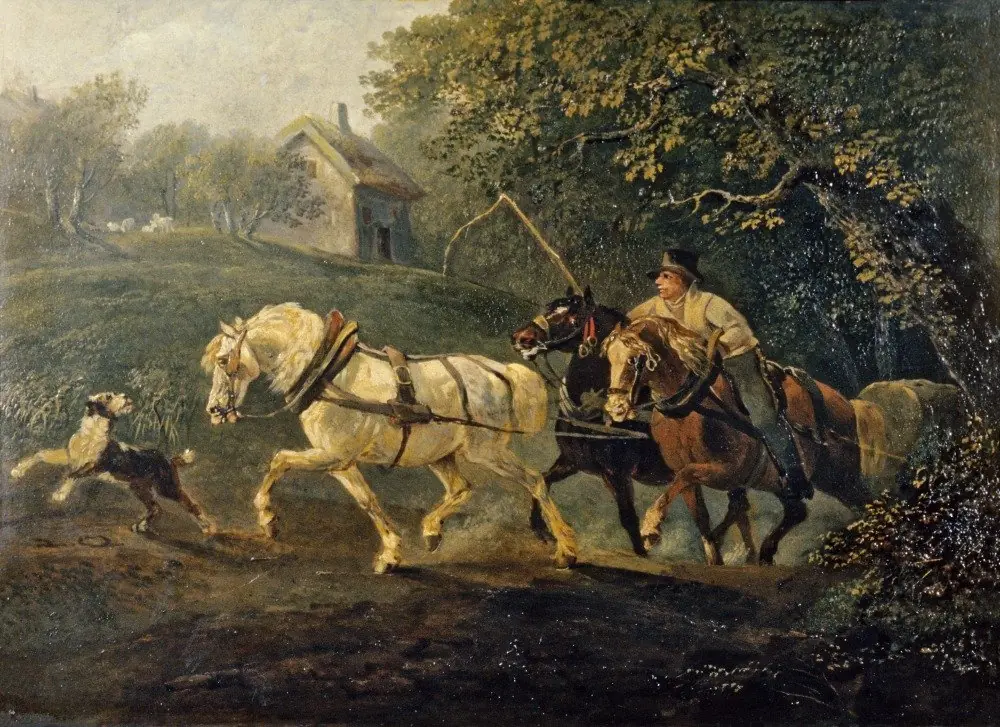 Berganfahrendes Fuhrwerk
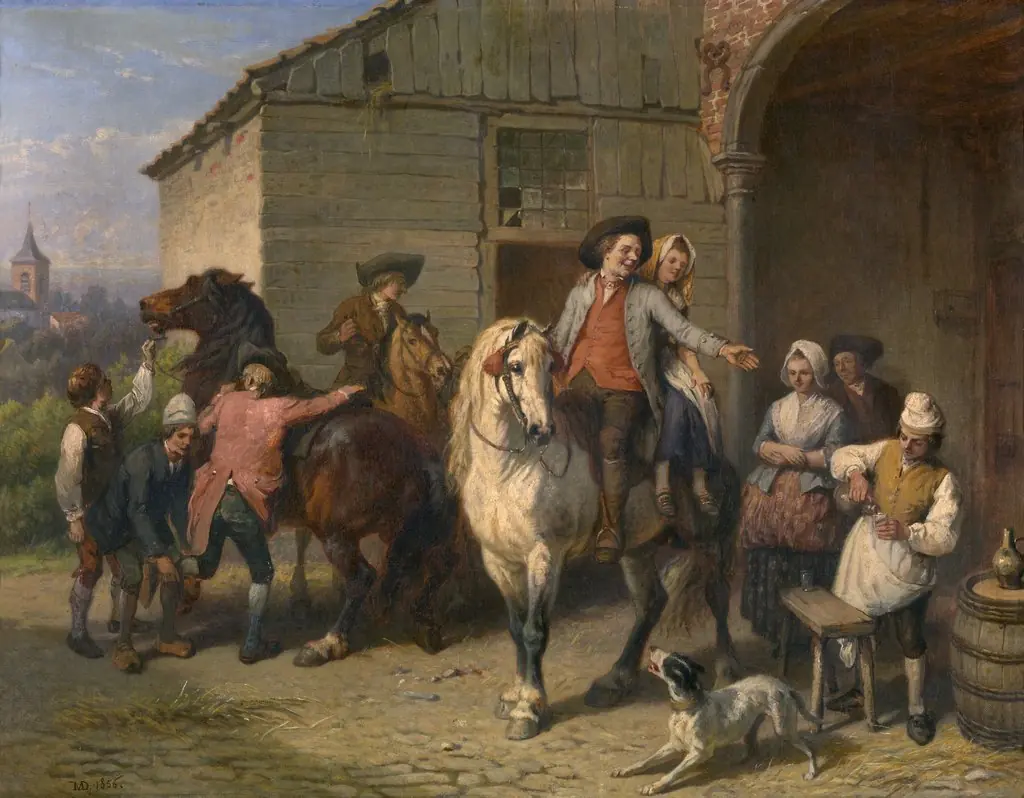 Horsemen at the Inn
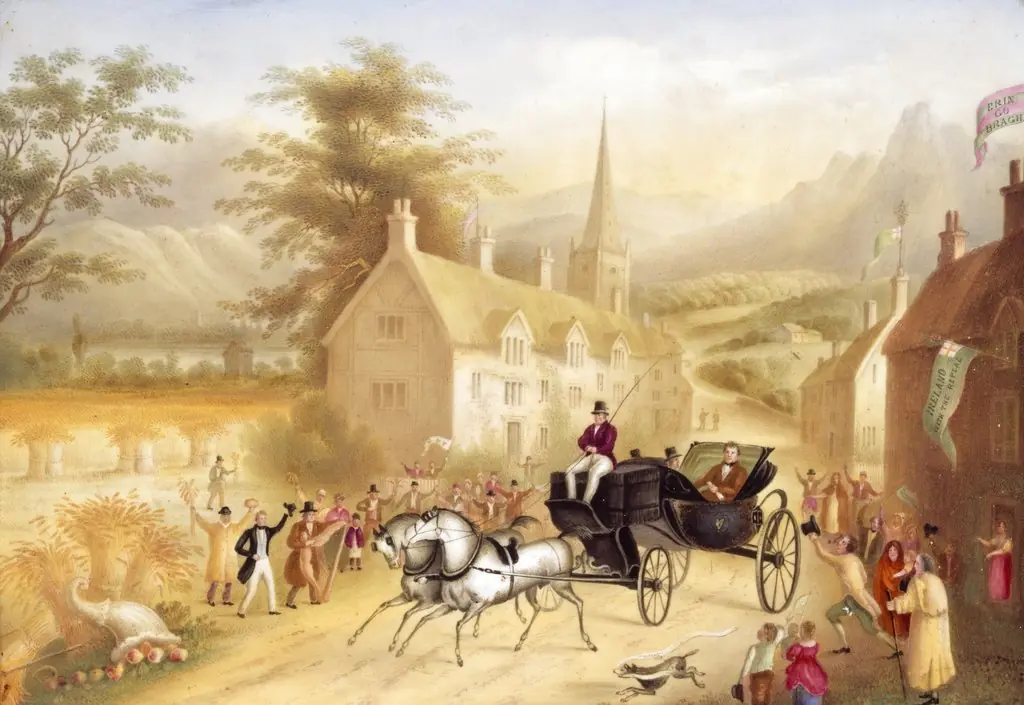 Ireland with the Repeal
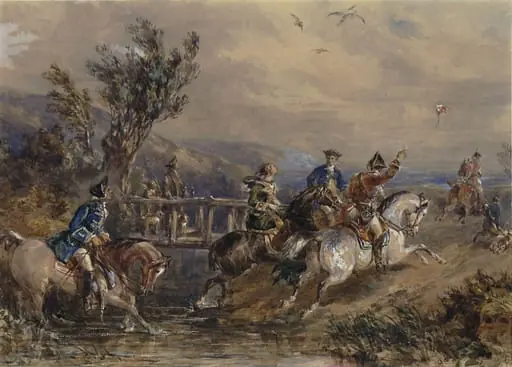 Hawking party crossing a stream
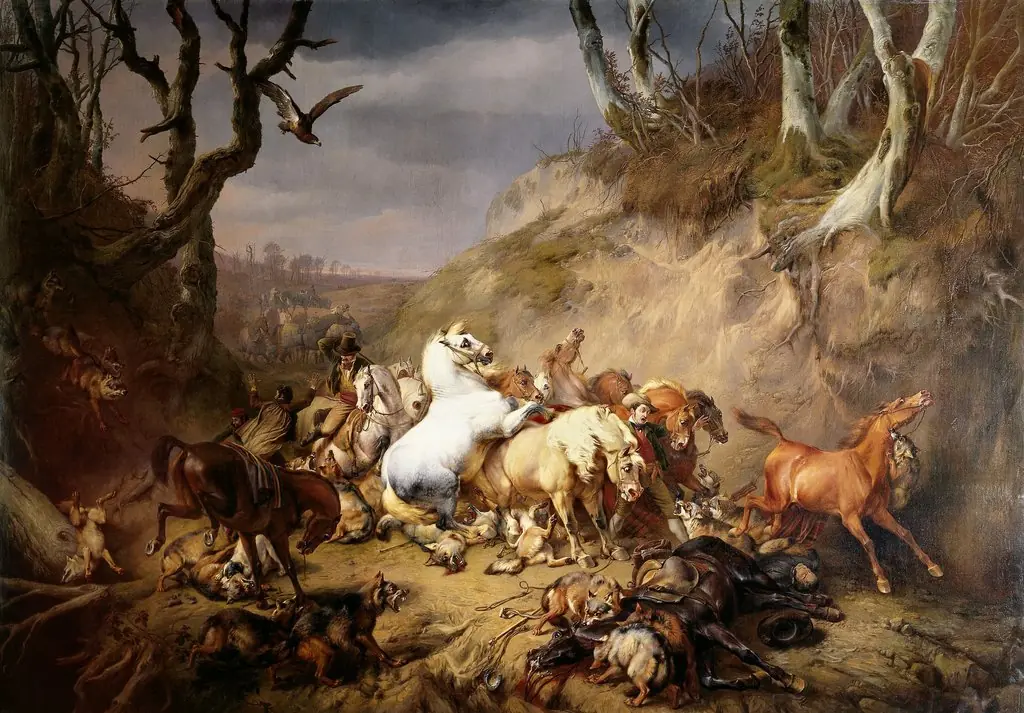 Hungry Wolves Attack a Group of Riders
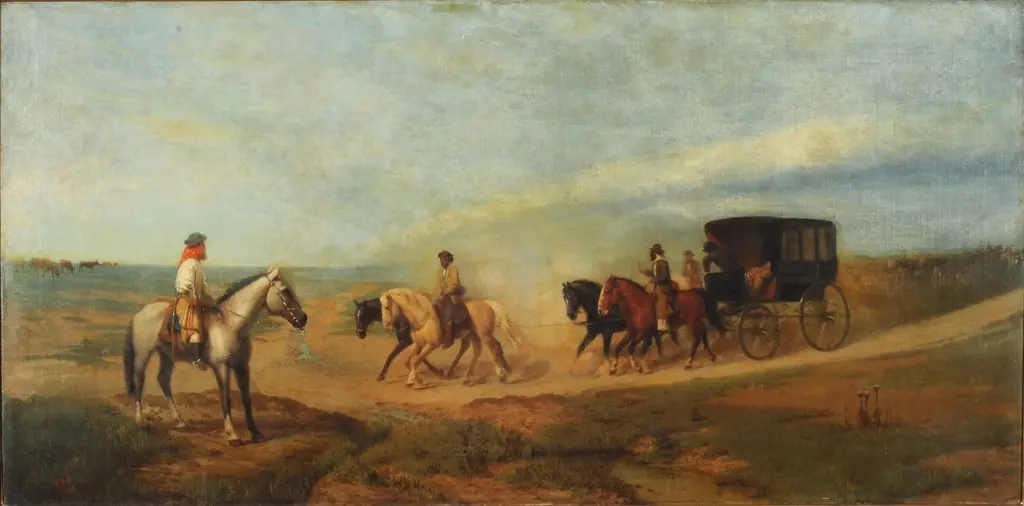 Staying the Walk
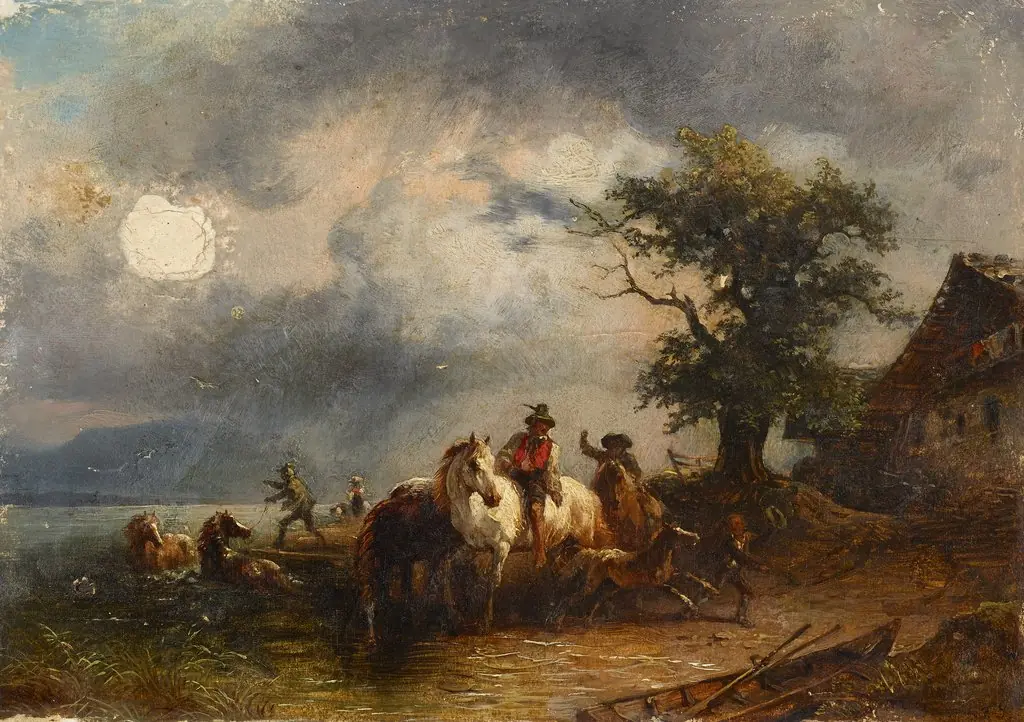 Watering Horses
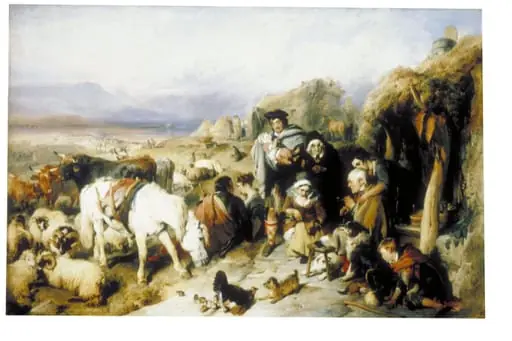 The Drover's Departure: A Scene in the Grampians
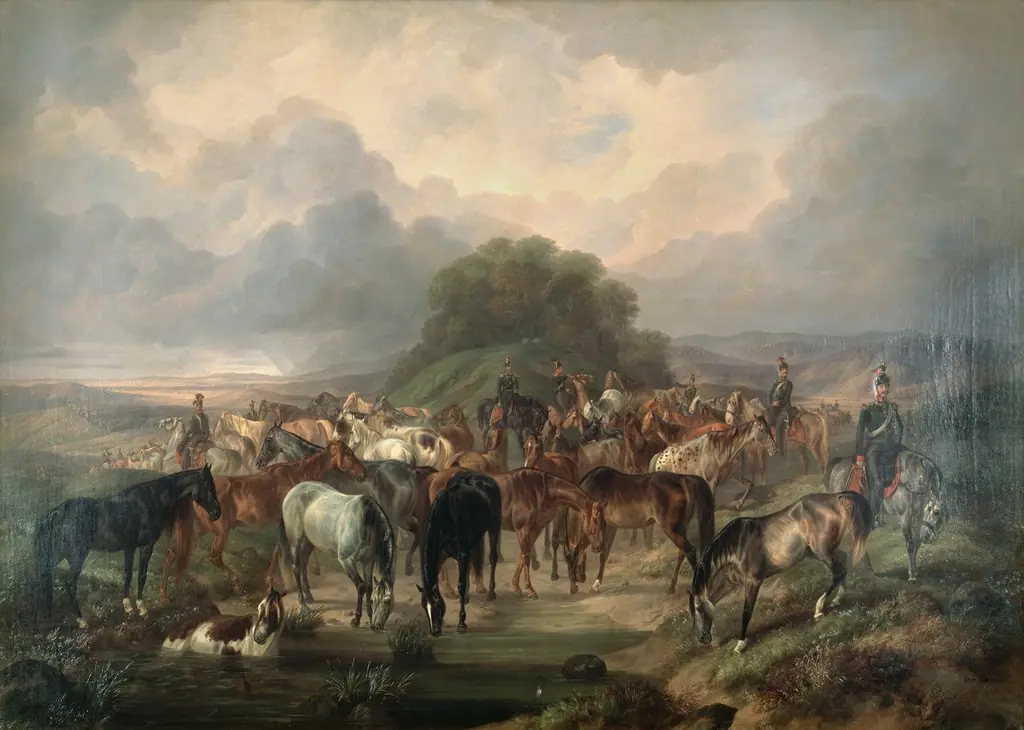 Von Ulanen geführter Transport
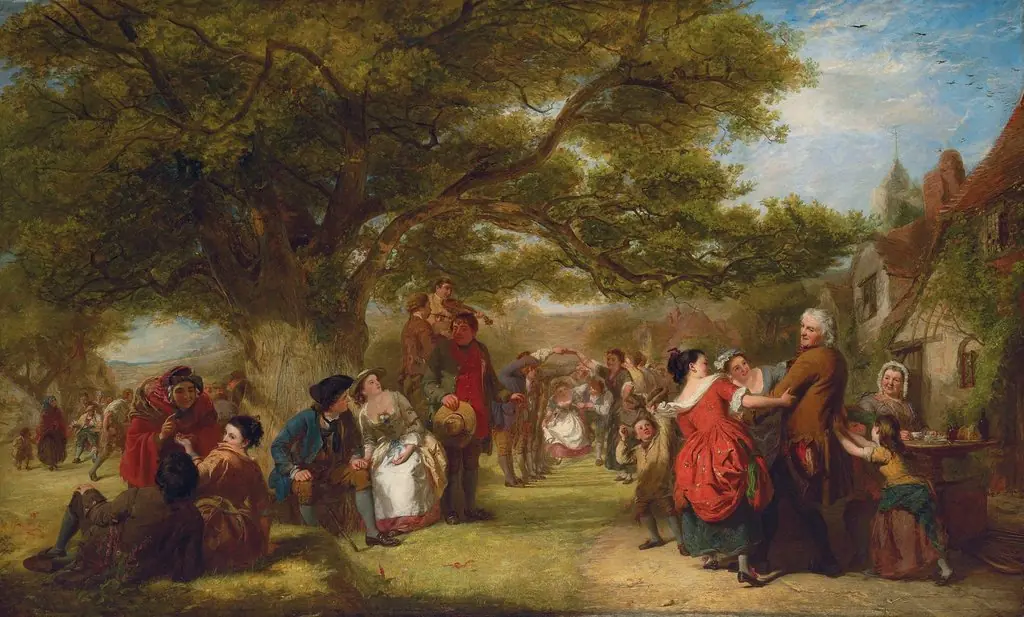 An English Merrymaking a Hundred Years Ago
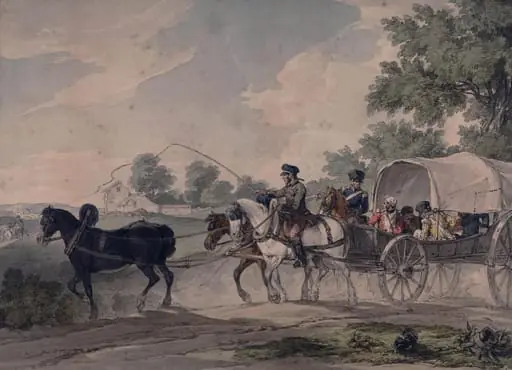 A Belgian Waggon Conveying Wounded from the Field after the Battle of Waterloo