Artwork
Chiesa et Hospitale de Mendicanti (plate 35)
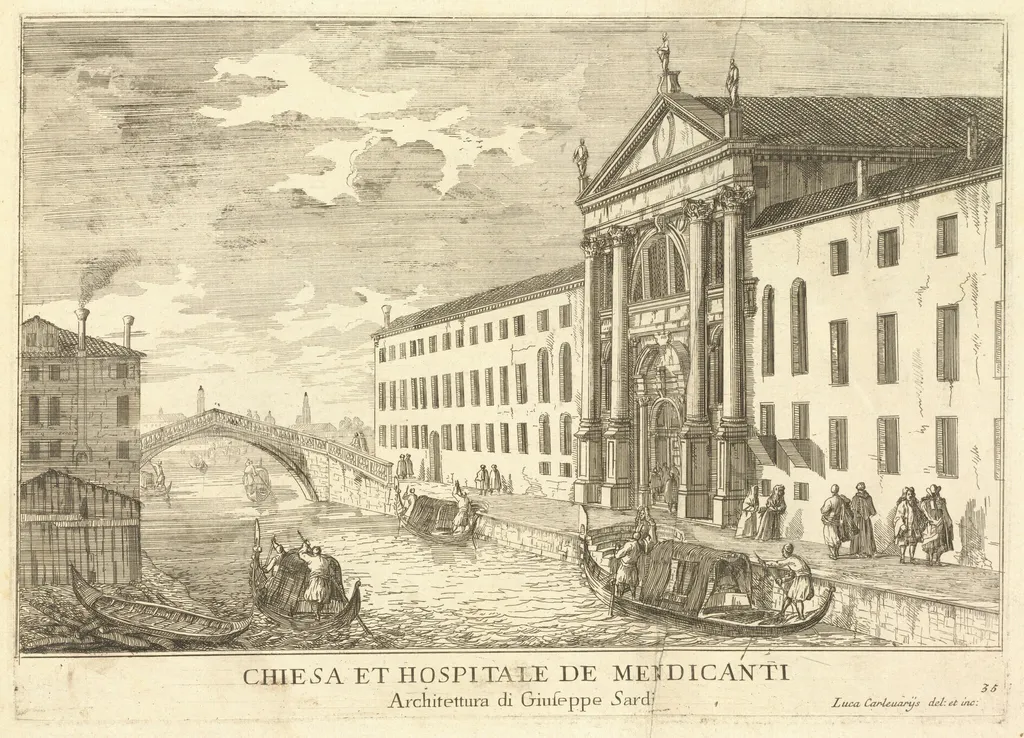
Chiesa et Hospitale de Mendicanti (plate 35) is an ink print by the Baroque artist Luca Carlevariis. It dates from 1703 and is held in the collection of the National Gallery of Art.
About this work
Overview
Luca Carlevariis produced this copperplate etching in 1703, catalogued as plate 35 in his series of Venetian views. The print records a substantial stone church crowned by a high tower, set against a bright, cloud‑dotted sky, with a modest ancillary structure bearing a cross above its entrance.
Subject & Meaning
The composition juxtaposes the imposing ecclesiastical façade with a smaller, cross‑topped building, suggesting the relationship between a major religious institution and its associated charitable facility. The tranquil atmosphere conveyed by the clear sky and subdued lighting hints at a contemplative, everyday urban scene rather than a dramatic narrative.
Technique & Style
Carlevariis employed fine etching lines to render architectural details such as window mullions, cornices, and the play of light and shadow across stone surfaces. The precise rendering of texture and perspective reflects the artist’s systematic approach to documenting Venice’s built environment.
History & Provenance
Created as part of a broader collection of prints illustrating Venice’s architecture, the work was likely intended for collectors interested in topographical records. Surviving copies have appeared in several early‑19th‑century print collections, though the original plate’s whereabouts remain undocumented.
Context
The early eighteenth century saw a surge in printed cityscapes that served both as souvenirs and as visual surveys for scholars. Carlevariis’s series aligns with this trend, offering a measured, almost documentary view of Venetian structures at a time when the Republic’s urban identity was a subject of wide interest.
Legacy
While not as widely reproduced as later vedute, Carlevariis’s etchings provide valuable primary visual evidence of Venice’s architectural layout in the early 1700s, informing both art historical research and heritage conservation efforts.
Artist & collection


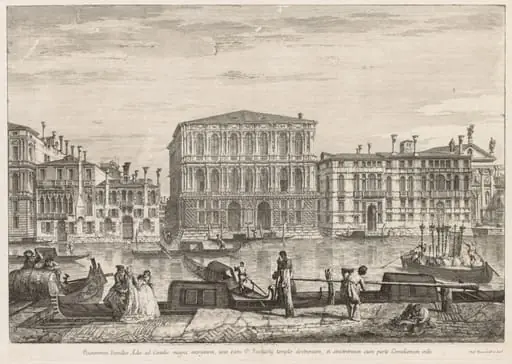 Views of Venice: Palazzo Pesaro
![Piazza Navona from "Prospectus Locurum Urbis Romae Insign[ium], by Lievin Cruyl](https://artifactworldgallery.com/img/lievin-cruyl--piazza-navona-from-prospectus-locurum-urbis-romae-insign-ium--d113d99e439c18eb-w320.webp) Piazza Navona from "Prospectus Locurum Urbis Romae Insign[ium]
Piazza Navona from "Prospectus Locurum Urbis Romae Insign[ium]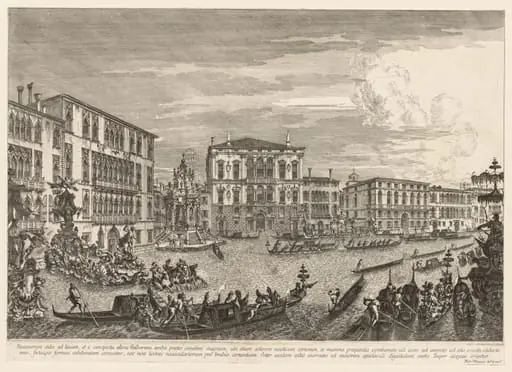 Views of Venice: The Regatta
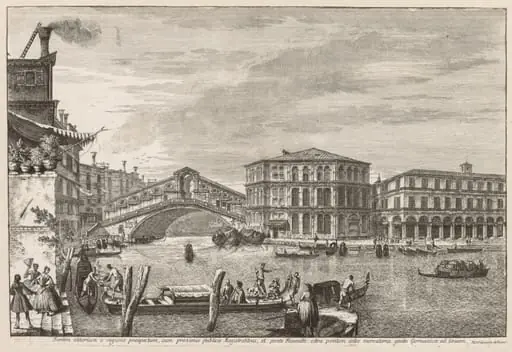 Views of Venice: The Bridge and Market of Rialto
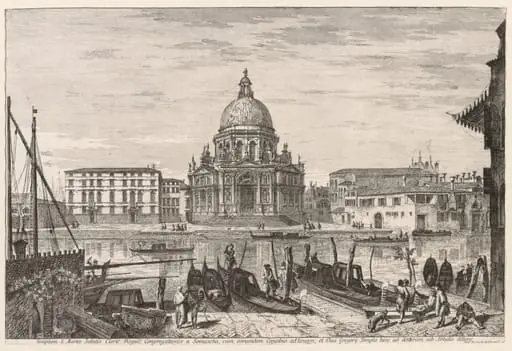 Views of Venice: S. M. Della Salute
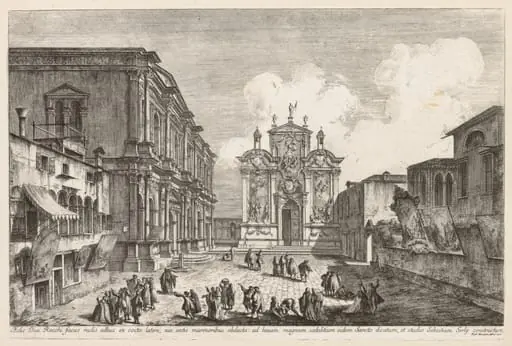 Views of Venice: Campo S. Rocco
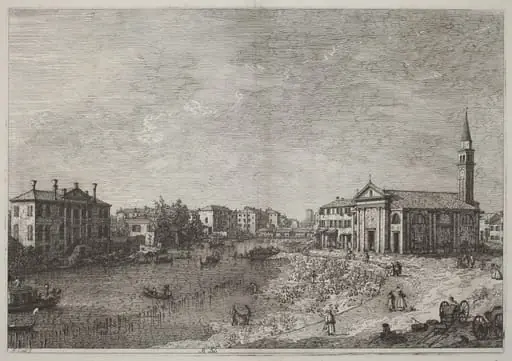 Al Dolo
![Santa Maria Maggiore from "Prospectus Locurum Urbis Romae Insign[ium]", by Lievin Cruyl](https://artifactworldgallery.com/img/lievin-cruyl--santa-maria-maggiore-from-prospectus-locurum-urbis-romae-ins--552492caf03c6a55-w320.webp) Santa Maria Maggiore from "Prospectus Locurum Urbis Romae Insign[ium]"
Santa Maria Maggiore from "Prospectus Locurum Urbis Romae Insign[ium]"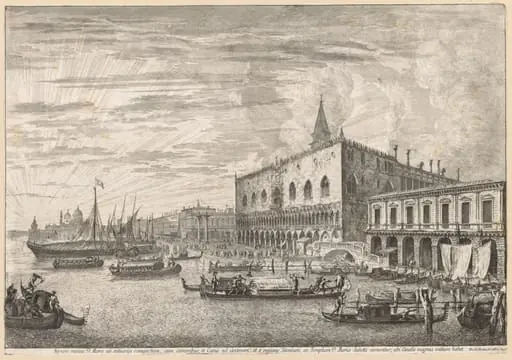 Views of Venice: The Molo and S. M. Della Salute
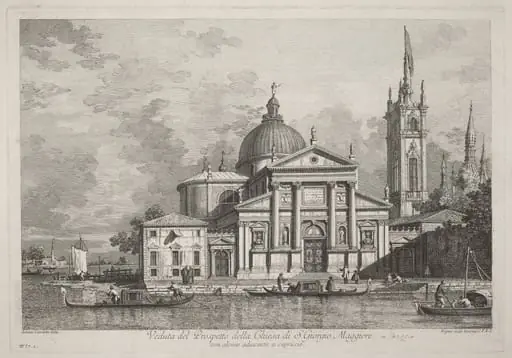 Veduta del Prospetto della Chiesa di S. Giorgio Maggiore
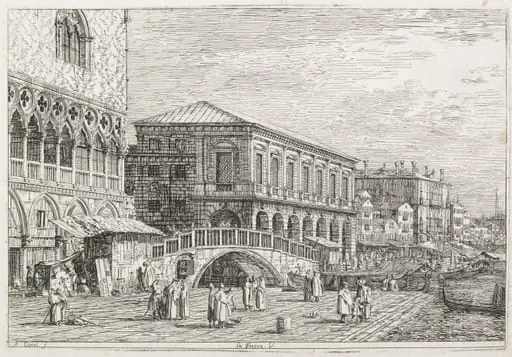 Views: The Prison, Venice
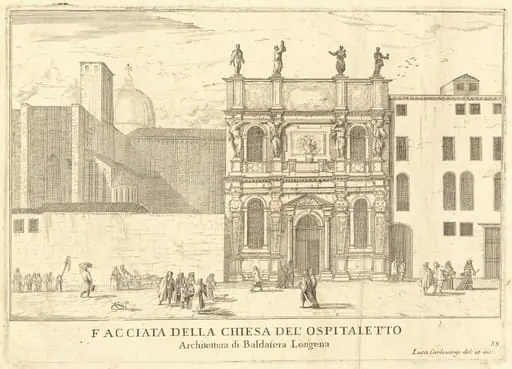 Facciata della Chiesa del'Ospitaletto (plate 33)