Artwork
Facciata della Chiesa del'Ospitaletto (plate 33)
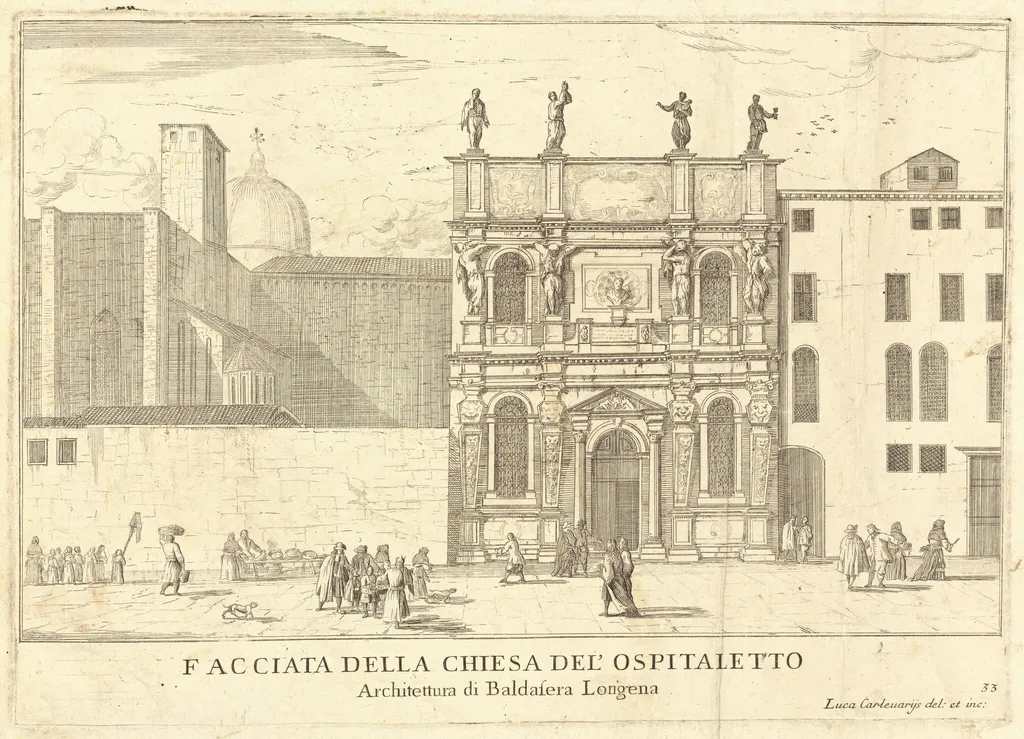
Facciata della Chiesa del'Ospitaletto (plate 33) is an ink print by the Baroque artist Luca Carlevariis. It dates from 1703 and is held in the collection of the National Gallery of Art.
About this work
Overview
Luca Carlevariis produced an etching titled *Facciata della Chiesa del’Ospitaletto* in 1703. The print, catalogued as plate 33 in a series of Venetian church illustrations, depicts the stone façade of a modest ecclesiastical building, rendered in fine line work that emphasizes architectural depth and texture.
Subject & Meaning
The image records the front of a small stone church, characterized by a rhythm of tall columns, rounded arches, and twin cupolas that crown the roofline. Light and shadow are employed to convey the solidity of the masonry, suggesting both the permanence of the structure and the devotional atmosphere of early‑18th‑century Venice.
Technique & Style
Carlevariis employed traditional copper‑plate etching, incising lines that capture the fissures, joints, and surface irregularities of the stone. The tonal gradations arise from varied acid bites, allowing subtle shading that models the building’s three‑dimensional form without resorting to heavy cross‑hatching.
History & Provenance
Created as part of a printed volume documenting Venetian churches, the etching was likely circulated among scholars and patrons interested in architectural heritage. Copies of the work have been retained in several institutional collections, including the National Gallery of Art in Washington, where Carlevariis’s broader series is held.
Context
In the early 1700s, Venice experienced a surge of interest in cataloguing its religious architecture, driven by both antiquarian curiosity and civic pride. Carlevariis’s prints contributed to this effort, providing a visual record that complemented textual descriptions and served as reference material for architects, historians, and travelers.
Artist & collection


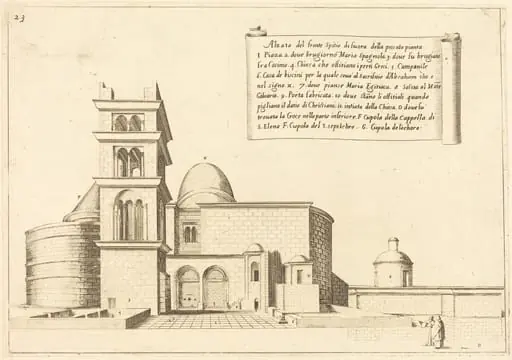 Elevation of a Church
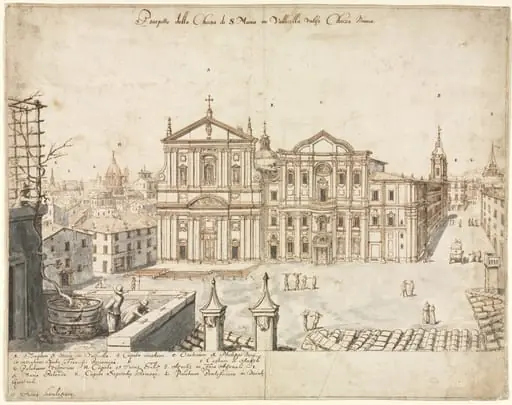 Eighteen Views of Rome: The Church of Santa Maria in Vallicella
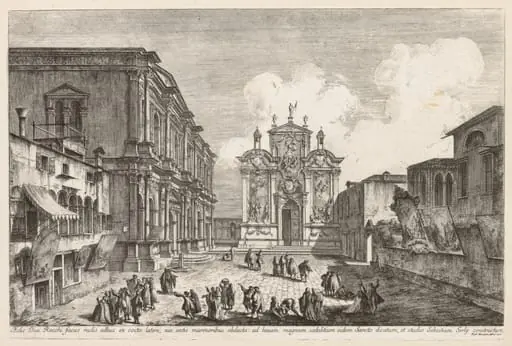 Views of Venice: Campo S. Rocco
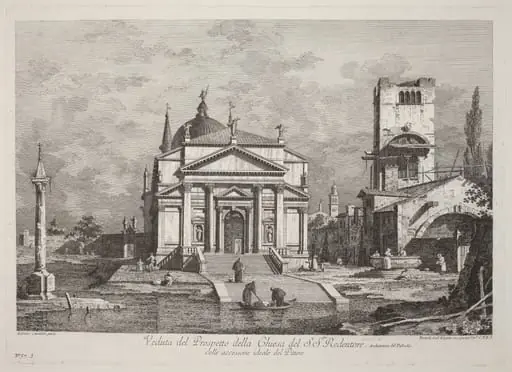 Veduta del Prospetto della Chiesa del SS. Redentore
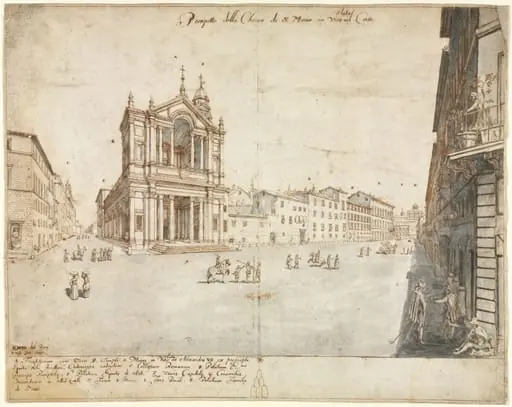 Eighteen Views of Rome: Santa Maria in Via Lata
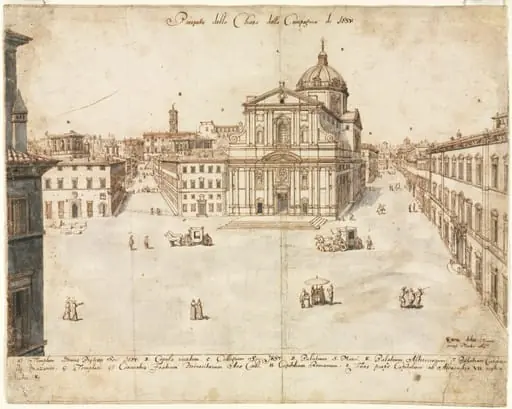 Eighteen Views of Rome: The Church of the Gesù
![Santa Maria Maggiore from "Prospectus Locurum Urbis Romae Insign[ium]", by Lievin Cruyl](https://artifactworldgallery.com/img/lievin-cruyl--santa-maria-maggiore-from-prospectus-locurum-urbis-romae-ins--552492caf03c6a55-w320.webp) Santa Maria Maggiore from "Prospectus Locurum Urbis Romae Insign[ium]"
Santa Maria Maggiore from "Prospectus Locurum Urbis Romae Insign[ium]"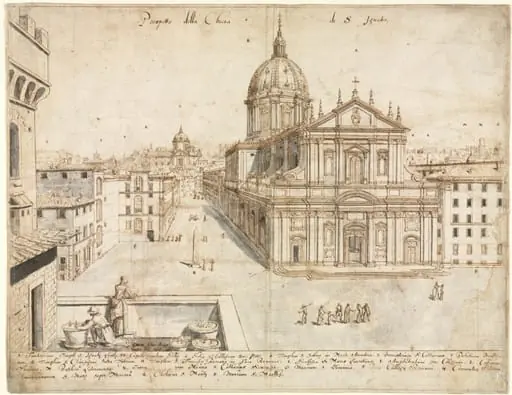 Eighteen Views of Rome: The Church of Sant'Ignazio
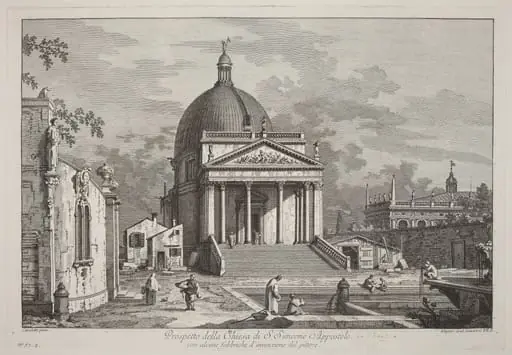 Prospetto della Chiesa di S. Simeone Appostolo
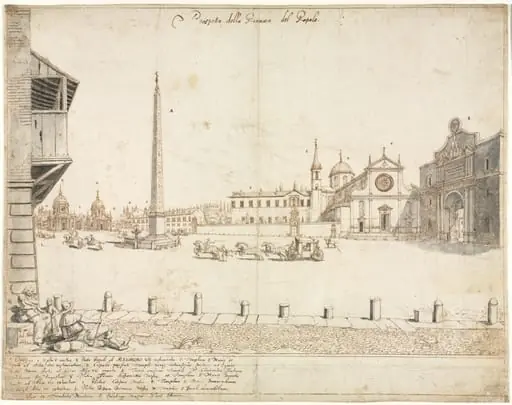 Eighteen Views of Rome: The Piazza del Popolo (recto)
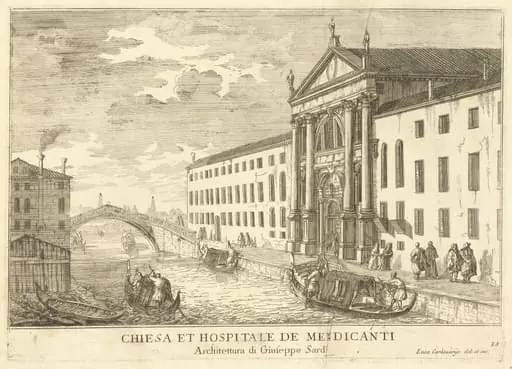 Chiesa et Hospitale de Mendicanti (plate 35)
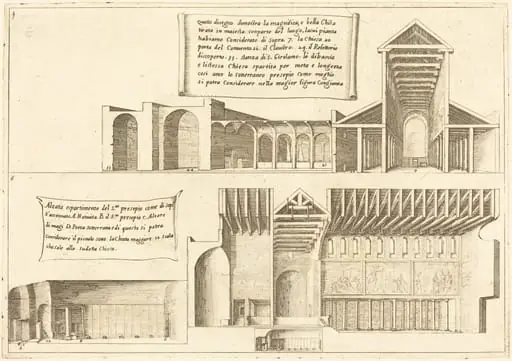 Elevation of Churches including the Holy Manger