Artwork
The Triumph of the Virgin
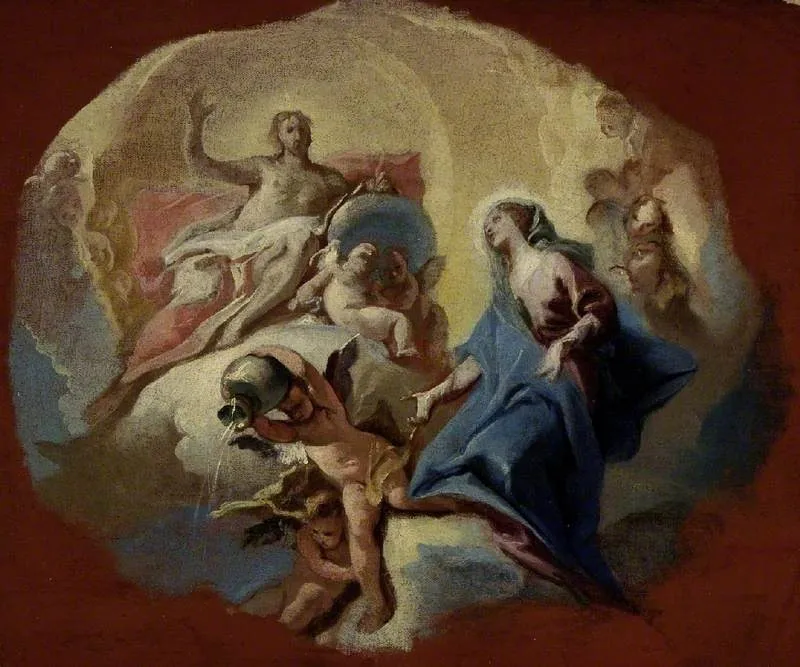
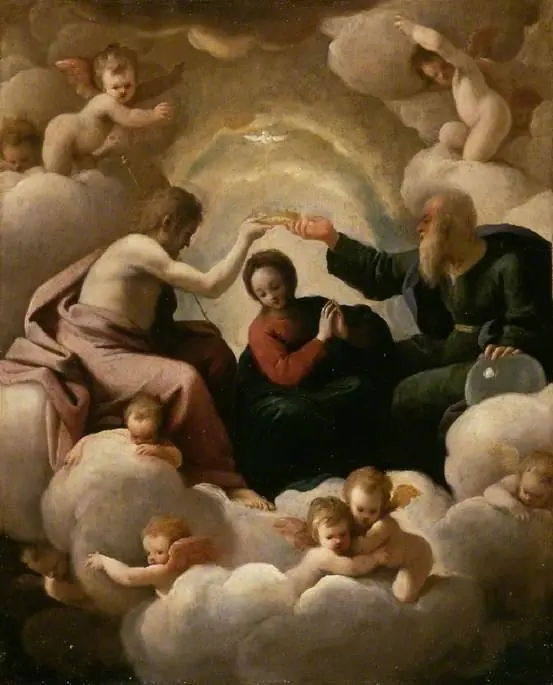
The Triumph of the Virgin is an oil painting by Carlo Carlone. It dates from 1736 and is held in the collection of the Fitzwilliam Museum.
About this work
Overview
Created circa 1736, *The Triumph of the Virgin* is an oil painting by the Italian artist Carlo Innocenzo Carlone, who worked primarily within the Holy Roman Empire. The composition places the Virgin Mary at its heart, elevated on a luminous cloud and surrounded by a host of angels and saints. The work is part of the Fitzwilliam Museum’s permanent collection.
Subject & Meaning
The central figure is the Virgin Mary, robed in deep blue and a white veil, her hands joined in prayer. A radiant halo crowns her head, emphasizing her sanctity. Around her, celestial beings occupy similar cloud platforms, suggesting a heavenly procession that celebrates her role within Christian theology and conveys an atmosphere of reverent tranquility.
Technique & Style
Carlone employed oil on canvas to achieve a rich palette and subtle modeling of forms. His brushwork renders the clouds with a soft, atmospheric quality, while the figures display the dynamic movement typical of his decorative frescoes. The interplay of light and shadow creates depth, and the vivid coloration underscores the Baroque sensibility of drama and devotion.
History & Provenance
The painting entered the Fitzwilliam Museum’s holdings after being acquired in the early twentieth century, though the exact circumstances of its purchase remain undocumented. Carlone, known for large-scale religious frescoes, produced relatively few easel works; this piece offers insight into his approach to narrative composition beyond mural contexts.
Artist & collection
Artist
Carlo Innocenzo Carlone or Carloni (1686–1775) was an Italian painter and engraver, active especially in the Holy Roman Empire.

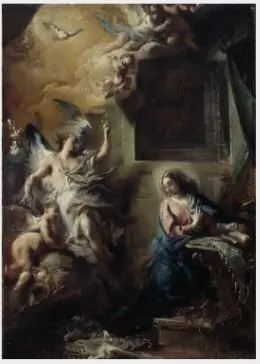
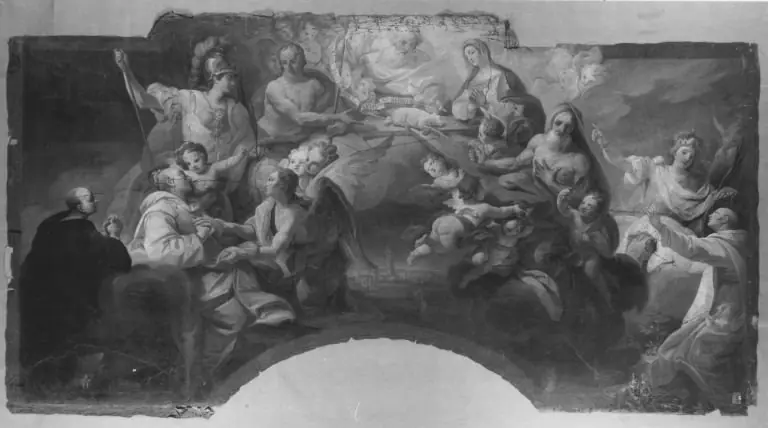
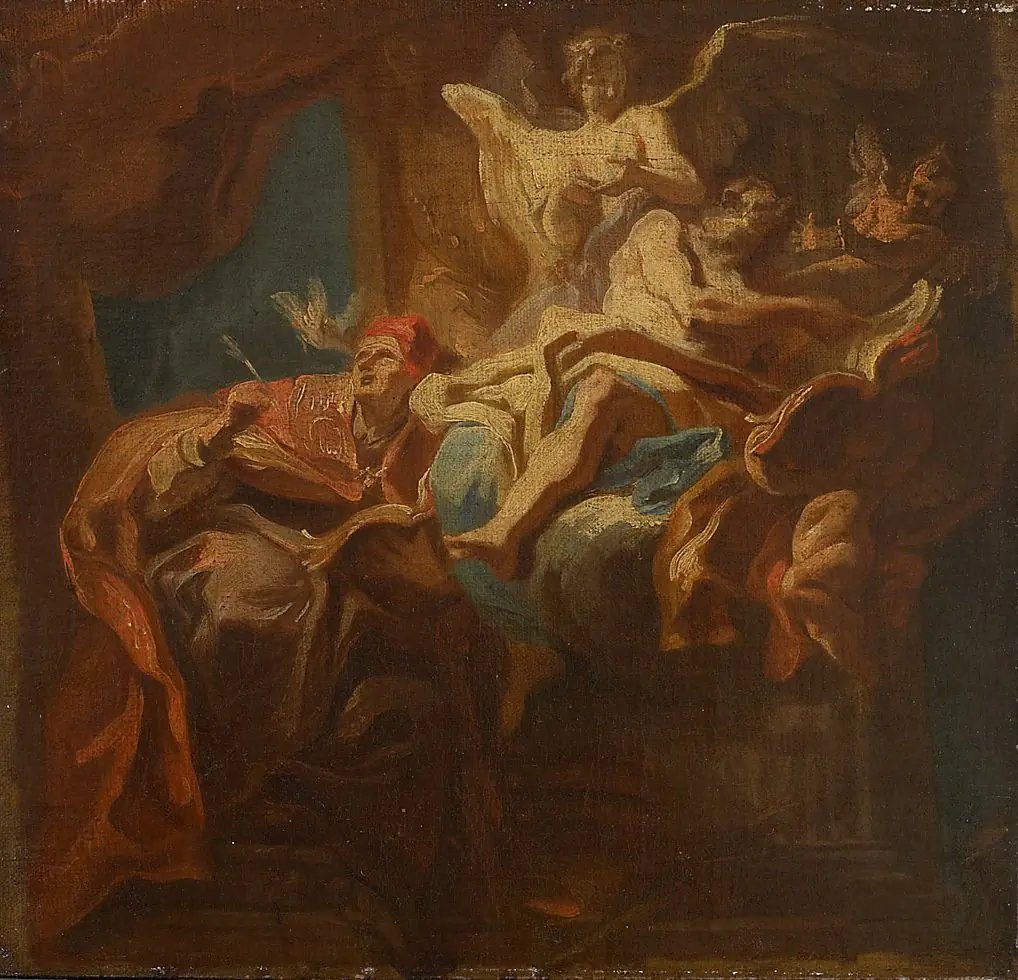
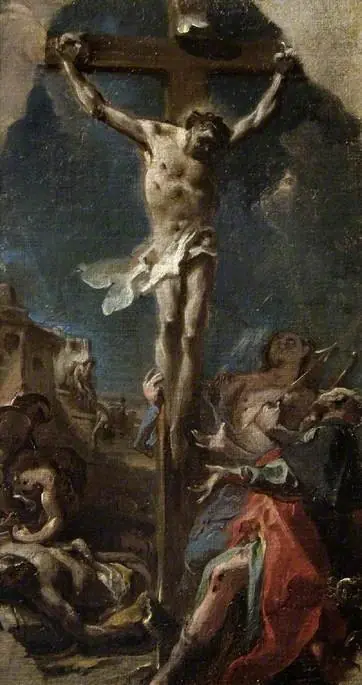
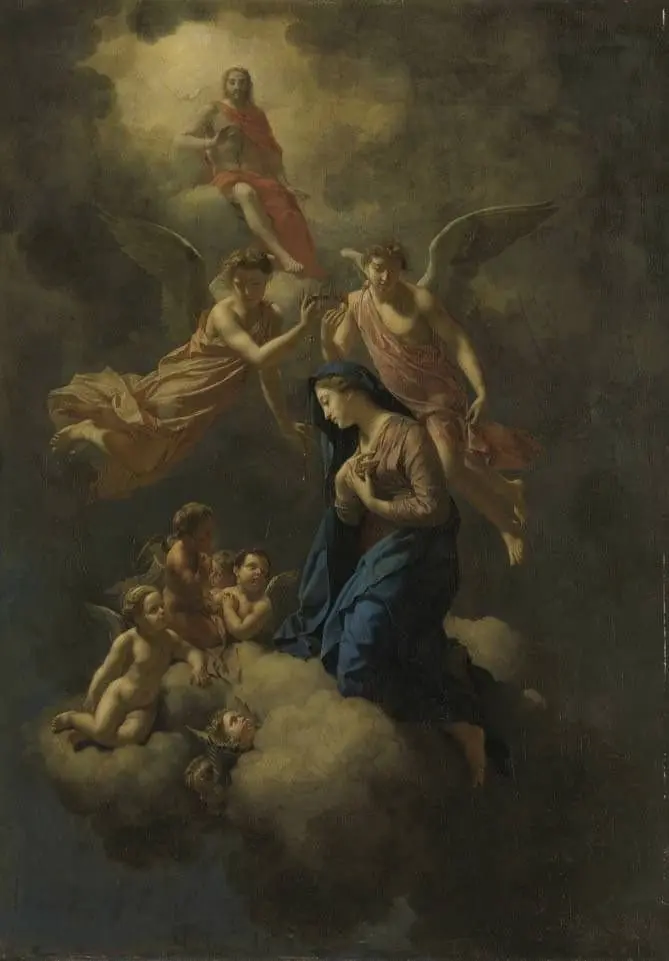 Coronation of the Virgin
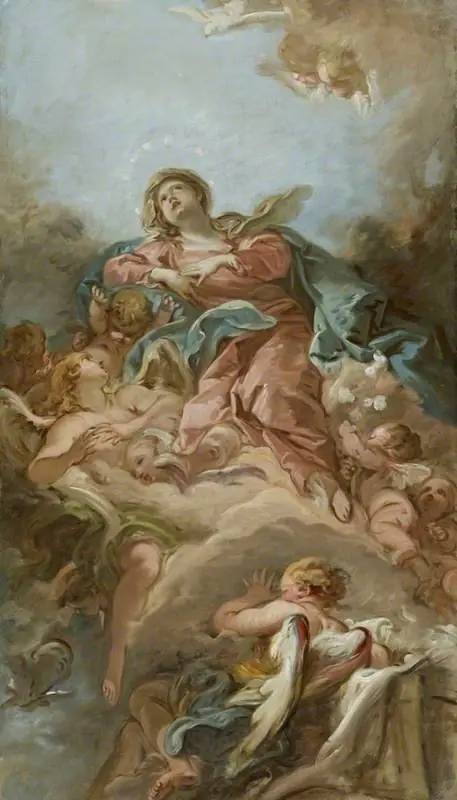 The Assumption of the Virgin
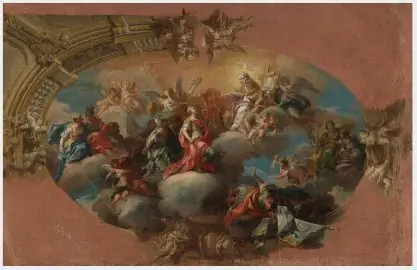 The Glorification of Saint James the Great
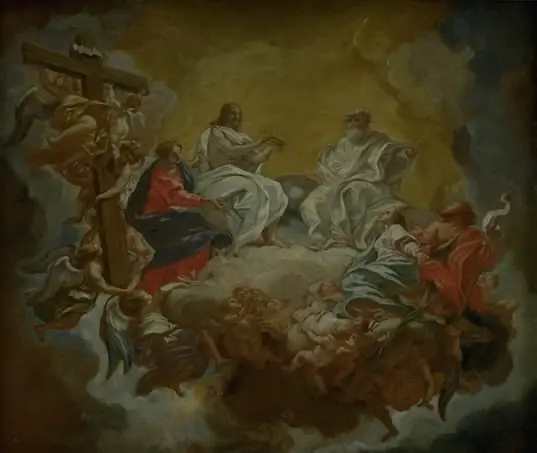 St Agnes in Glory
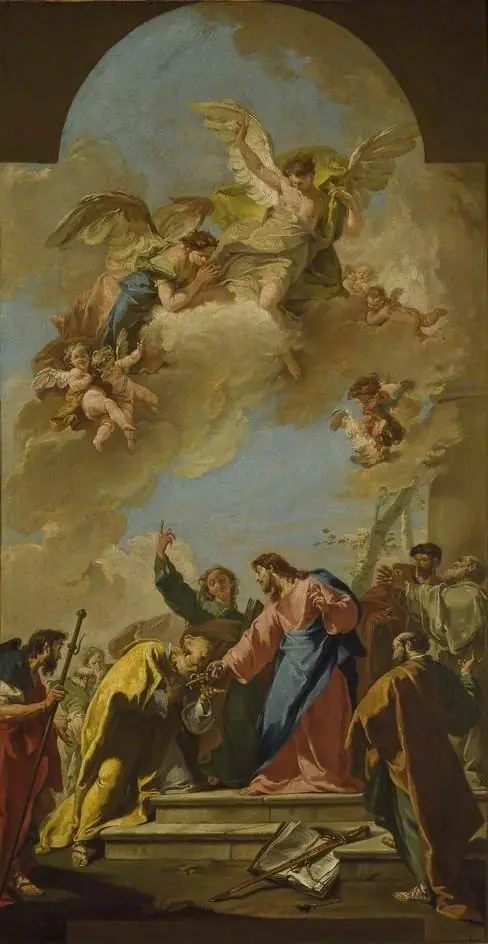 Christ's Charge to St Peter
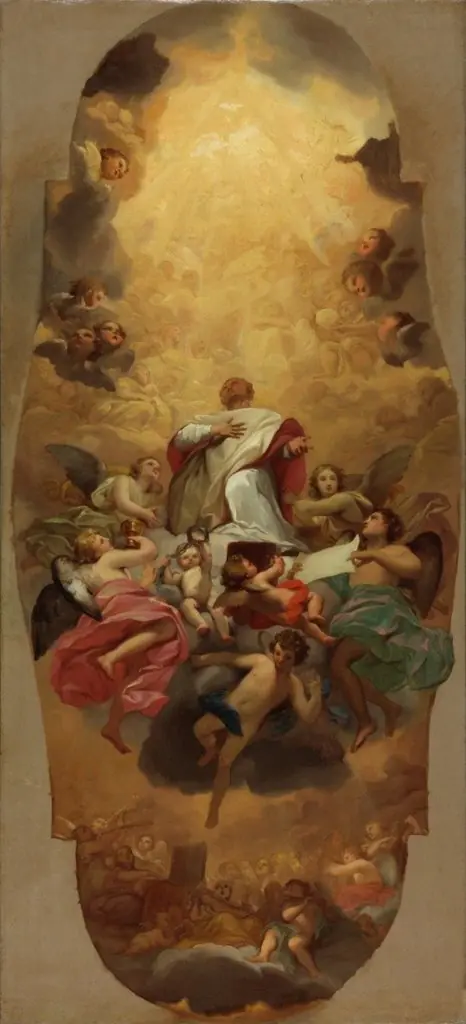 The Glory of St. Eusebius of Rome
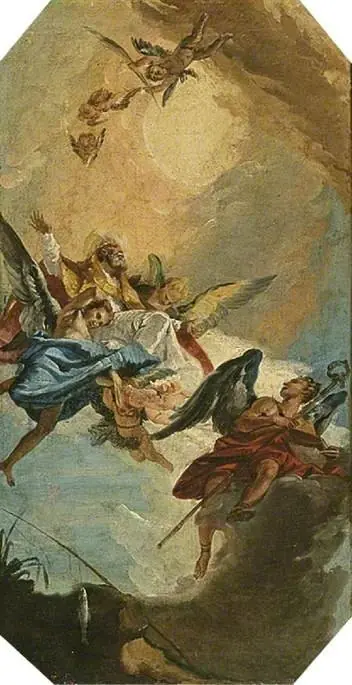 The Apotheosis of St Zeno
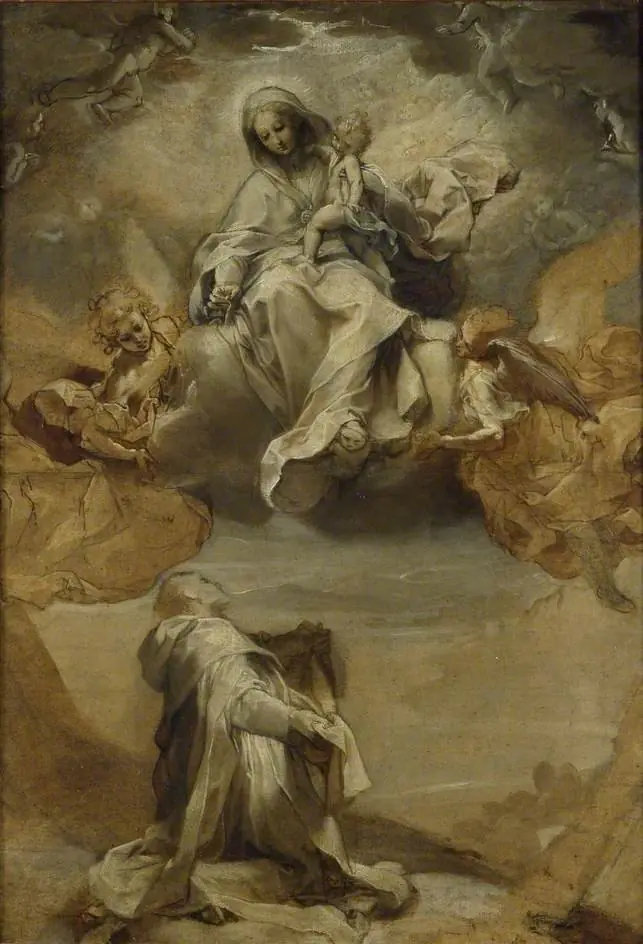 St Dominic de Guzmán receiving the Rosary
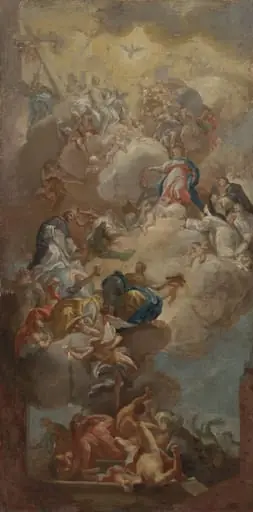 The Glorification of Saint Dominic
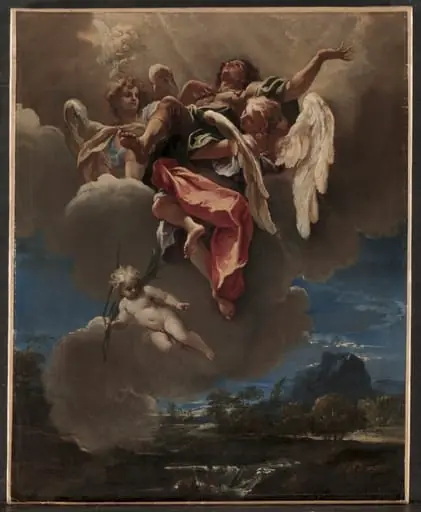 Study for "An Apotheosis of a Saint" (for San Bernardino dei Morti, Milan)
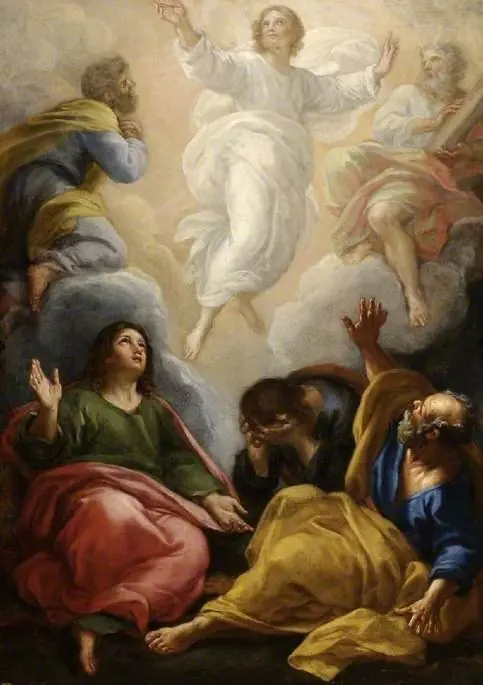 The Transfiguration
 The Coronation of the Virgin