Artwork
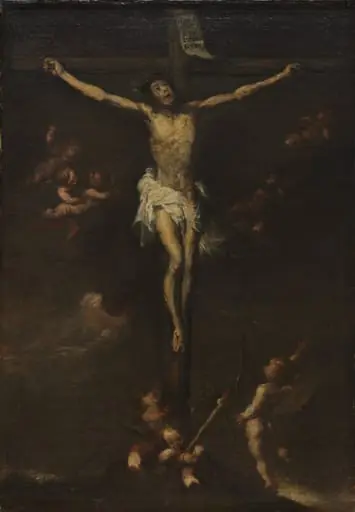
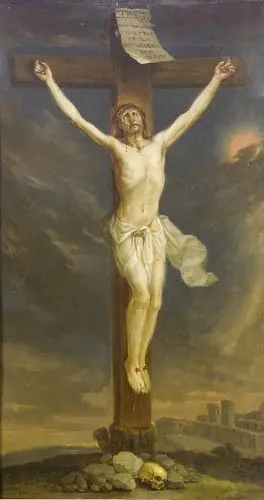
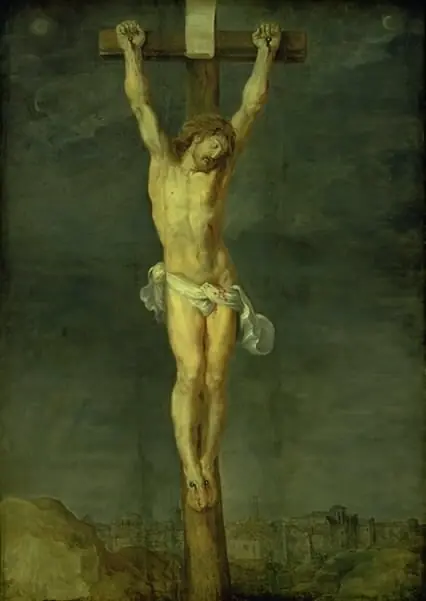
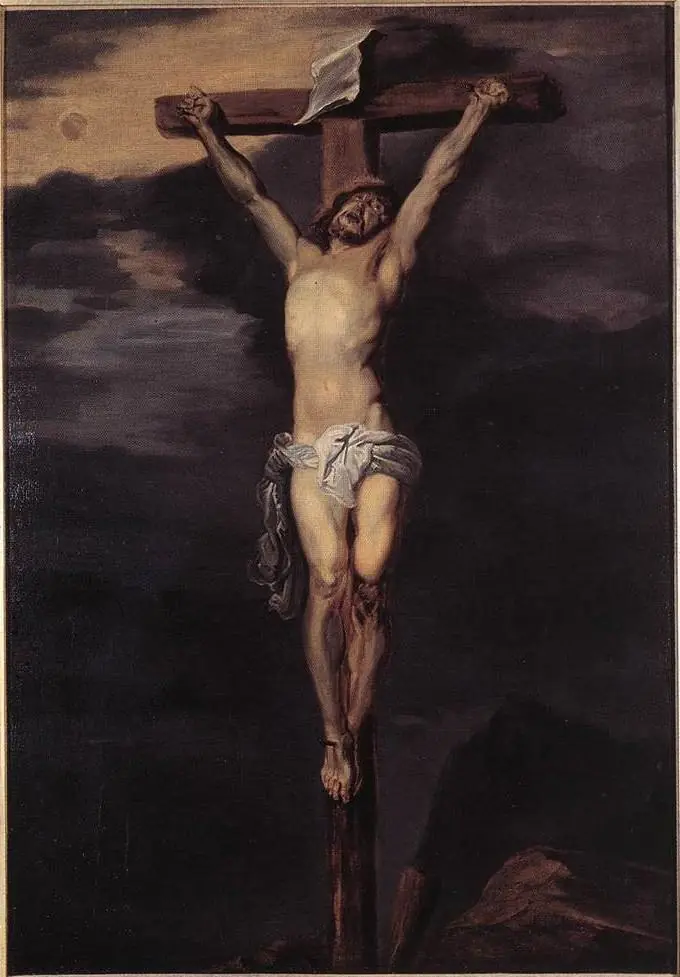
The Crucifixion with St Roch and St Sebastian
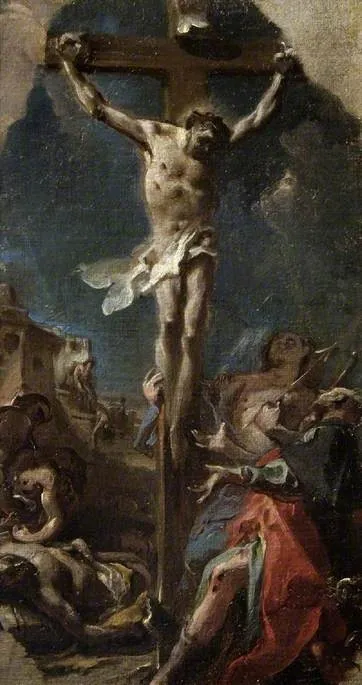
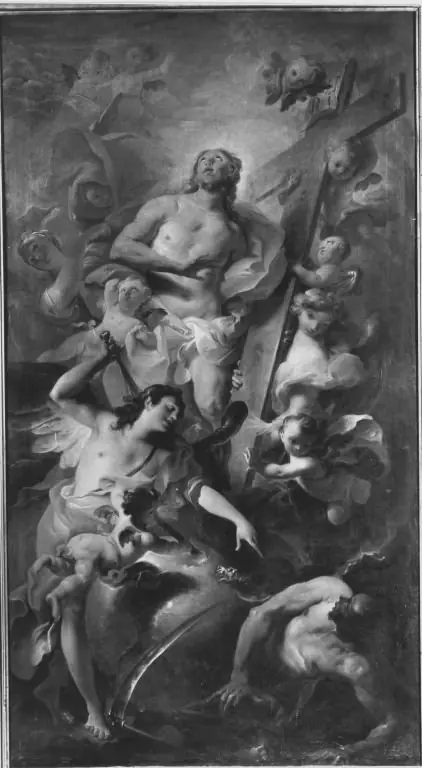
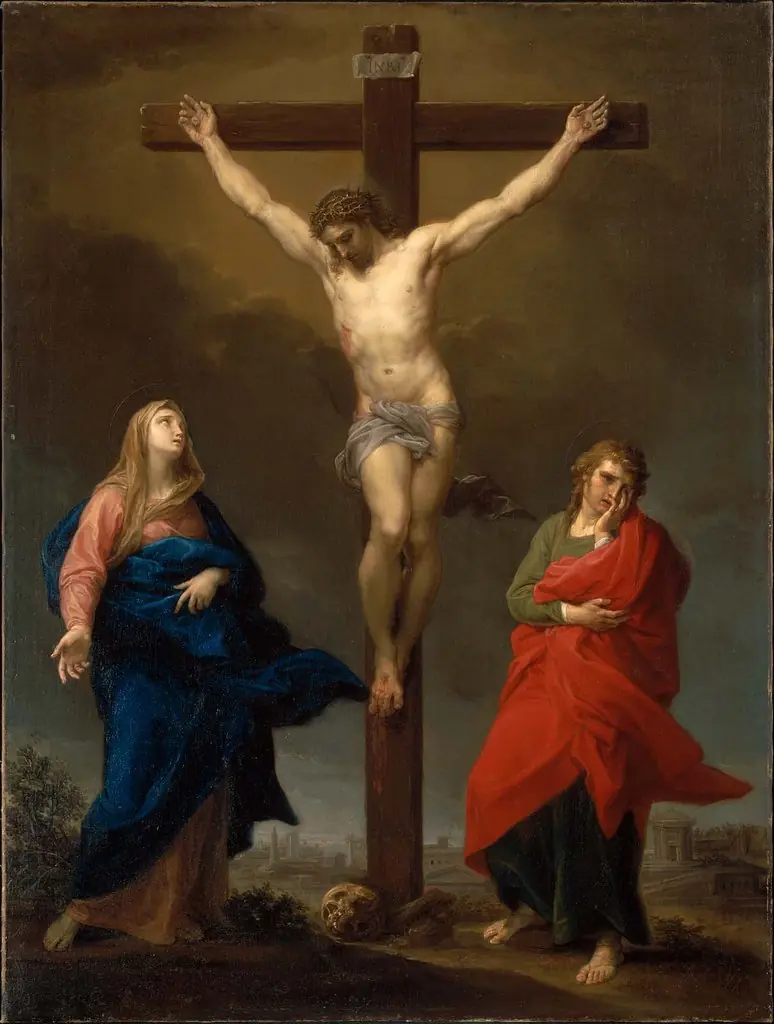
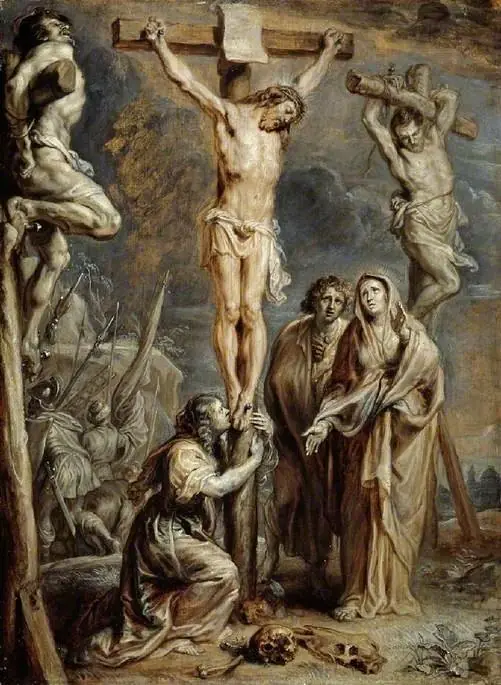
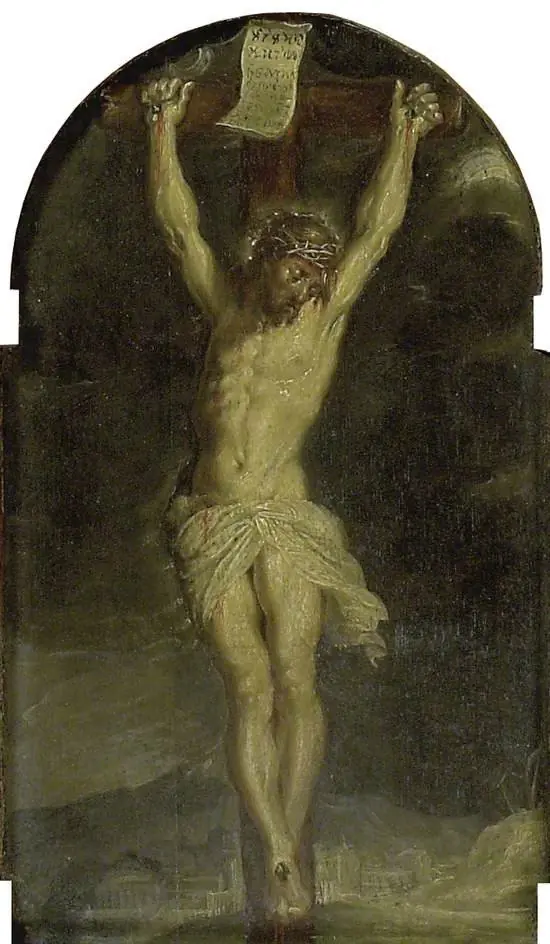
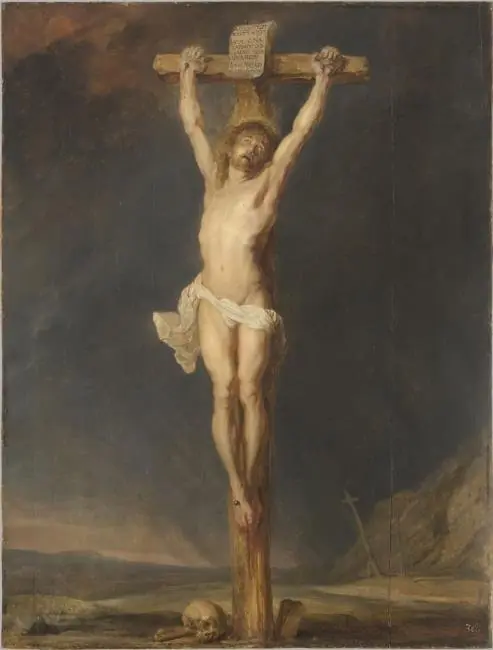
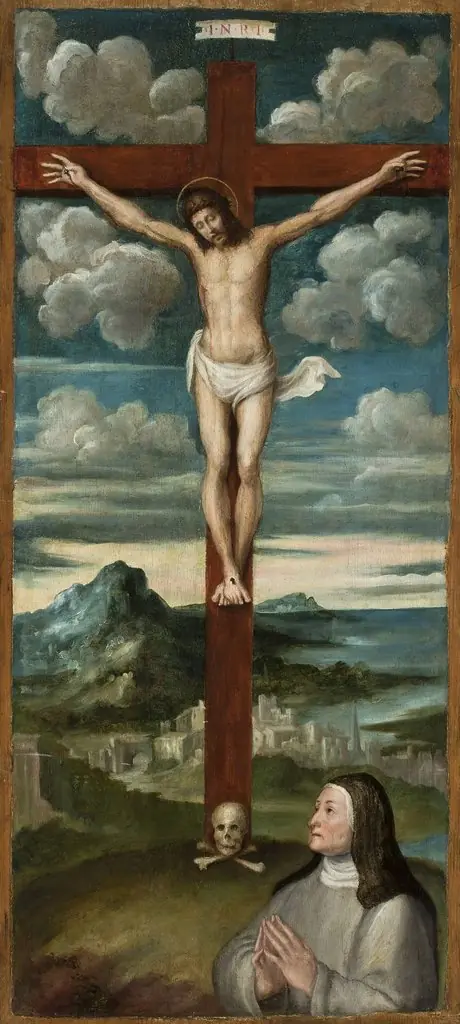
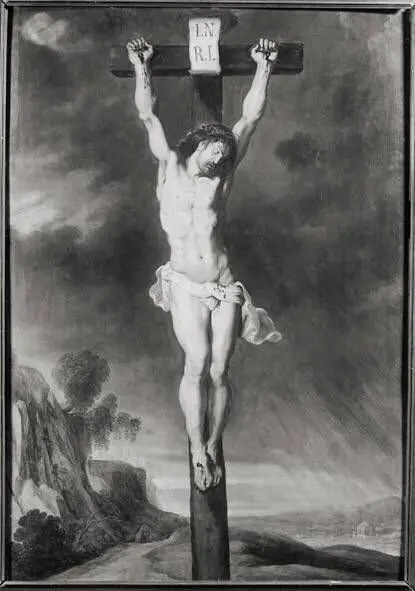
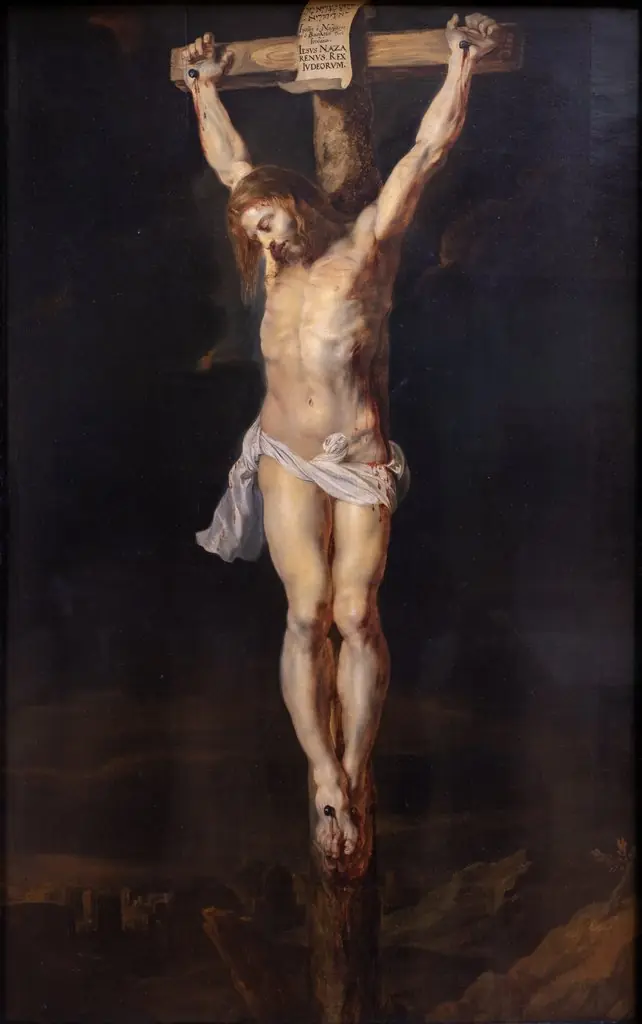
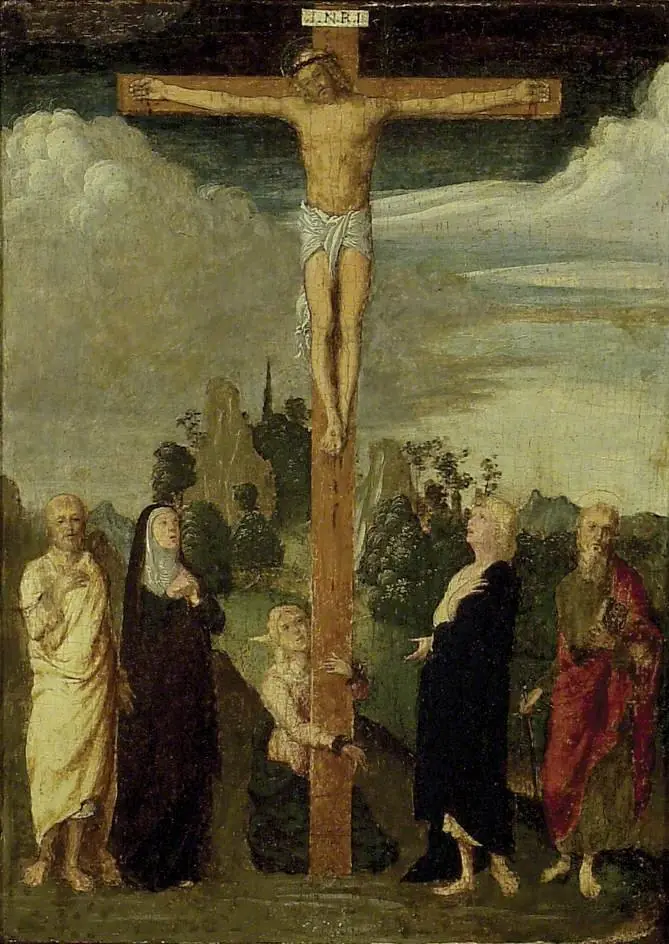
The Crucifixion with St Roch and St Sebastian is an oil painting by the Rococo painting artist Carlo Carlone. It dates from 1755 and is held in the collection of the Fitzwilliam Museum. Painted in 1755 by Carlo Innocenzo Carlone, this oil-on-canvas work presents a religious scene centered on the Crucifixion.
About this work
Overview
The painting is part of the Fitzwilliam Museum’s collection, where it remains as an example of 18th-century devotional art produced beyond Italy’s borders.
Painted in 1755 by Carlo Innocenzo Carlone, this oil-on-canvas work presents a religious scene centered on the Crucifixion. Carlone, an Italian artist active within the Holy Roman Empire, employed the visual language of the Rococo period to convey spiritual gravity. The painting is part of the Fitzwilliam Museum’s collection, where it remains as an example of 18th-century devotional art produced beyond Italy’s borders.
Subject & Meaning
The composition centers on Christ on the cross, flanked by two saints interceding for the faithful. To the left, Saint Sebastian, marked by an arrow in his arm, symbolizes endurance through suffering. To the right, Saint Roch, identifiable by his pilgrim’s hat and leg wound, represents protection against plague. Their presence transforms the scene from a solitary sacrifice into a plea for divine mercy, reflecting contemporary fears of epidemic and the role of saints as intermediaries.
Technique & Style
Carlone uses chiaroscuro to heighten emotional tension, contrasting the dim, brooding sky with the illuminated figure of Christ. The figures are rendered with soft modeling typical of Rococo sensibility, yet the dramatic lighting introduces a gravity uncommon in lighter Rococo works. Background architecture is rendered in muted tones, drawing focus to the central group while grounding the scene in a tangible, earthly space.
History & Provenance
Commissioned likely for a devotional setting, the painting entered the Fitzwilliam Museum’s collection in the 19th century. Its journey from its original context to Cambridge remains undocumented, but its survival suggests continued appreciation for its spiritual and aesthetic qualities. No significant alterations or restorations are recorded, preserving Carlone’s original composition and tonal balance.
Context
Created during a period when plague outbreaks still haunted European communities, the inclusion of Saint Roch—patron of plague victims—reflects a societal need for spiritual reassurance. The Rococo style, often associated with elegance and ornament, here serves a solemn function, revealing how religious themes could adapt to prevailing artistic trends without losing their devotional weight.
Legacy
Though not widely exhibited, the painting contributes to understanding how regional artists in the Holy Roman Empire interpreted Italian religious iconography through local stylistic lenses. It stands as a quiet testament to the persistence of devotional painting in the 18th century, bridging Baroque intensity and Rococo refinement without succumbing to either extreme.
Artist & collection
Artist
Carlo Innocenzo Carlone or Carloni (1686–1775) was an Italian painter and engraver, active especially in the Holy Roman Empire.