Artwork
Saint Catherine of Alexandria
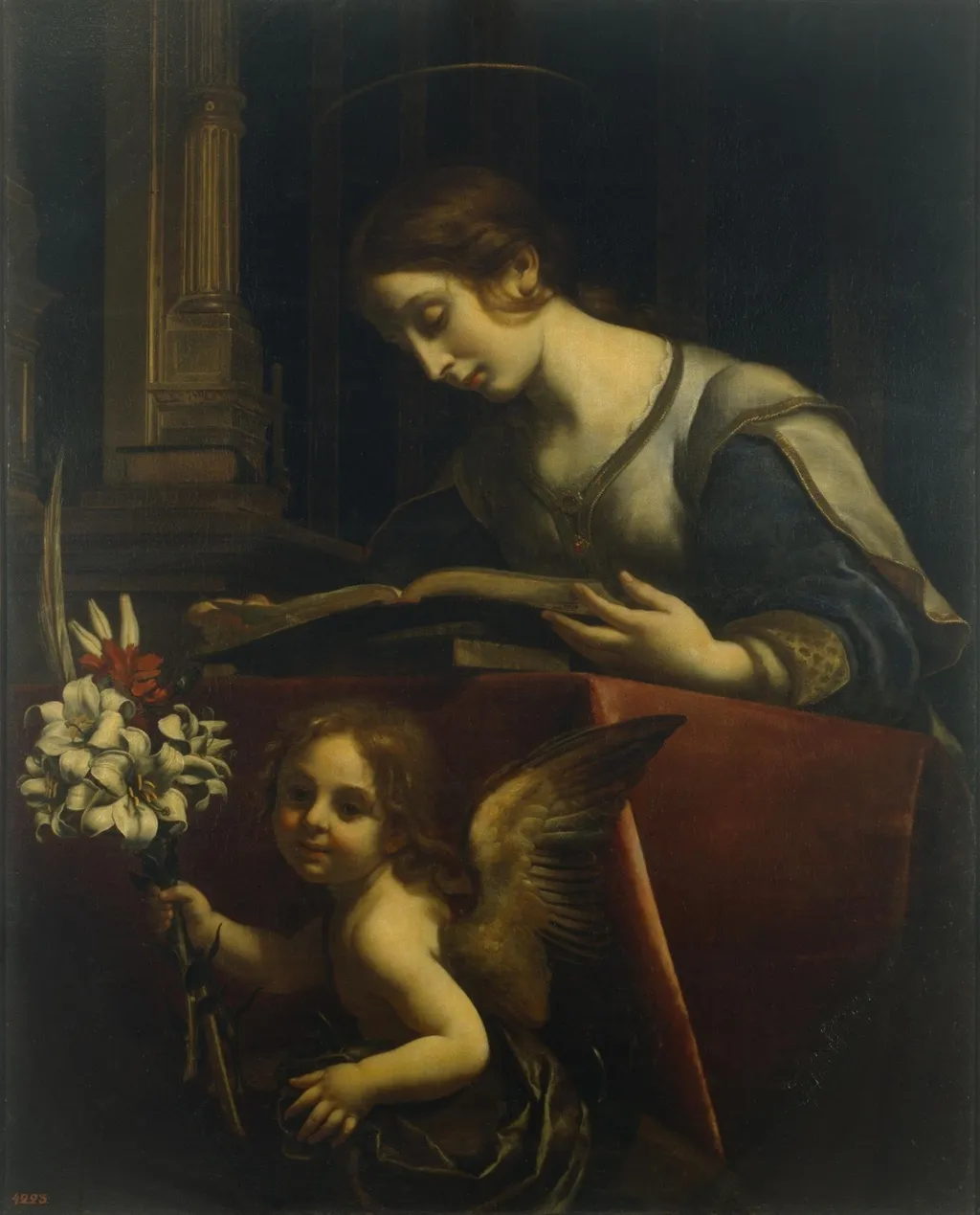
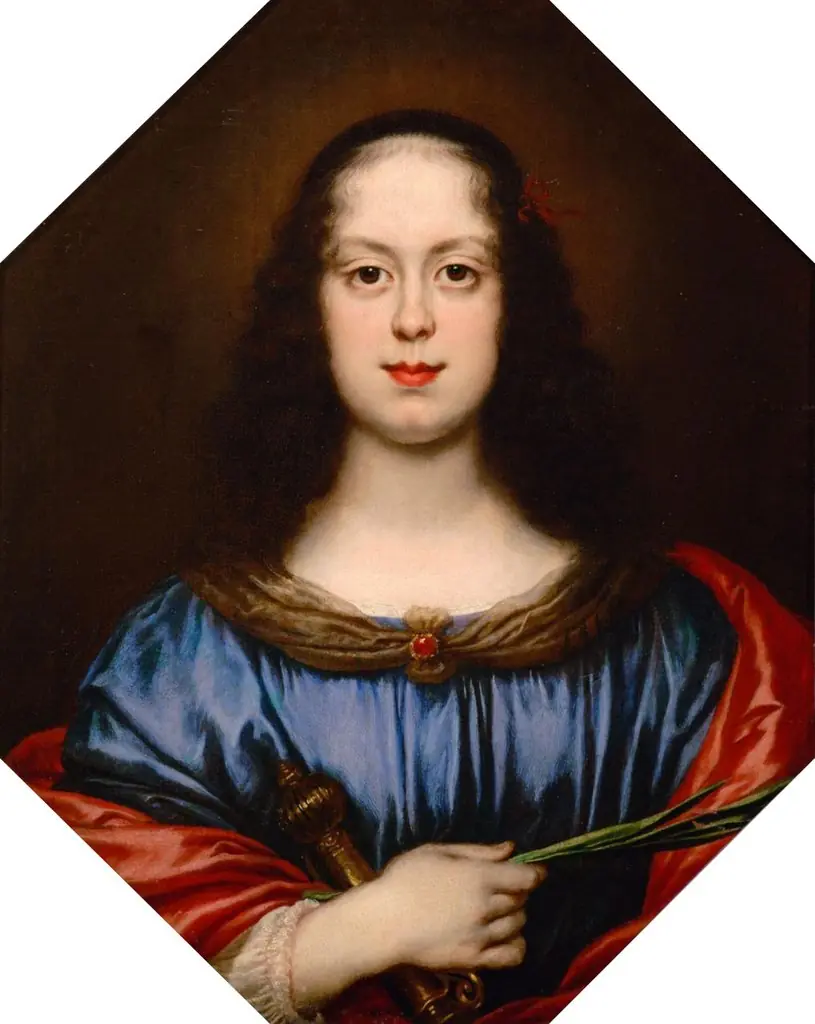
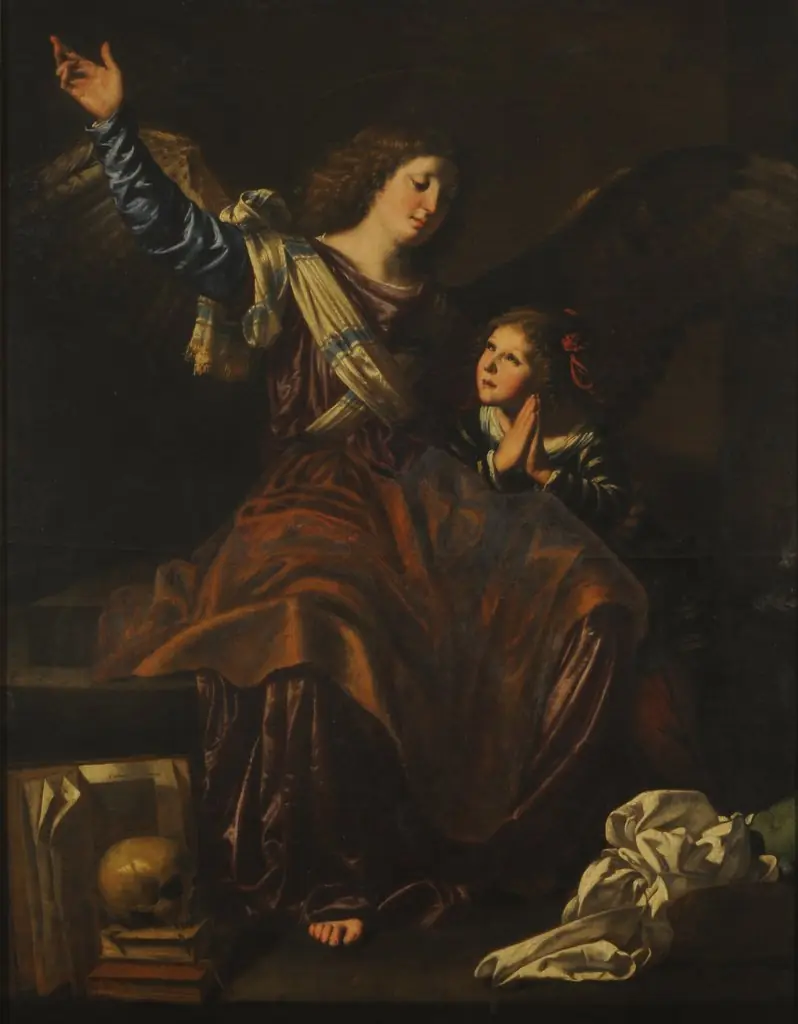
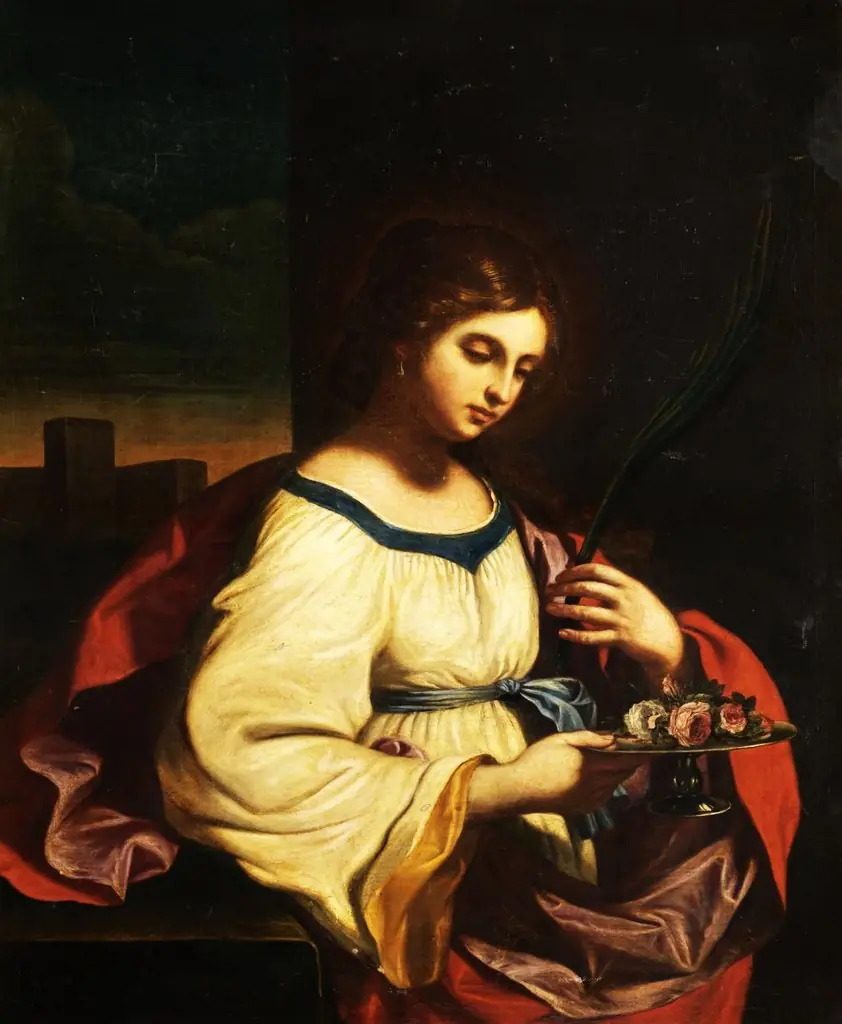
Saint Catherine of Alexandria is an oil painting by the High Baroque Italian artist Carlo Dolci. It is held in the collection of the Hermitage Museum.
About this work
Overview
Painted around 1690 by Carlo Dolci, this oil-on-canvas work portrays Saint Catherine of Alexandria, a Christian martyr and scholar.
Painted around 1690 by Carlo Dolci, this oil-on-canvas work portrays Saint Catherine of Alexandria, a Christian martyr and scholar. Dolci, a Florentine artist known for his refined devotional imagery, executed the piece with meticulous detail and quiet intensity. It is one of several versions he produced of this subject, reflecting his consistent thematic focus. The painting is now held in the State Hermitage Museum in Saint Petersburg.
Subject & Meaning
The figure represents Saint Catherine, identified by her attributes: the book symbolizing her scholarly wisdom, the wheel (implied by the column) referencing her martyrdom, and the angel offering flowers as a sign of divine favor. Her serene expression and composed posture convey spiritual contemplation rather than suffering. The halo confirms her sanctity, while the angel’s presence suggests heavenly recognition of her faith and intellect.
Technique & Style
Dolci employed a highly polished surface and subtle chiaroscuro to model the saint’s form with soft transitions between light and shadow. The blue robe and white cape are rendered with fine brushwork, emphasizing texture and volume without overt drama. The composition is tightly focused, eliminating distractions to heighten the sense of intimate devotion. The angel’s delicate features and the folded cloth add tactile realism to the otherwise austere setting.
History & Provenance
The painting entered the Hermitage collection in the 19th century, likely acquired during a period of expanded European art acquisitions by the Russian imperial court. While its exact path from Florence to Saint Petersburg is undocumented, its presence in the museum reflects 19th-century tastes for Italian Baroque devotional art. Dolci’s reputation as a meticulous religious painter ensured his works were sought after by collectors across Europe.
Context
In late 17th-century Florence, religious art remained central to artistic production, even as Baroque dynamism spread elsewhere. Dolci’s style stood apart—rejecting theatricality in favor of serene, almost meditative piety. His works catered to private devotion and ecclesiastical patrons who valued emotional restraint and technical precision over grandeur. This painting reflects a counter-current to the more exuberant Roman Baroque of the time.
Legacy
Dolci’s approach influenced later generations of Italian painters who favored quiet religiosity, though his work fell out of favor in the 19th century with the rise of Romanticism and modernism. Today, his paintings are valued for their technical discipline and historical insight into Counter-Reformation spirituality. This piece remains a representative example of Florentine devotional art at its most restrained and deliberate.
Own this work as a print
Artist & collection
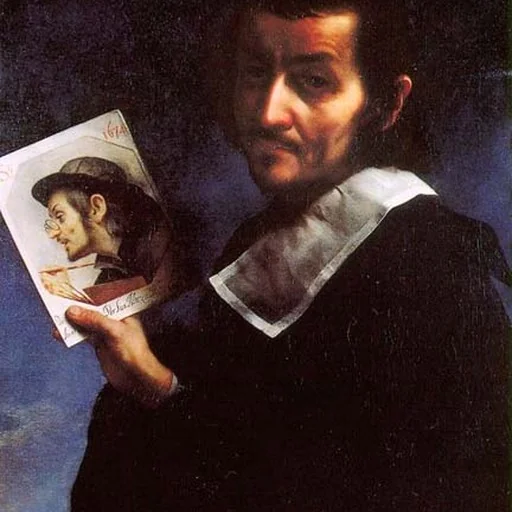
Artist
Carlo (or Carlino) Dolci (25 May 1616 – 17 January 1686) was an Italian Baroque painter active mainly in Florence, known for highly finished religious pictures, often repeated in many versions.