Artwork
The Annunciation
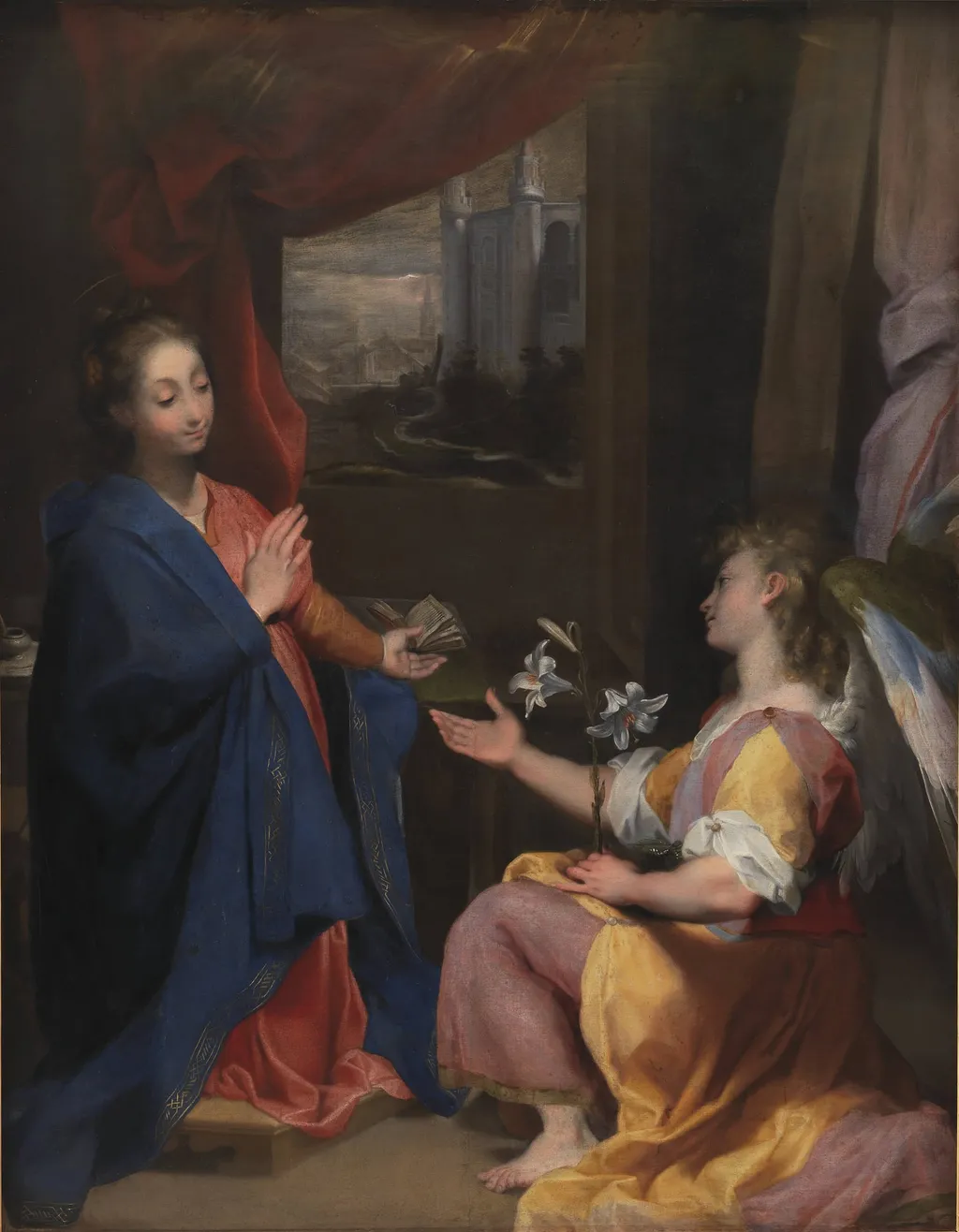
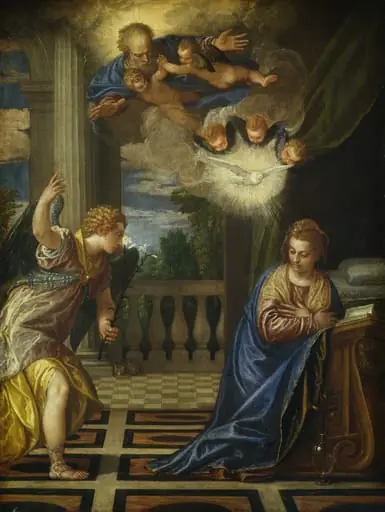
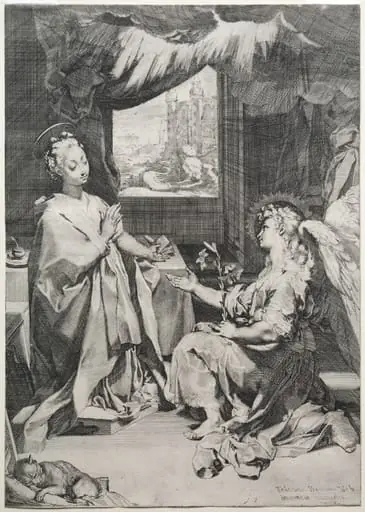
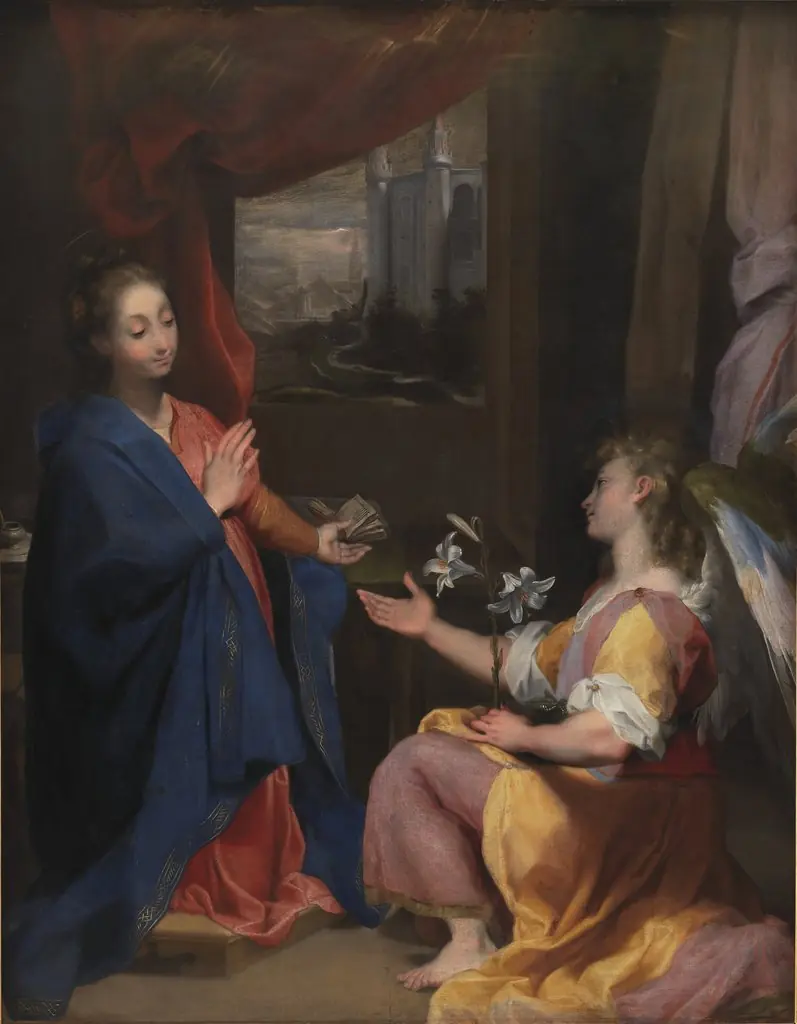
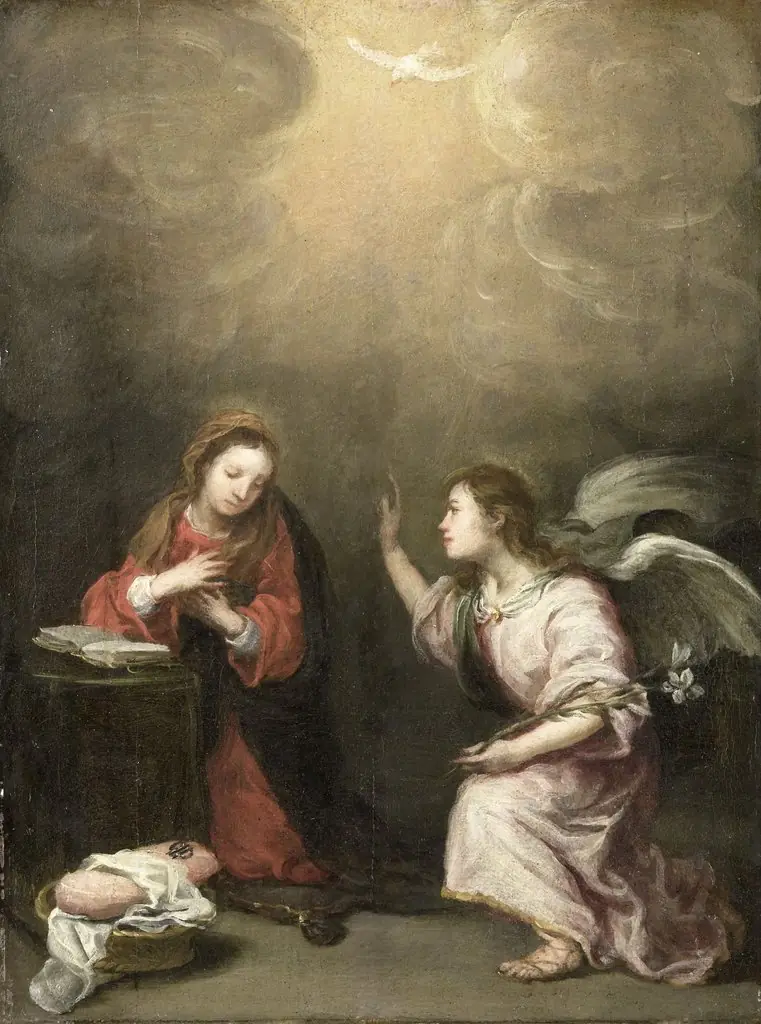
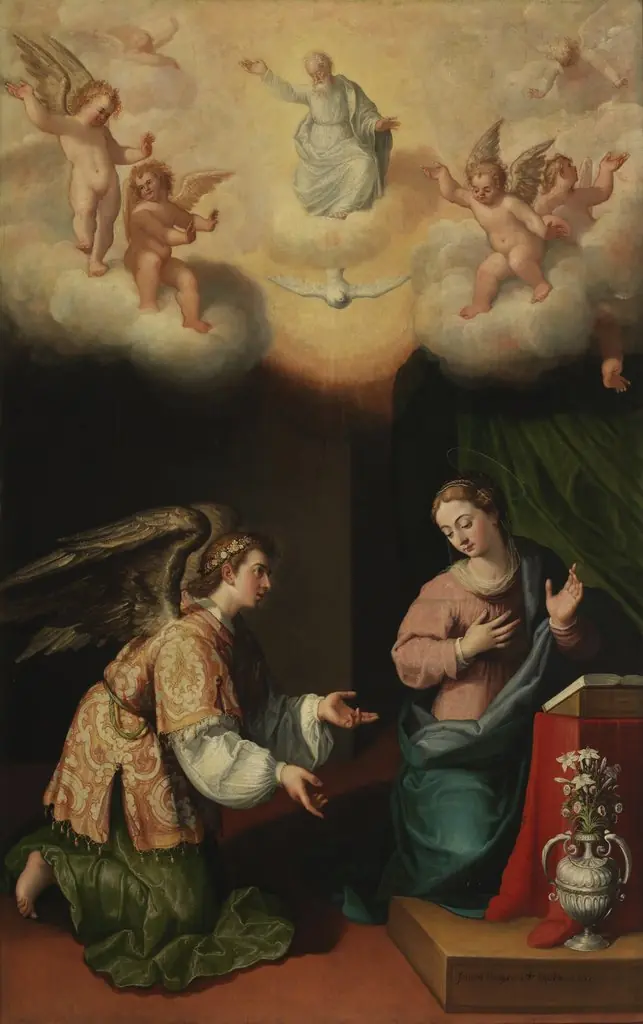
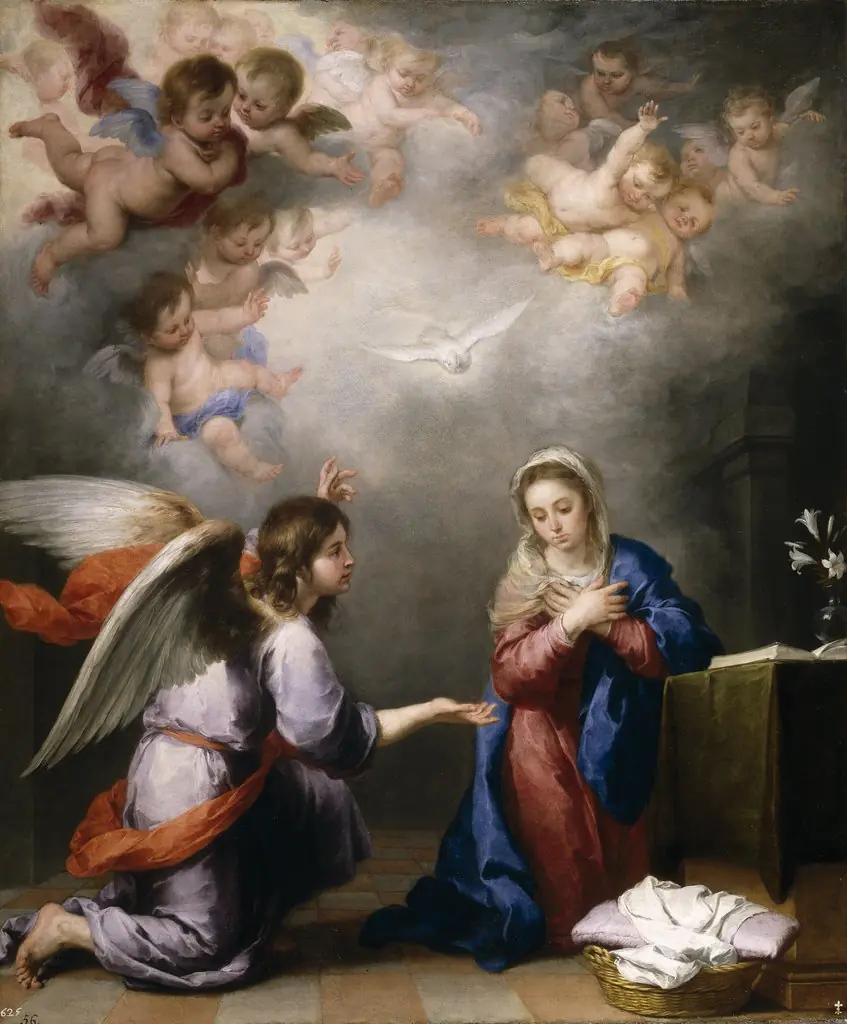
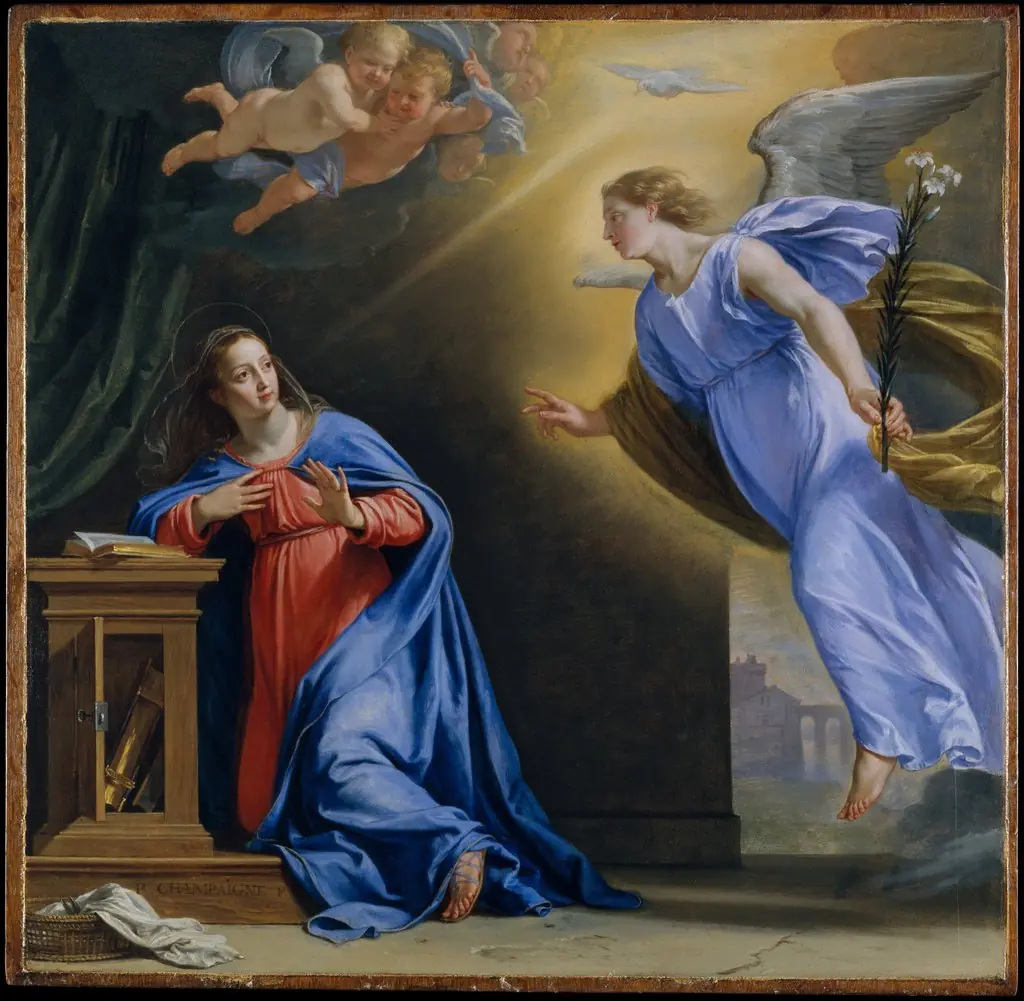
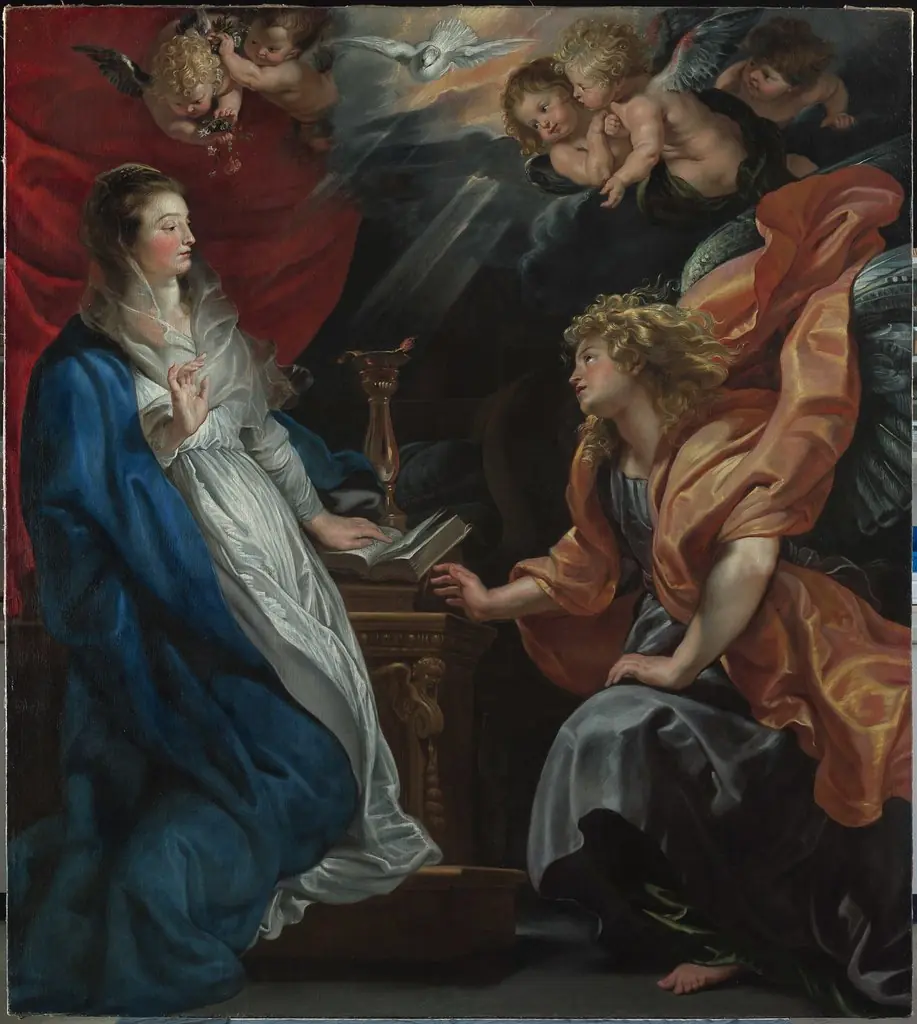
The Annunciation is a photography by Unknown. It dates from 1550 and is held in the collection of the Statens Museum for Kunst. Painted around 1550, this work depicts the biblical moment when the angel Gabriel announces to Mary that she will bear the Son of God.
About this work
Overview
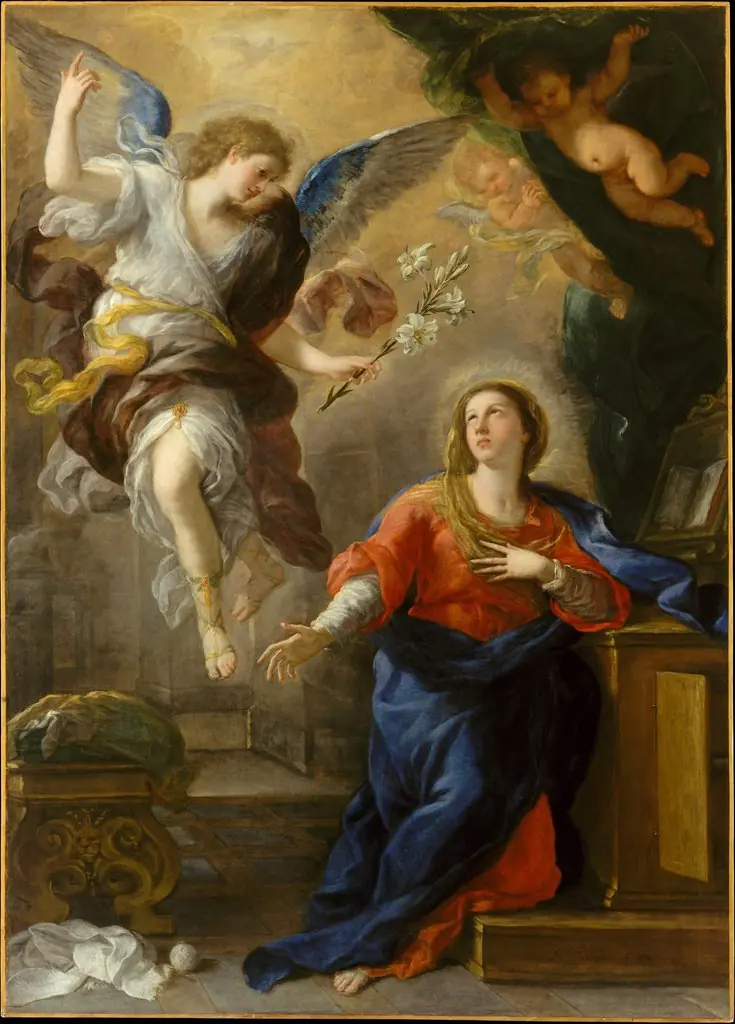
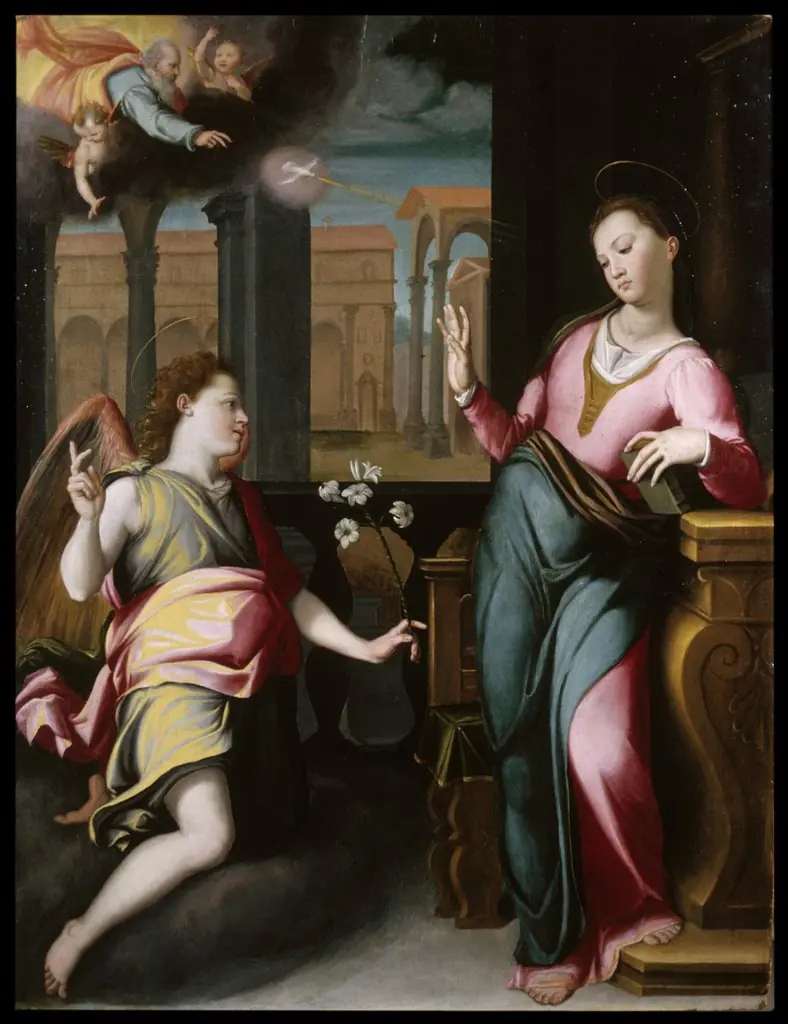
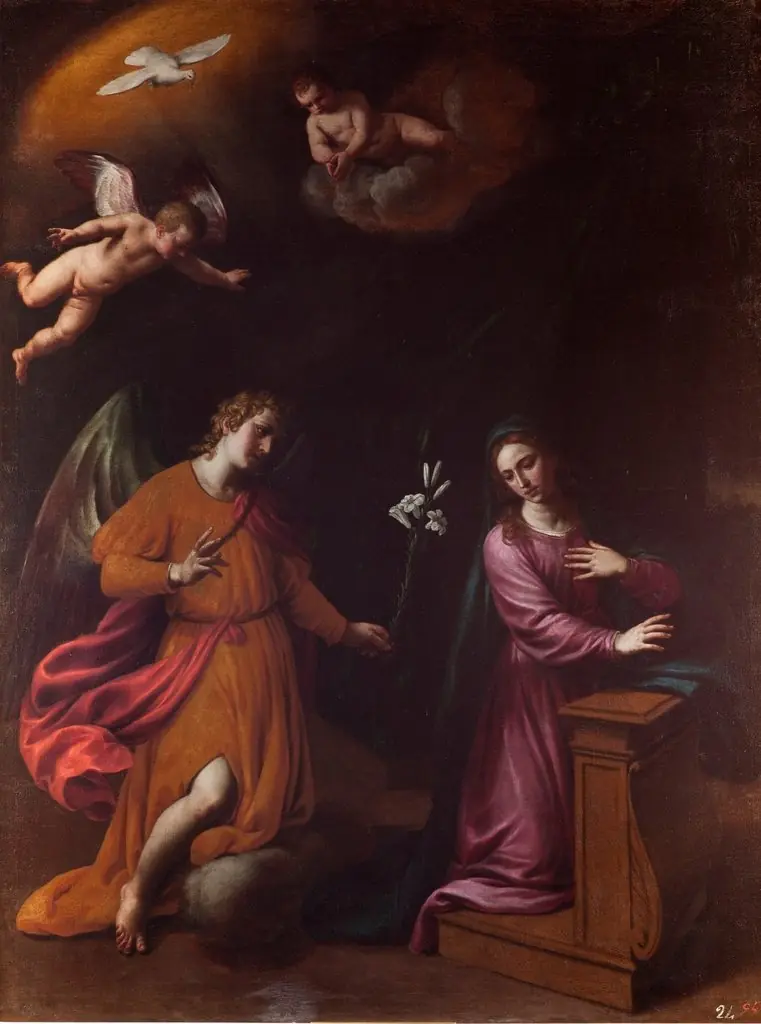
Painted around 1550, this work depicts the biblical moment when the angel Gabriel announces to Mary that she will bear the Son of God.
Painted around 1550, this work depicts the biblical moment when the angel Gabriel announces to Mary that she will bear the Son of God. Executed in tempera or oil on panel, it is currently held in the collection of the Museum of Ethnography. The composition follows traditional iconography of the Annunciation, with careful attention to symbolic elements and spatial arrangement, though the artist’s identity remains unconfirmed in documented records.
Subject & Meaning
The scene captures the Virgin Mary, identified by her blue mantle and modest posture, receiving the divine message. Her raised hand suggests both surprise and acceptance, while the lily held by the angel symbolizes purity. The open book beside her alludes to her devotion and knowledge of scripture. The faint architectural outline behind them may reference the sacred space of her home, grounding the supernatural event in an earthly setting.
Technique & Style
The painting employs a restrained palette dominated by deep blues and reds, with the angel’s wings rendered in delicate gradations of gold and white. Facial expressions are calm and idealized, typical of late medieval devotional art. The background is muted and shadowed, focusing attention on the figures. Drapery is rendered with linear precision, emphasizing volume without overt naturalism, reflecting a style rooted in earlier Byzantine traditions.
History & Provenance
The painting entered the Museum of Ethnography’s collection in the late 19th century, likely acquired during a period of increased interest in religious artifacts from Southern Europe. Its origin is uncertain, though stylistic cues suggest a workshop in Italy or the southern Low Countries. No documentation exists regarding its commission or early ownership, and it has never been attributed definitively to a known master.
Context
Created during the height of the Counter-Reformation, such images reinforced Catholic teachings through visual devotion. The Annunciation was a popular subject in both public altarpieces and private prayer objects. This version, though modest in scale, aligns with devotional practices that emphasized Mary’s humility and obedience, serving as a model for faithful viewers in domestic or monastic settings.
Legacy
Though not widely exhibited or studied, the painting contributes to the understanding of regional religious art production in the mid-16th century. Its preservation in an ethnographic rather than fine arts museum reflects early collecting practices that valued cultural and ritual context over artistic fame. It remains a quiet example of how traditional iconography persisted in smaller, non-elite contexts beyond major artistic centers.
Artist & collection

 Domestic Scene
 Giacomo and Cardinal Marco, investing Andrea, Abbot of San Zeno, with his Benefice
 The Nymph of Fontainebleau
 Portrait of a Woman
 Madonna and Child with Saints in the Enclosed Garden
 Venus and Minerva
 Family Group of Four on Sofa
 Wall painting from Room H of the Villa of P. Fannius Synistor at Boscoreale