Artwork
The Annunciation
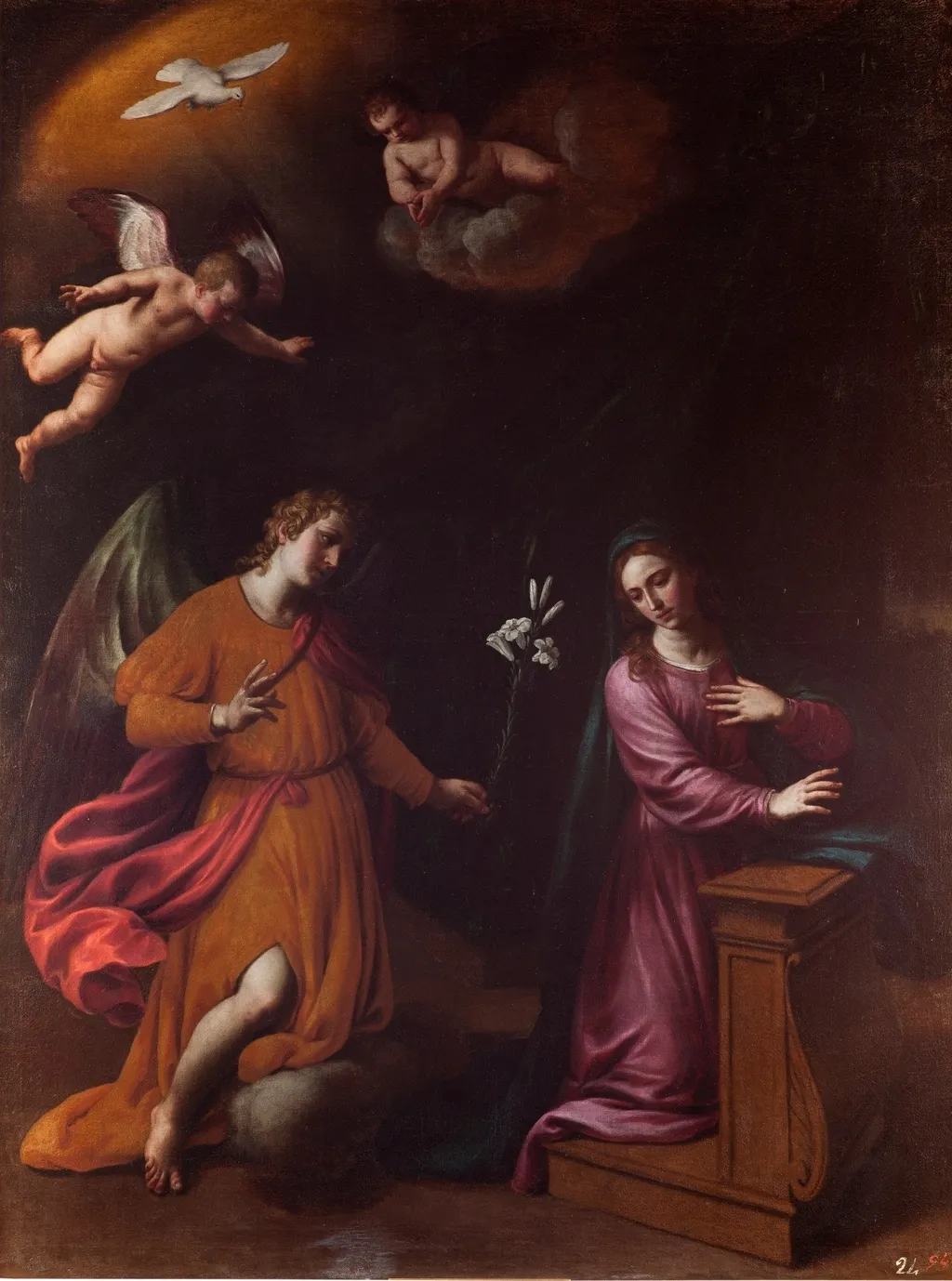
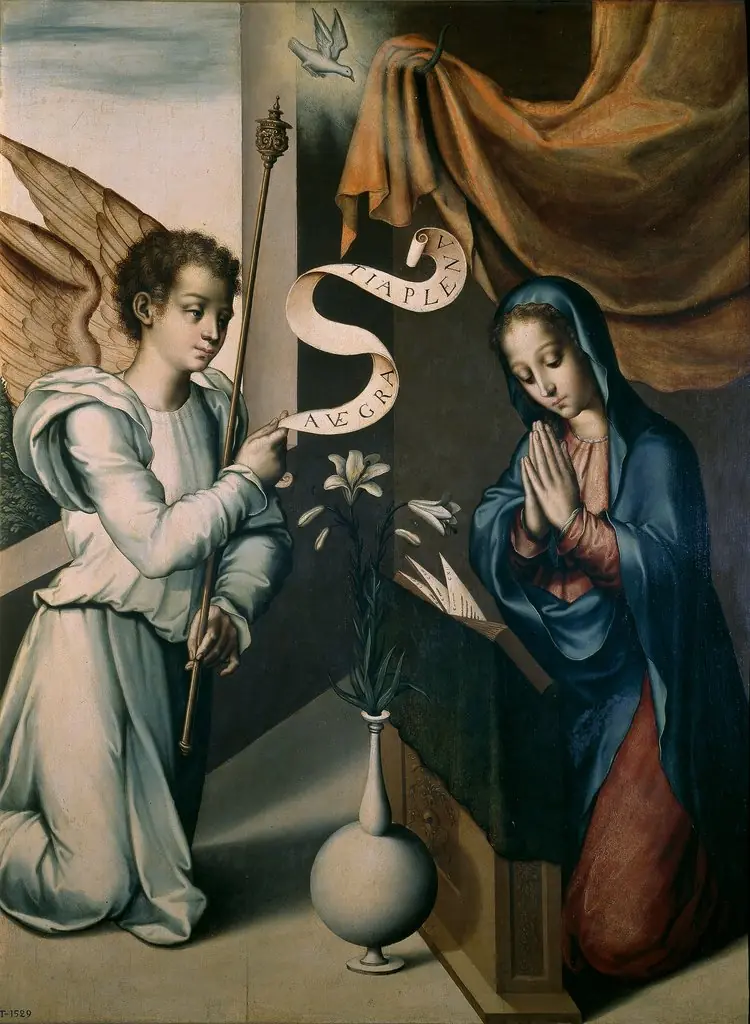
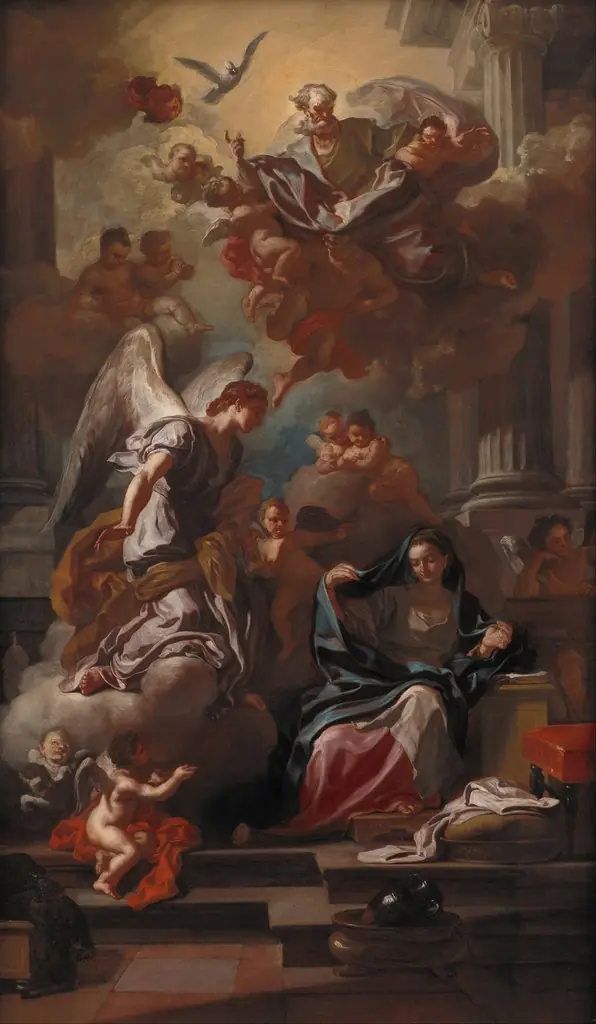
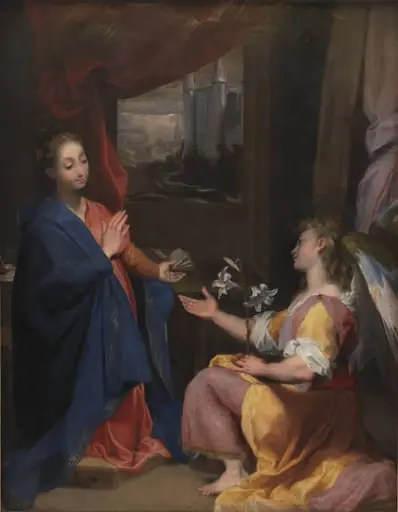
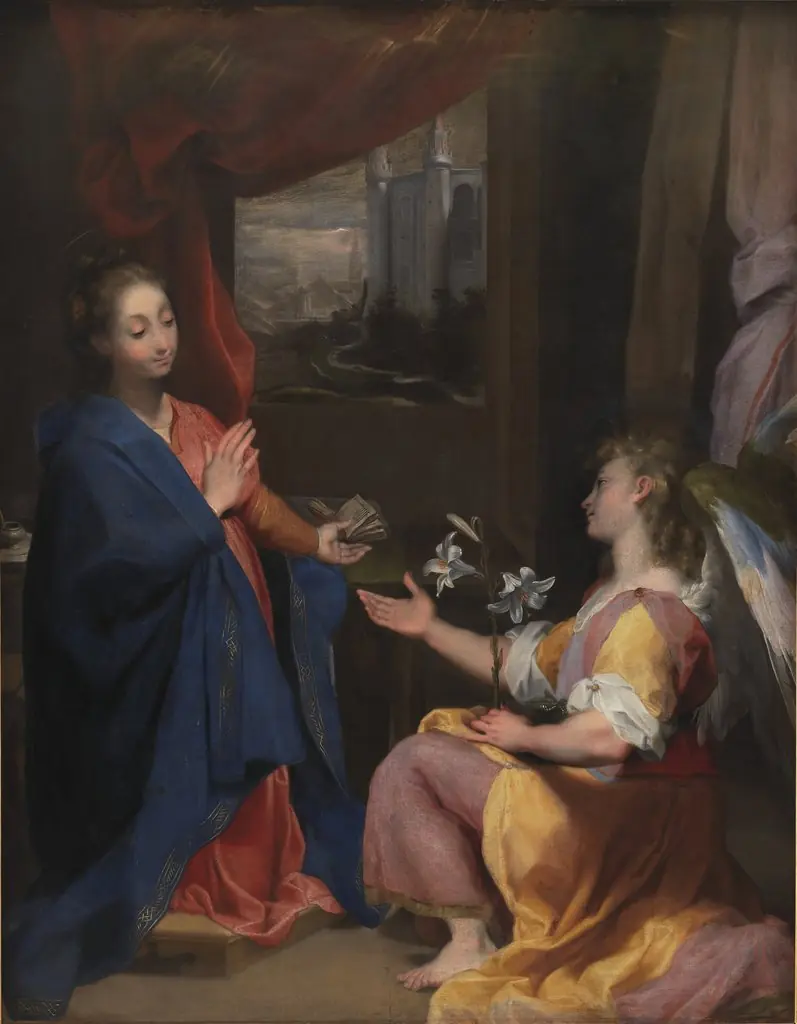
The Annunciation is an oil painting by the Early Baroque Italian artist Alessandro Turchi. It dates from 1631 and is held in the collection of the Museo del Prado.
About this work
Overview
Turchi, trained in Verona, later absorbed Roman influences, synthesizing local traditions with broader stylistic developments.
Alessandro Turchi, an Italian painter active in the early 17th century, created *The Annunciation* in 1631. Executed in oil, the work reflects the early Baroque period, characterized by dramatic lighting and emotional intensity. Turchi, trained in Verona, later absorbed Roman influences, synthesizing local traditions with broader stylistic developments. The painting remains part of the Museo del Prado’s holdings.
Subject & Meaning
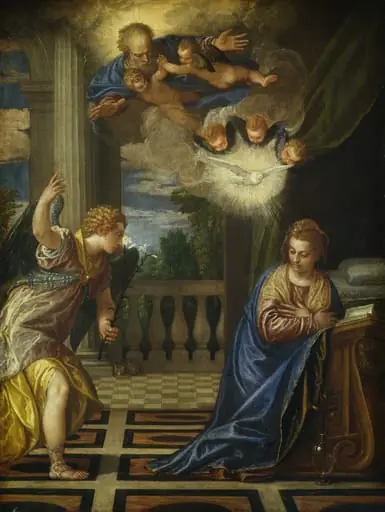
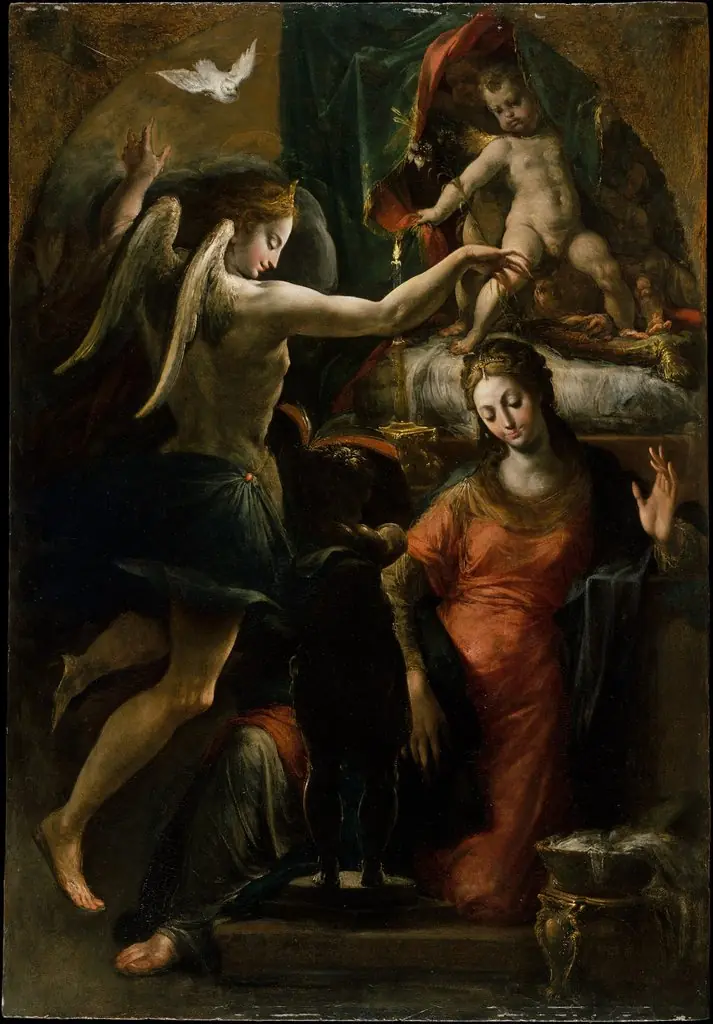
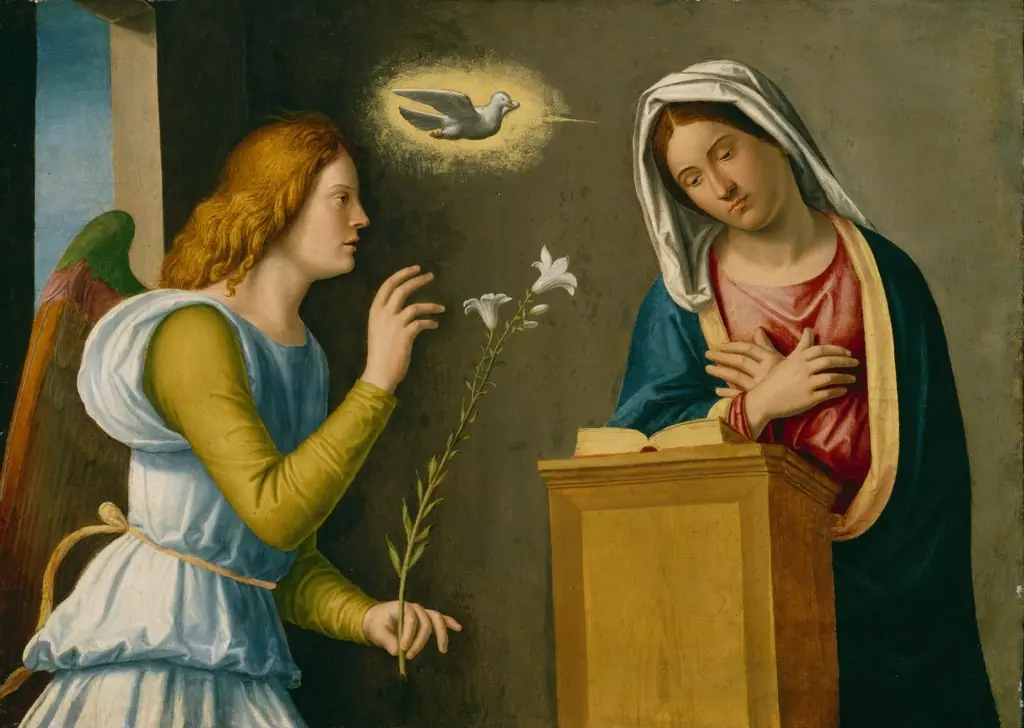
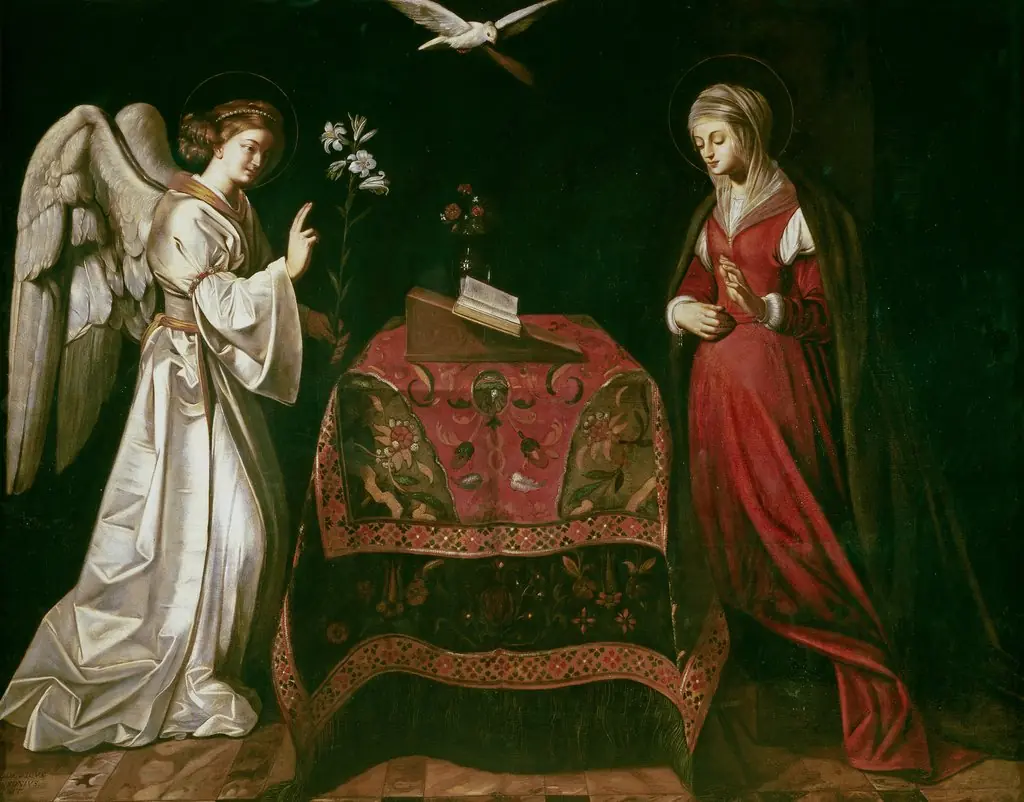
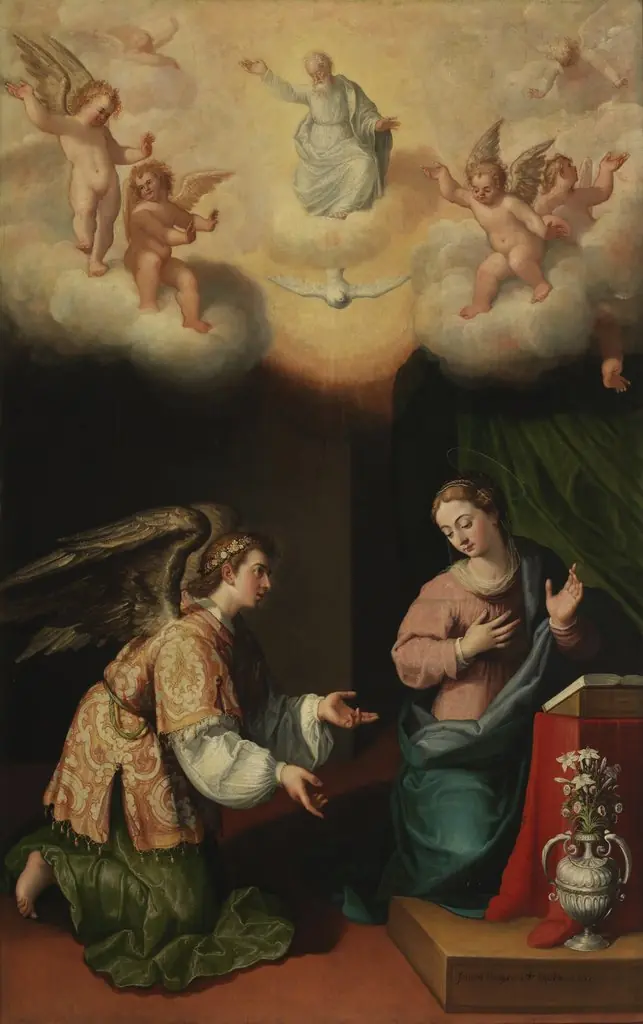
The scene portrays the biblical moment when the angel Gabriel announces to the Virgin Mary that she will conceive Jesus. Gabriel kneels, presenting a white lily—a symbol of purity—while Mary sits in quiet acceptance. Above them, two angels observe, one bearing a scroll, reinforcing the divine message. The composition emphasizes humility and divine intervention through posture and gesture.
Technique & Style
Turchi employs chiaroscuro to heighten the scene’s emotional weight, directing light toward Gabriel’s face and the lily while leaving the background in shadow. The figures’ drapery—rich reds and purples—contrasts with the muted tones of the interior, creating spatial depth. Soft modeling and refined brushwork reveal Turchi’s debt to both Venetian colorism and Caravaggesque realism.
History & Provenance
Painted in 1631, *The Annunciation* entered the Spanish royal collection, likely acquired during Turchi’s later years in Rome. The work’s presence in Spain aligns with the period’s taste for Italian Baroque art among Habsburg patrons. It has been housed at the Museo del Prado since the museum’s establishment in the 19th century.
Context
Turchi’s career bridged Verona and Rome, where he encountered Caravaggio’s followers and the emerging Baroque aesthetic. This painting reflects the Counter-Reformation’s emphasis on accessible, emotionally charged religious imagery. The use of light and shadow not only guides the viewer’s eye but also underscores the miraculous nature of the event.
Legacy
Though less celebrated than contemporaries like Caravaggio or Reni, Turchi’s work contributed to the dissemination of Baroque conventions across Italy and Spain. *The Annunciation* exemplifies his ability to merge devotional clarity with painterly refinement, influencing later religious art in both regions.
Own this work as a print
Artist & collection
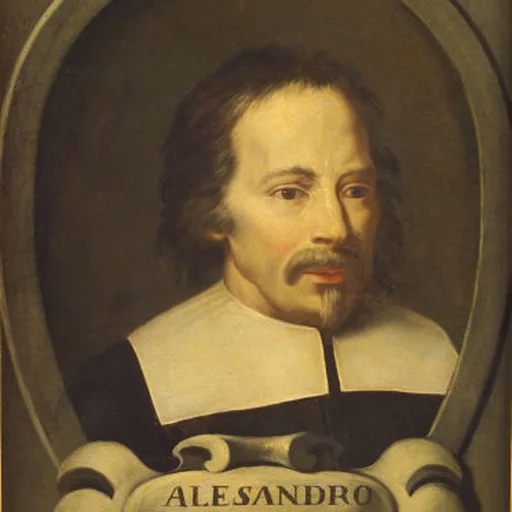
Artist
Alessandro Turchi (1578 – 22 January 1649) was an Italian painter of the early Baroque, born and active mainly in Verona, and moving late in life to Rome.