Artwork
Self-portrait
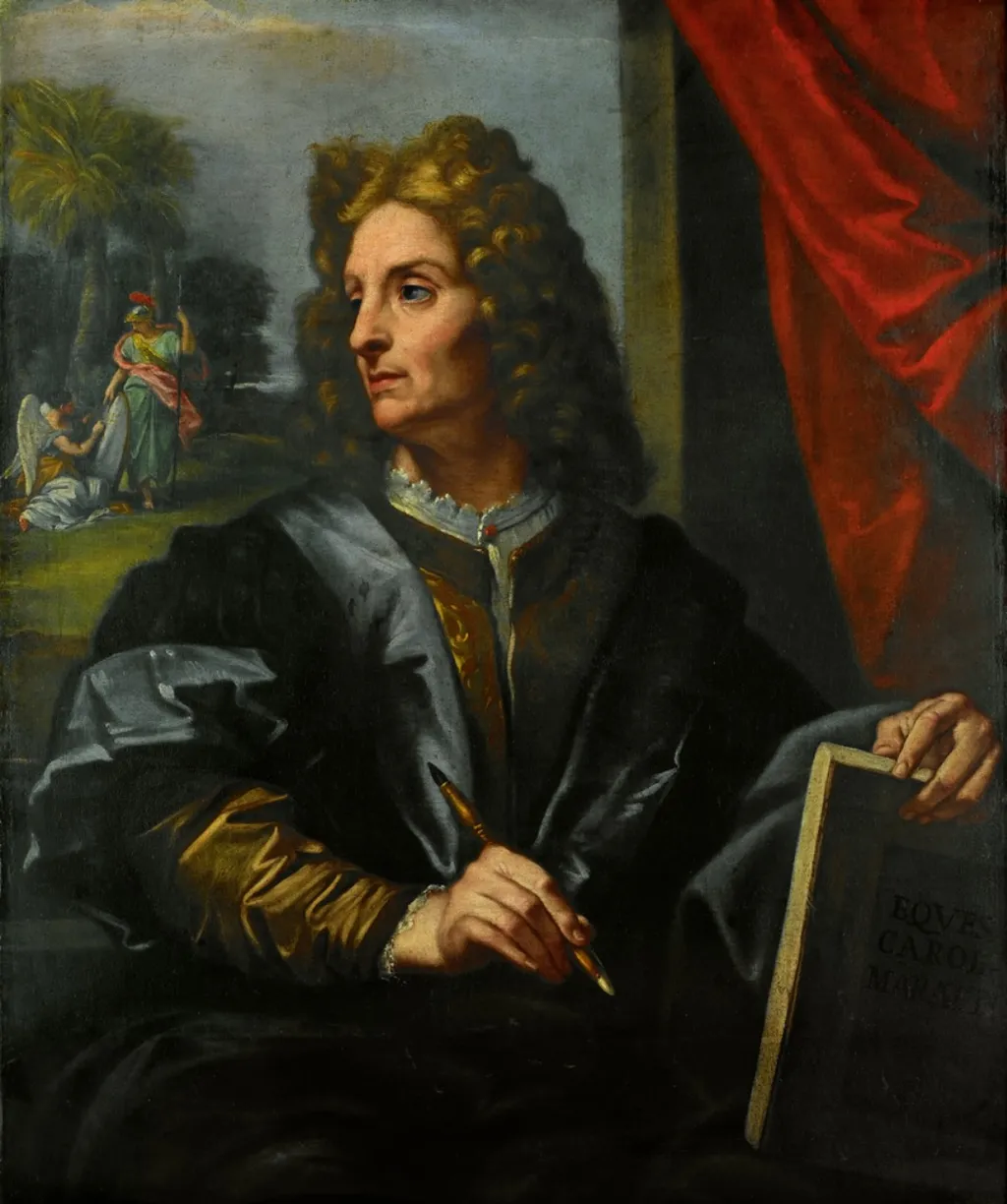
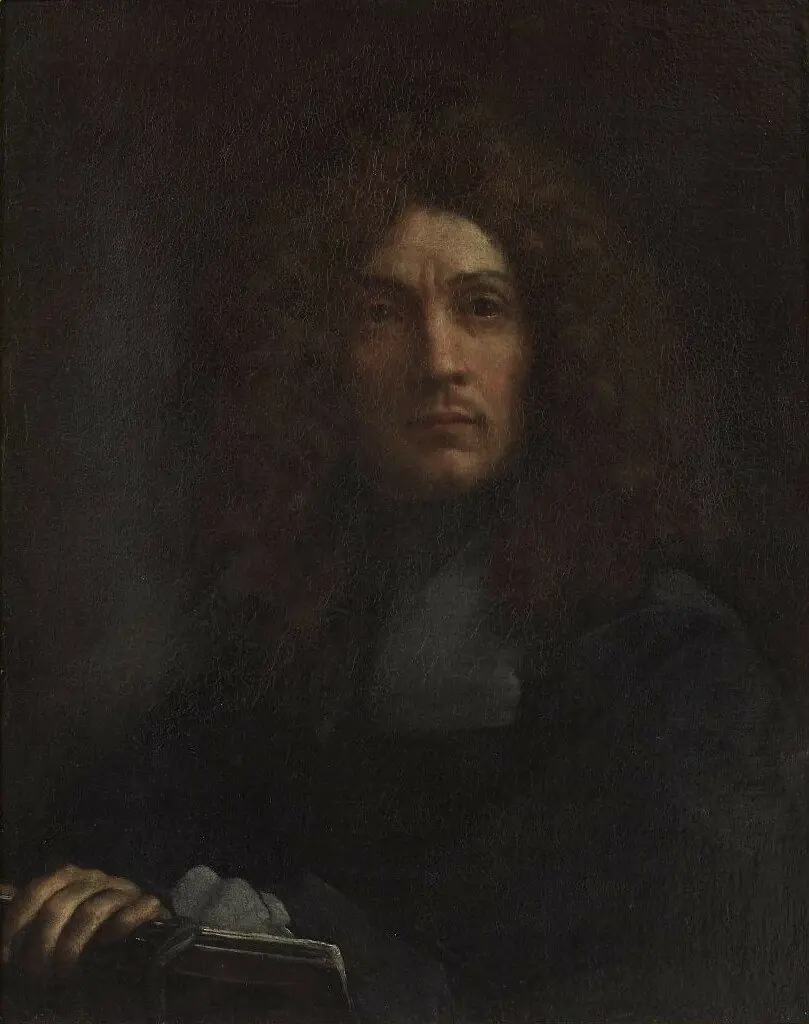
Self-portrait is an oil painting by the Early Baroque Italian artist Carlo Maratta. It dates from 1696 and is held in the collection of the Royal Museums of Fine Arts of Belgium.
About this work
Overview
This oil on canvas self-portrait, created in 1696 by Carlo Maratta, a prominent Italian Baroque painter, depicts the artist at work. It is part of the Royal Museums of Fine Arts of Belgium's collection.
Subject & Meaning
The portrait shows Maratta wearing a black robe, white collar, and gold undershirt, holding a paintbrush and a painting. His contemplative expression, with face turned left amidst curly brown hair, conveys a sense of introspective focus on his craft.
Technique & Style
Maratta employed chiaroscuro to achieve depth, drawing attention to his face and hands. The classicizing style of the Italian Late Baroque is evident, though the overall mood is one of quiet reflection rather than dramatic flair.
History & Provenance
Painted in 1696, the work reflects Maratta's established career serving elite clients, including popes. It is now housed in the Royal Museums of Fine Arts of Belgium.
Context
Created in Rome during the late 17th century, this piece represents Maratta's versatility beyond frescoes, highlighting his skill in portrait painting within the Baroque tradition.
Legacy
As a self-portrait by a leading Baroque artist, it offers insight into Maratta's persona and artistic approach, contributing to the broader understanding of Italian Late Baroque's classicizing tendencies.
Artist & collection
Artist
Carlo Maratta or Maratti (18 May 1625 – 15 December 1713) was an Italian Baroque painter and draughtsman, active principally in Rome where he was the leading painter in the second half of the 17th century.

Museum
Royal Museums of Fine Arts of Belgium
Continue through works from the same source collection.
![Portrait of Mikołaj VIII Krzysztof Radziwiłł, nicknamed “Sierotka” [Orphan] (1549–1616)?, by Unknown](https://artifactworldgallery.com/img/unknown--portrait-of-miko-aj-viii-krzysztof-radziwi-nicknamed-sierotk--ce61e8547bd28ab6-w320.webp)