Artwork
Combate de caballería en la época de Rosas
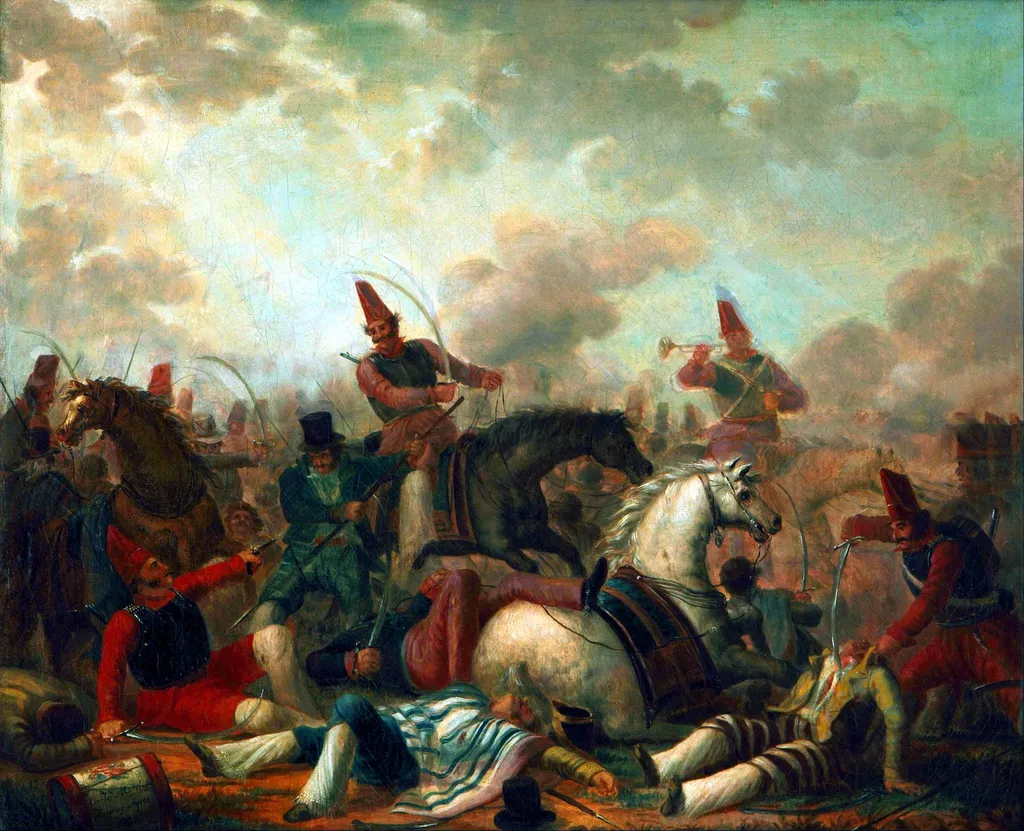
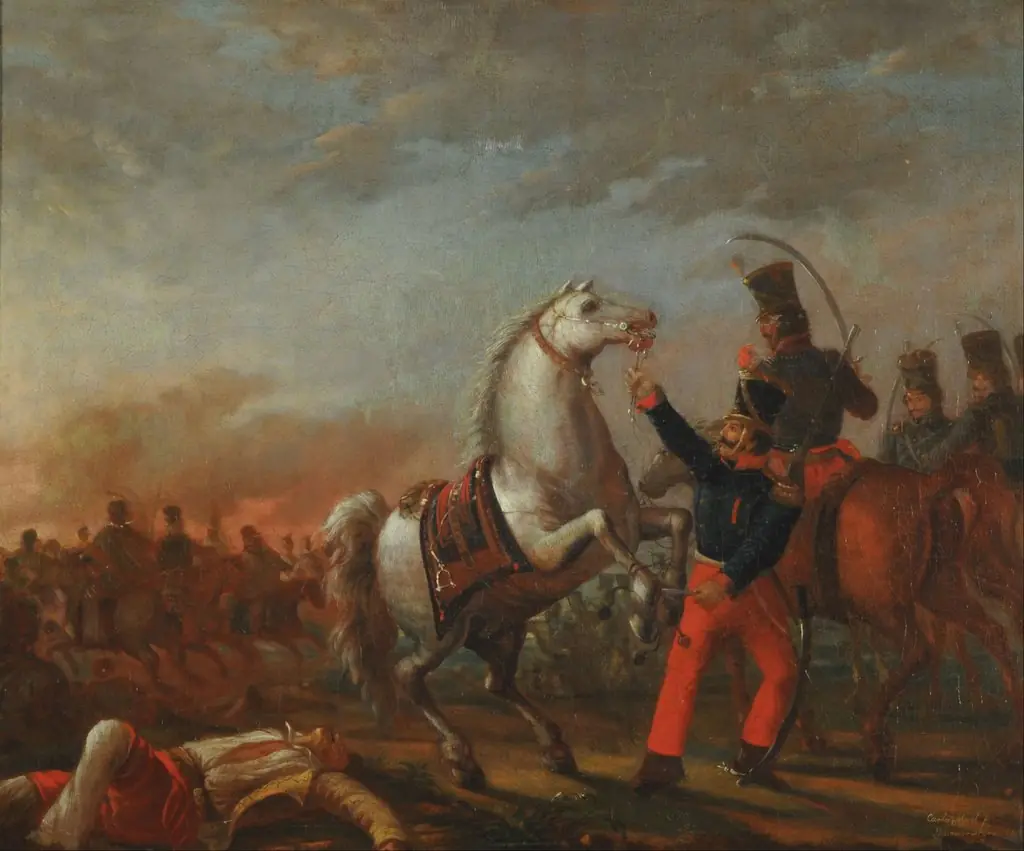
Combate de caballería en la época de Rosas is an oil painting by Carlos Morel. It dates from 1839 and is held in the collection of the National Museum of Fine Arts, Argentina.
About this work
Overview
It captures a cavalry engagement during the turbulent era of Juan Manuel de Rosas, a dominant political force in early 19th-century Argentina.
Carlos Morel, a foundational figure in Argentine art, completed this oil painting in 1839. It captures a cavalry engagement during the turbulent era of Juan Manuel de Rosas, a dominant political force in early 19th-century Argentina. As one of the earliest known works by a native Argentine artist to depict a contemporary historical event, it marks a shift toward locally grounded visual narratives in a period dominated by European models.
Subject & Meaning
The scene portrays a violent clash between opposing cavalry units, likely representing federal and unitarian forces during Argentina’s civil conflicts. Figures are distinguished by varied uniforms—red hats and blue jackets—suggesting factional identities. A fallen soldier in the foreground and a charging rider in the midground emphasize personal stakes amid broader political strife, conveying the chaos and human cost of internal division.
Technique & Style
Morel employs dynamic brushwork and layered pigments to convey motion and disorder. Horses and riders are rendered with loose, energetic strokes, while smoky backgrounds suggest distance and confusion. The palette is restrained, dominated by earth tones and muted reds and blues, enhancing the grim realism of the scene. Composition directs the eye diagonally through the fray, reinforcing the sense of uncontrolled movement.
History & Provenance
Painted in 1839, the work remained within Argentina’s cultural sphere and was later acquired by the National Museum of Fine Arts in Buenos Aires. Its preservation reflects its early recognition as a significant record of national conflict. Unlike many contemporary works exported to Europe, this painting stayed in the country, becoming part of a growing domestic collection focused on local history and identity.
Context
Created during Rosas’s rule, the painting emerged amid intense political polarization and state-controlled narratives. While Rosas promoted imagery of order and authority, Morel’s depiction of violent, unglamorized combat offers a more ambiguous view of the era. The work stands as a rare visual document from a time when official art often served propaganda, making this scene an unusual, candid record of civil strife.
Legacy
Morel’s painting is regarded as an early example of Argentine artists turning to native subjects rather than imported themes. Though not widely exhibited in his lifetime, its retention in the national collection ensured its role in shaping later understandings of 19th-century Argentine art. It paved the way for subsequent generations to treat local history as legitimate artistic material.
Own this work as a print
Artist & collection
Artist
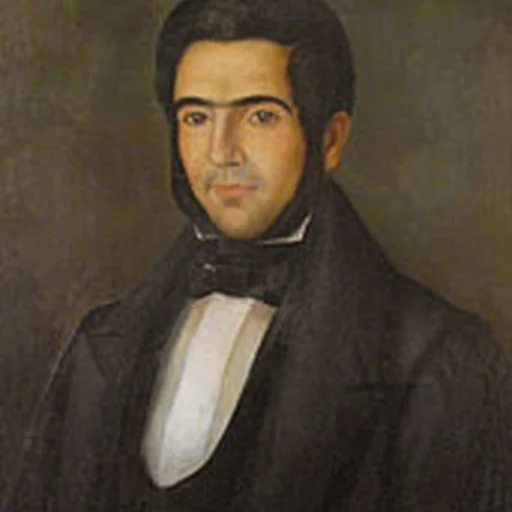
Carlos Morel (12 February 1813 – 10 September 1894) was a prominent Argentine painter in the nineteenth century, known as the first truly Argentine painter.

Museum
National Museum of Fine Arts, Argentina
Continue through works from the same source collection.
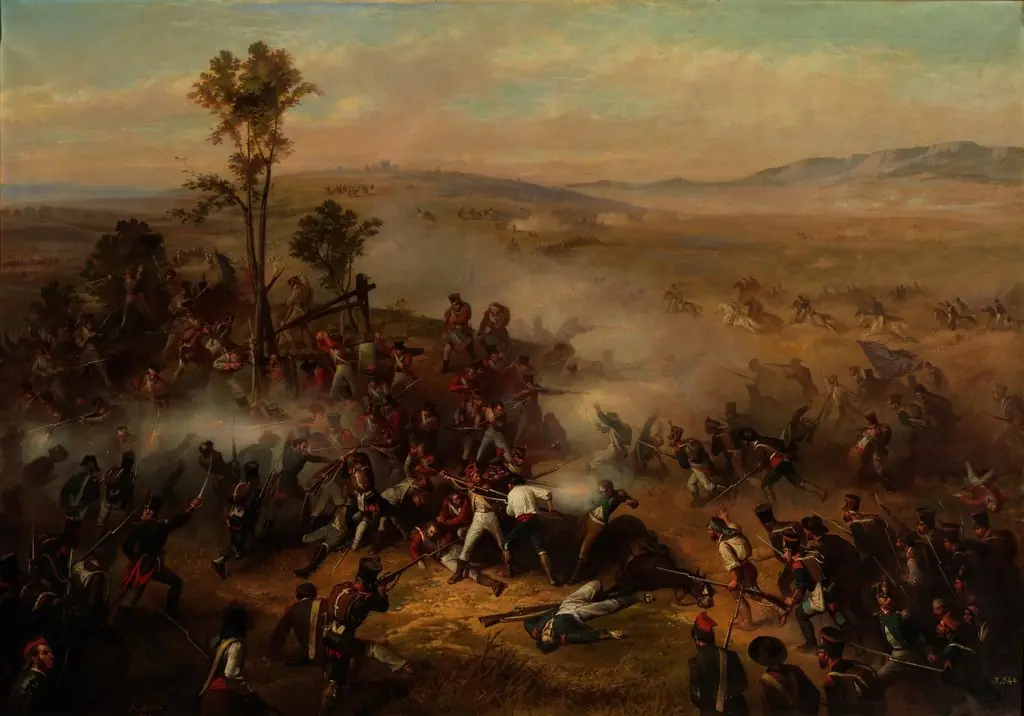 Episodio de la batalla de Bailén
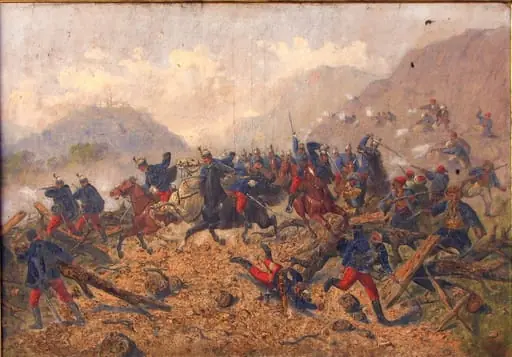 Atac turcesc asupra unui escadron de husari în Bosnia (în Reg. Inv.: Cavalerie atacată de turci)
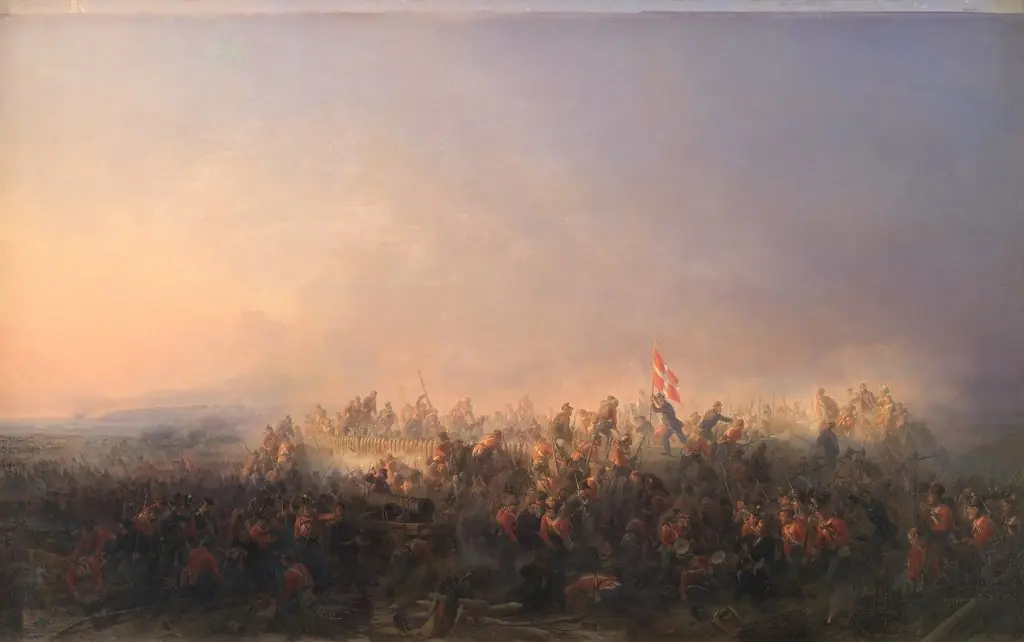 Slaget ved Fredericia den 6. juli 1849
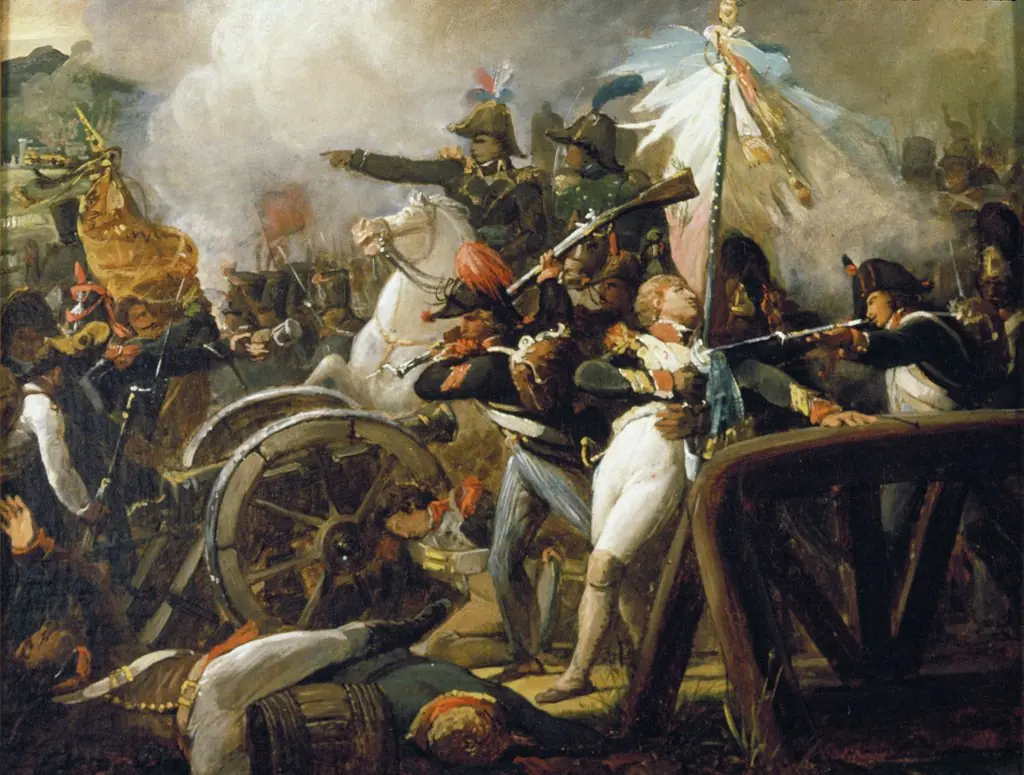 Battle on a Bridge
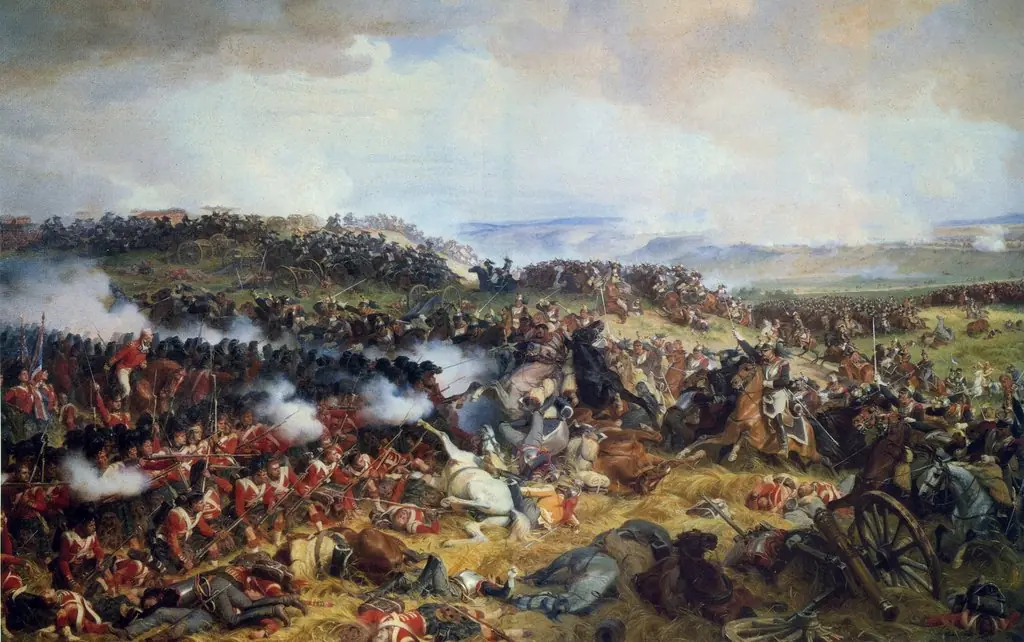 The Battle of Waterloo: The British Squares Receiving the Charge of the French Cuirassiers
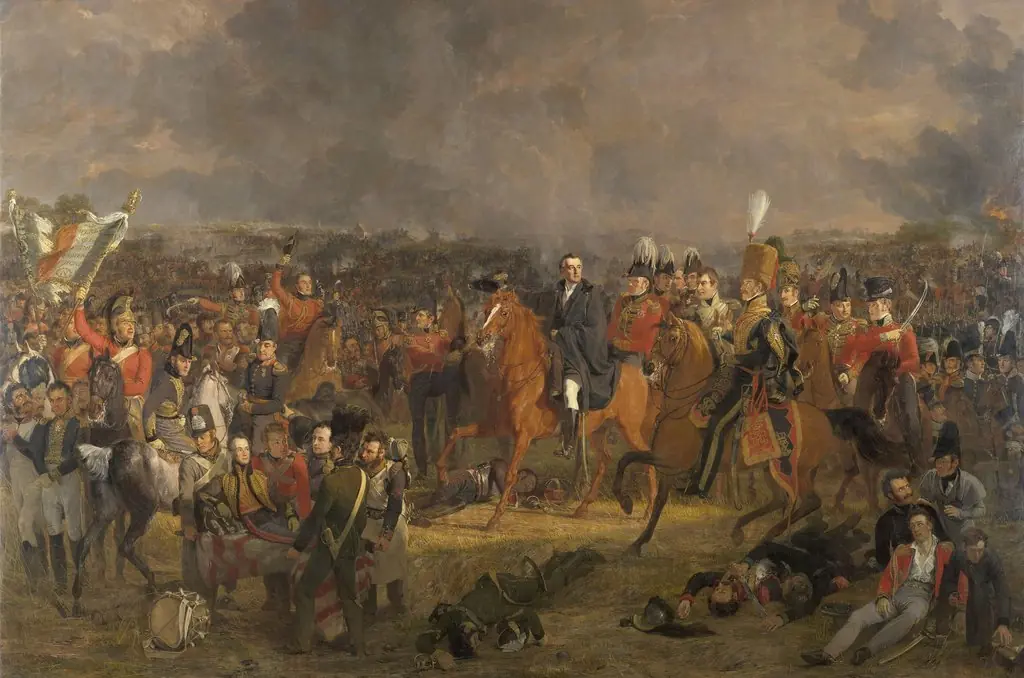 The Battle of Waterloo
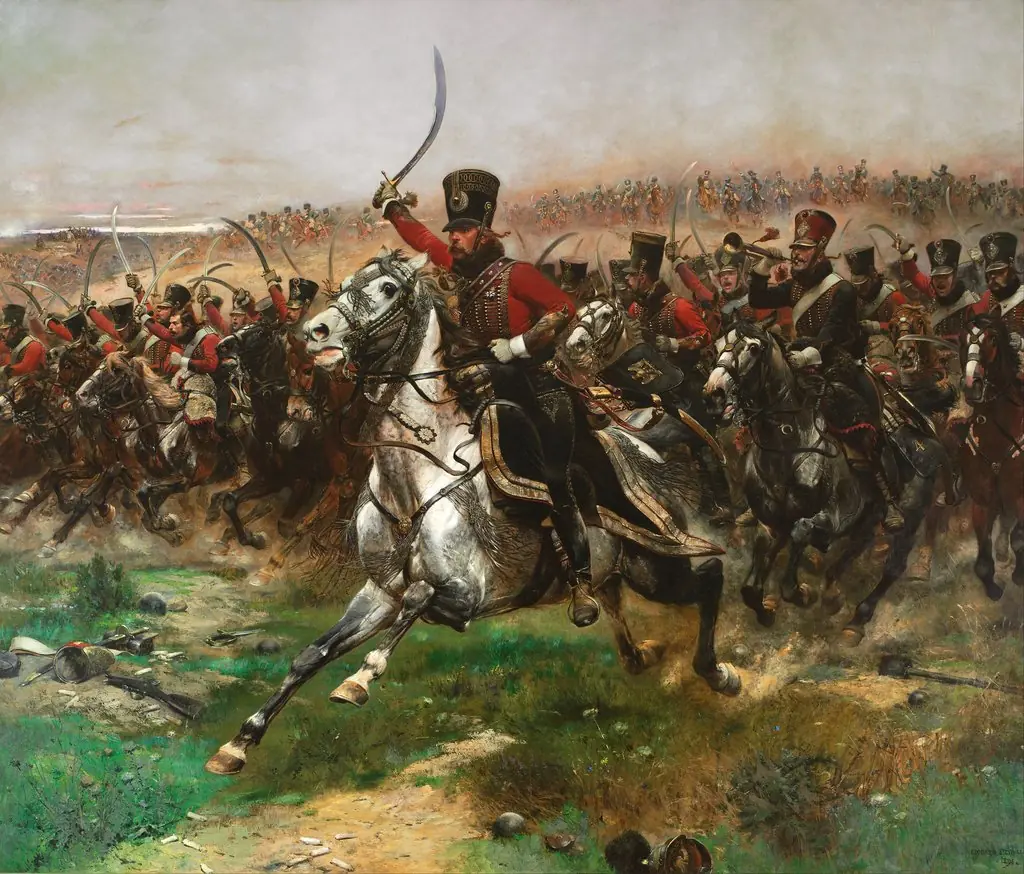 Vive L'Empereur
 Battle of Zorndorf on 14 August 1758
 Oberst Boncke Bönnichsens fald den 6. december 1813 under en fægtning mellem jyske dragoner og kosakker
 Marshal Blucher on the Battlefield
 Oberst Boncke Bönnichsens fald den 6. december 1813 under en fægtning mellem jyske dragoner og kosakker