Artwork
Harriet White Bradbury
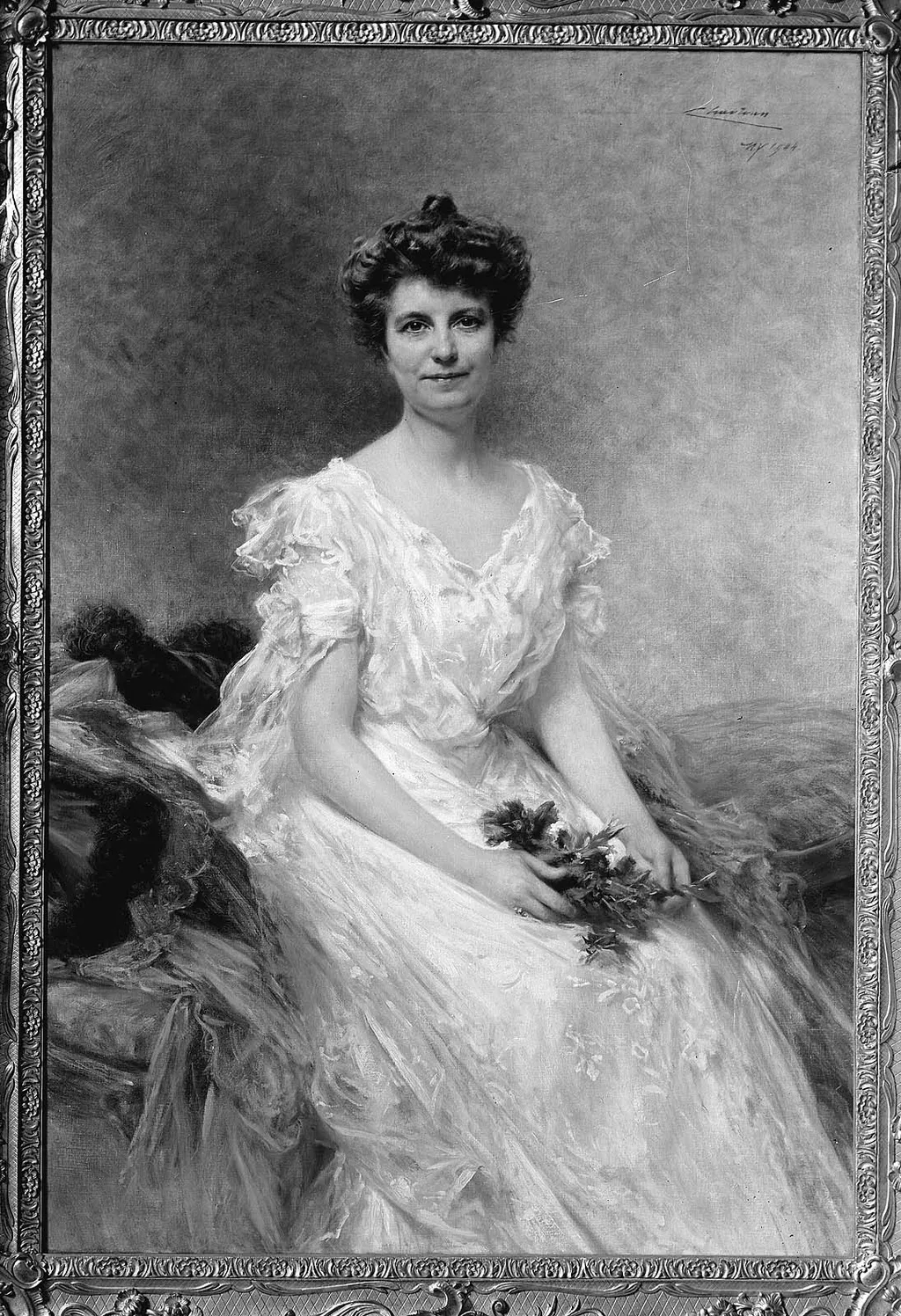
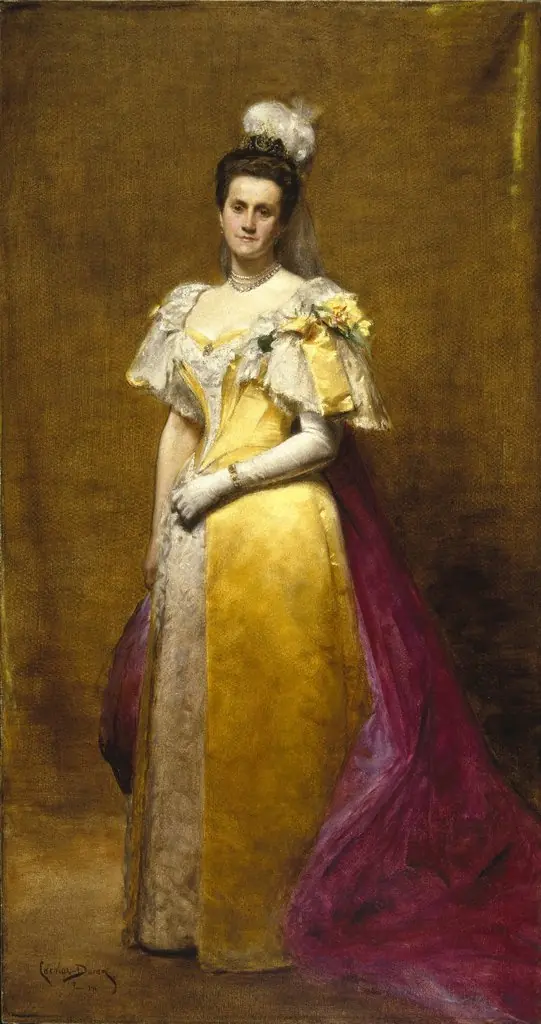
Harriet White Bradbury is an oil painting by the Impressionist artist Théobald Chartran. It dates from 1904 and is held in the collection of the Museum of Fine Arts Boston.
About this work
Overview
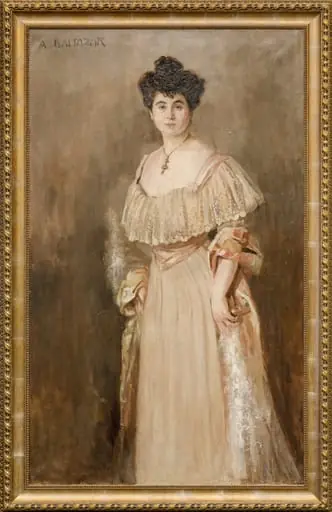
Théobald Chartran’s 1904 oil portrait, titled Harriet White Bradbury, is part of the collection at the Museum of Fine Arts, Boston. The work presents a seated woman in a luminous white dress, set against a deep, muted backdrop that emphasizes her figure. The composition balances delicate detail with a restrained palette, drawing the viewer’s focus to the sitter’s poised presence.
Subject & Meaning
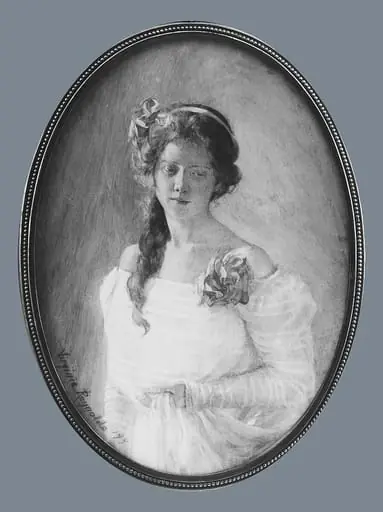
The portrait depicts a young woman, presumably Harriet White Bradbury, dressed in an elaborate white gown with ruffled sleeves and a cinched waist. She holds a small bouquet of dark‑toned flowers, an element that adds a subtle contrast and may hint at themes of modesty or contemplation. The overall mood is calm and dignified, reflecting early‑20th‑century portrait conventions.
Technique & Style
Fine detailing on the bow, ruffles, and floral arrangement demonstrates the artist’s skill in handling oil pigments to achieve depth and realism.
Chartran employs a smooth, academic brushwork typical of French salon painting, rendering the fabric’s texture and the sitter’s features with meticulous precision. The dark background serves as a tonal foil, allowing the white dress to emerge with luminous clarity. Fine detailing on the bow, ruffles, and floral arrangement demonstrates the artist’s skill in handling oil pigments to achieve depth and realism.
History & Provenance
Created in 1904, the painting entered the Museum of Fine Arts, Boston’s holdings through acquisition in the early 20th century, though the exact path of ownership prior to museum purchase is not extensively documented. Its presence in the museum’s American portrait collection situates it among contemporaneous works that document social elites of the period.
Context
Chartran, a French painter known for official portraits and historical scenes, applied his academic training to this private commission, bridging French academic tradition with American subject matter. The work reflects the transatlantic exchange of artistic tastes at the turn of the century, when American patrons often sought European artists for refined portraiture.
Artist & collection