Artwork
The Drunken Silenus ("The Tazza Farnese")
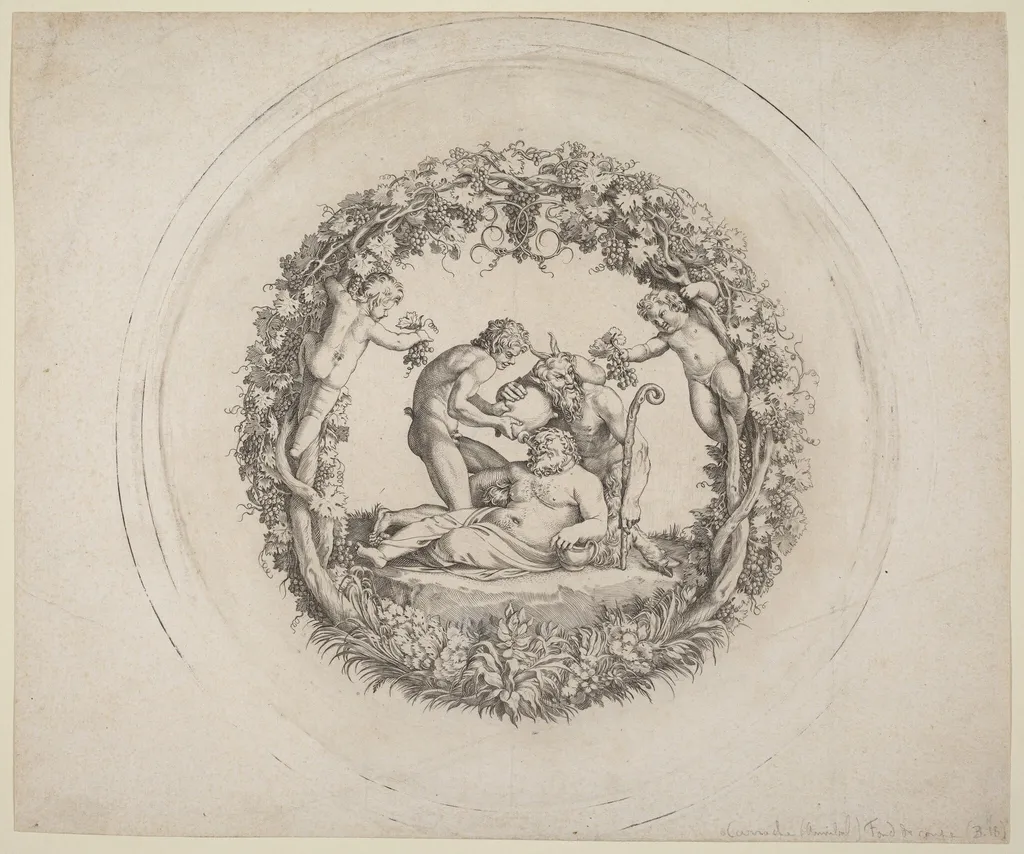
The Drunken Silenus ("The Tazza Farnese") is an ink print by the Renaissance artist Annibale Carracci. It dates from 1598 and is held in the collection of the National Gallery of Art.
About this work
Overview
It translates a mythological scene into a monochromatic graphic work, showcasing Carracci’s skill in translating painterly composition into print.
Created in 1598, *The Drunken Silenus* is an engraving on laid paper by Annibale Carracci. It translates a mythological scene into a monochromatic graphic work, showcasing Carracci’s skill in translating painterly composition into print. The image captures a moment of chaotic revelry, rendered with precision and a sense of spatial depth, reflecting his broader interest in reviving classical themes through naturalistic observation.
Subject & Meaning
The scene centers on Silenus, the aged companion of Dionysus, sprawled in drunken slumber amid a group of satyrs. One figure plays a flute, another leans on the reclining form, and a third holds a vessel, suggesting ongoing celebration. The composition evokes ancient bacchanalian imagery, but Carracci infuses it with human vulnerability and physical realism, shifting the tone from idealized myth to intimate, bodily presence.
Technique & Style
Carracci employed fine, controlled lines to model form and suggest texture, using hatching and cross-hatching to build shadow and volume. The figures are rendered with anatomical accuracy, their limbs and musculature defined through delicate gradations. The circular arrangement mimics the shape of a classical cameo or tazza, framing the scene with naturalistic vines that echo the contours of the composition, enhancing its decorative yet narrative cohesion.
History & Provenance
The engraving is linked to the Farnese collection, though it is not a direct copy of the ancient Farnese Tazza. Carracci likely used the famed Hellenistic bowl as a conceptual reference, reinterpreting its mythological theme through his own artistic lens. The print circulated among collectors and artists in late 16th-century Italy, serving as both an artistic study and a vehicle for disseminating classical revival ideals.
Context
In the late 1590s, Carracci was developing a new approach to painting that rejected Mannerist stylization in favor of observed reality and emotional clarity. This engraving aligns with his broader project: reviving classical subjects through lifelike figures and dynamic compositions. It reflects the intellectual climate of Bologna and Rome, where antiquity was studied not as distant relic but as living inspiration for contemporary art.
Legacy
Carracci’s engraving influenced later artists seeking to merge classical themes with naturalism. Its emphasis on movement, anatomical truth, and emotional nuance prefigured Baroque sensibilities. Though less known than his paintings, the print contributed to the spread of his stylistic innovations, helping to redefine how mythological subjects were visualized in print culture across Europe.
Artist & collection
Artist
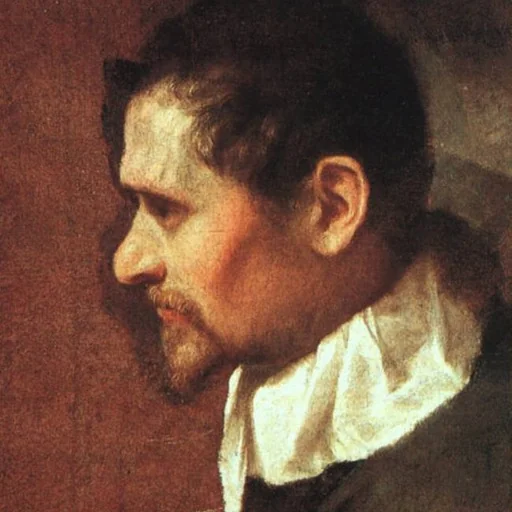
Annibale Carracci ( kə-RAH-chee, UK also kə-RATCH-ee, Italian: ; November 3, 1560 – July 15, 1609) was an Italian painter and instructor, active in Bologna and later in Rome.

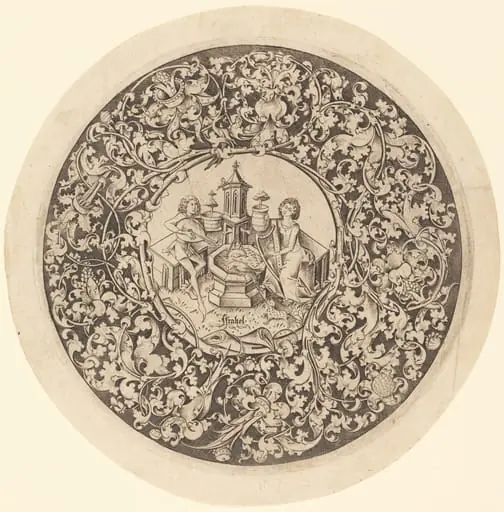 Circular Ornament with Musicians Playing near a Well
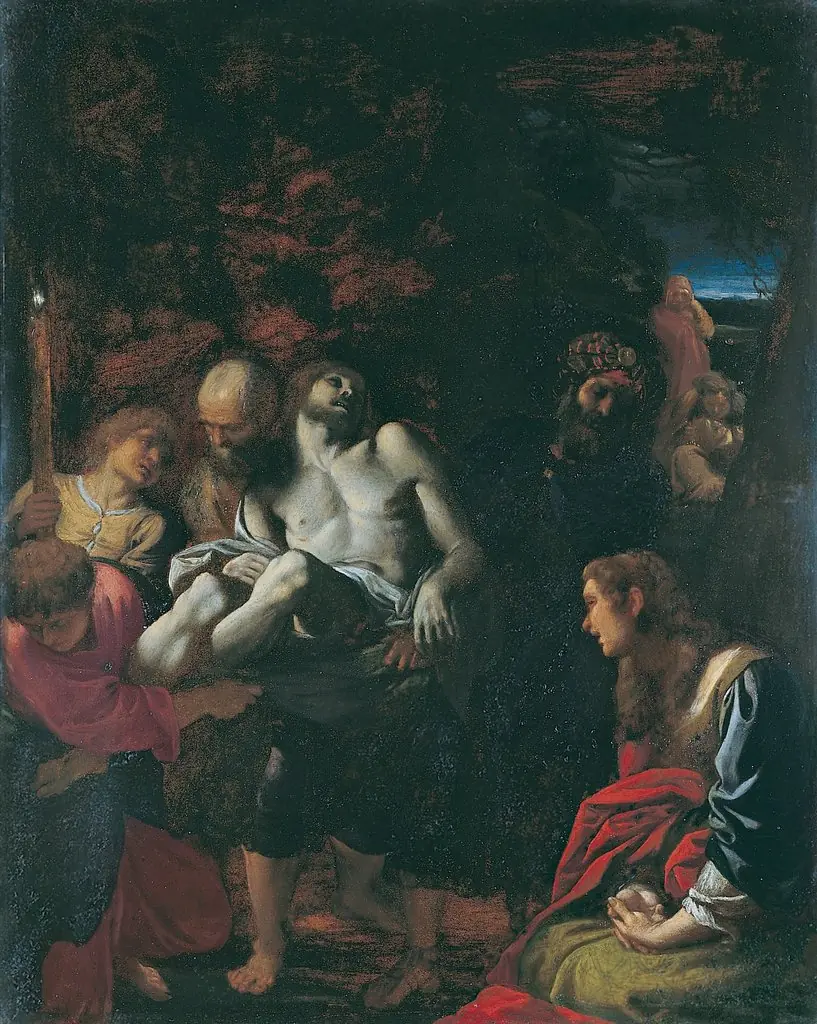
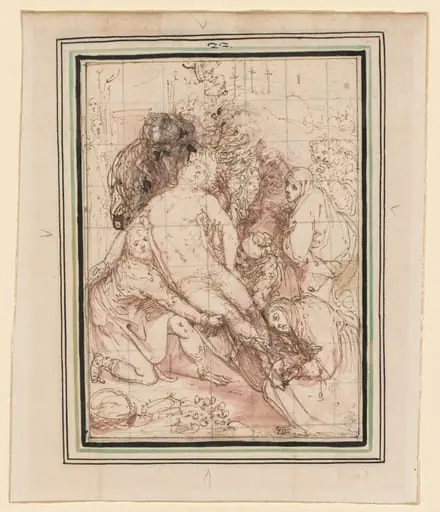 The Entombment
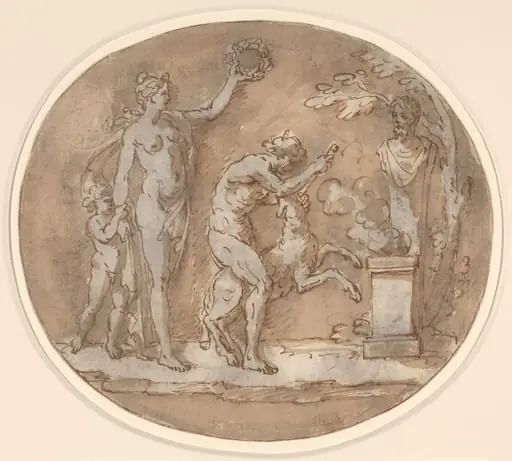 Antique Subject
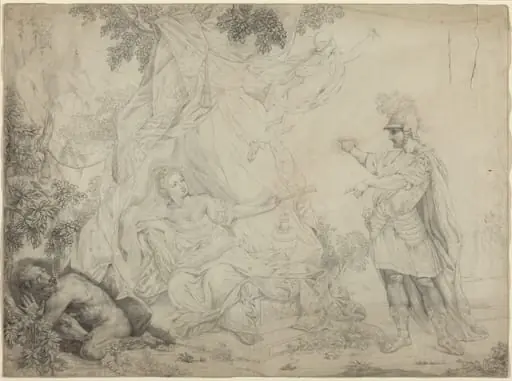 Circe and Ulysses
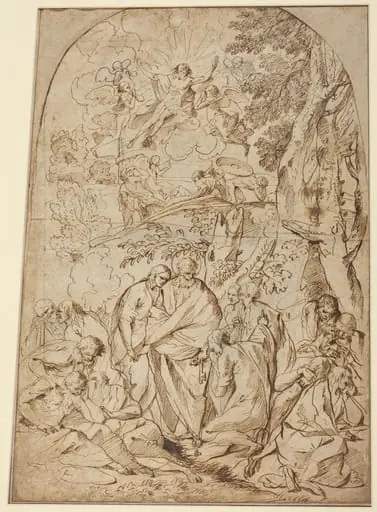 The Resurrection
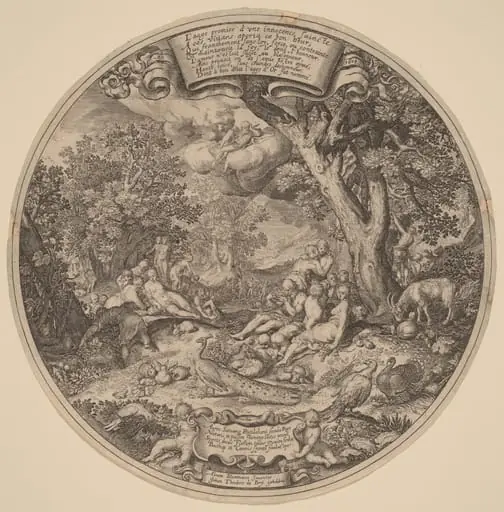 The Golden Age
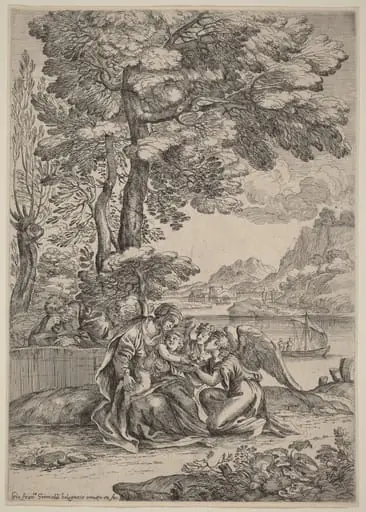 The Rest on the Flight into Egypt
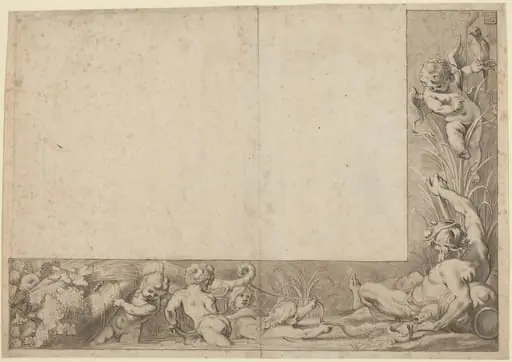 River God with Putti
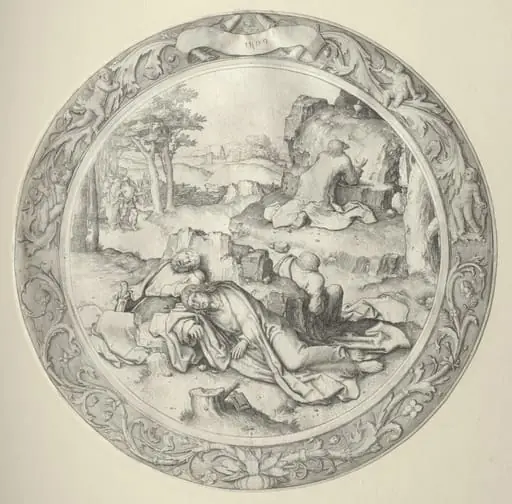 The Round Passion
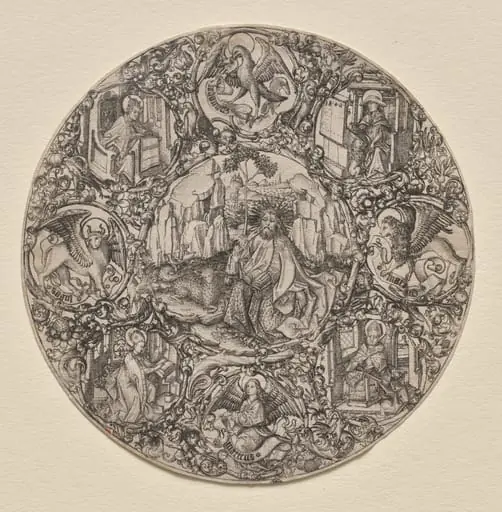 St. John the Baptist Surrounded by the Evangelists and Four Fathers of the Latin Church
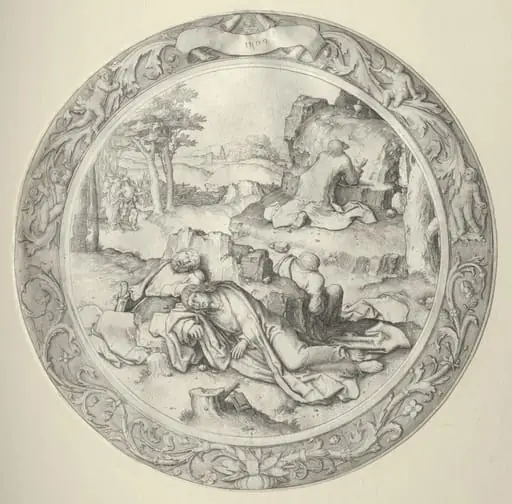 The Round Passion: Christ in Gethsemane (Agony in the Garden)
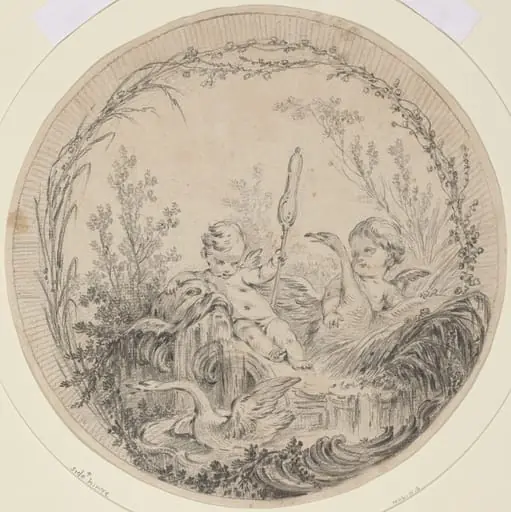 Two Putti Playing with Swans