Artwork
Untitled
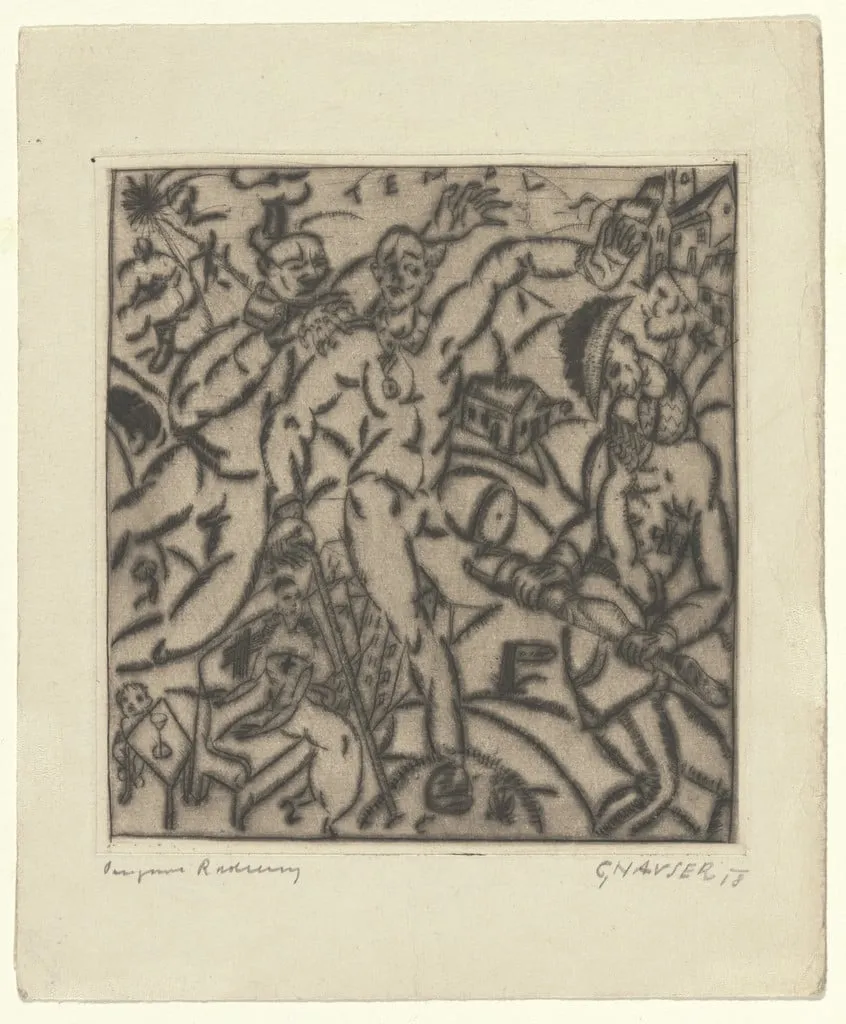
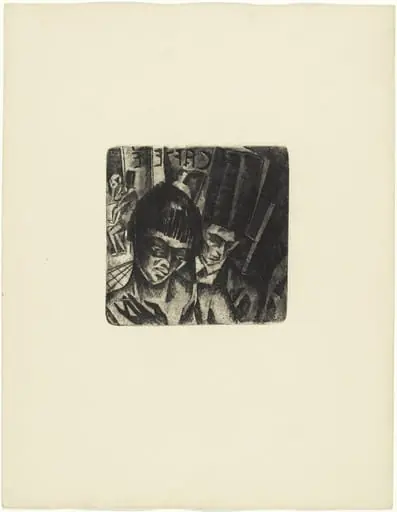
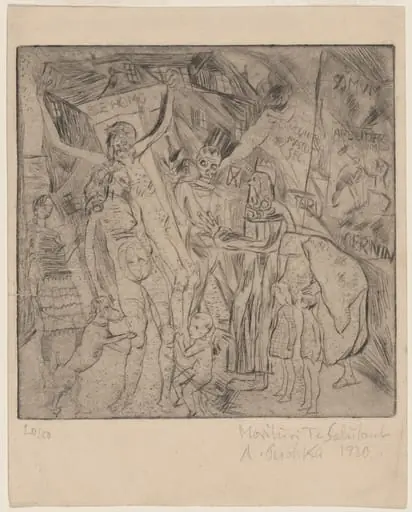
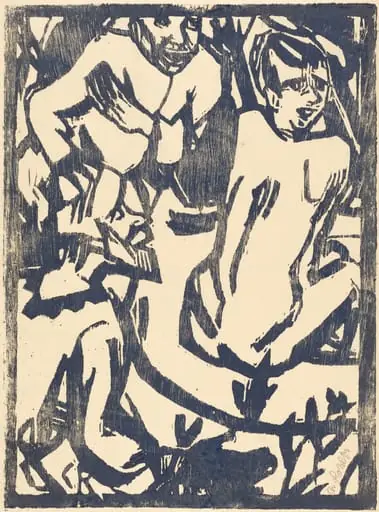
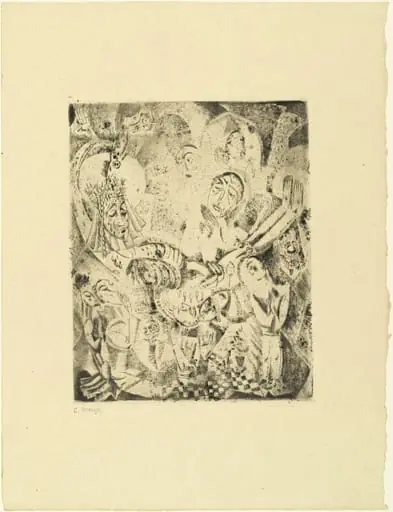
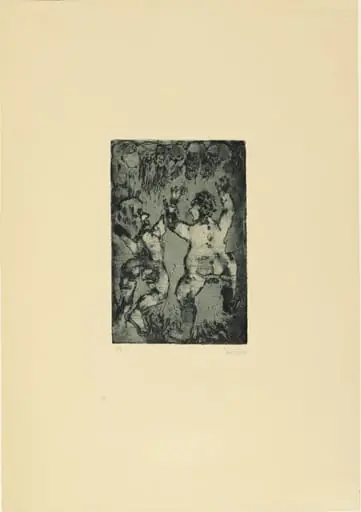
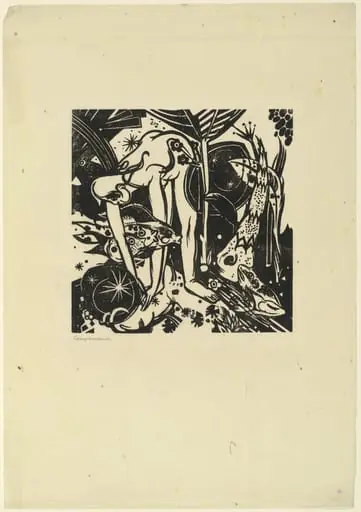
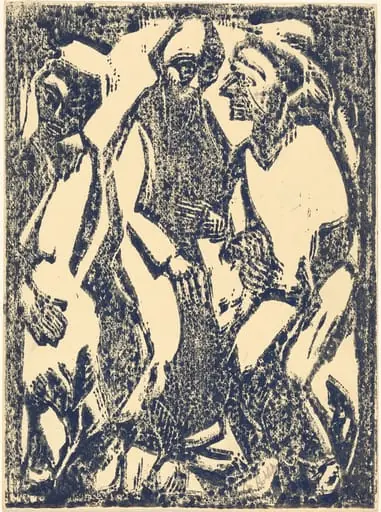
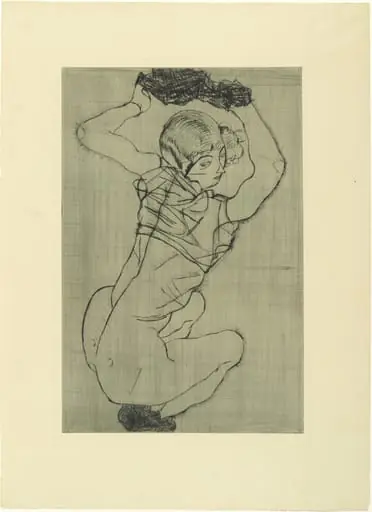
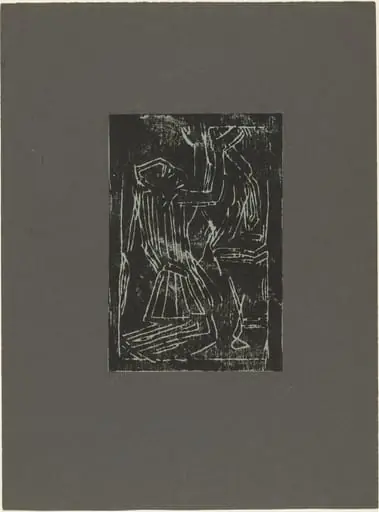
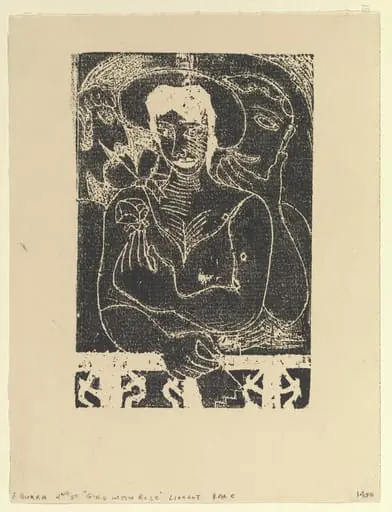
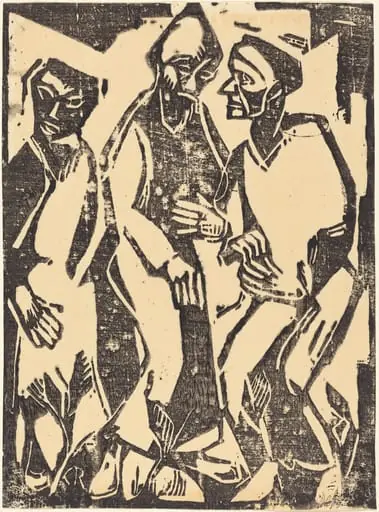
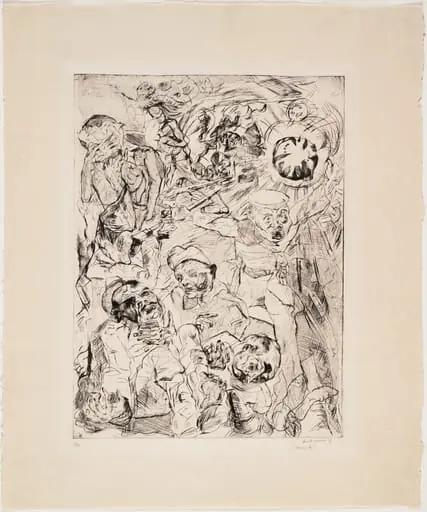
Untitled is an ink print by Carry (Carl Maria) Hauser. It dates from 1918 and is held in the collection of the Museum of Modern Art. Created in 1918, this drypoint print by Carry Hauser is part of The Museum of Modern Art’s collection.
About this work
Overview
The work is defined by its aggressive, linear texture and dense composition, capturing a group of figures within a distorted urban environment.
Created in 1918, this drypoint print by Carry Hauser is part of The Museum of Modern Art’s collection. The work is defined by its aggressive, linear texture and dense composition, capturing a group of figures within a distorted urban environment. The medium’s inherent roughness amplifies the sense of immediacy, as if the image was drawn directly from a moment of emotional intensity rather than composed with deliberation.
Subject & Meaning
A crowded, ambiguous assembly of figures dominates the scene, their features blurred and identities obscured. Some stand rigidly, others gesture or slump, suggesting collective tension or disorientation. The surrounding architecture and foliage are rendered in fractured forms, evoking instability rather than place. The scattered light elements introduce a dissonant contrast, hinting at fleeting hope or chaotic energy without resolving the scene’s emotional ambiguity.
Technique & Style
Hauser employed drypoint, scratching directly into a metal plate with a sharp tool to create deep, velvety lines that hold ink densely. This method produces a tactile, uneven surface, with irregular edges and smudged halos around the strokes. The resulting image lacks polish, favoring raw expression over refinement. The technique’s physicality mirrors the urgency of the subject, reinforcing a sense of immediacy and unrest.
History & Provenance
Executed in 1918, the print emerged during a period of social upheaval in Central Europe, shortly after the collapse of the Austro-Hungarian Empire. Hauser, an Austrian artist, was engaged with Expressionist circles and often responded to the psychological weight of the era. The work entered MoMA’s collection through its early focus on European modernist prints, reflecting institutional interest in emotionally charged graphic work from the postwar years.
Context
This print aligns with early 20th-century Expressionist tendencies that prioritized inner experience over realistic depiction. In the aftermath of World War I, many artists turned to fragmented forms and intense mark-making to convey collective trauma. Hauser’s use of drypoint—less common than etching or lithography—reflects a preference for direct, unmediated expression, resonating with contemporaries like Kollwitz or Kokoschka.
Legacy
Though not widely exhibited, this work contributes to the understanding of Austrian Expressionist printmaking beyond its better-known figures. Its raw aesthetic and emotional gravity influenced later generations interested in the psychological potential of print media. The piece remains a quiet but potent example of how technical constraints can amplify expressive force in times of social fracture.
Artist & collection

Artist
Carry Hauser, born Carl Maria Hauser, was an Austrian painter, stage set designer and poet.