Artwork
Arabesque
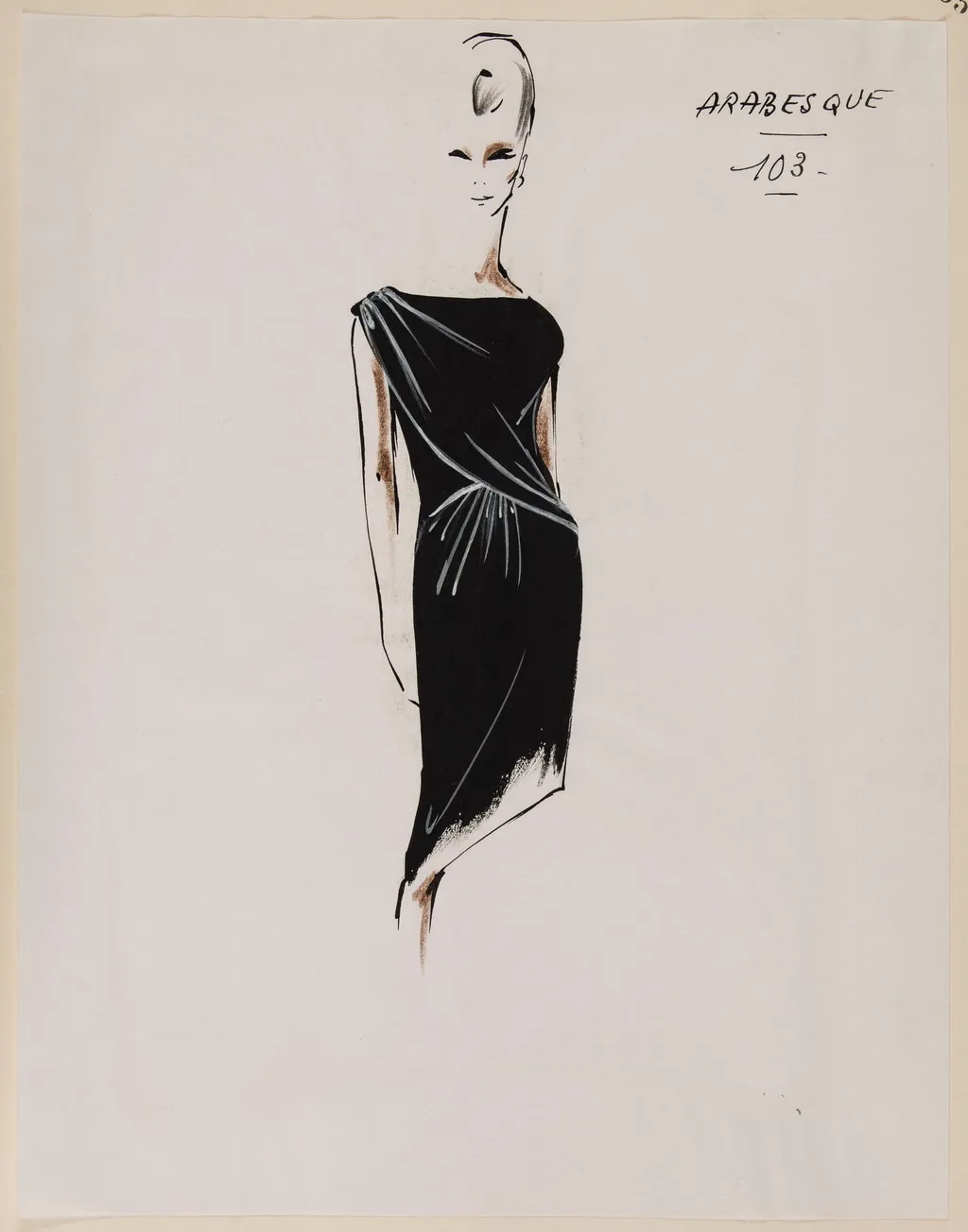
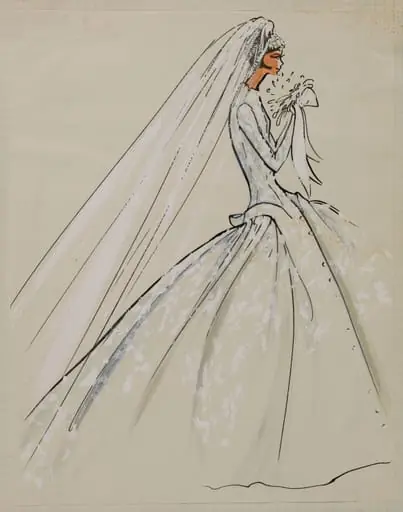
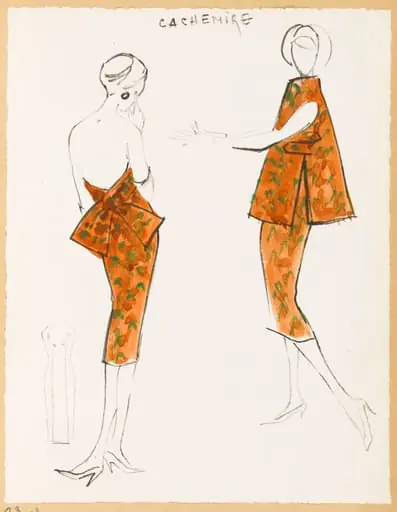
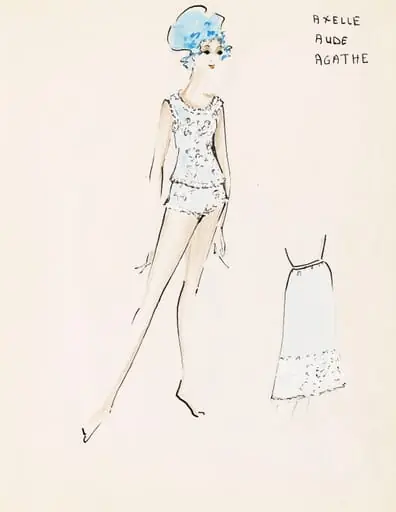
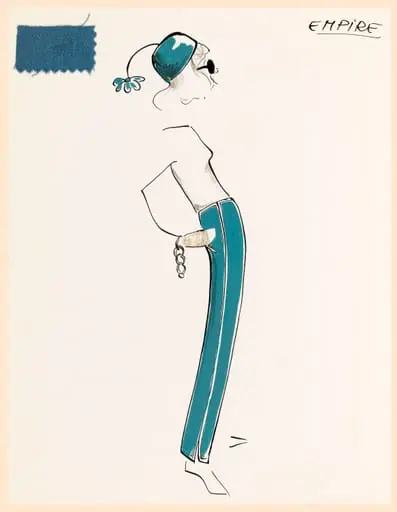
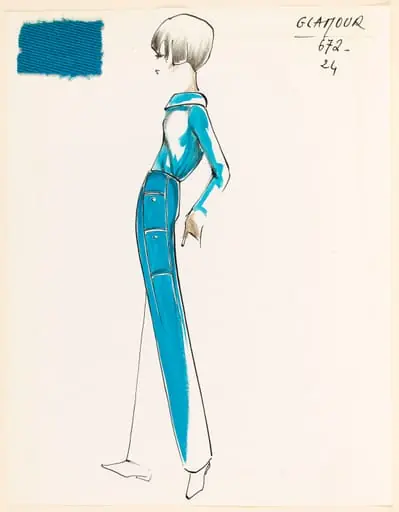
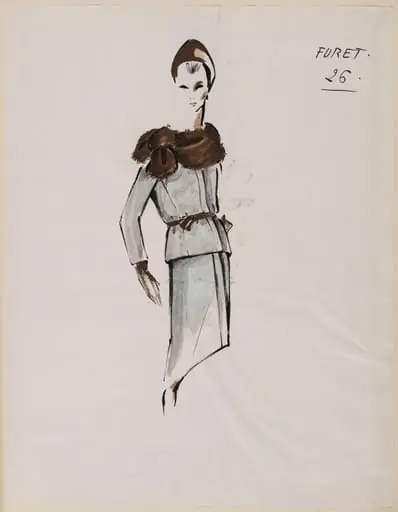
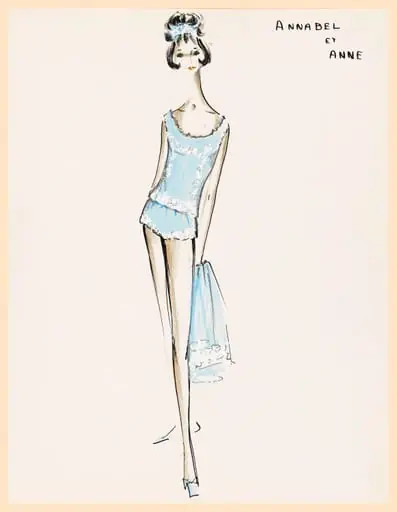
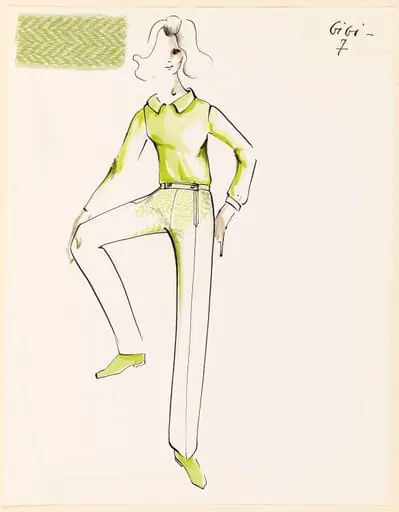
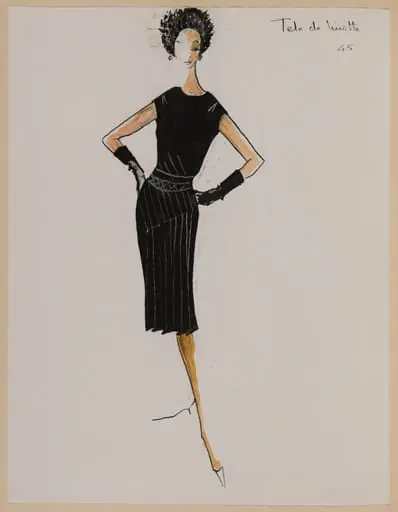
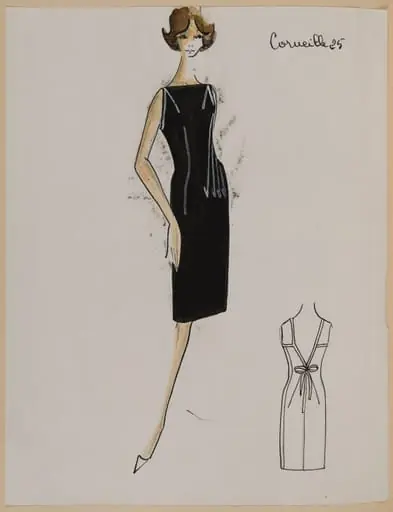
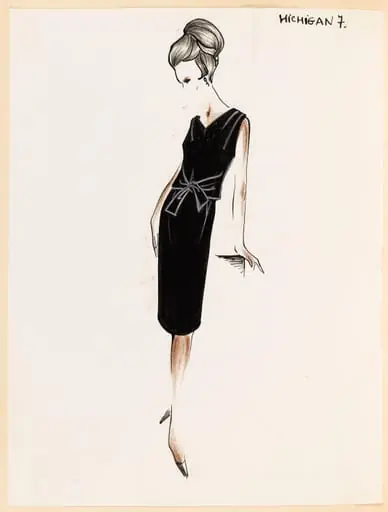
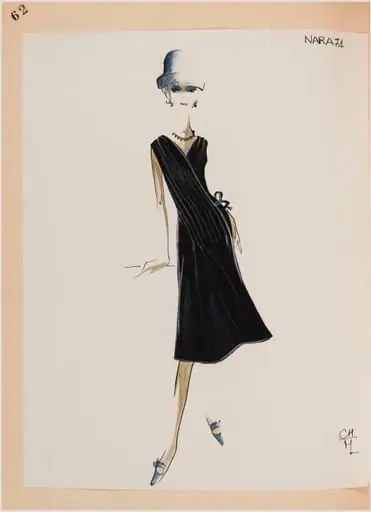
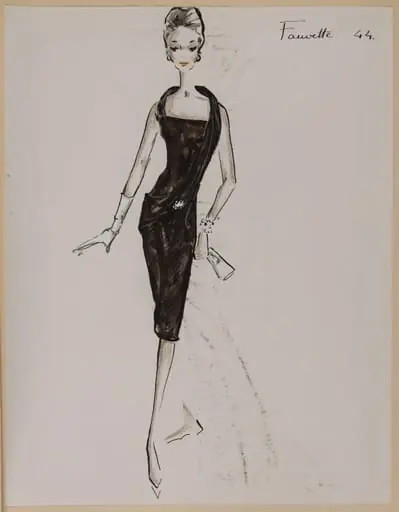
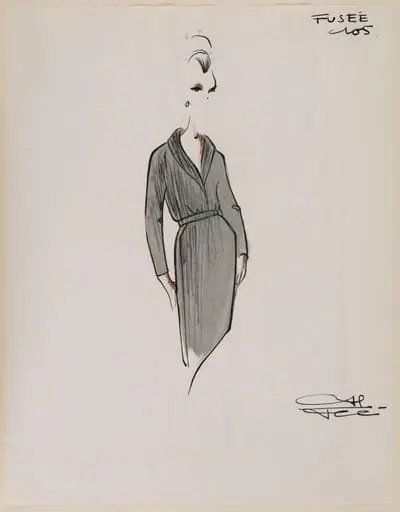
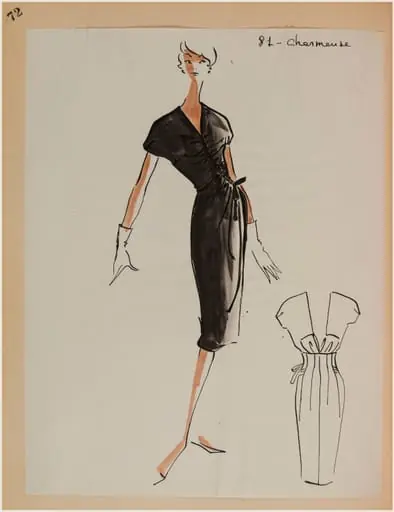
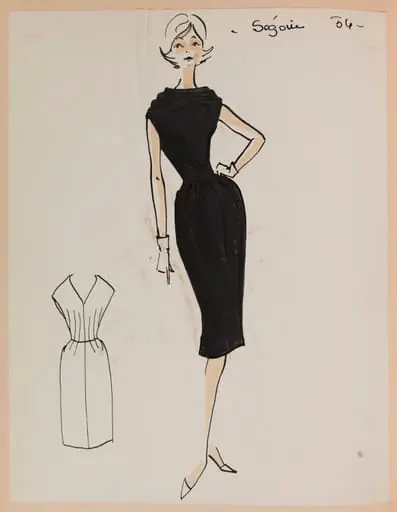
Arabesque is a drawing by Carven. It dates from 1963 and is held in the collection of the Palais Galliera - Musée de la Mode de la Ville de Paris.
About this work
Overview
Arabesque, executed around 1963 by the artist known as Carven, is part of the collection of the Museum of Ethnography. The work is a black‑ink drawing that presents a single figure in profile against an unadorned white background.
Subject & Meaning
The composition depicts a lone figure in a loosely draped garment, one shoulder exposed, with hair pulled back. Though the title suggests fluid motion, the pose is static, inviting contemplation of the contrast between implied dance and the stillness of the line.
Technique & Style
Rendered in confident, swift strokes of black ink, the drawing relies on bold contour and subtle shading around the face and dress to suggest volume. The minimal palette and clean background emphasize the figure’s silhouette and the elegance of the line work.
History & Provenance
Created in the early 1960s, Arabesque entered the Museum of Ethnography’s holdings at an unspecified date. Its attribution to Carven aligns it with the artist’s broader practice of integrating fashion motifs into fine art.
Artist & collection
Artist
These delicate ink-on-paper drawings capture the quiet poetry of everyday things: pinecones, reeds, apples.
Museum
Palais Galliera - Musée de la Mode de la Ville de Paris
Continue through works from the same source collection.