Artwork
Auguste
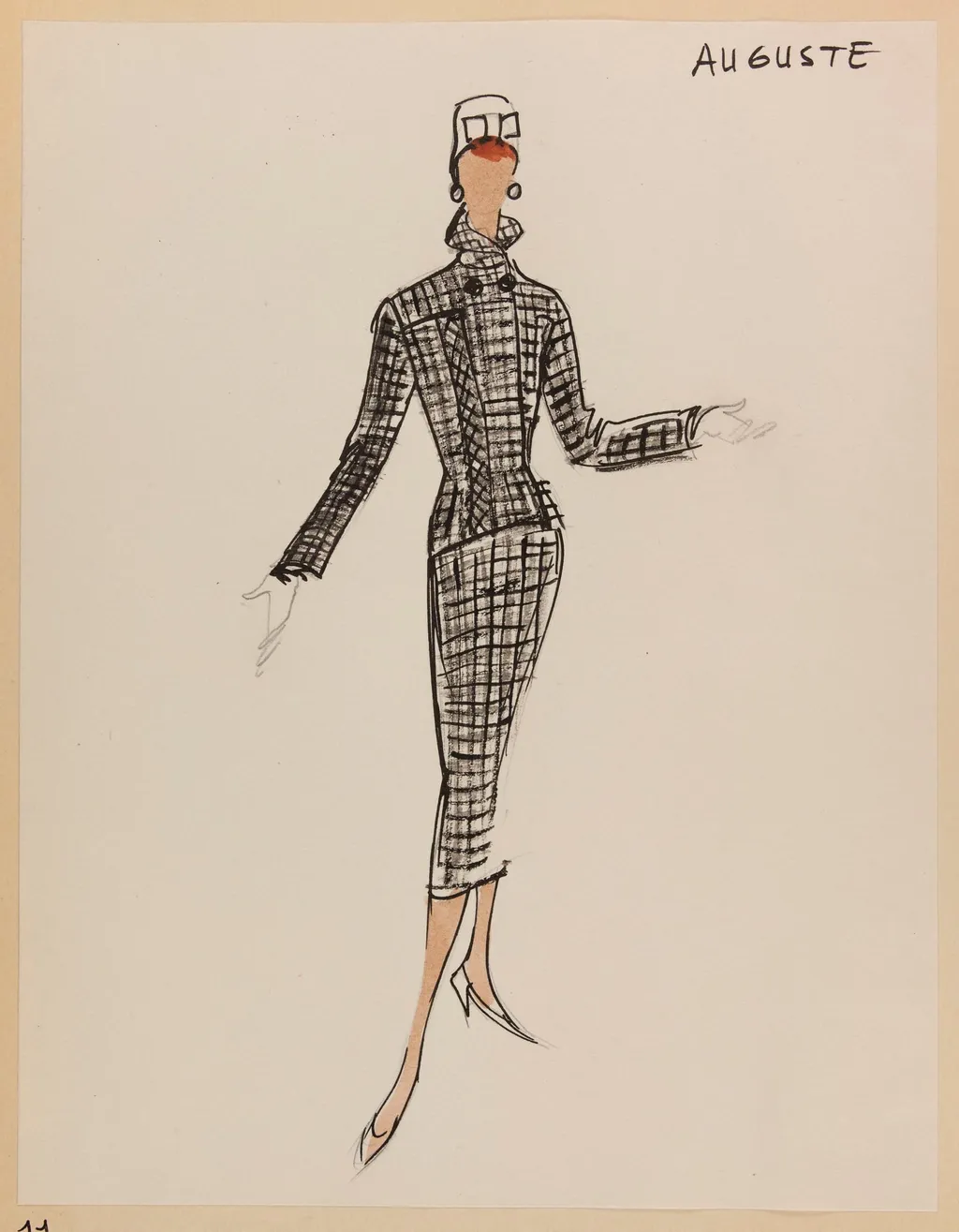
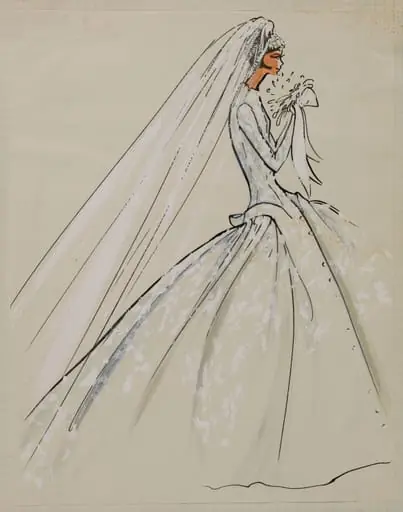
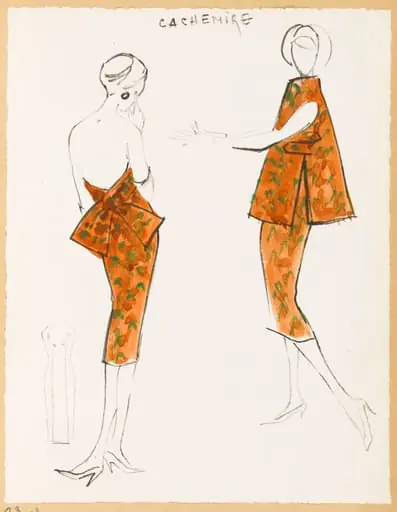
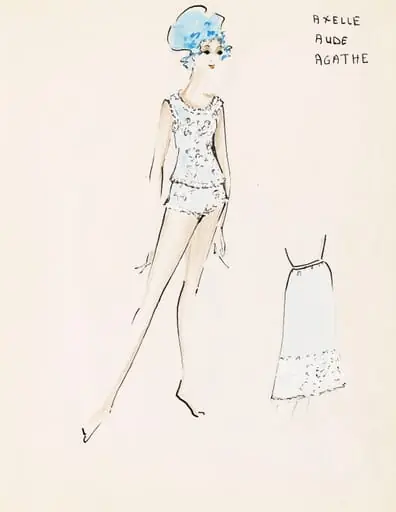
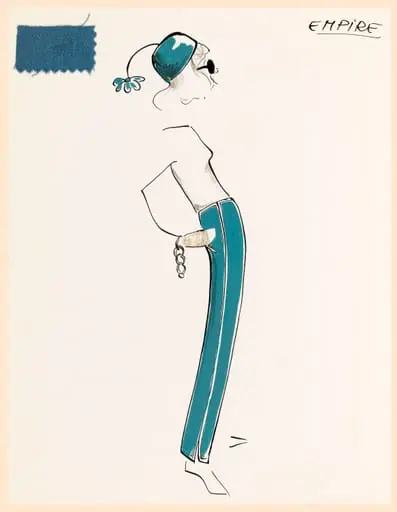
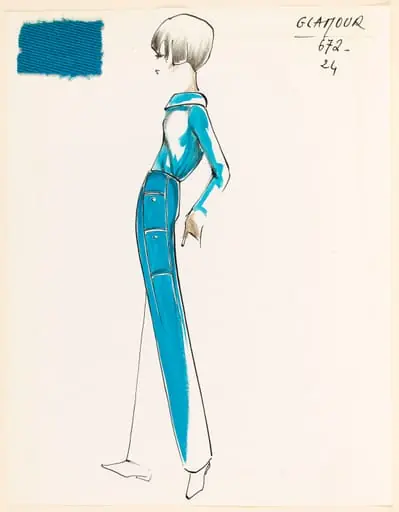
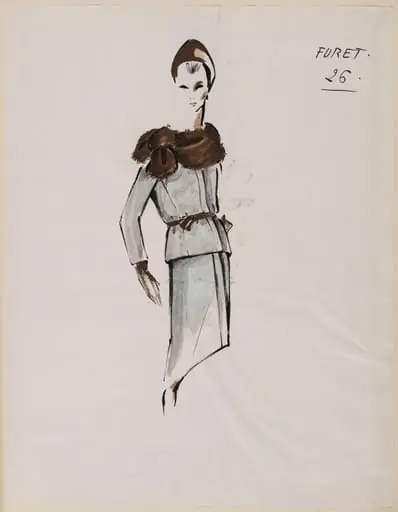
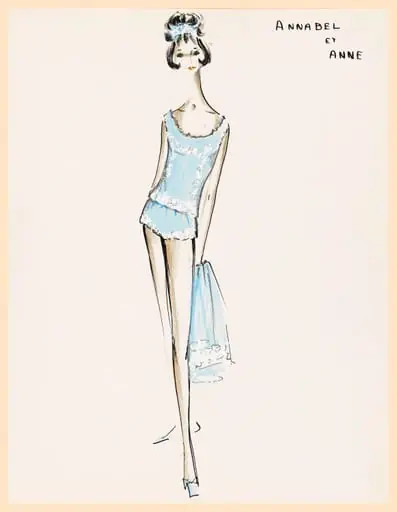
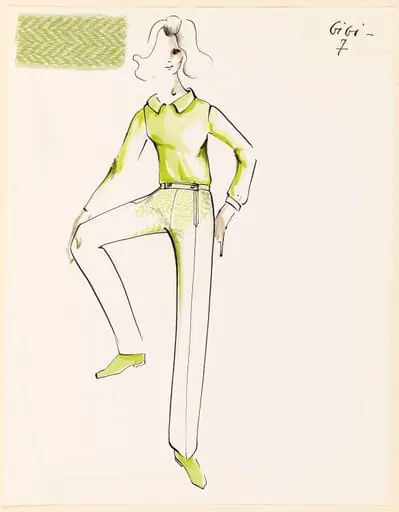
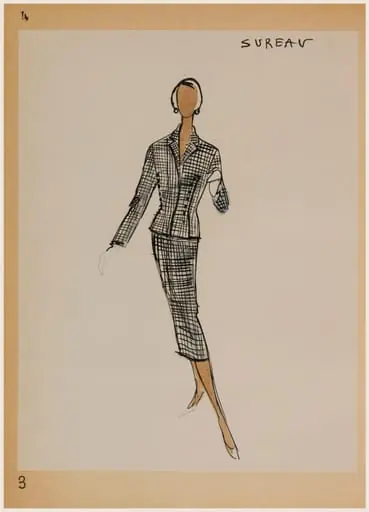
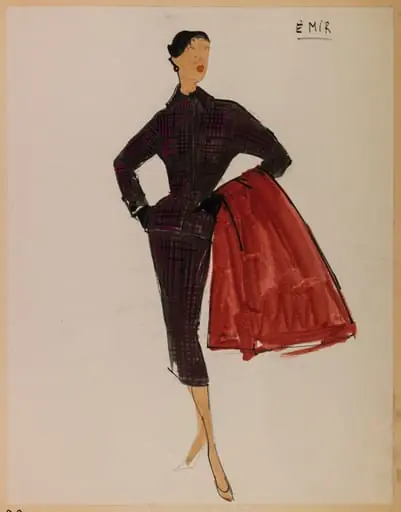
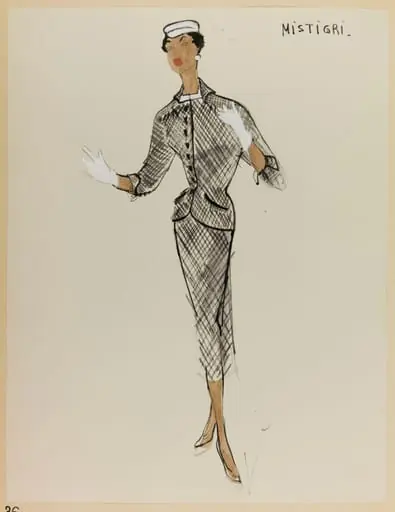
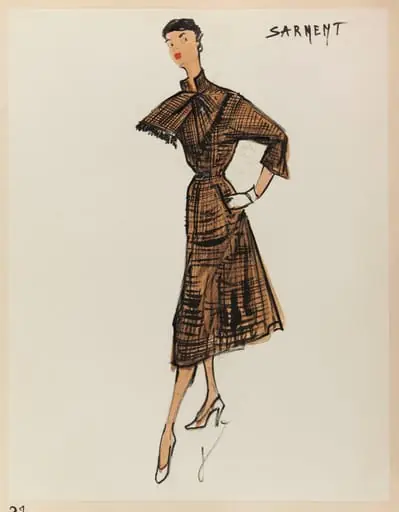
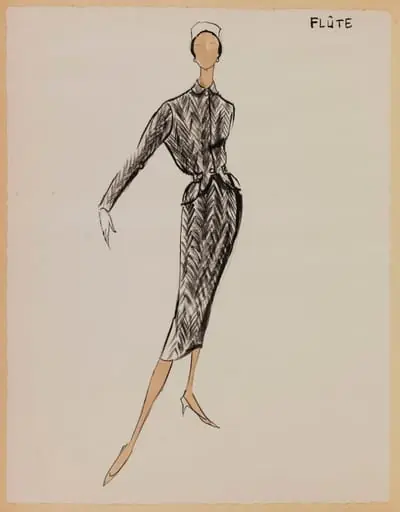
Auguste is a drawing by Carven. It dates from 1955 and is held in the collection of the Palais Galliera - Musée de la Mode de la Ville de Paris.
About this work
Overview
The work is part of the Museum of Ethnography’s collection and reflects the designer’s interest in translating fashion into graphic form.
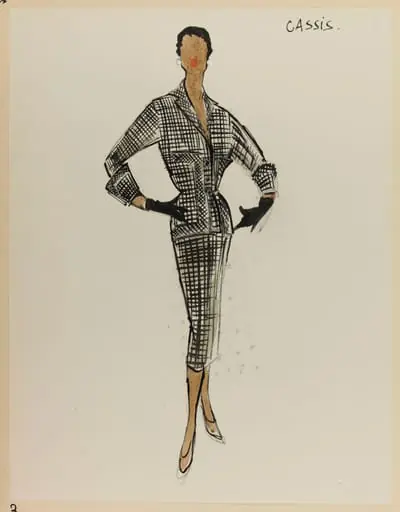
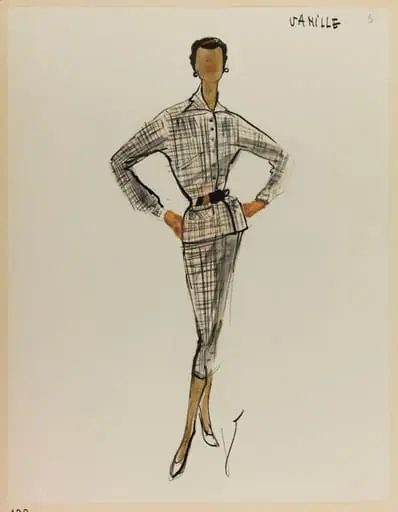
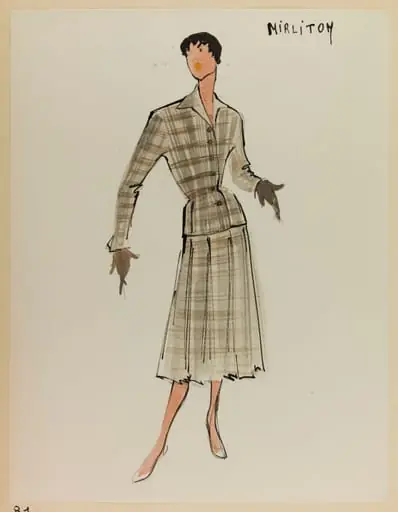
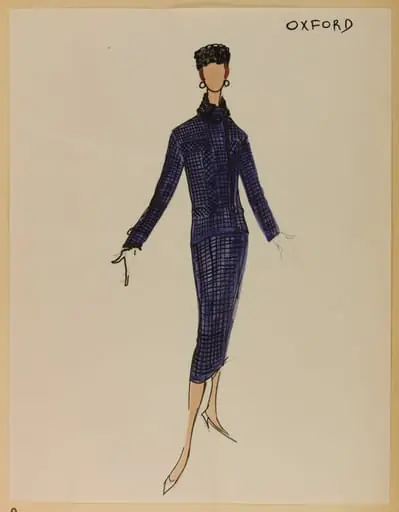
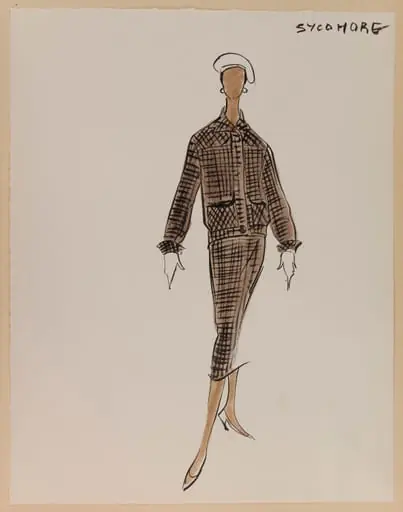
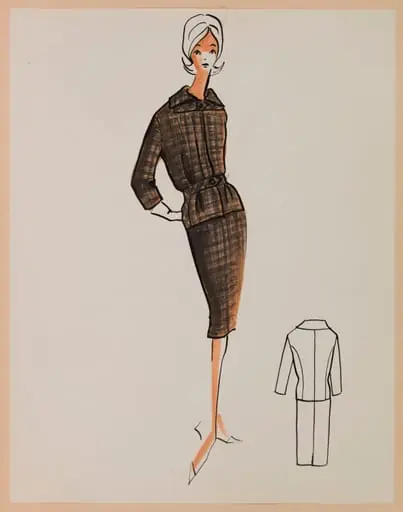
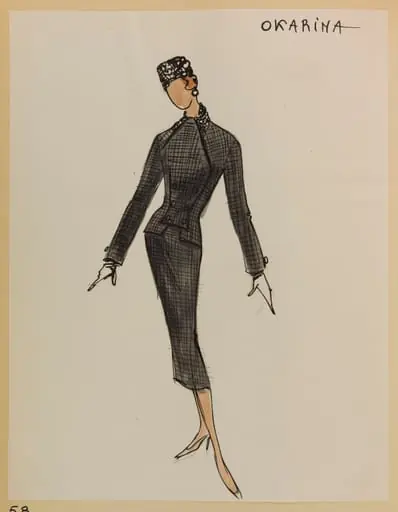
Created around 1955 by the French designer Carven, this ink drawing depicts a woman in a tailored plaid suit. The work is part of the Museum of Ethnography’s collection and reflects the designer’s interest in translating fashion into graphic form. Rendered with precise lines and minimal shading, the image captures movement and structure without relying on facial detail, emphasizing silhouette and posture over identity.
Subject & Meaning
The figure is shown mid-motion, left arm extended and right elbow bent, suggesting a gesture of confidence or transition. The absence of facial features universalizes the subject, turning her into an archetype of modern femininity rather than a specific individual. The plaid suit, a hallmark of mid-century Parisian style, conveys refinement and restraint, aligning the image with postwar ideals of disciplined elegance.
Technique & Style
Executed in black ink, the drawing uses controlled linework and subtle tonal variations to suggest volume and texture. The plaid pattern is rendered with geometric clarity, while the folds of fabric are indicated through light hatching rather than heavy shading. This restrained approach prioritizes clarity and rhythm, characteristic of fashion illustration from the period that favored suggestion over realism.
History & Provenance
The drawing entered the Museum of Ethnography’s collection in the late 20th century, likely as part of a broader acquisition of fashion-related materials documenting European design. Its origin as a preparatory sketch or promotional image for Carven’s collections remains undocumented, but its preservation suggests recognition of its value as a cultural artifact of mid-century style.
Context
In the 1950s, fashion houses increasingly collaborated with illustrators to promote their designs through stylized imagery. Carven, known for her tailored womenswear, used such drawings to communicate the movement and structure of her garments. This piece reflects a broader trend where fashion was not only worn but visually narrated, bridging design, art, and identity in postwar Europe.
Legacy
Though Carven is better known for her clothing, this drawing endures as a quiet testament to the artistry behind fashion presentation. It exemplifies how mid-century designers used graphic media to elevate apparel into visual language. The work contributes to scholarly understanding of how fashion was conceptualized, communicated, and archived outside the runway.
Artist & collection
Artist
These delicate ink-on-paper drawings capture the quiet poetry of everyday things: pinecones, reeds, apples.

Museum
Palais Galliera - Musée de la Mode de la Ville de Paris
Continue through works from the same source collection.