Artwork
Chipirod
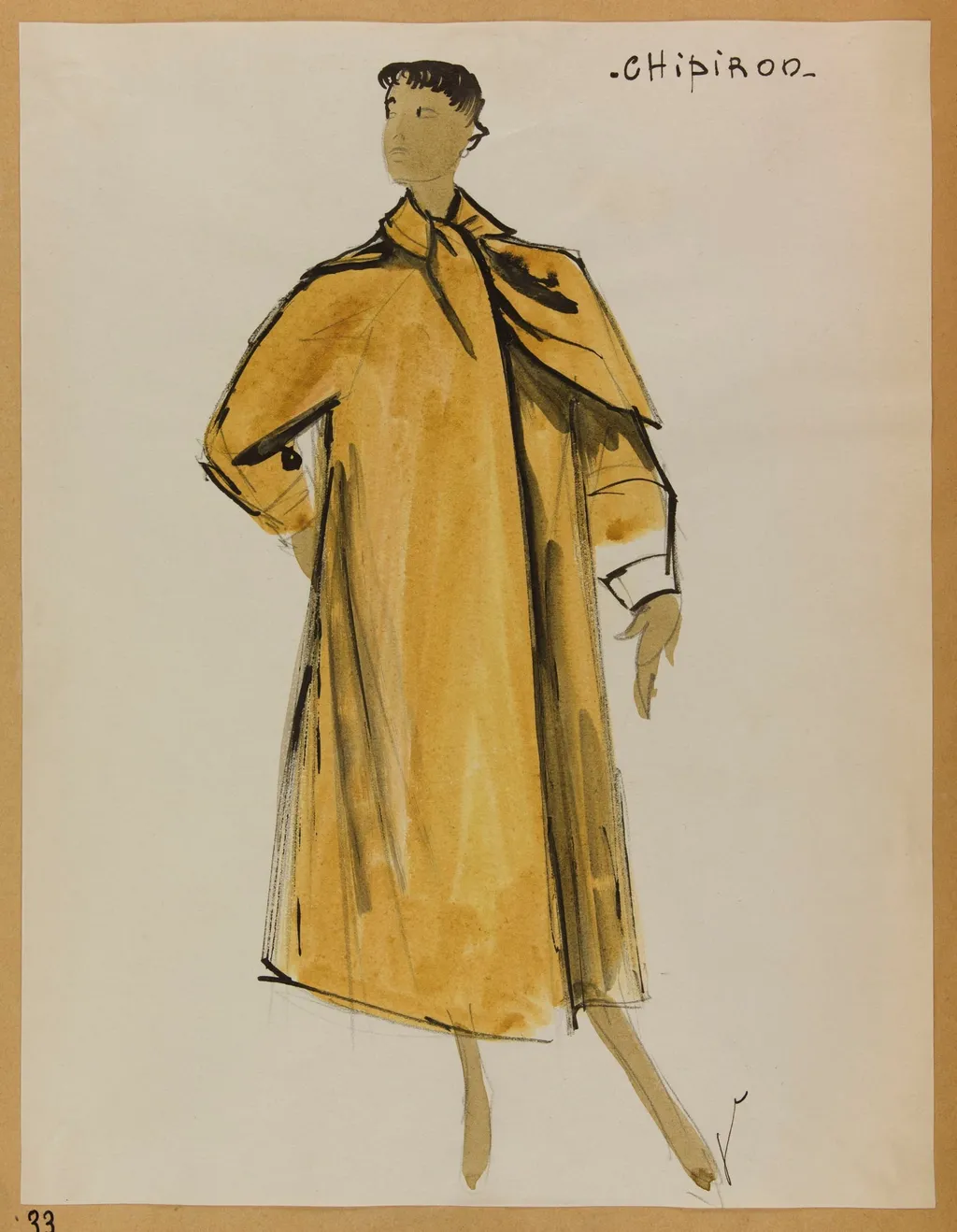
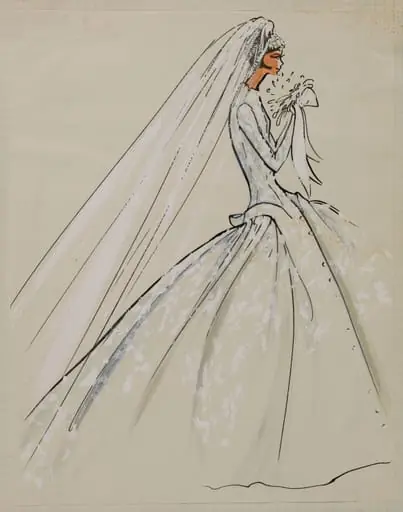
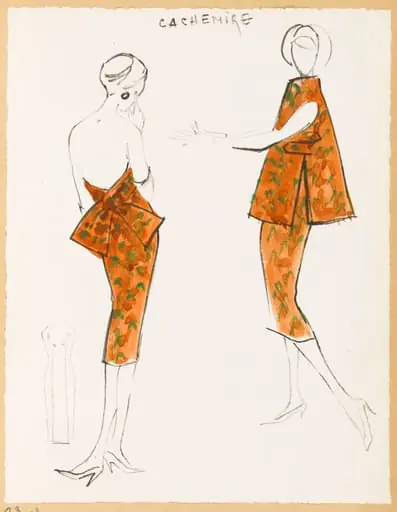
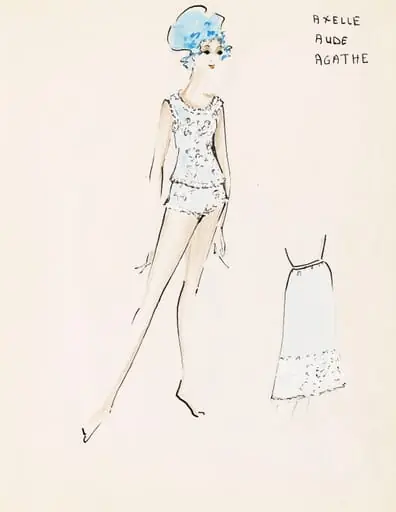
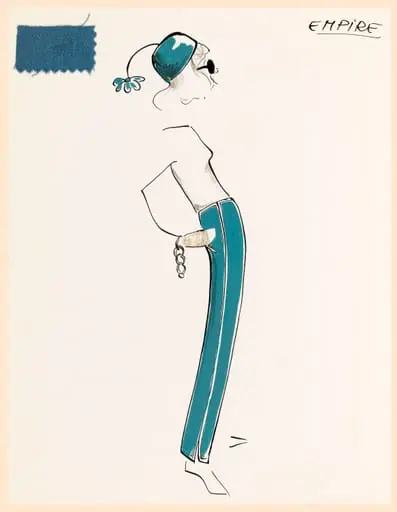
Chipirod is a drawing by Carven. It dates from 1952 and is held in the collection of the Palais Galliera - Musée de la Mode de la Ville de Paris.
About this work
Overview
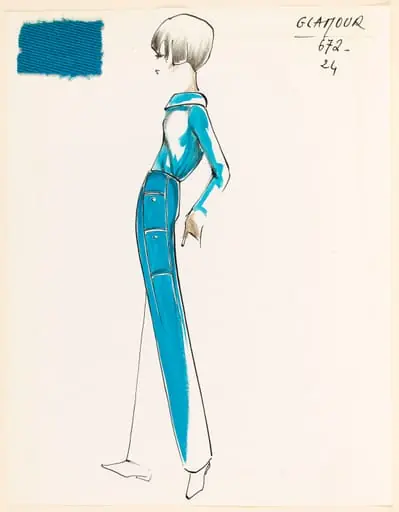
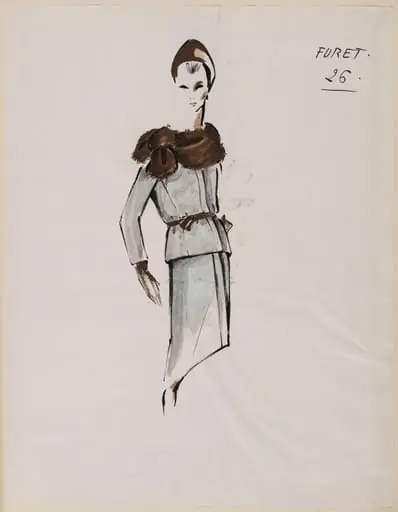
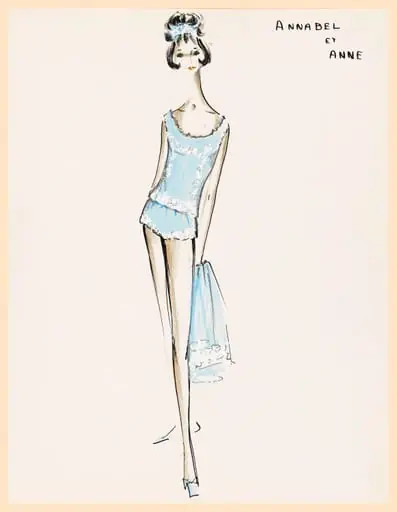
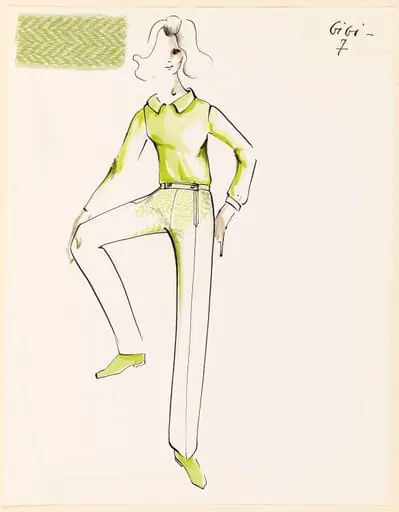
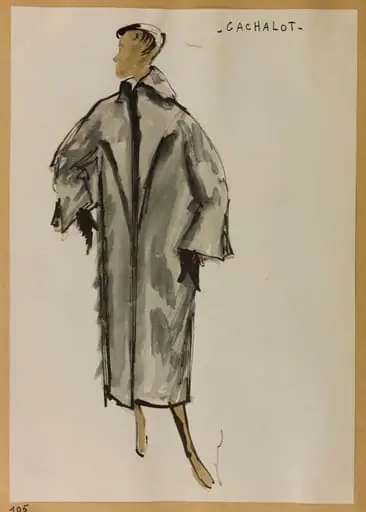
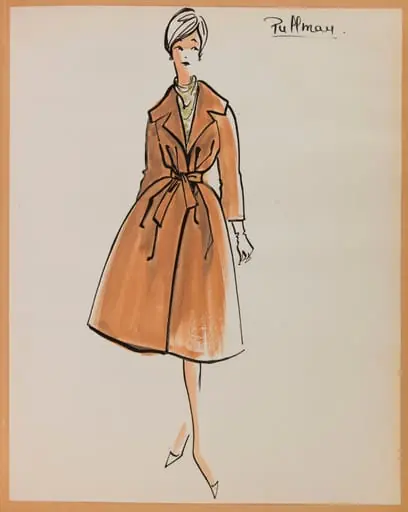
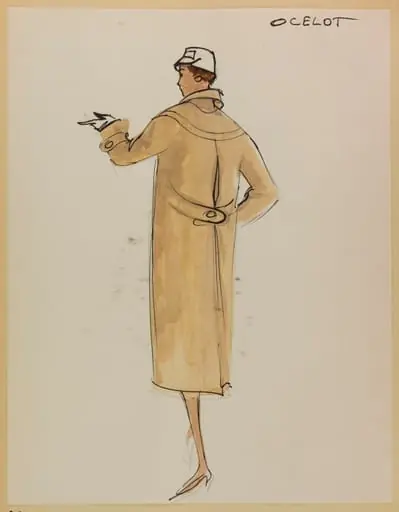
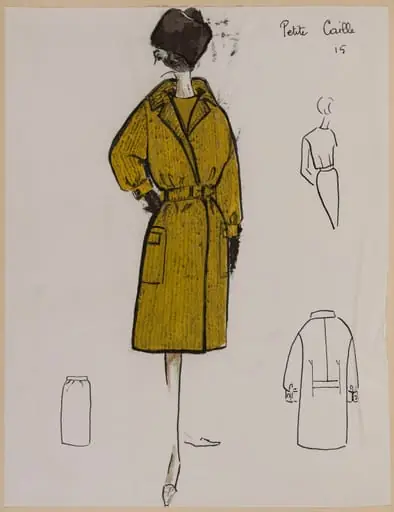
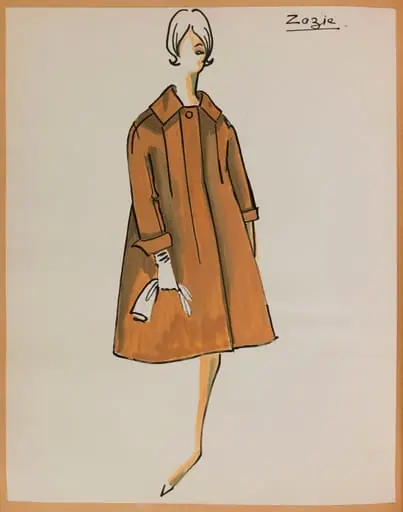
Chipirod is a 1952 ink sketch by the artist Carven, currently in the collection of the Museum of Ethnography. Executed with swift, minimal lines, it depicts a figure in a loosely tailored coat with broad lapels and softly puffed sleeves. The drawing lacks detailed rendering, suggesting it was made as a rapid observational study rather than a polished composition.
Subject & Meaning
The figure, posed casually with one hand in a pocket and the other on the hip, conveys a sense of informal ease. The attire appears contemporary to the era, possibly reflecting everyday urban dress. The title, signed by the artist as 'Chipirod,' may be a personal alias or wordplay, hinting at a private or playful intent behind the work.
Technique & Style
Carven used fluid, unrefined ink lines to capture form with economy. The absence of shading or texture emphasizes gesture over detail, aligning with sketchbook practices common among designers. The loose handling suggests spontaneity, prioritizing the essence of posture and silhouette over finish or realism.
History & Provenance
Created in 1952, the drawing entered the Museum of Ethnography’s holdings at an unspecified date. Its origin as a personal study rather than a commissioned piece makes its institutional acquisition notable. No documentation exists regarding its early ownership or exhibition history prior to museum acquisition.
Context
In the early 1950s, many artists and designers used quick sketches to explore clothing forms and body dynamics. Carven’s work aligns with this trend, particularly among those engaged with fashion’s evolving silhouettes. The sketch’s informal nature reflects a broader shift toward process-oriented visual documentation in postwar design circles.
Legacy
Chipirod remains a quiet example of Carven’s observational practice, offering insight into how fashion elements were studied outside formal presentations. While not widely reproduced or discussed, it contributes to understanding the informal methods behind mid-century garment design and the artist’s personal visual language.
Artist & collection
Artist
These delicate ink-on-paper drawings capture the quiet poetry of everyday things: pinecones, reeds, apples.
Museum
Palais Galliera - Musée de la Mode de la Ville de Paris
Continue through works from the same source collection.