Artwork
Eaton
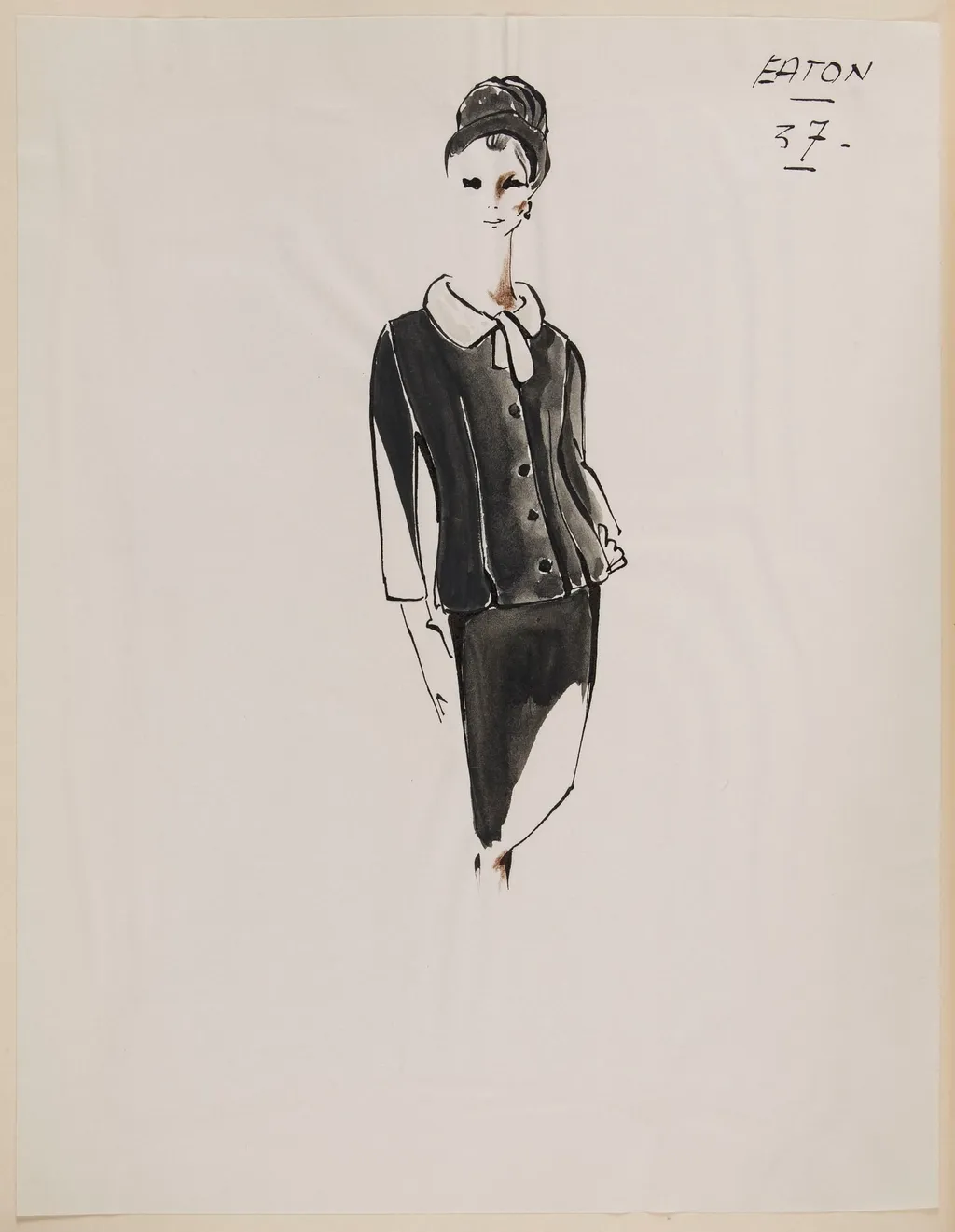
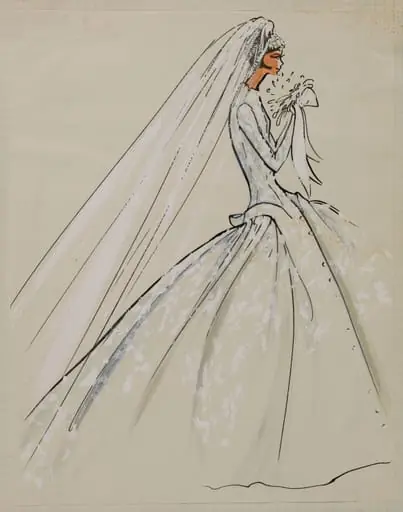
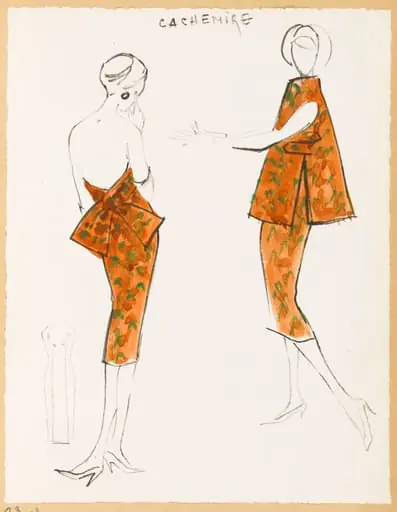
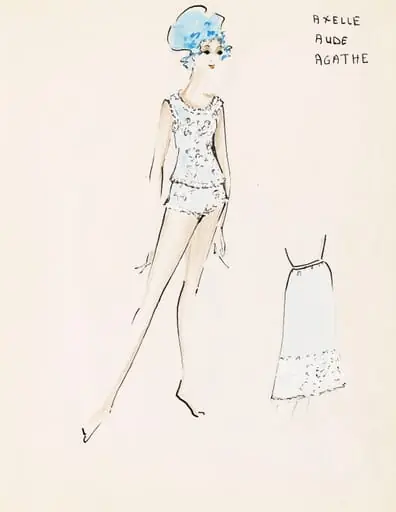
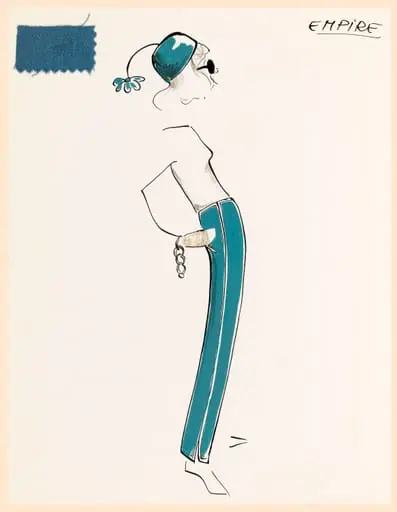
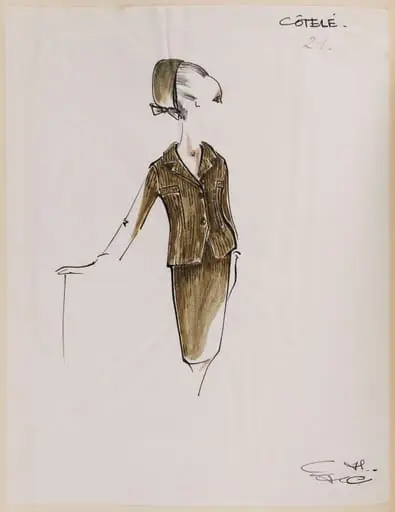
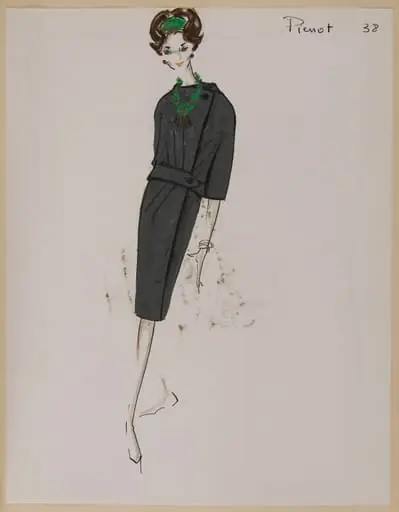
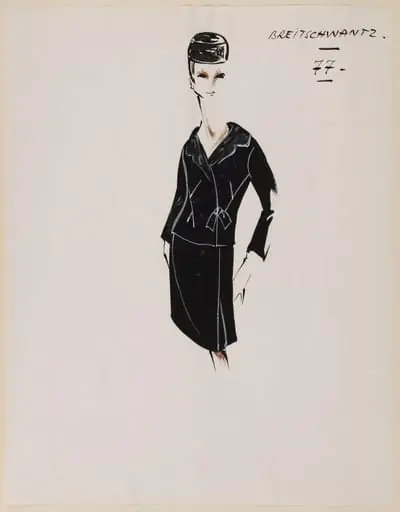
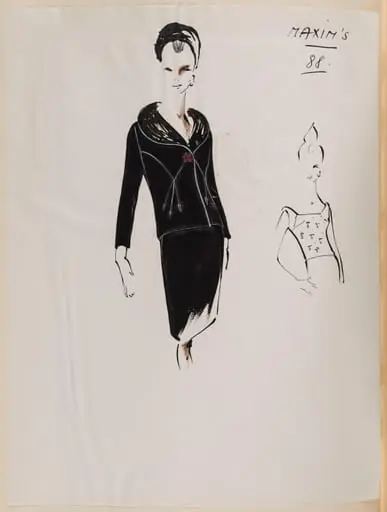
Eaton is a drawing by Carven. It dates from 1963 and is held in the collection of the Palais Galliera - Musée de la Mode de la Ville de Paris.
About this work
Overview
The work captures a single figure in a spontaneous, gestural style, suggesting it was made as a quick study rather than a finished piece.
Created around 1963 by Carven, Eaton is a pencil sketch on paper, currently held in the collection of the Museum of Ethnography. The work captures a single figure in a spontaneous, gestural style, suggesting it was made as a quick study rather than a finished piece. Its modest scale and informal execution reflect an artist’s observational practice, possibly tied to costume or social documentation.
Subject & Meaning
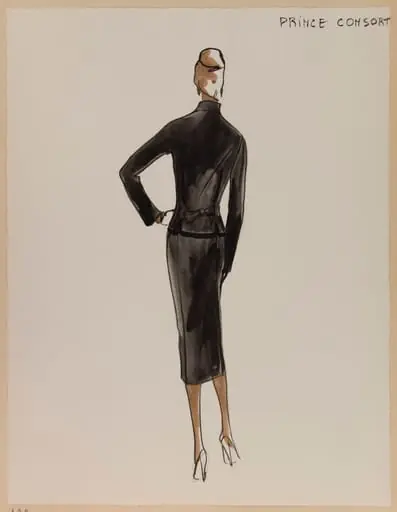
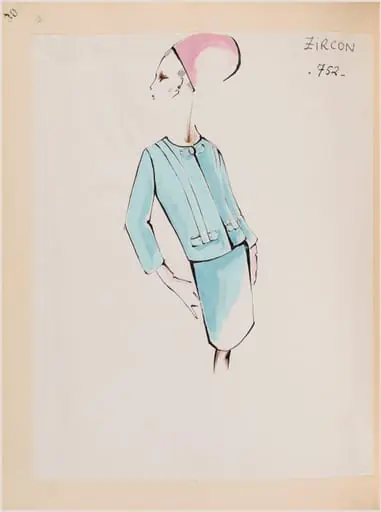
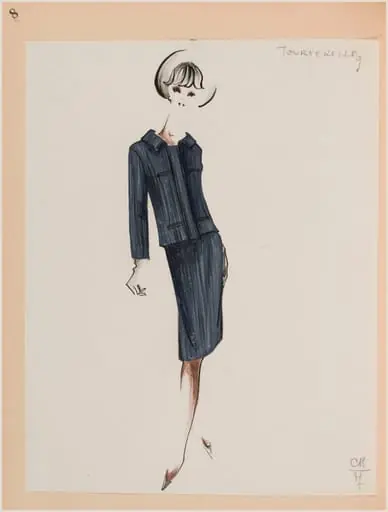
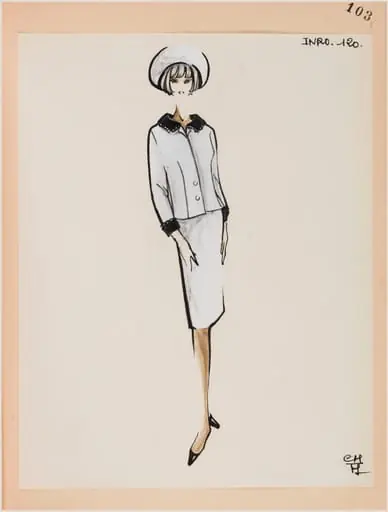
The subject is a woman dressed in a tailored black jacket with a white collar and tie, paired with a knee-length skirt and a small brimmed hat. The attire suggests a mid-century professional or urban setting, though no specific identity is indicated. The title 'Eaton'—scrawled in the corner—may reference a location, surname, or internal catalog code, leaving its exact significance open to interpretation.
Technique & Style
Carven rendered the figure with loose, rapid pencil strokes that emphasize movement over detail. Contours are suggested rather than defined, and shading is minimal, relying on line weight and direction. The absence of cross-hatching or tonal modeling reinforces the sketch’s immediacy, aligning it with observational drawing traditions focused on capturing form in real time.
History & Provenance
The drawing entered the Museum of Ethnography’s collection without documented provenance prior to its acquisition. No exhibition history or correspondence linking it to a specific project or commission has been preserved. Its survival as a standalone sketch implies it was retained by the artist or an associate for its formal qualities rather than its narrative content.
Context
In the early 1960s, Carven was engaged in documenting everyday dress and social types, often through quick studies. This work aligns with broader postwar ethnographic efforts to record civilian attire as cultural artifact. Unlike formal portraits, Eaton prioritizes the visual rhythm of clothing over individual expression, reflecting a shift toward anthropological observation in artistic practice.
Legacy
Eaton remains a quiet example of Carven’s sketchbook practice, offering insight into how costume and posture were studied before larger compositions. While not widely exhibited, it contributes to understanding the artist’s method of recording social detail. Its preservation in an ethnographic context underscores its value as a record of mid-century visual culture rather than artistic ambition.
Artist & collection
Artist
These delicate ink-on-paper drawings capture the quiet poetry of everyday things: pinecones, reeds, apples.
Museum
Palais Galliera - Musée de la Mode de la Ville de Paris
Continue through works from the same source collection.