Artwork
Isabelle
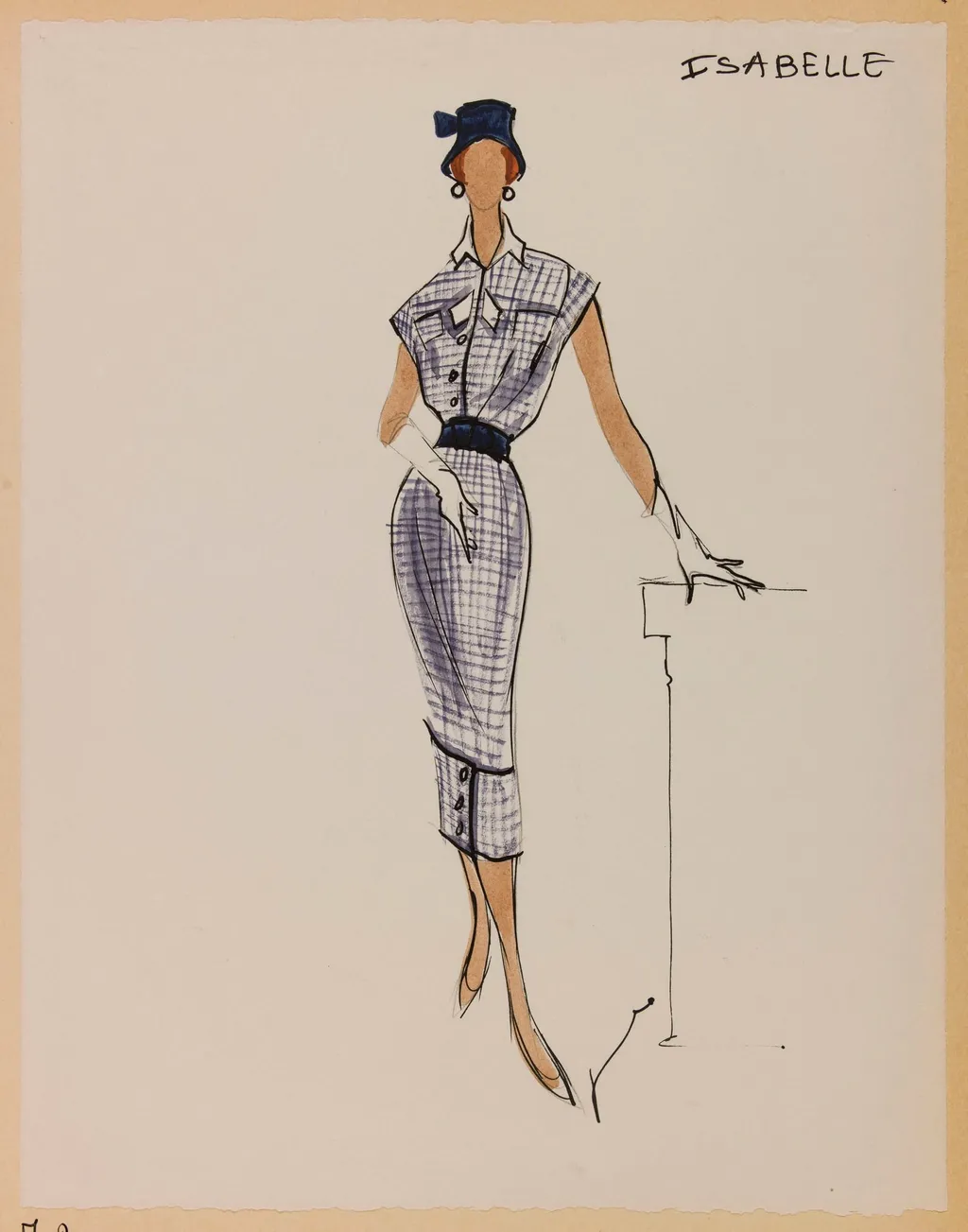
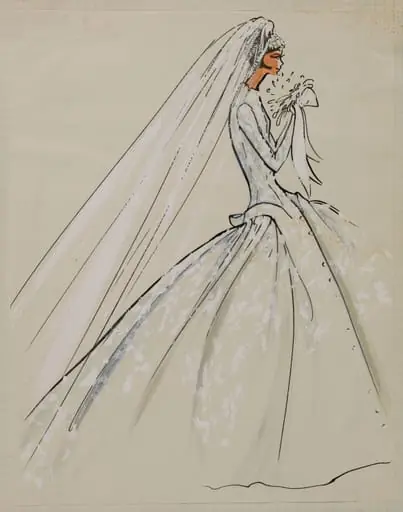
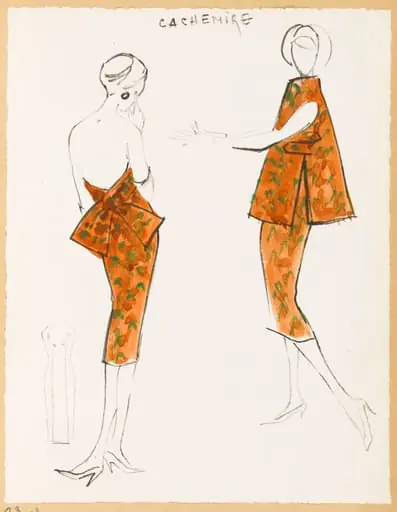
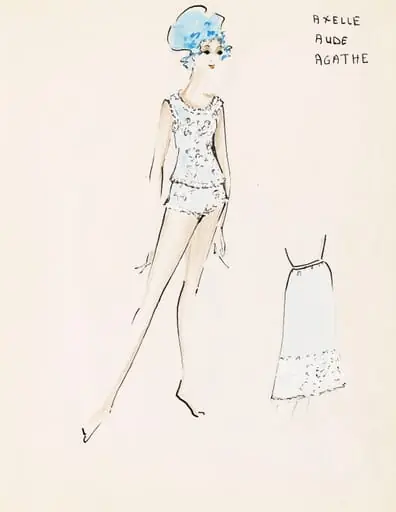
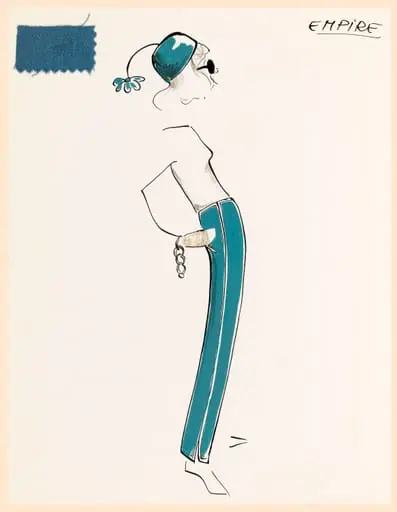
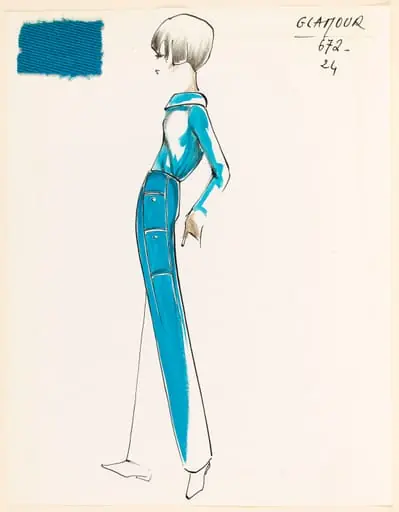
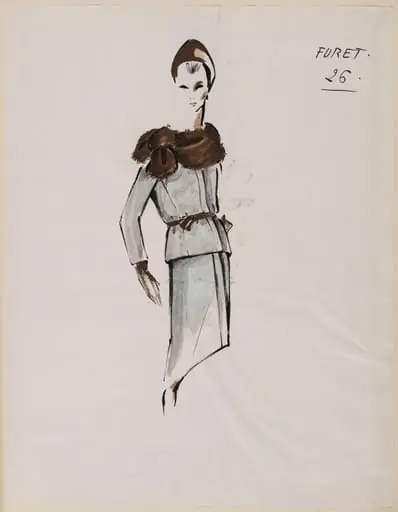
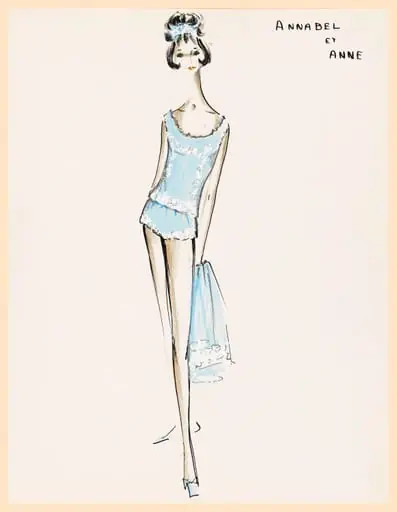
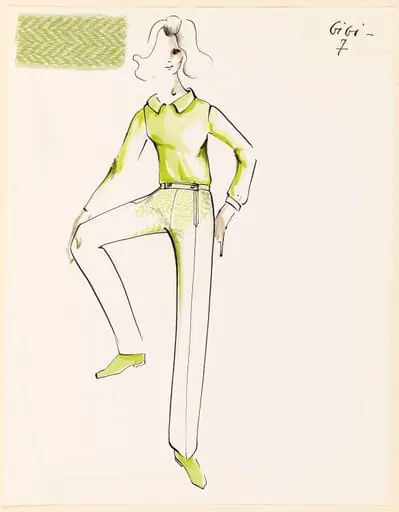
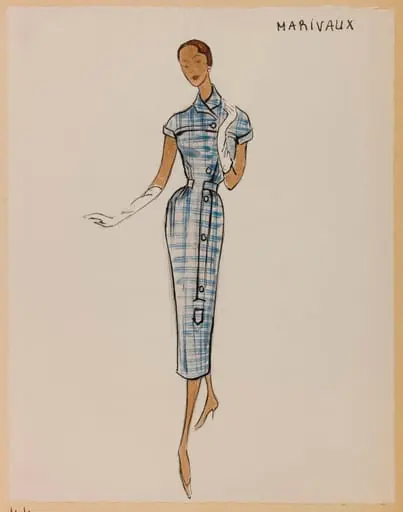
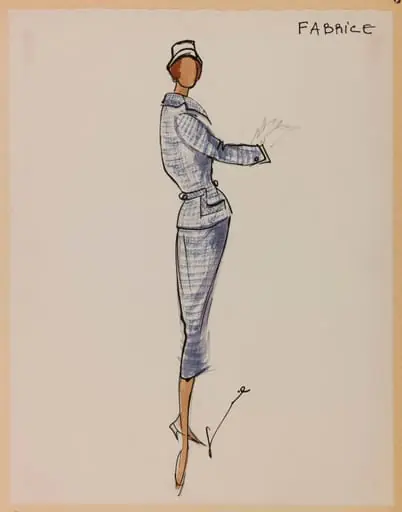
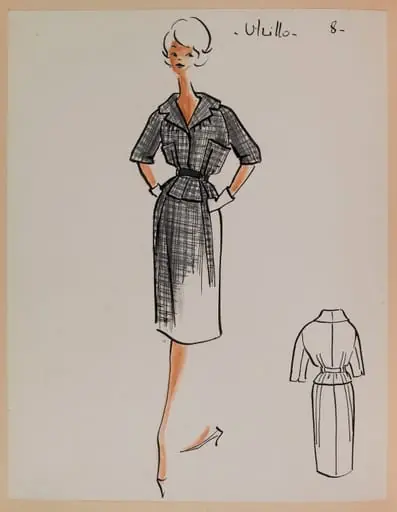
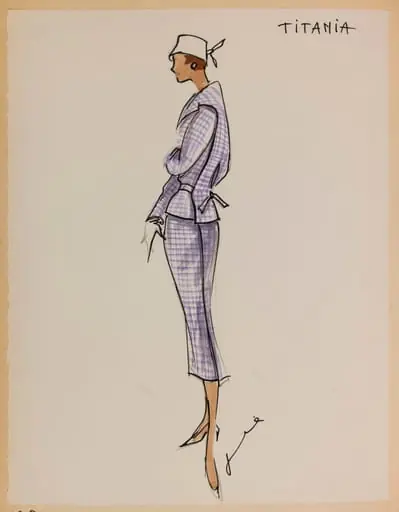
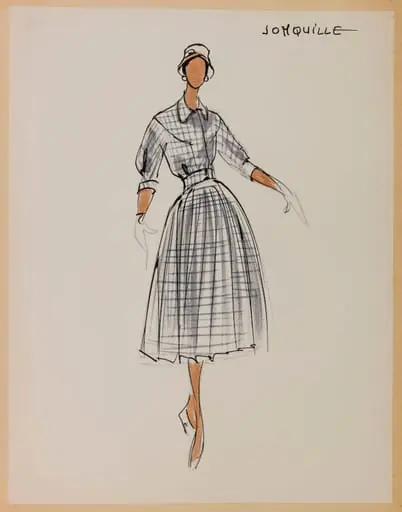
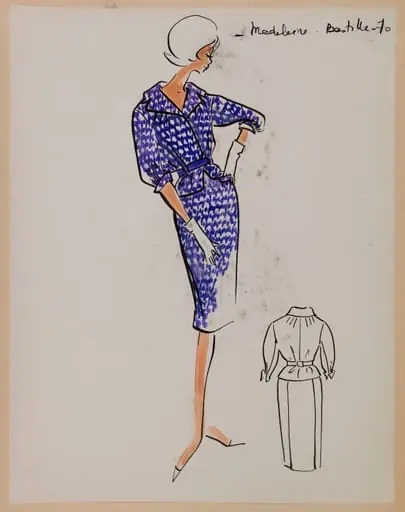
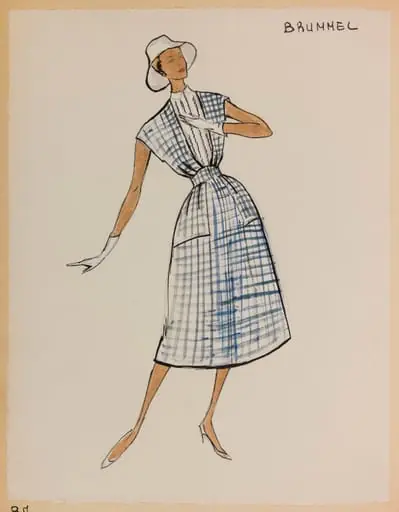
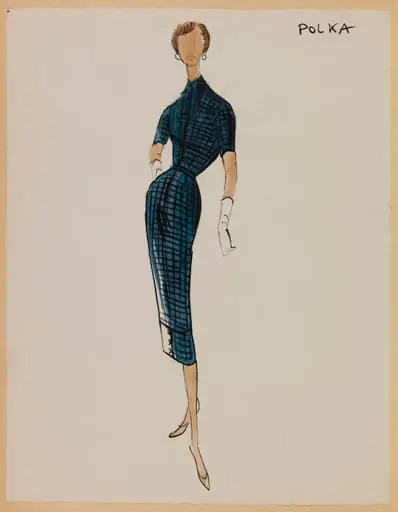
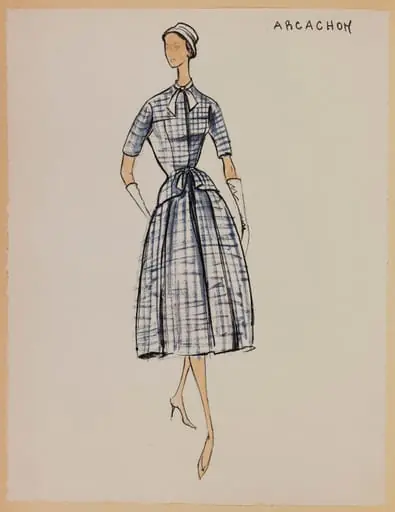
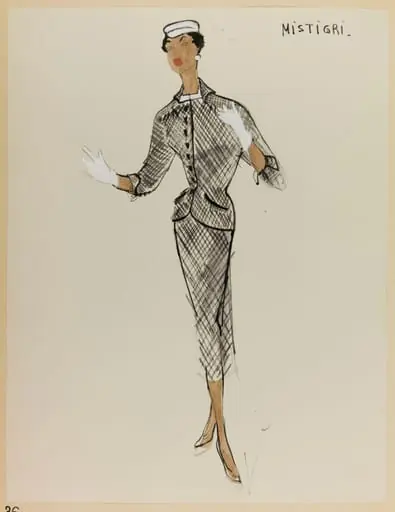
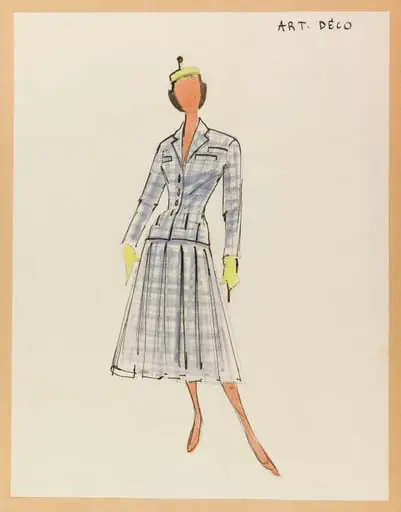
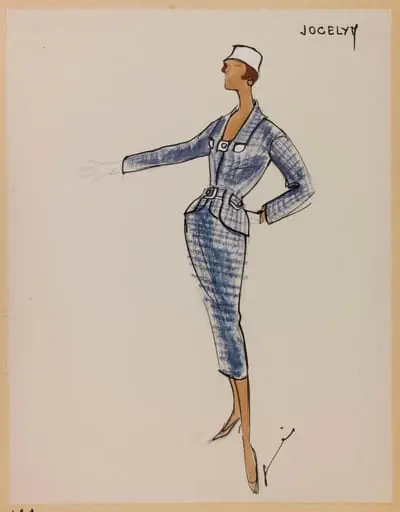
Isabelle is a drawing by Carven. It dates from 1956 and is held in the collection of the Palais Galliera - Musée de la Mode de la Ville de Paris.
About this work
Overview
The drawing is held in the collection of the Museum of Ethnography, where it functions as a record of mid-century fashion design rather than a finished artwork.
Isabelle is a pencil sketch dated around 1956, attributed to the French fashion designer Carven. Executed in delicate, rapid lines, it captures a woman in casual yet refined attire. The drawing is held in the collection of the Museum of Ethnography, where it functions as a record of mid-century fashion design rather than a finished artwork. The name 'Isabelle' appears in the upper corner, suggesting a personal or professional connection to the subject.
Subject & Meaning
The figure depicted is a woman dressed in a checkered shirt and high-waisted trousers, both cut with a balance of structure and ease. A small purse rests in her hand, and a dark bow hat completes the ensemble. The outfit reflects a postwar preference for practical, wearable style, possibly designed for everyday life. The inclusion of her name implies the subject may have been a model, muse, or collaborator, grounding the sketch in real-life context rather than idealized fantasy.
Technique & Style
The drawing employs minimal, fluid pencil strokes to suggest form without detail. Facial features and hands are rendered with swift, suggestive lines, while clothing folds are indicated through light contours. The absence of shading or texture emphasizes line over volume, aligning with fashion illustration traditions of the period. This economy of means prioritizes clarity and speed, typical of design sketches intended for internal use or client presentation.
History & Provenance
The sketch entered the Museum of Ethnography’s collection as part of a broader archive of 20th-century fashion materials. Its origin traces to Carven’s studio during the mid-1950s, a period when the designer was refining her signature blend of Parisian elegance and functional design. No documentation confirms the identity of Isabelle, but the sketch’s preservation suggests it was considered representative of the house’s aesthetic at the time.
Context
Created during a time when women’s fashion was shifting toward relaxed silhouettes and accessible tailoring, the sketch reflects Carven’s role in democratizing chic. Unlike haute couture’s elaborate forms, this outfit prioritizes comfort without sacrificing polish. Similar designs appeared in Carven’s ready-to-wear lines, which targeted middle-class clients seeking stylish, wearable clothing in postwar Europe.
Legacy
Isabelle remains a quiet testament to Carven’s influence on everyday fashion. Though not widely exhibited, the sketch contributes to understanding how design studios documented their work before mass production. It illustrates the transition from couture to ready-to-wear, capturing a moment when fashion became more personal, practical, and grounded in the lives of its wearers.
Artist & collection
Artist
These delicate ink-on-paper drawings capture the quiet poetry of everyday things: pinecones, reeds, apples.
Museum
Palais Galliera - Musée de la Mode de la Ville de Paris
Continue through works from the same source collection.