Artwork
Loriot
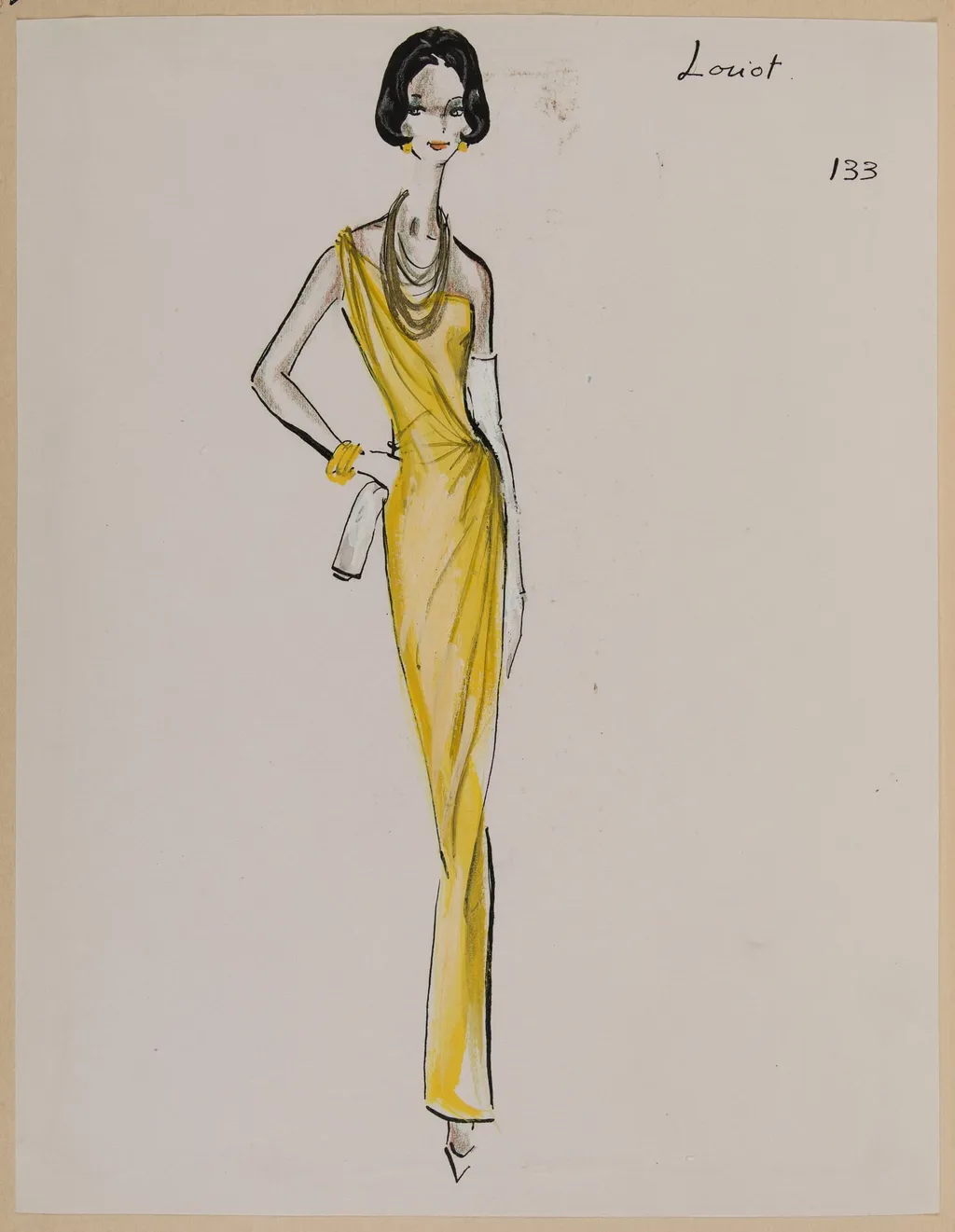
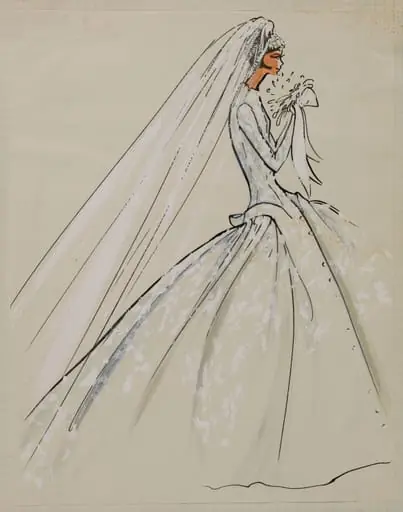
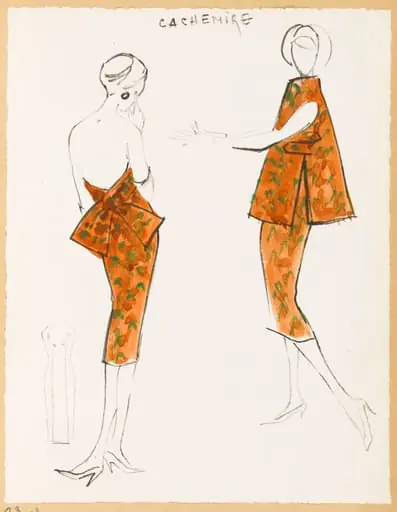
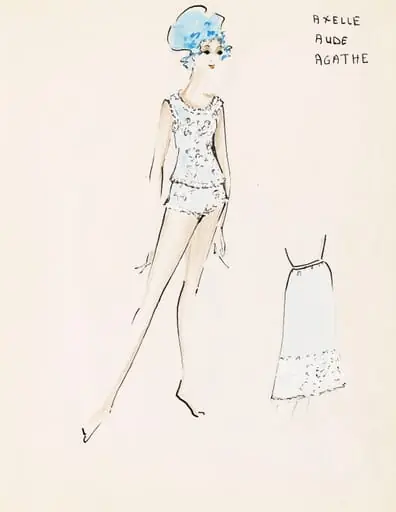
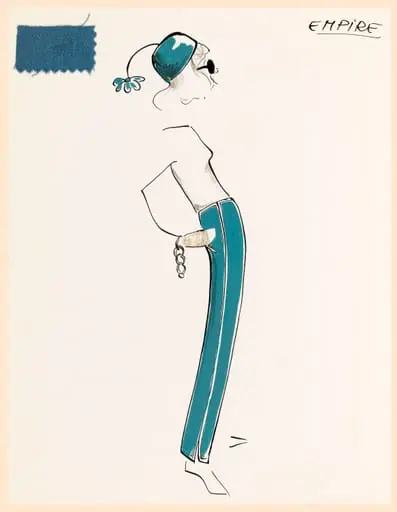
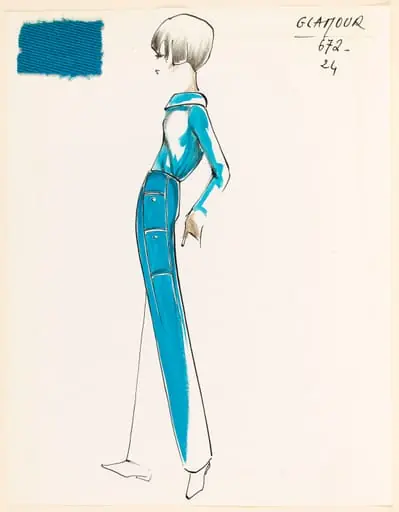
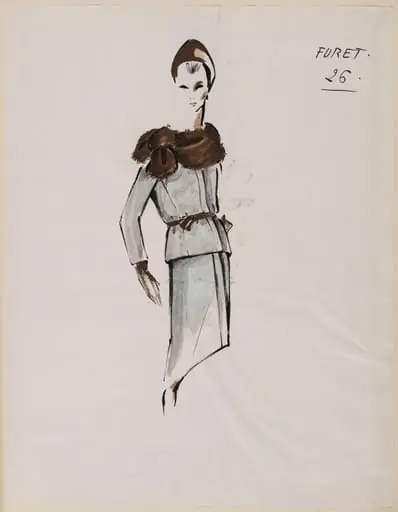
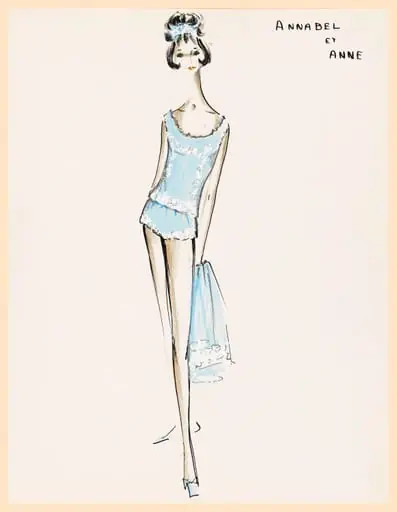
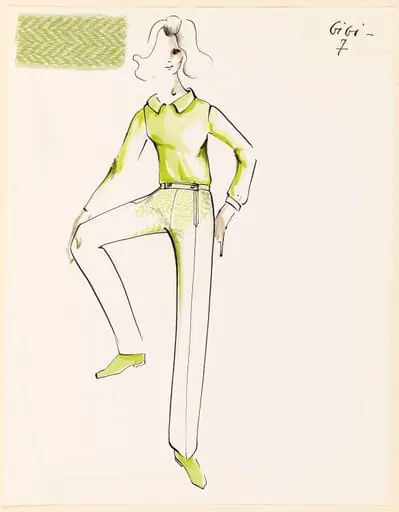
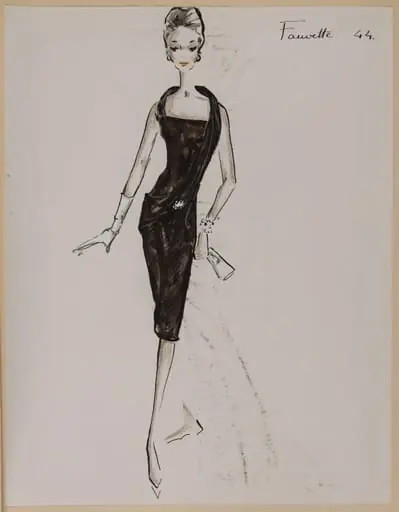
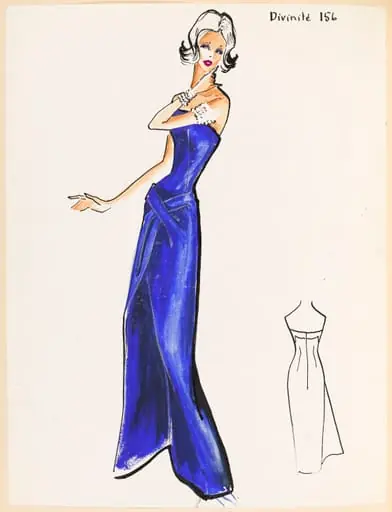
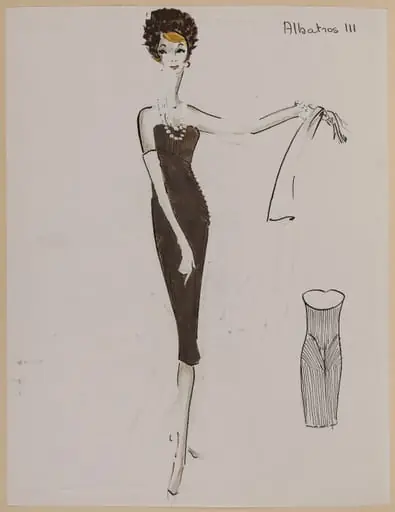
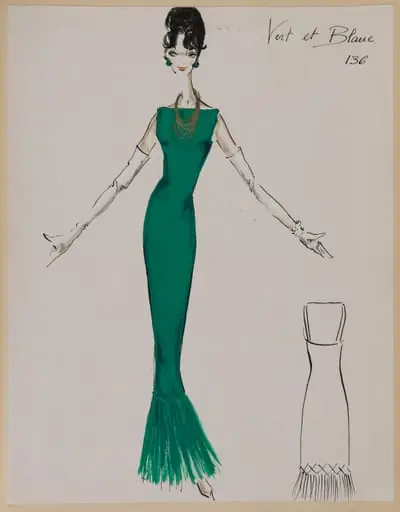
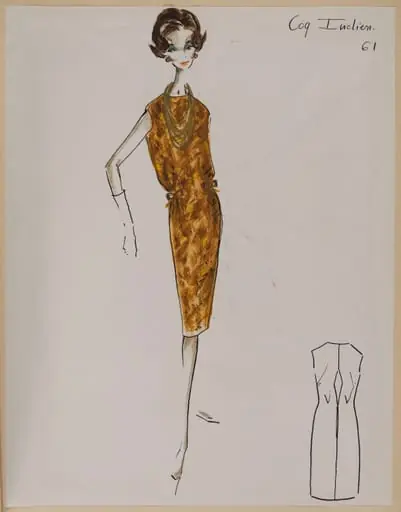
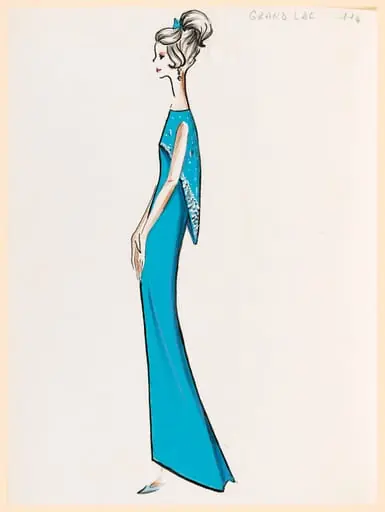
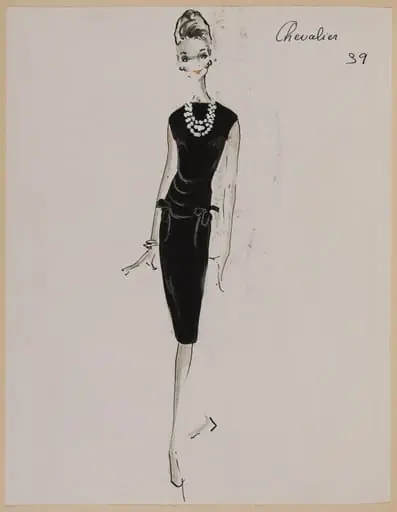
Loriot is a drawing by Carven. It dates from 1960 and is held in the collection of the Palais Galliera - Musée de la Mode de la Ville de Paris.
About this work
Overview
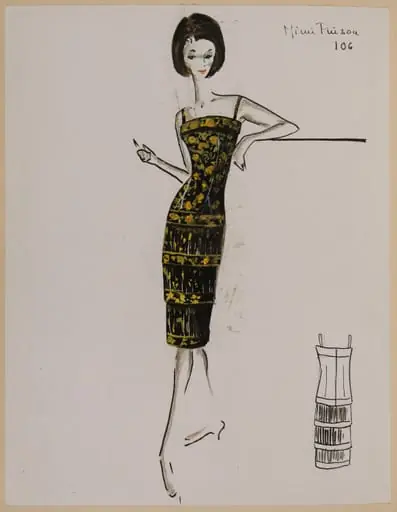
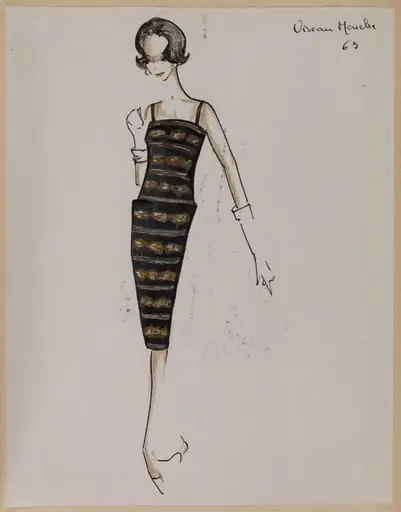
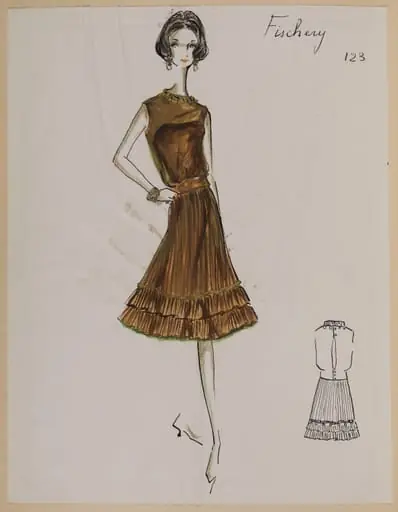
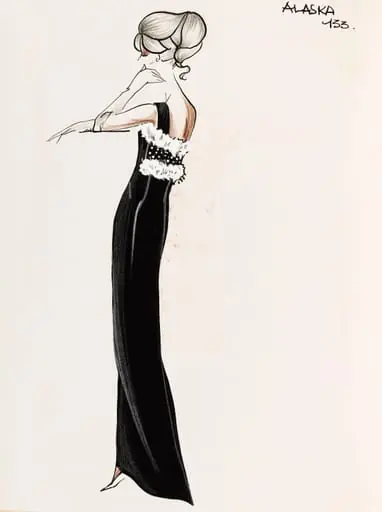
Created around 1960 by the French designer Carven, this ink drawing captures a woman in a minimalist setting. Executed with fluid, assured strokes, the work emphasizes form and posture over detail. It resides in the collection of the Museum of Ethnography, where it is presented as an example of mid-century fashion illustration, reflecting the era’s clean aesthetic and focus on wearable elegance.
Subject & Meaning
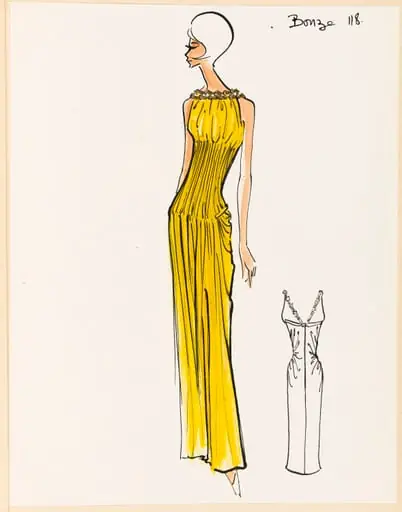
The figure is a woman dressed in a long, yellow dress, standing with casual poise—one hand on her hip, the other holding a small bag.
The figure is a woman dressed in a long, yellow dress, standing with casual poise—one hand on her hip, the other holding a small bag. Her short, tidy hair and understated jewelry suggest a modern, self-assured identity. The plain background eliminates distraction, directing attention to her silhouette and the dress’s streamlined cut. The image conveys quiet confidence rather than narrative, aligning with postwar ideals of refined, everyday femininity.
Technique & Style
The drawing employs swift, unbroken ink lines to define form, avoiding shading or texture. The yellow dress emerges through contrast against the pale paper, its smooth contours suggesting fabric’s drape without literal rendering. The artist’s hand is deliberate yet economical, favoring rhythm over precision. This approach reflects a design sensibility rooted in fashion sketching, where movement and silhouette are prioritized over realism.
History & Provenance
The work entered the Museum of Ethnography’s collection in the late 20th century as part of a broader acquisition of fashion-related materials. While Carven’s primary legacy lies in couture, this drawing represents a lesser-known facet of her practice—sketches made to document or promote designs. Its preservation underscores the institution’s interest in the intersection of fashion and cultural representation.
Context
Made in the early 1960s, the drawing reflects a shift in women’s fashion toward simplicity and mobility. The dress’s sleek lines and the figure’s composed stance echo the era’s move away from structured silhouettes toward more fluid, practical styles. In this context, the image functions not as fine art but as a visual record of contemporary dress, aligned with the museum’s mission to document everyday material culture.
Legacy
Though not widely exhibited, the drawing contributes to understanding Carven’s design philosophy beyond garments themselves. It illustrates how fashion designers used drawing to distill form and attitude, influencing how clothing was perceived as an expression of identity. The work remains a quiet testament to the role of sketching in shaping mid-century aesthetic values.
Artist & collection
Artist
These delicate ink-on-paper drawings capture the quiet poetry of everyday things: pinecones, reeds, apples.
Museum
Palais Galliera - Musée de la Mode de la Ville de Paris
Continue through works from the same source collection.