Artwork
Pauline
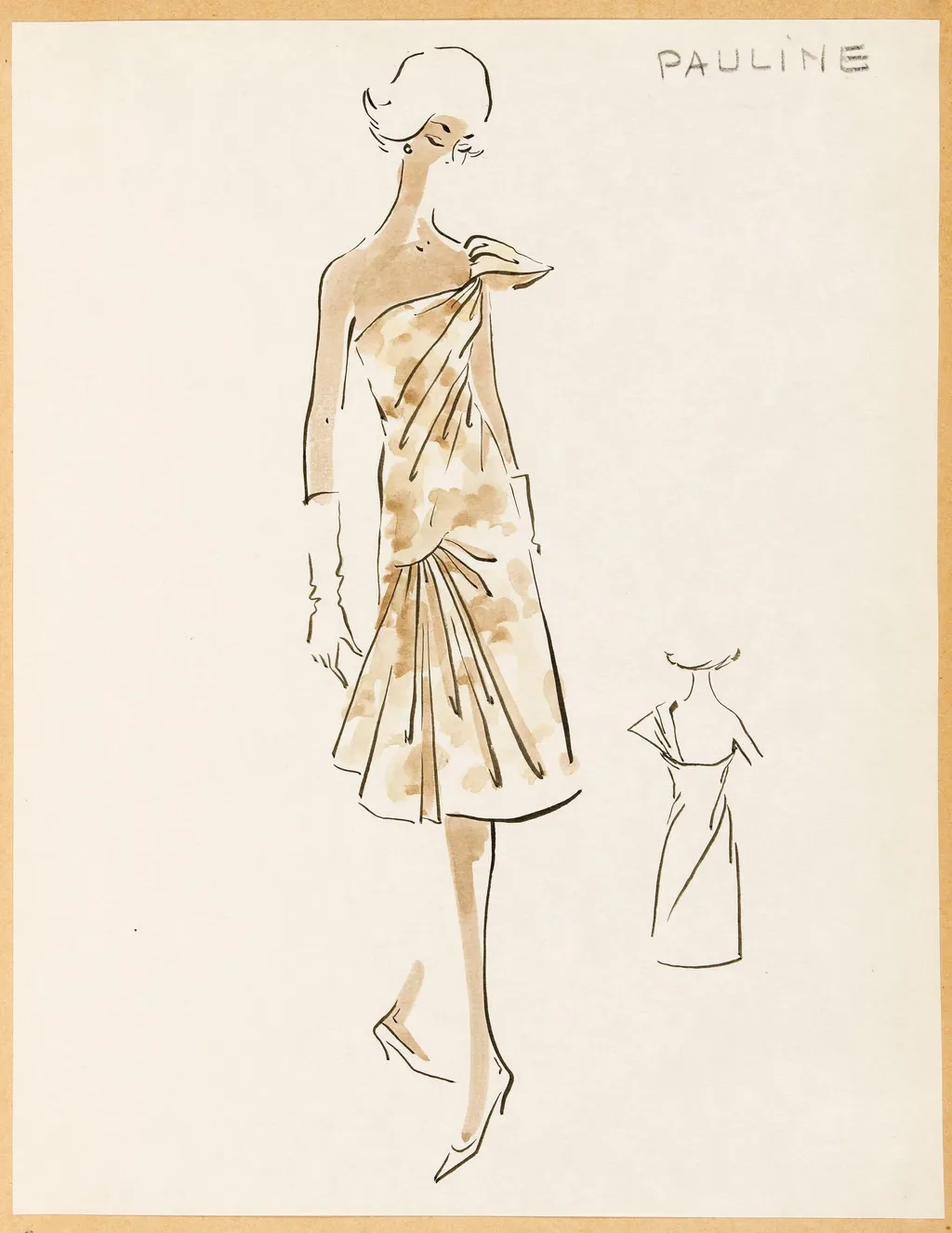
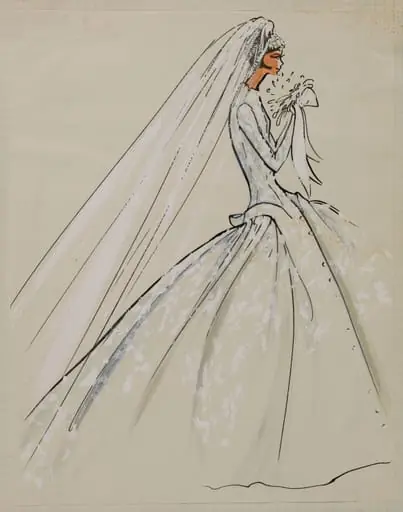
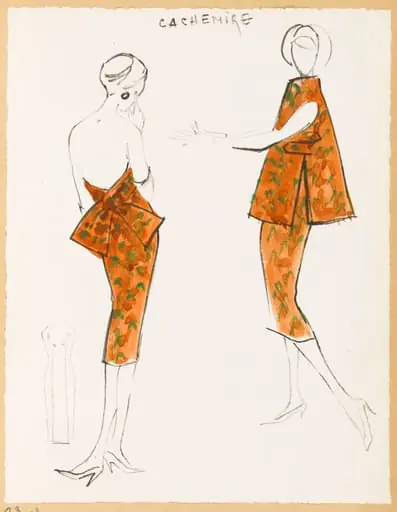
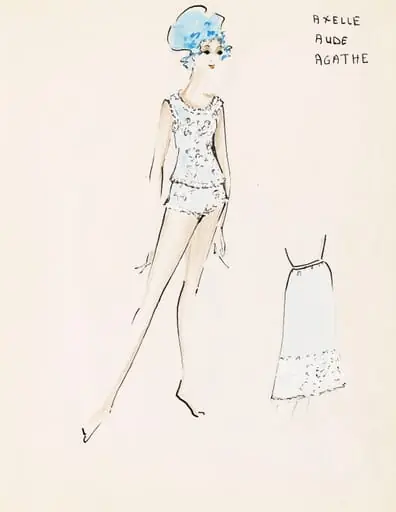
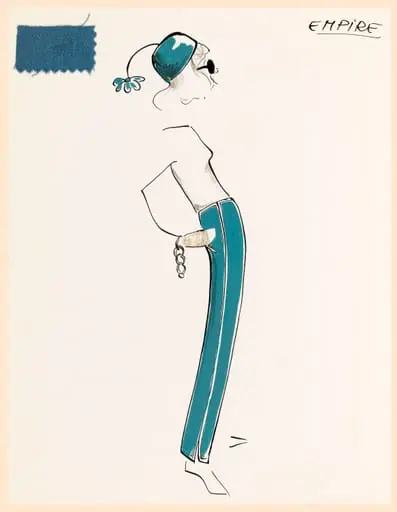
Pauline is a drawing by Carven. It dates from 1957 and is held in the collection of the Palais Galliera - Musée de la Mode de la Ville de Paris.
About this work
Overview
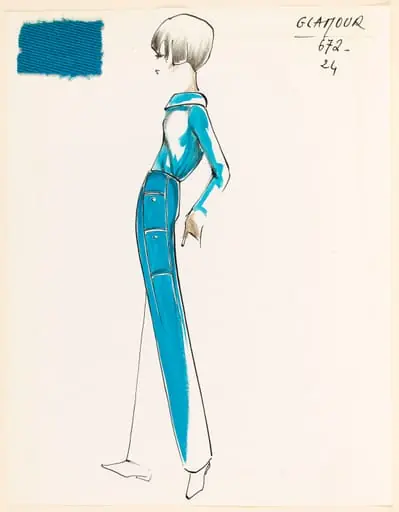
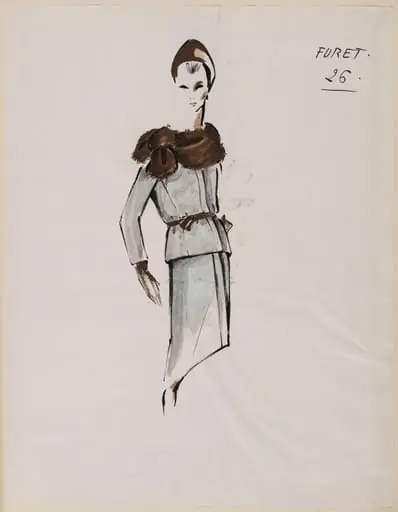
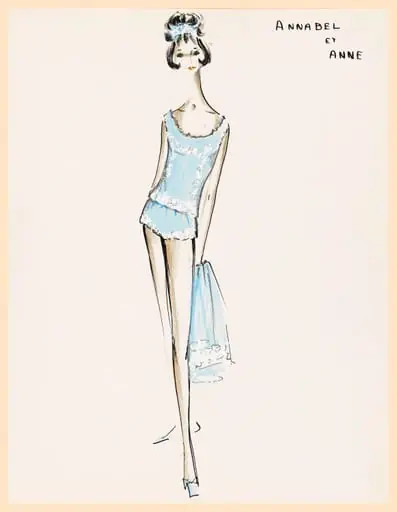
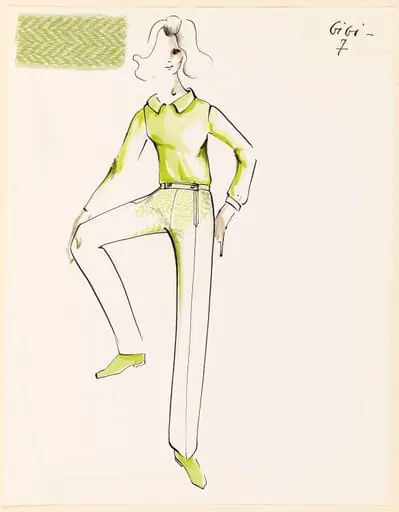
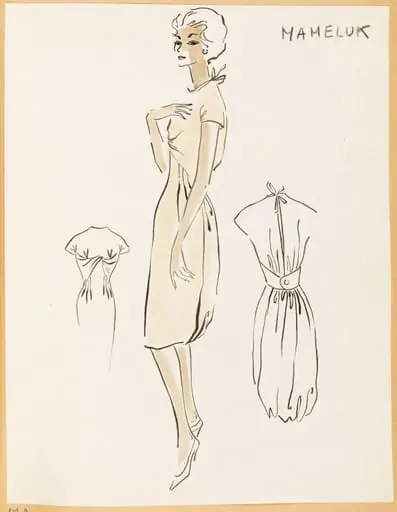
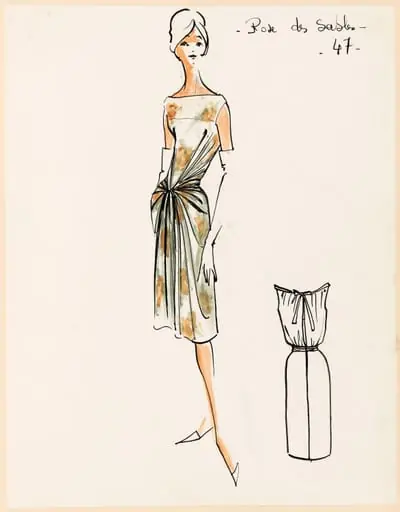
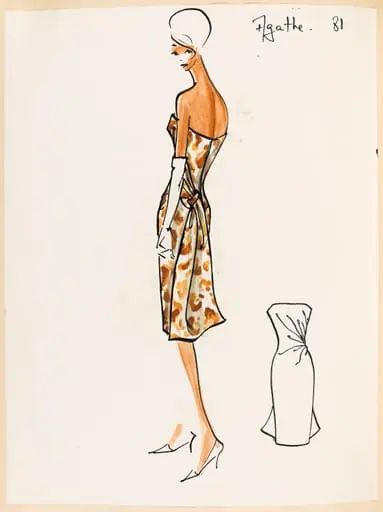
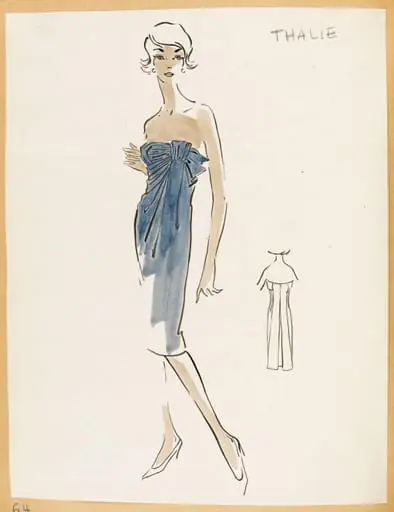
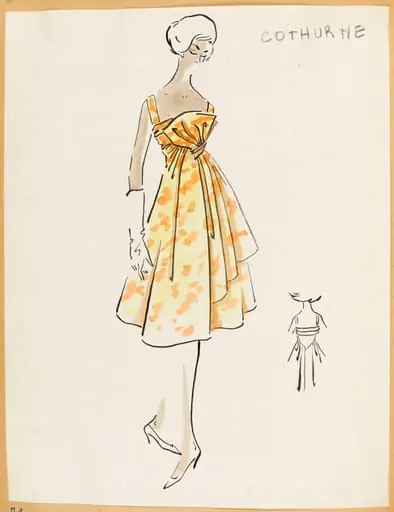
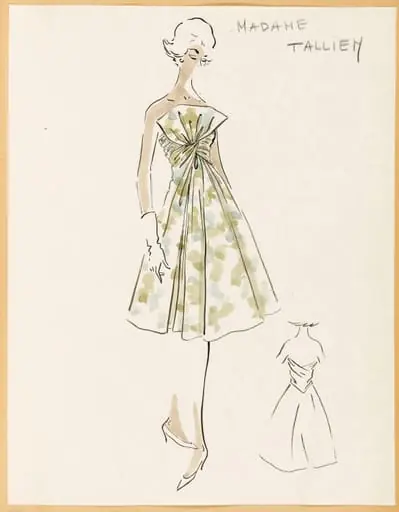
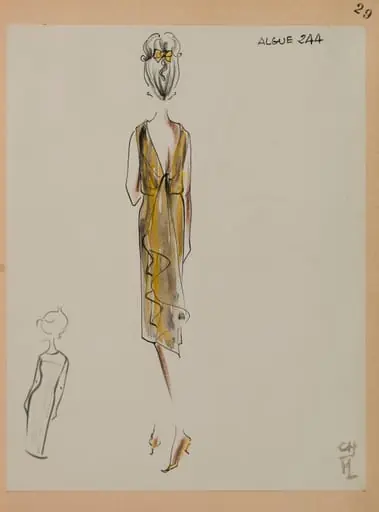
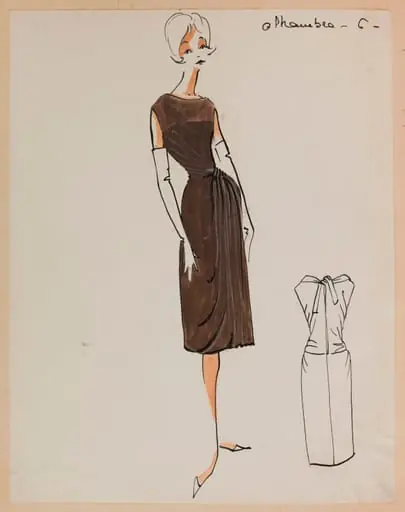
Created around 1957 by the French fashion house Carven, this ink and watercolor sketch depicts a woman in a minimalist dress. Executed with swift, assured lines, it captures a moment of design development rather than a finished illustration. The work is part of the Museum of Ethnography’s collection, where it is preserved as a record of mid-century fashion drafting practices.
Subject & Meaning
The figure, identified as Pauline, wears a sleeveless dress with a flared skirt, suggesting a casual yet refined silhouette popular in the late 1950s.
The figure, identified as Pauline, wears a sleeveless dress with a flared skirt, suggesting a casual yet refined silhouette popular in the late 1950s. Her neatly pinned hair and poised posture imply modesty and order. The small object in her hand remains ambiguous—perhaps a glove, a purse, or a prop for draping studies—hinting at the designer’s process of imagining garment interaction with the body.
Technique & Style
The sketch employs loose, fluid ink lines to define form, complemented by translucent watercolor washes that suggest fabric weight and fold. The back view of the dress, drawn smaller in the corner, reveals a methodical approach to design documentation. The absence of detail in the face and background focuses attention on the garment’s structure, characteristic of technical fashion drawings from the era.
History & Provenance
The drawing entered the Museum of Ethnography’s holdings as part of a broader acquisition of fashion archives from Carven’s atelier. Its informal nature suggests it was used internally during design sessions, later recognized for its insight into the studio’s workflow. No record of public exhibition prior to its museum acquisition exists, indicating its original function was private and utilitarian.
Context
In the late 1950s, Parisian fashion houses relied on hand-drawn sketches to communicate designs before pattern-making. Carven, known for its understated elegance, favored clean lines and practical silhouettes. This sketch reflects that aesthetic, aligning with postwar trends toward simplicity and mobility in women’s wear, contrasting with the more ornate styles of earlier decades.
Legacy
As a working drawing, Pauline offers a rare glimpse into the iterative process behind fashion design. Unlike final presentations, it reveals the spontaneity and problem-solving inherent in creation. Today, it serves as a historical artifact that illuminates the transition from hand-drawn concept to manufactured garment in mid-century fashion.
Artist & collection
Artist
These delicate ink-on-paper drawings capture the quiet poetry of everyday things: pinecones, reeds, apples.
Museum
Palais Galliera - Musée de la Mode de la Ville de Paris
Continue through works from the same source collection.