Artwork
Picador
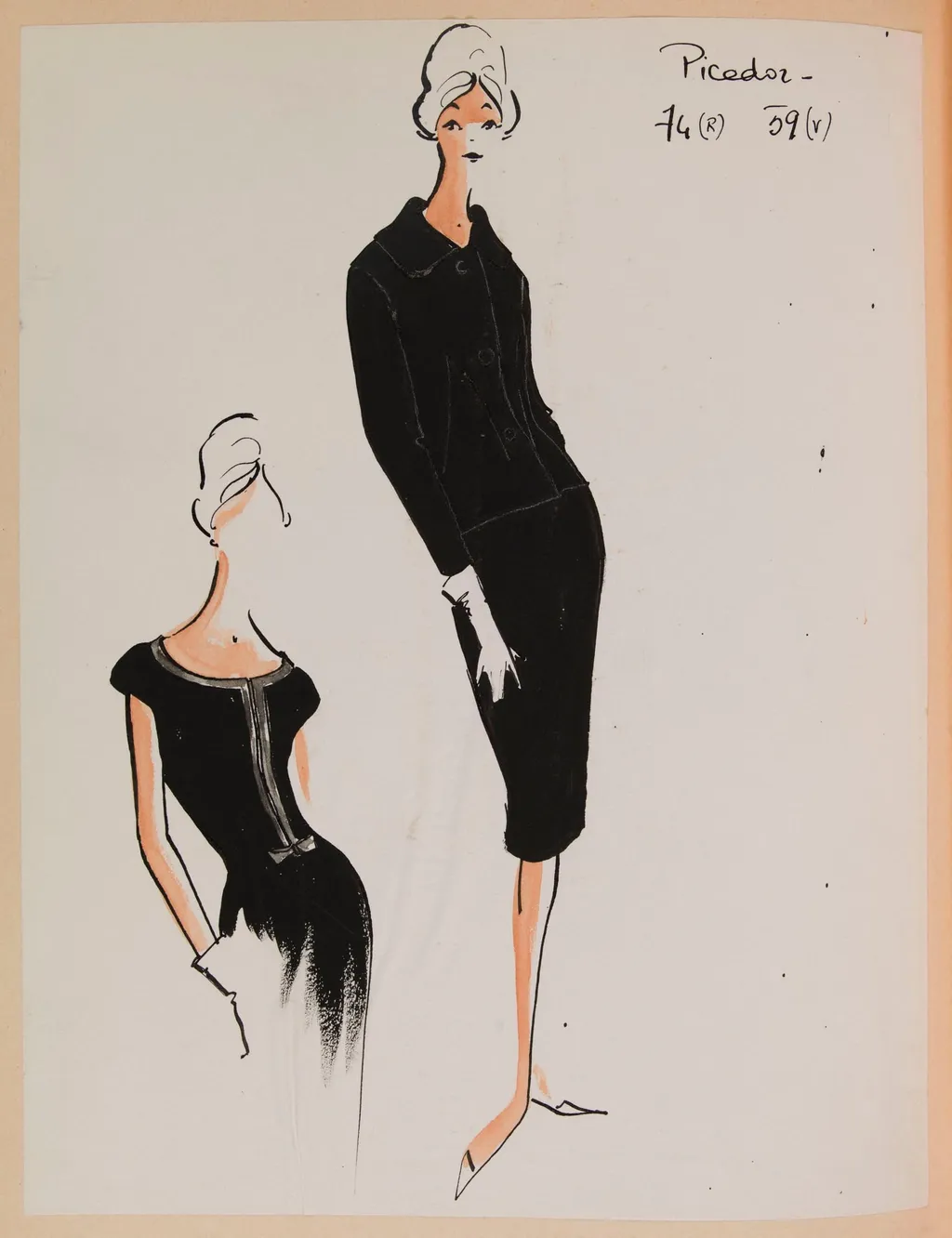
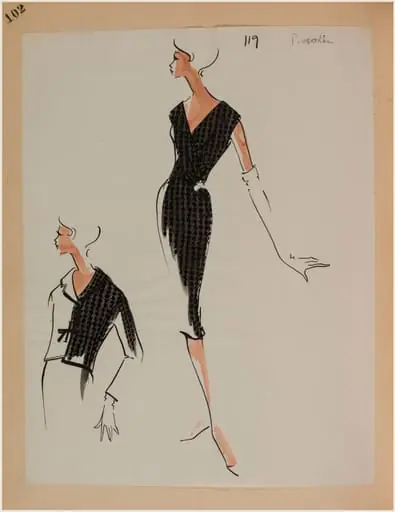
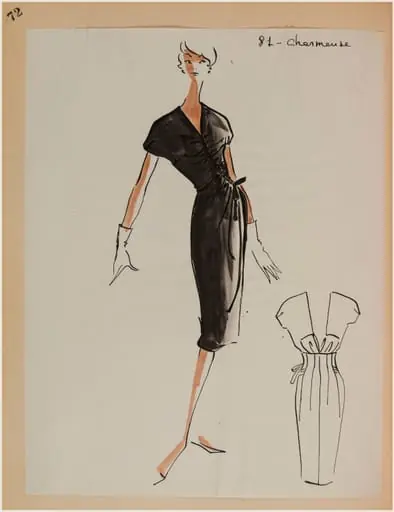
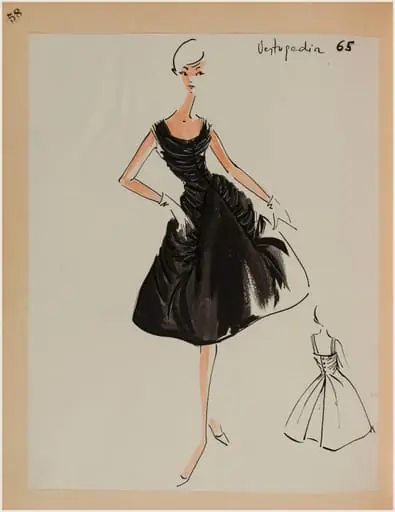
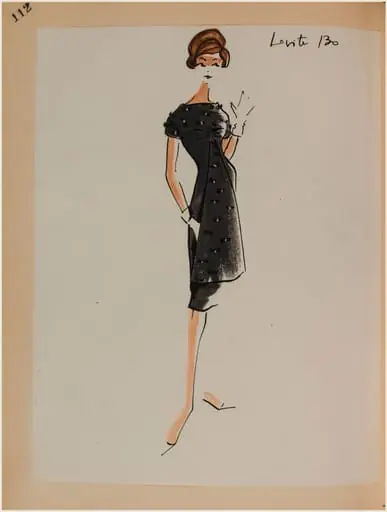
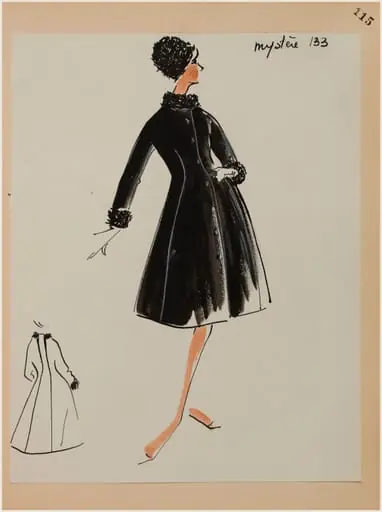
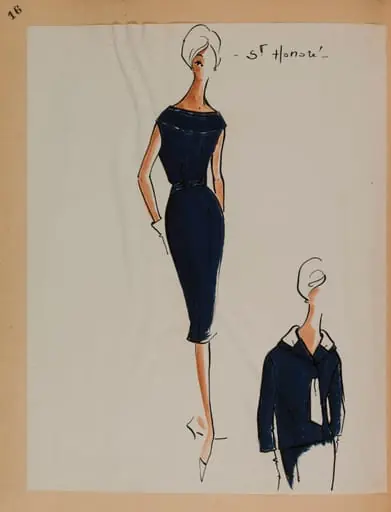
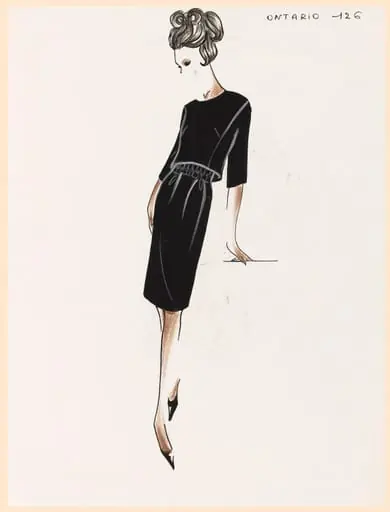
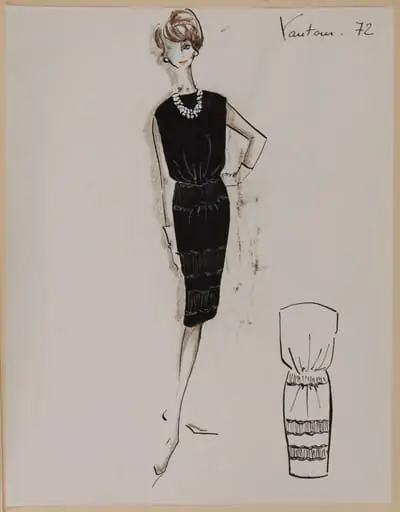
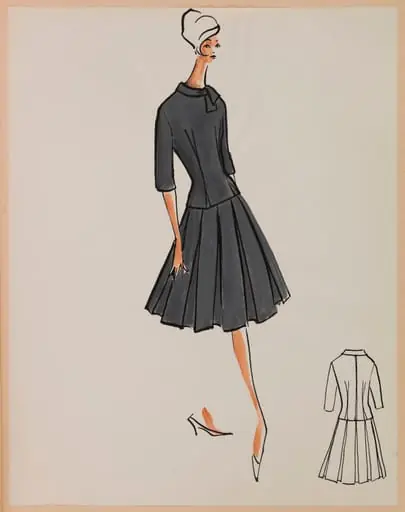
Picador is a drawing by Carven. It dates from 1958 and is held in the collection of the Palais Galliera - Musée de la Mode de la Ville de Paris.
About this work
Overview
Created around 1958, Picador is a ink drawing by the designer Carven, now part of the Museum of Ethnography’s collection.
Created around 1958, Picador is a ink drawing by the designer Carven, now part of the Museum of Ethnography’s collection. The work captures two female figures in minimal, contemporary attire, rendered with swift, unrefined strokes. Its emphasis on silhouette over detail reflects a focus on form and movement rather than narrative or ornamentation. The contrast between dense black ink and the untouched paper heightens the graphic quality of the composition.
Subject & Meaning
The two figures—one standing, one seated—appear as archetypes of mid-century urban femininity. Their simple clothing, devoid of embellishment, suggests a functional, modern aesthetic. The standing figure holds a small bag, hinting at movement or daily routine, while the seated figure’s front zipper draws attention to the garment’s construction. Together, they convey a quiet dignity in ordinary dress, without overt symbolism or drama.
Technique & Style
Carven employed loose, gestural ink lines to define form, avoiding precise contours or shading. The drawing’s economy of line prioritizes the essential shapes of the figures and their clothing, echoing fashion sketching traditions. The absence of background or contextual elements isolates the subjects, reinforcing the focus on attire as subject. The bold black-on-white contrast enhances the graphic clarity and modernist sensibility of the piece.
History & Provenance
The drawing entered the Museum of Ethnography’s holdings at an unspecified date after its creation in 1958. Its inclusion in an ethnographic context, rather than a fine art or fashion archive, suggests an interest in clothing as cultural artifact. No documentation of its initial commission or exhibition history is publicly recorded, leaving its original purpose—whether study, sketch, or finished work—uncertain.
Context
In the late 1950s, fashion illustration increasingly embraced spontaneity and abstraction, moving away from highly rendered commercial renderings. Carven’s work aligns with this shift, reflecting a broader cultural interest in the aesthetics of everyday dress. The drawing’s minimalism resonates with postwar design principles that valued clarity and function, positioning fashion as both art and social record.
Legacy
Picador remains a quiet example of how fashion drawing could transcend its utilitarian roots to capture the essence of modern life. Its presence in an ethnographic museum underscores its value as a document of mid-century dress and gendered behavior. While not widely reproduced, it contributes to a growing recognition of fashion sketches as significant cultural artifacts beyond the runway.
Artist & collection
Artist
These delicate ink-on-paper drawings capture the quiet poetry of everyday things: pinecones, reeds, apples.
Museum
Palais Galliera - Musée de la Mode de la Ville de Paris
Continue through works from the same source collection.