Artwork
Lévite
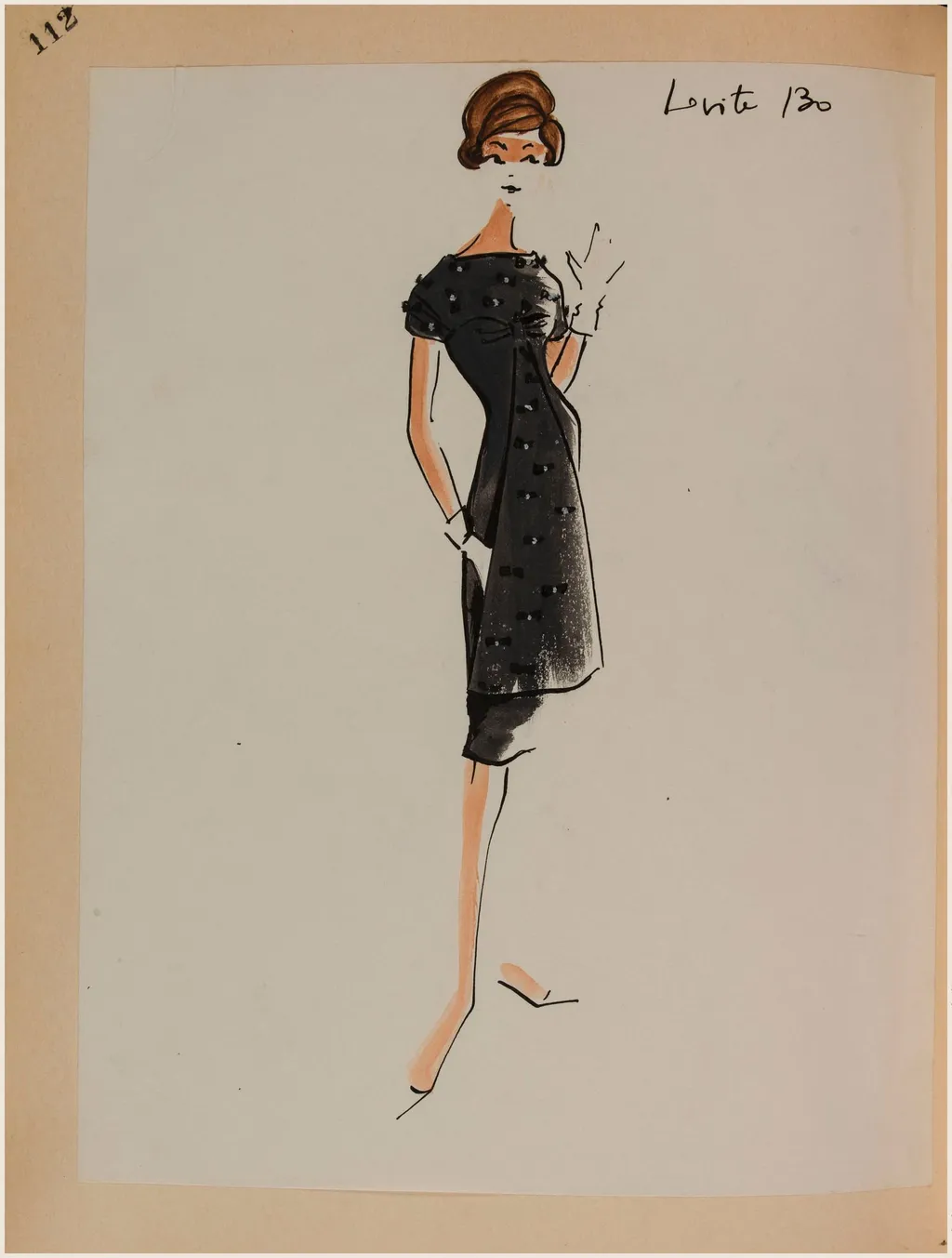
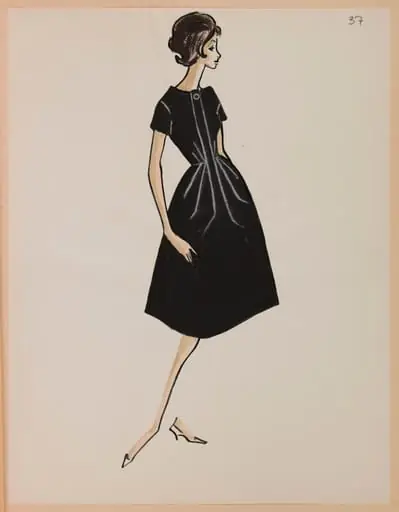
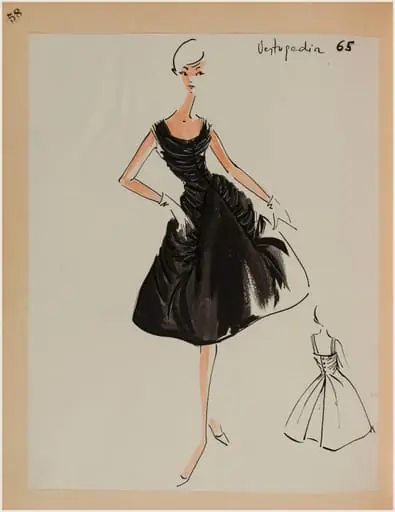
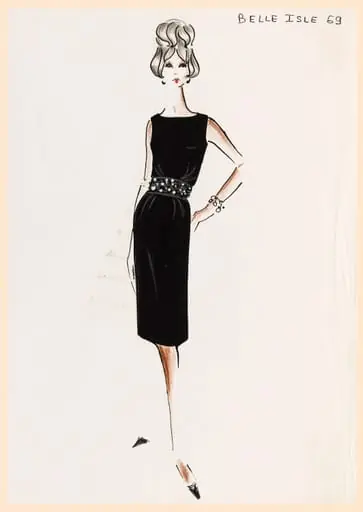
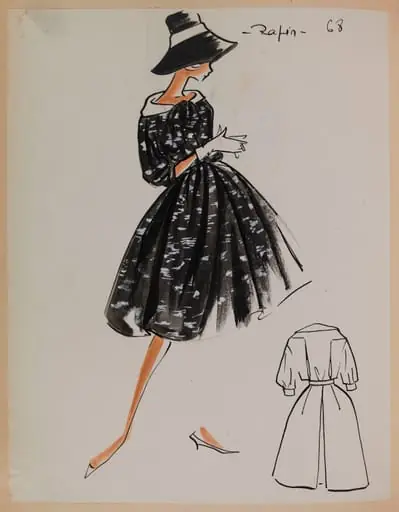
Lévite is a drawing by Marie-Louise Carven. It dates from 1958 and is held in the collection of the Palais Galliera - Musée de la Mode de la Ville de Paris.
About this work
Overview
It was not intended as a final garment pattern but as a study, reflecting Carven’s habit of sketching informally to explore silhouette and posture.
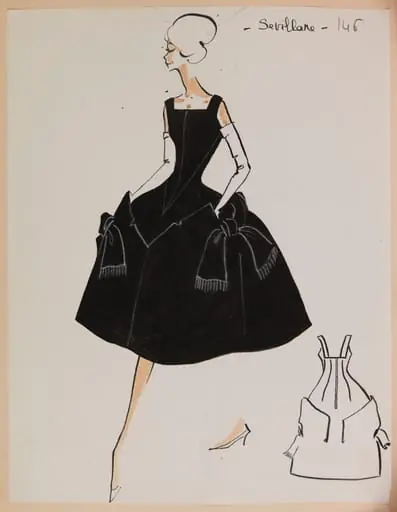
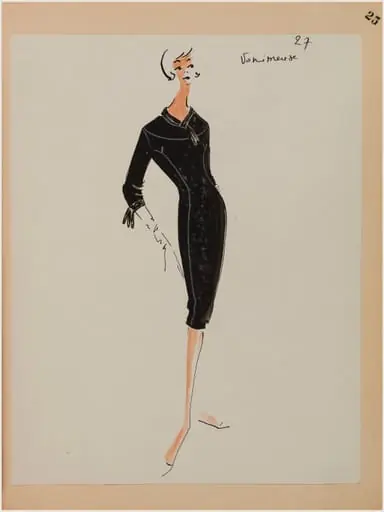
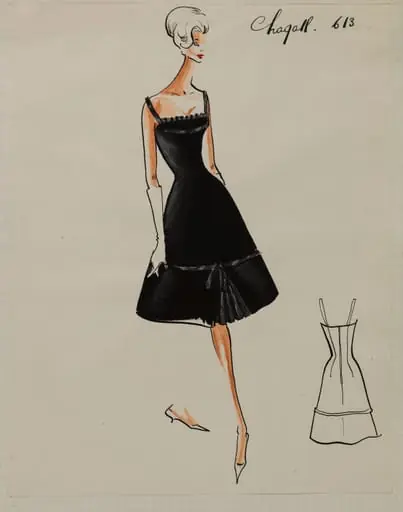
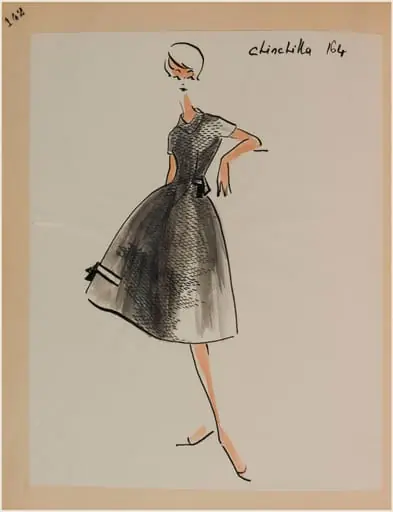
Created around 1958, *Lévite* is a pencil sketch by French designer Marie-Louise Carven, capturing a figure in a minimalist black dress. Though executed with rapid, light strokes, the drawing conveys movement and quiet composure. It was not intended as a final garment pattern but as a study, reflecting Carven’s habit of sketching informally to explore silhouette and posture. The work resides in the Museum of Ethnography’s collection, where it is preserved as a record of mid-century design thinking.
Subject & Meaning
The figure in *Lévite* is a woman standing with subtle asymmetry—one foot slightly forward, one hand holding a small object near her chest. Her neat hair and unadorned dress suggest modesty and restraint. The pose implies stillness with an undercurrent of motion, perhaps evoking a moment of contemplation or ritual. No narrative is explicit, but the simplicity invites interpretation as a quiet, everyday presence rather than a theatrical display.
Technique & Style
Carven used loose, economical pencil lines to suggest form without detail. The dress’s A-line cut and short sleeves are indicated with minimal shading; texture is implied through faint, broken strokes. Most of the page remains blank, emphasizing negative space. Shoes and hair are rendered with just enough definition to anchor the figure. The sketch’s immediacy reflects a working method focused on gesture and proportion over finish, typical of designers refining ideas in real time.
History & Provenance
Marie-Louise Carven founded her fashion house in 1945 and later pioneered ready-to-wear in Parisian couture. *Lévite* dates from the late 1950s, a period when she was refining her approach to accessible, lightweight garments for petite figures. The sketch entered the Museum of Ethnography’s collection as part of a broader effort to document design processes beyond finished garments, preserving the intellectual labor behind fashion production.
Context
In the 1950s, Parisian fashion was dominated by elaborate haute couture, yet Carven’s focus on practicality and affordability marked a shift. Her sketches, like *Lévite*, reveal an interest in movement and proportion suited to everyday life. The drawing aligns with emerging trends toward democratized fashion, where design was not solely about ornament but about fit, comfort, and quiet elegance for a wider audience.
Legacy
*Lévite* stands as a testament to Carven’s role in redefining fashion’s relationship to the body and daily routine. Its unpolished quality underscores the value of process in design history. Preserved in a museum of ethnography rather than a fashion archive, it signals a broader cultural recognition of fashion as a social artifact—rooted in lived experience, not just spectacle.
Artist & collection
Artist
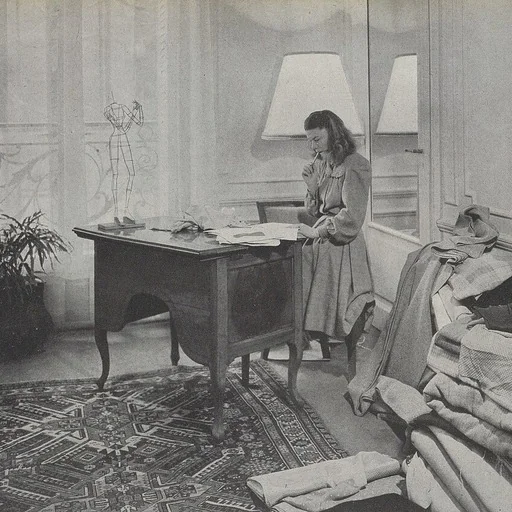
Marie-Louise Carven (31 August 1909 – 8 June 2015), born Carmen de Tommaso, was a French fashion designer who founded the house of Carven in 1945.
Museum
Palais Galliera - Musée de la Mode de la Ville de Paris
Continue through works from the same source collection.
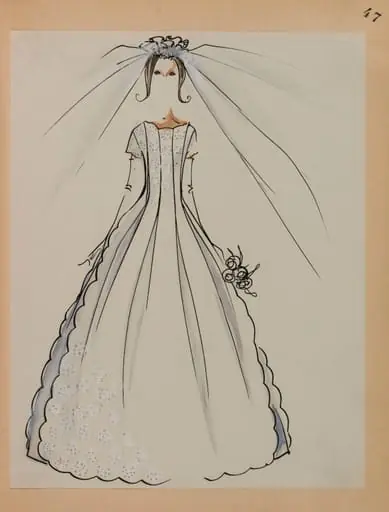 Robe de mariée festonnée et son voile
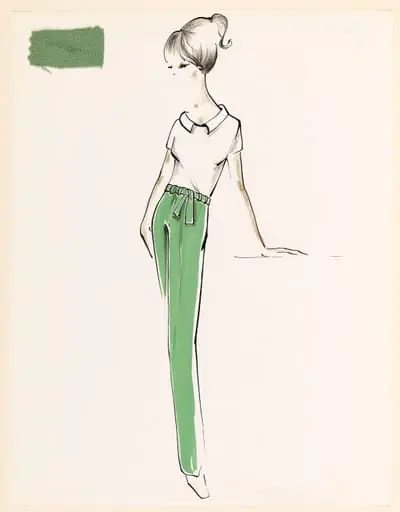 Haut blanc à manches courtes et pantalon vert à ceinture nouée
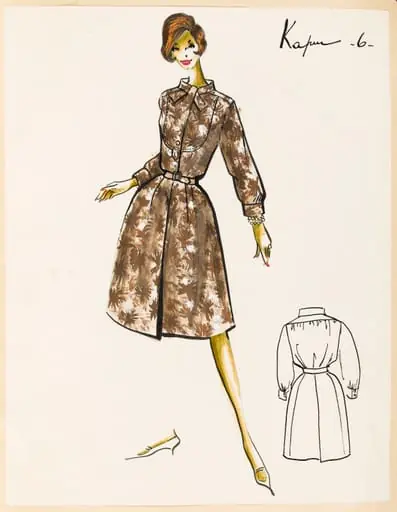 Kapur
Kapur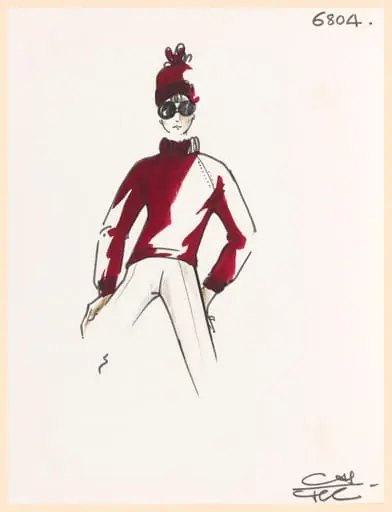 Pull-over à manches longues pourpre, bonnet assorti, pantalon et lunettes de soleil
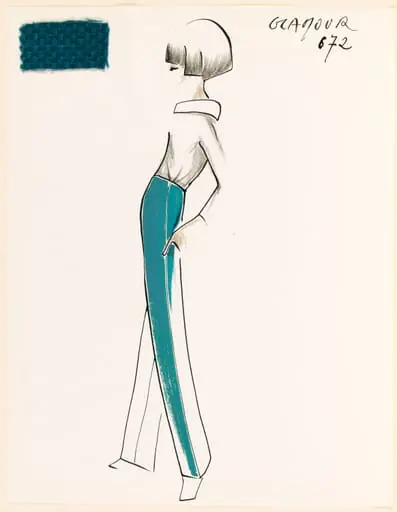 GLAMOUR
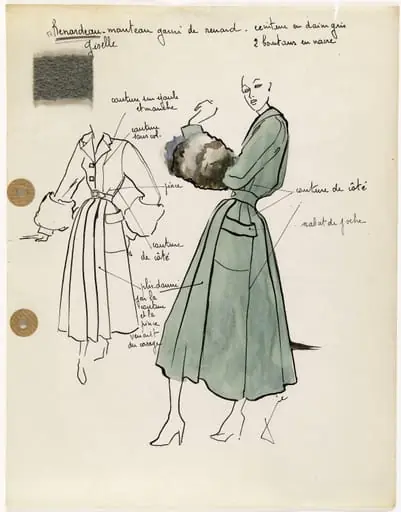 'Renardeau'
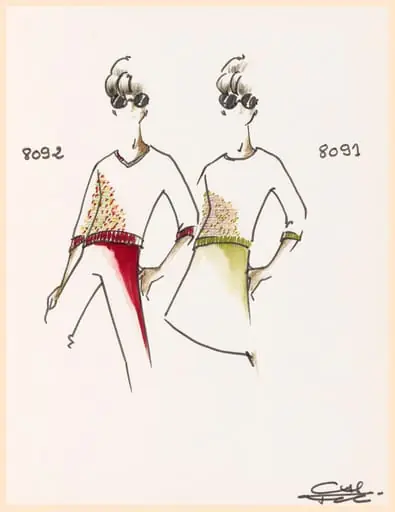 Pull-over à manches trois quarts et à encolure V à motifs multicolores, pantalon cerise et lunettes de soleil
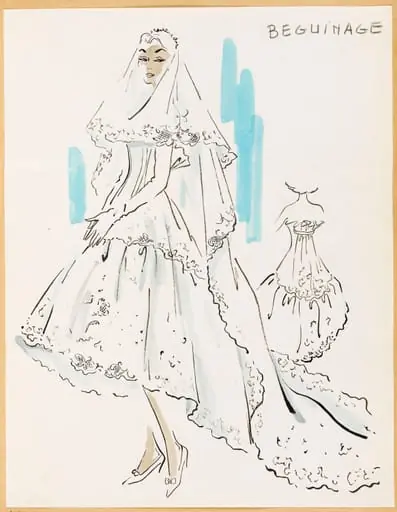 Béguinage