Artwork
St Cloud
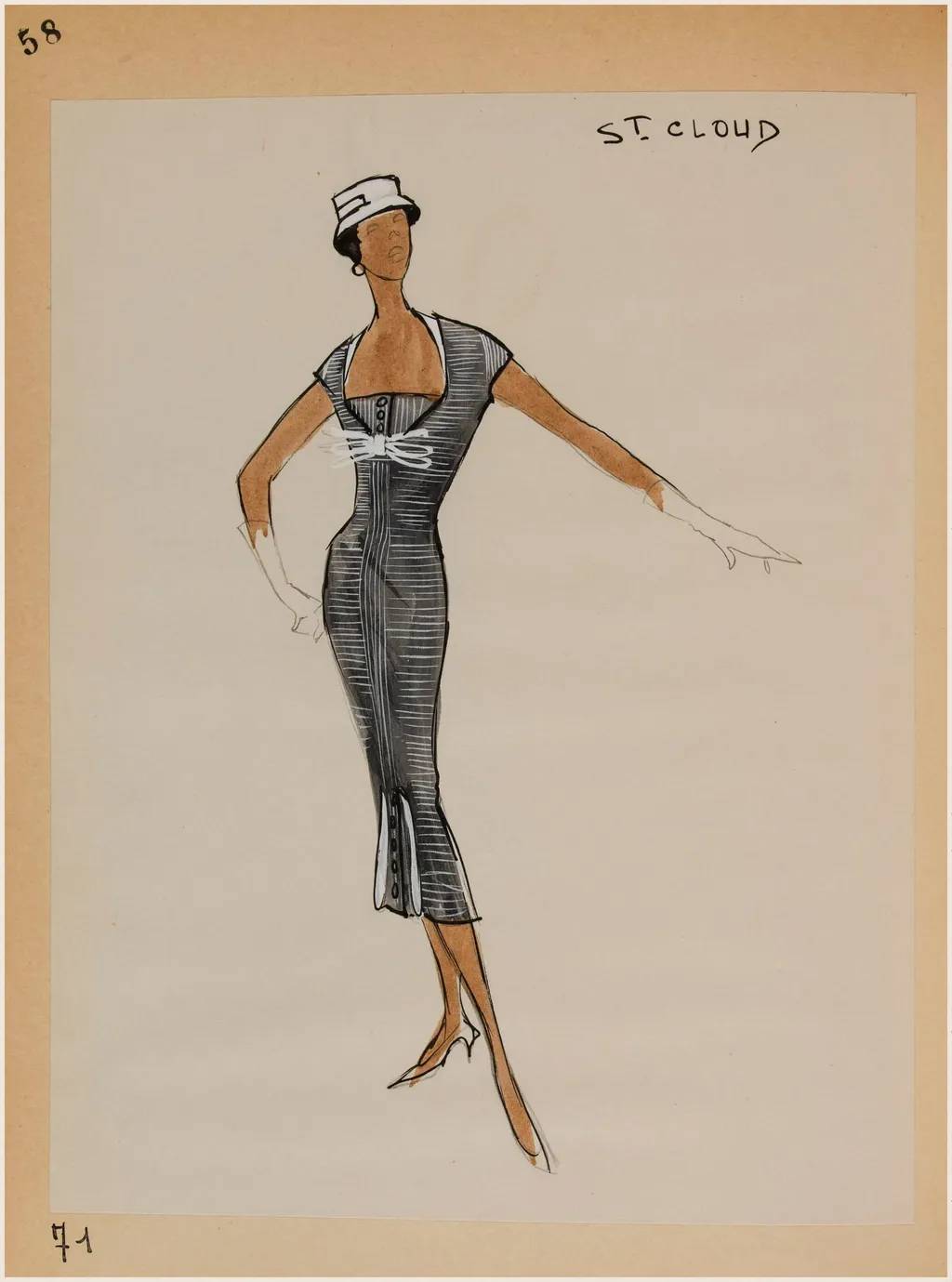
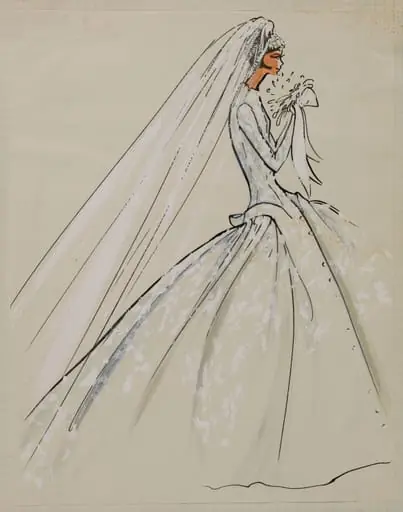
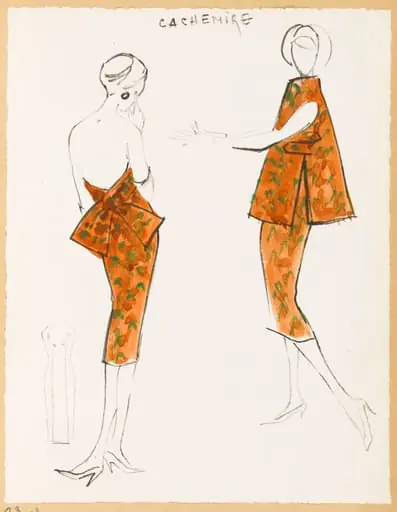
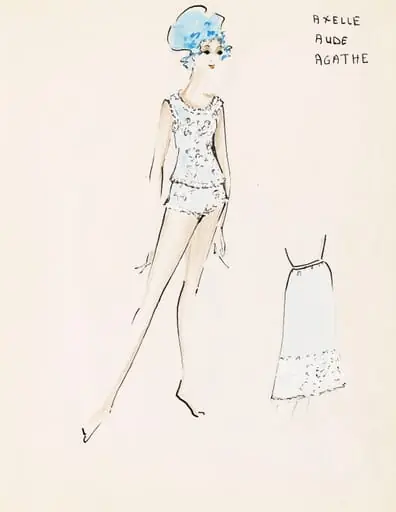
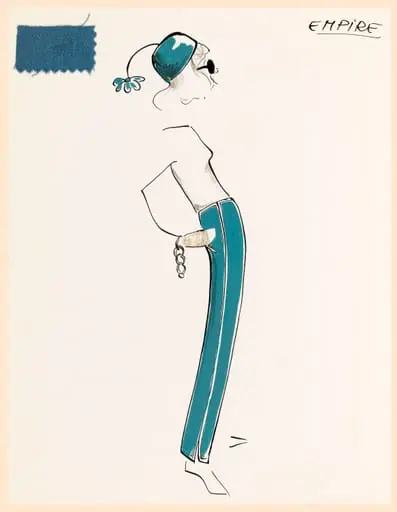
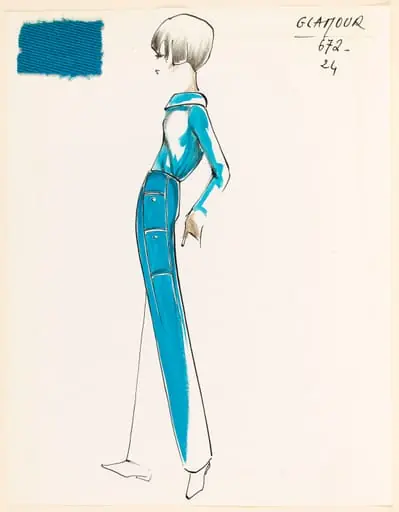
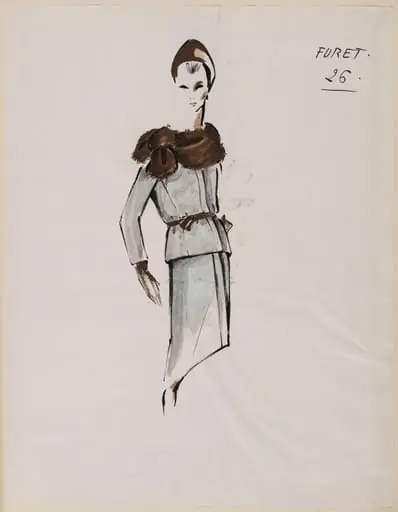
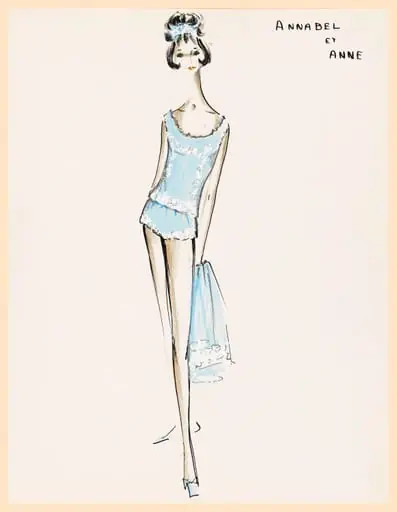
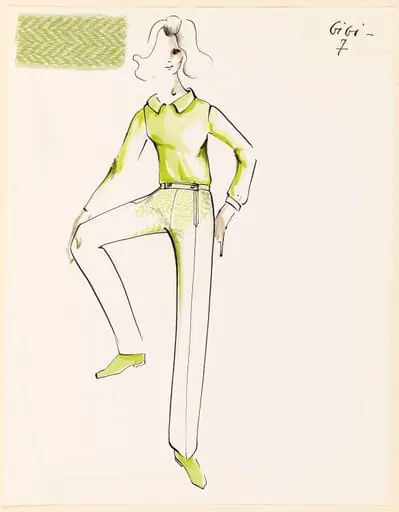
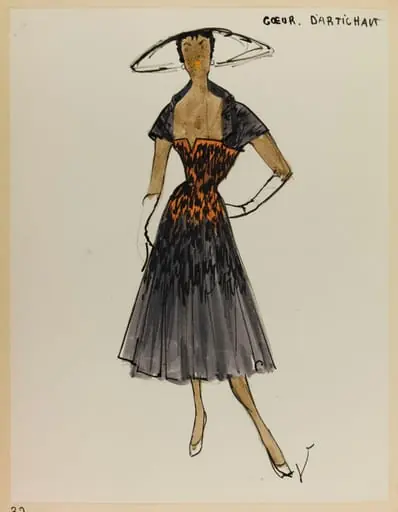
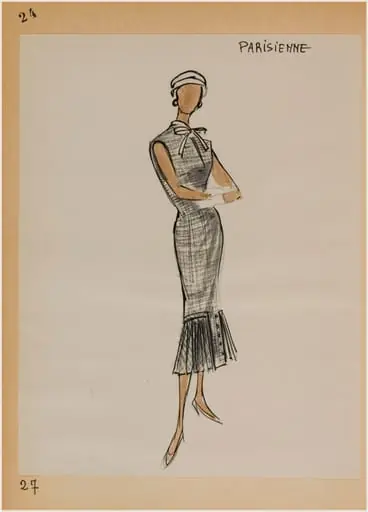
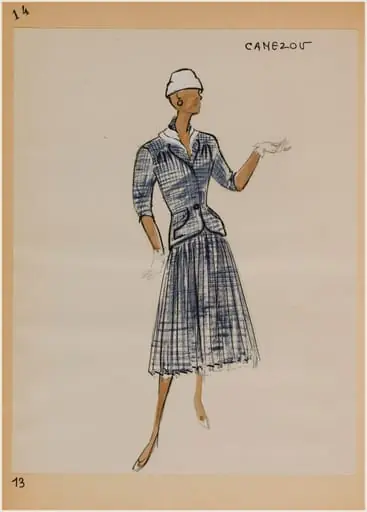
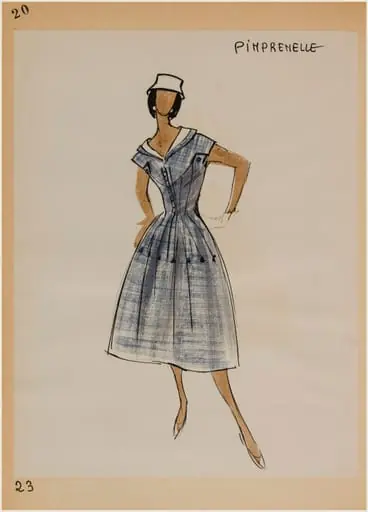
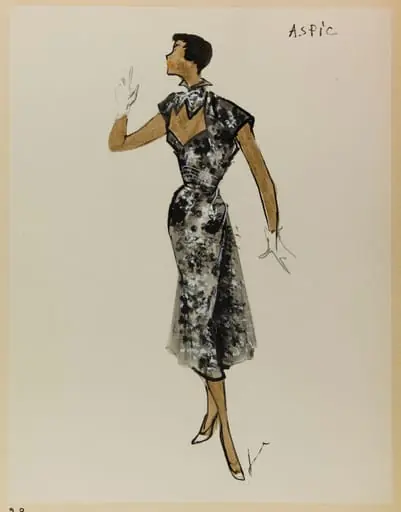
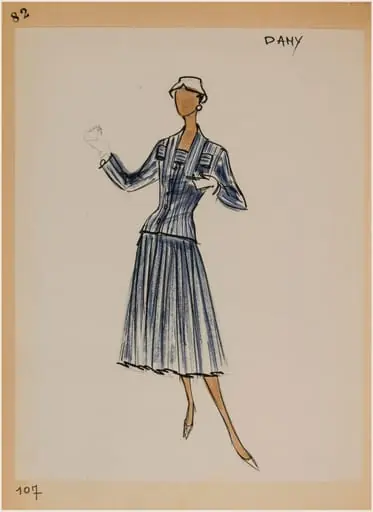
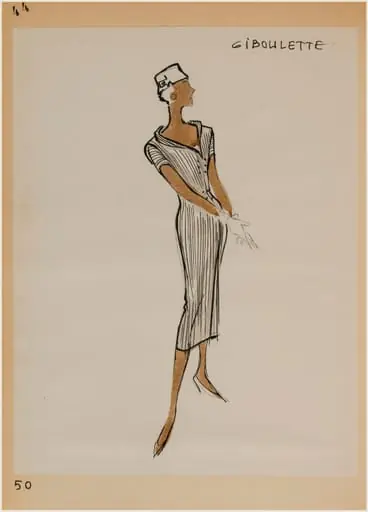
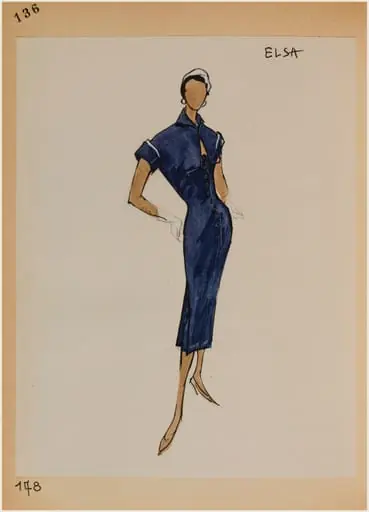
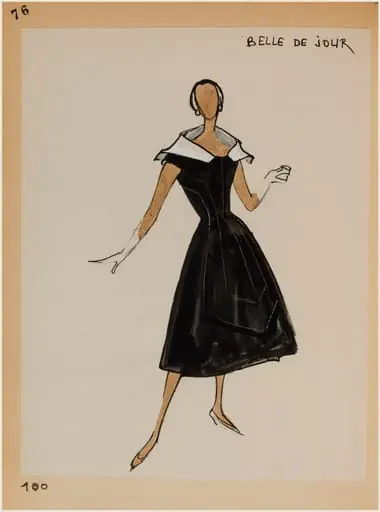
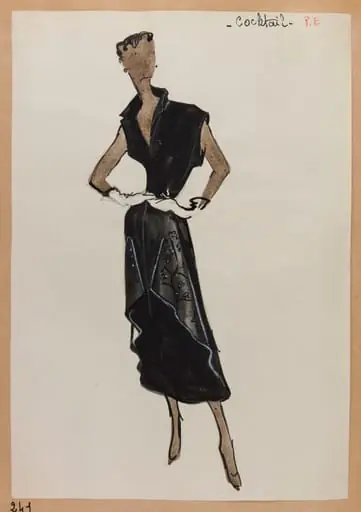
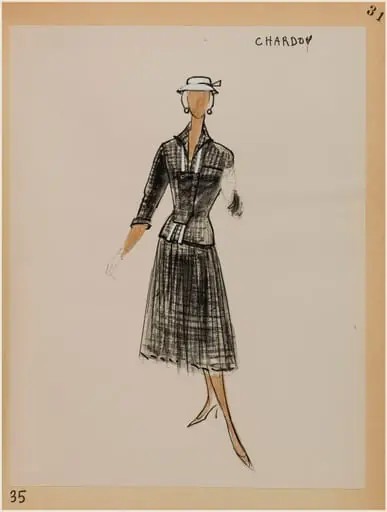
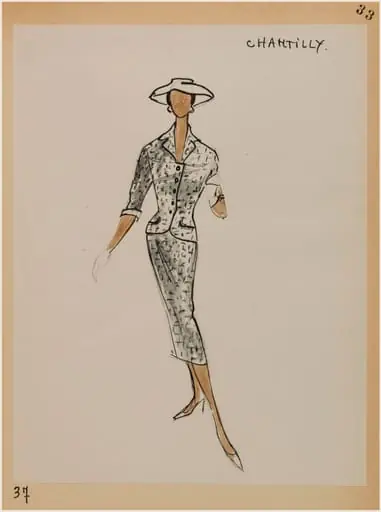
St Cloud is a drawing by Carven. It dates from 1956 and is held in the collection of the Palais Galliera - Musée de la Mode de la Ville de Paris.
About this work
Overview
Created in 1956 by the French fashion designer Carven, this ink drawing depicts a woman dressed in a striped black-and-white ensemble.
Created in 1956 by the French fashion designer Carven, this ink drawing depicts a woman dressed in a striped black-and-white ensemble. The work is part of the Museum of Ethnography’s collection and functions as a fashion study rather than a portrait. Its minimal line work and subtle shading capture the silhouette and texture of a garment, reflecting the designer’s interest in documenting clothing as both art and cultural artifact.
Subject & Meaning
The figure is not identified by name but serves as a vehicle for presenting a specific dress design labeled 'St. Cloud' in the corner. The pose—arm extended, hat tilted—suggests a moment of poised display, typical of fashion illustrations meant to showcase garment movement and structure. The emphasis lies not on the individual but on the clothing’s form, cut, and detail, aligning with mid-century fashion documentation practices.
Technique & Style
Rendered in ink with restrained shading, the drawing uses clean, confident lines to define the dress’s fitted waist, flared skirt, and bow detail. The bold vertical stripes are suggested through alternating light and dark strokes, while the hat and gloves are indicated with minimal contours. The style is economical, prioritizing clarity and structural accuracy over expressive detail, characteristic of technical fashion sketches of the period.
History & Provenance
The drawing entered the Museum of Ethnography’s collection as part of a broader acquisition of fashion-related materials from mid-20th-century French designers. Its preservation reflects institutional interest in fashion as material culture. While little is documented about its original commission, its presence in the museum suggests it was selected for its representation of postwar French design aesthetics and craftsmanship.
Context
In 1956, Paris remained a center of haute couture, and designers like Carven produced detailed sketches to communicate designs to clients and ateliers. This drawing aligns with the era’s emphasis on tailored silhouettes and elegant simplicity. Unlike editorial fashion illustrations, this piece lacks background or setting, focusing purely on the garment’s form—an approach common in design archives and studio practice.
Legacy
As a preserved example of Carven’s design process, the drawing contributes to scholarly understanding of postwar French fashion production. It illustrates how designers documented their work before mass production, preserving details that might otherwise be lost. Today, it stands as a quiet record of a moment in fashion history, valued for its precision and historical context rather than its artistic flourish.
Artist & collection
Artist
These delicate ink-on-paper drawings capture the quiet poetry of everyday things: pinecones, reeds, apples.
Museum
Palais Galliera - Musée de la Mode de la Ville de Paris
Continue through works from the same source collection.