Artwork
Tubéreuse
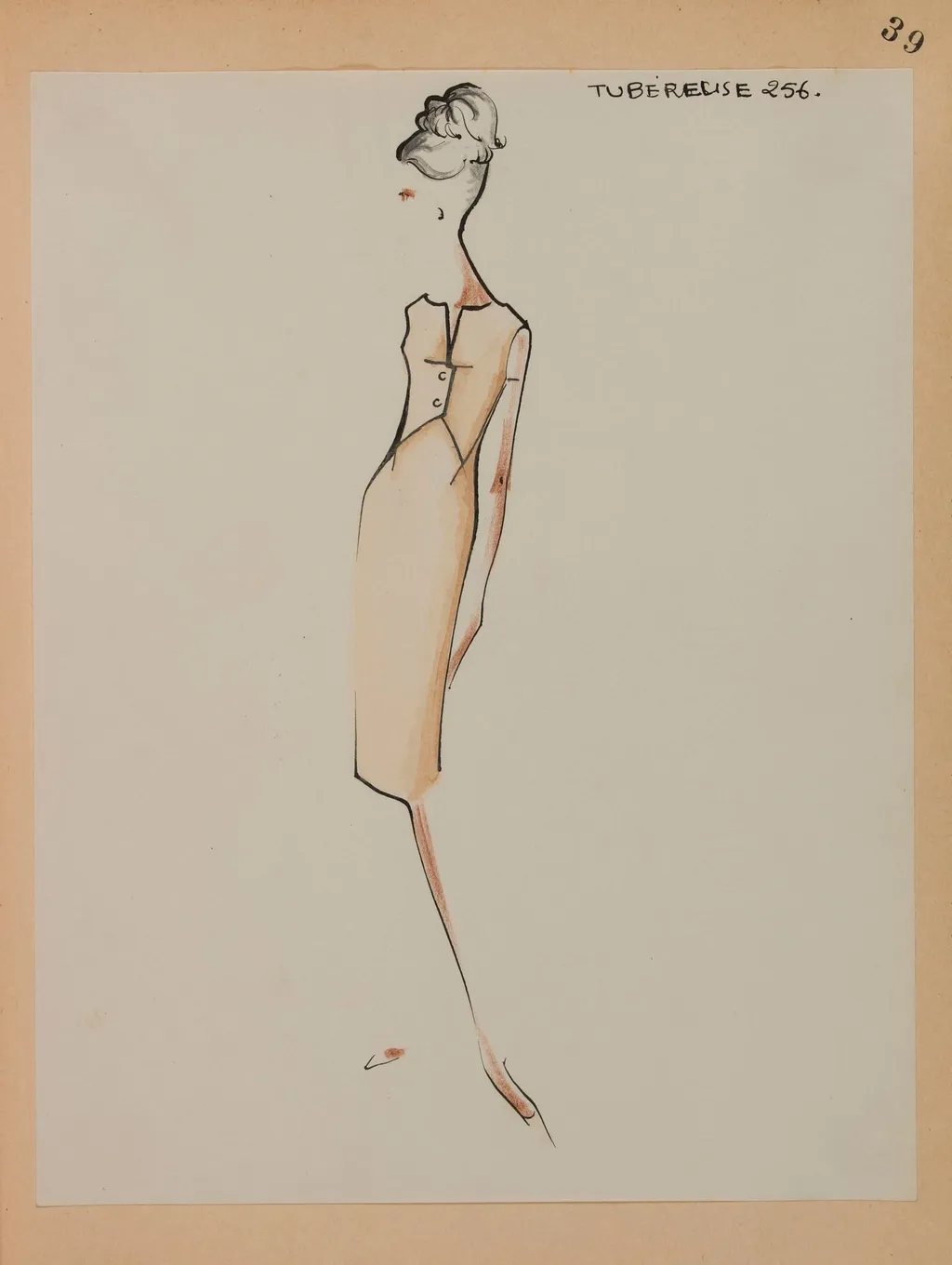
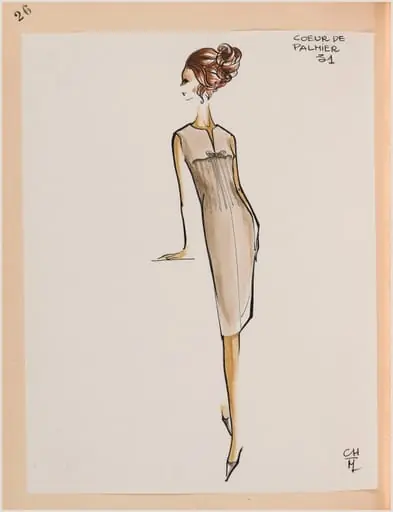
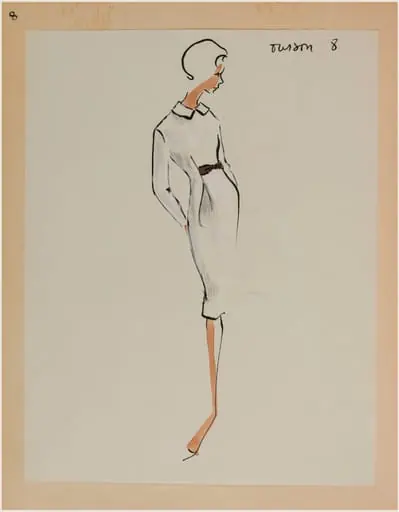
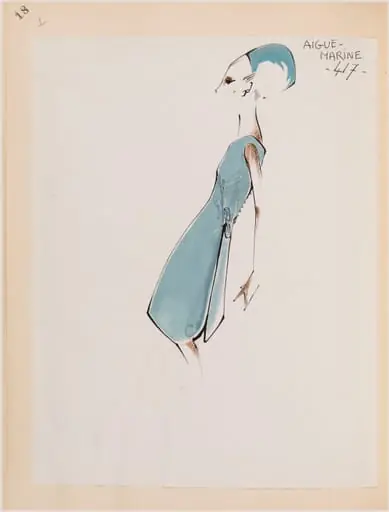
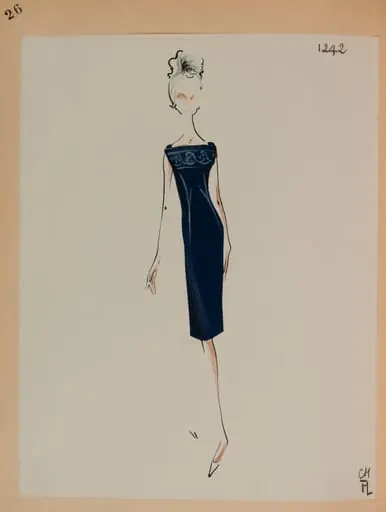
Tubéreuse is a drawing by Carven. It dates from 1963 and is held in the collection of the Palais Galliera - Musée de la Mode de la Ville de Paris.
About this work
Overview
Tubéreuse is a pencil drawing attributed to the fashion designer Carven, dated approximately 1963. It resides in the collection of the Museum of Ethnography. The work captures a single figure in a poised, quiet stance, rendered with restrained linework and no color. Its title suggests a reference to the tuberose flower, evoking fragrance and subtlety rather than overt display.
Subject & Meaning
The title implies a poetic association with the tuberose, linking the figure’s elegance to the flower’s delicate, heady presence.
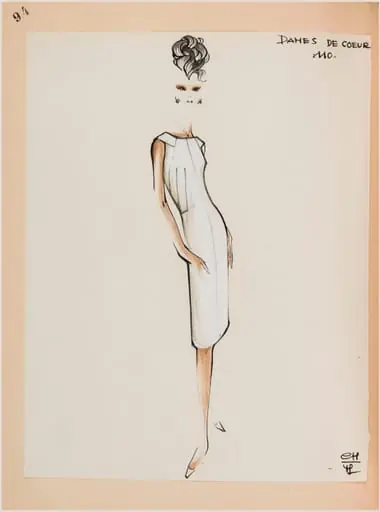
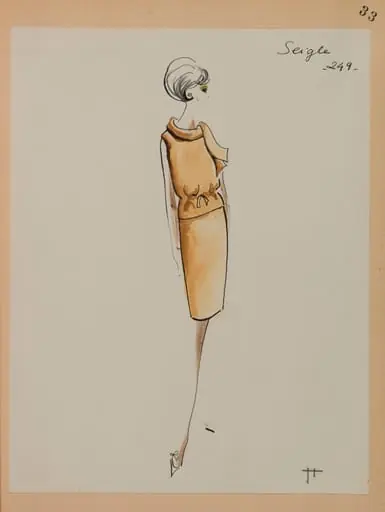
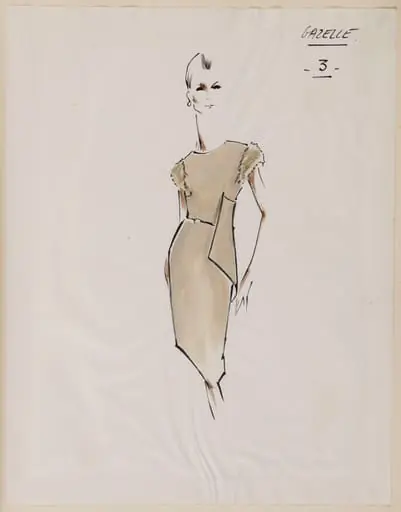
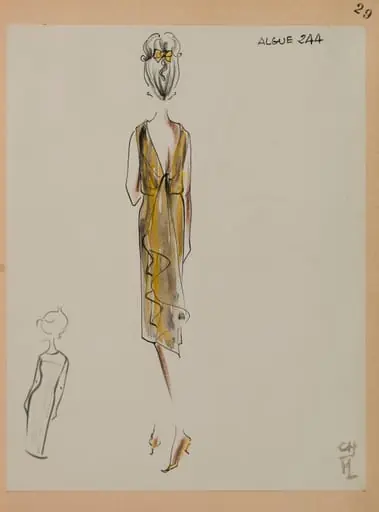
The subject is a woman dressed in a sleeveless, front-buttoned dress with a V-neck and a modest slit at the hem. Her hair is gathered in an updo, and her left leg is extended, foot pointed downward. The pose conveys stillness and composure, emphasizing posture and garment structure over narrative. The title implies a poetic association with the tuberose, linking the figure’s elegance to the flower’s delicate, heady presence.
Technique & Style
Executed in fine, clean pencil lines, the drawing avoids heavy shading or texture. Contours define form with precision, and negative space enhances the figure’s silhouette. The minimalism reflects a design sensibility focused on clarity and proportion, characteristic of fashion illustration that prioritizes garment integrity over emotional expression.
History & Provenance
The drawing entered the Museum of Ethnography’s collection as part of a broader archive of mid-20th-century fashion sketches. Its attribution to Carven aligns with her known practice of documenting garment designs through hand-drawn studies. No record of prior ownership or exhibition history is documented beyond its current institutional custody.
Context
Created during a period when fashion houses emphasized hand-drawn design development, Tubéreuse reflects the transition from artisanal sketching to industrial production. Carven, known for her refined, wearable designs, used such drawings to communicate structure and silhouette to ateliers. The work stands as a quiet artifact of postwar French fashion’s emphasis on understated elegance.
Legacy
Though not widely published or exhibited, Tubéreuse remains a representative example of Carven’s approach to fashion documentation. It contributes to scholarly understanding of how designers translated aesthetic ideals into tangible forms. Its preservation in an ethnographic context underscores its value as a cultural object, not merely a technical sketch.
Artist & collection
Artist
These delicate ink-on-paper drawings capture the quiet poetry of everyday things: pinecones, reeds, apples.
Museum
Palais Galliera - Musée de la Mode de la Ville de Paris
Continue through works from the same source collection.