Artwork
Portrait of a gentleman with an allonge wig
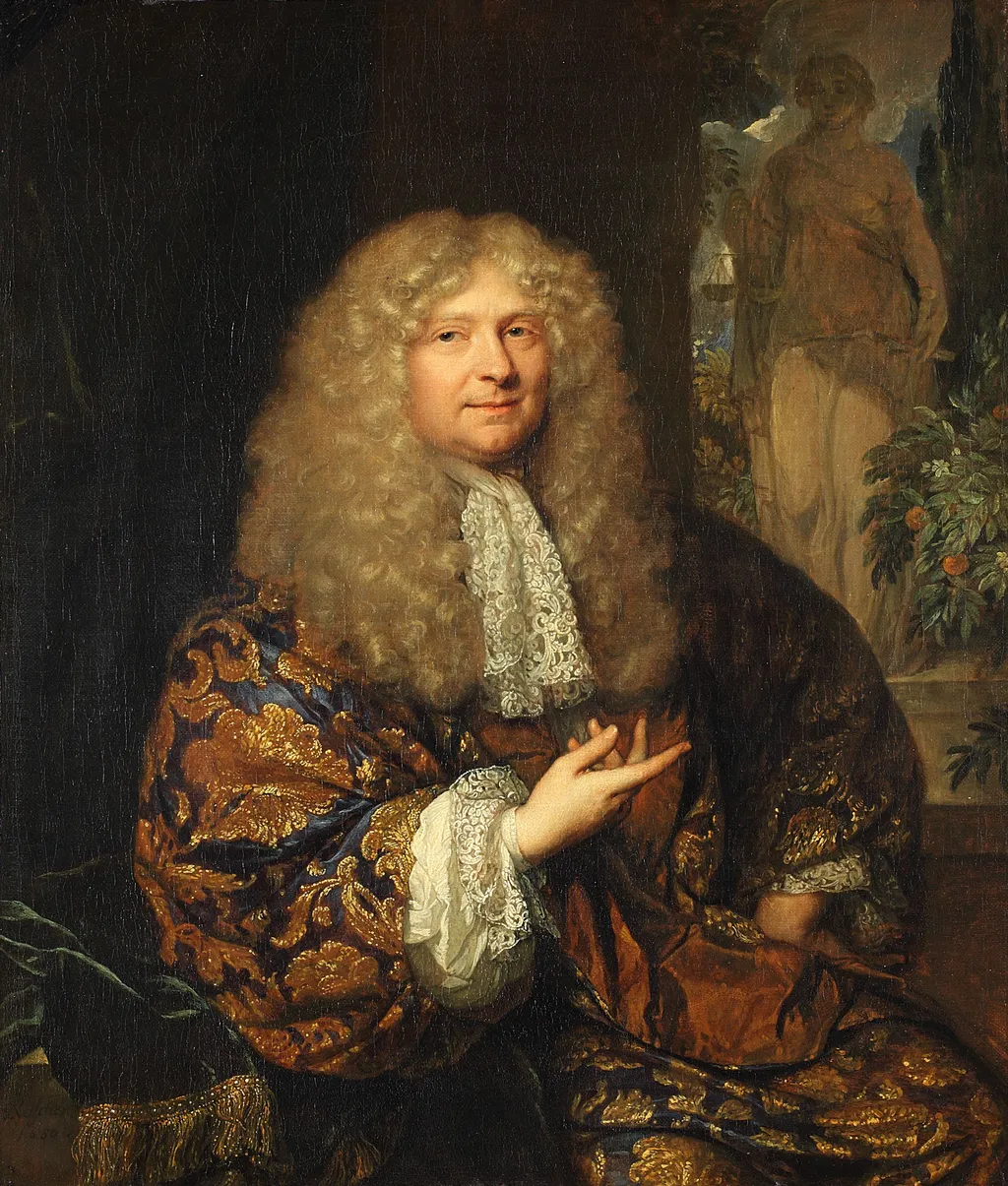
Portrait of a gentleman with an allonge wig is a paint painting by the Dutch Golden Age artist Caspar Netscher. It is held in the collection of the Gemäldegalerie Berlin.
About this work
Overview
Painted around 1690 by Caspar Netscher, this portrait captures a nobleman in formal attire, rendered with meticulous attention to texture and posture.
Painted around 1690 by Caspar Netscher, this portrait captures a nobleman in formal attire, rendered with meticulous attention to texture and posture. The work resides in the Gemäldegalerie Berlin, part of a broader tradition of Dutch and Flemish portraiture that emphasized social status through dress and setting. Netscher’s precision in depicting fabric and light reflects his training under Gerard ter Borch.
Subject & Meaning
The sitter, identified only by his attire, embodies aristocratic composure. His allonge wig, lace collar, and gold-trimmed robe signal wealth and refinement, while the raised hand suggests a gesture of authority or address. The statue of a woman behind him may allude to classical ideals of virtue or muse-like inspiration, reinforcing the subject’s cultivated identity without overt symbolism.
Technique & Style
Netscher employs subtle chiaroscuro to model the figure against a deep, unbroken background, enhancing the three-dimensionality of the robe and wig. Fine brushwork renders the intricate lace, the sheen of silk, and the curl of the wig with near-tactile precision. The palette remains restrained—dark tones punctuated by gold and white—emphasizing elegance over flamboyance, characteristic of late 17th-century Dutch portraiture.
History & Provenance
The painting entered the Gemäldegalerie Berlin’s collection in the 19th century, likely through royal or institutional acquisitions. Its documented history before that is sparse, though its style aligns with Netscher’s known works from the 1680s–90s. No significant alterations or restorations are recorded, preserving its original surface and tonal balance.
Context
In late 17th-century Europe, portraiture served as a tool for projecting social standing. Netscher, active in The Hague, catered to elite patrons who valued refined realism. The allonge wig, popular among European nobility, and the inclusion of classical statuary reflect broader cultural aspirations toward antiquity and civility, common in Dutch and French elite circles at the time.
Legacy
Though not among Netscher’s most widely reproduced works, this portrait exemplifies his mastery of quiet dignity and material detail. It contributes to scholarly understanding of how Dutch artists adapted aristocratic conventions from England and France, blending them with northern realism. The painting remains a reference for studies of costume, lighting, and social representation in Baroque portraiture.
Own this work as a print
Artist & collection

Artist
Caspar Netscher was a Dutch painter. He was a master in depicting oriental rugs, silk and brocade and introduced an international style to the Northern Netherlands.

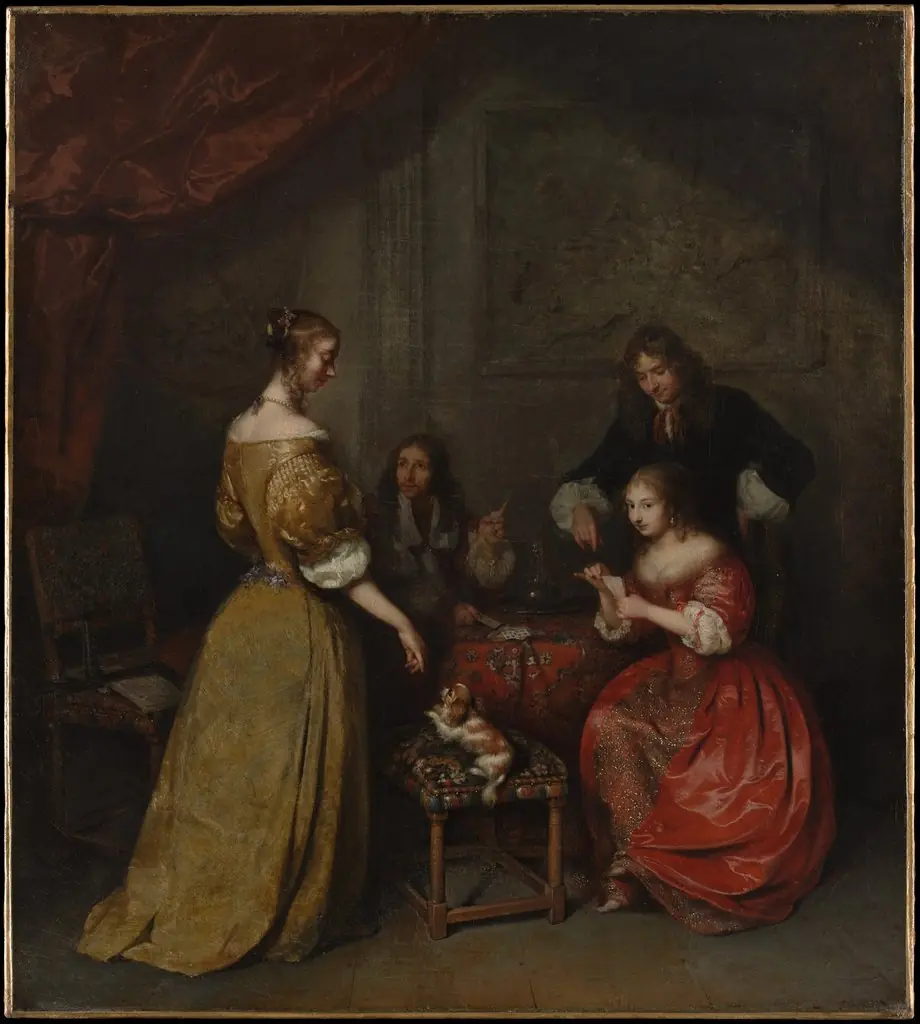 The Card Party
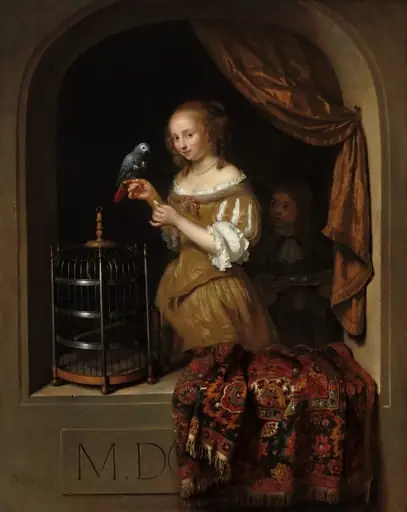 A Woman Feeding a Parrot, with a Page
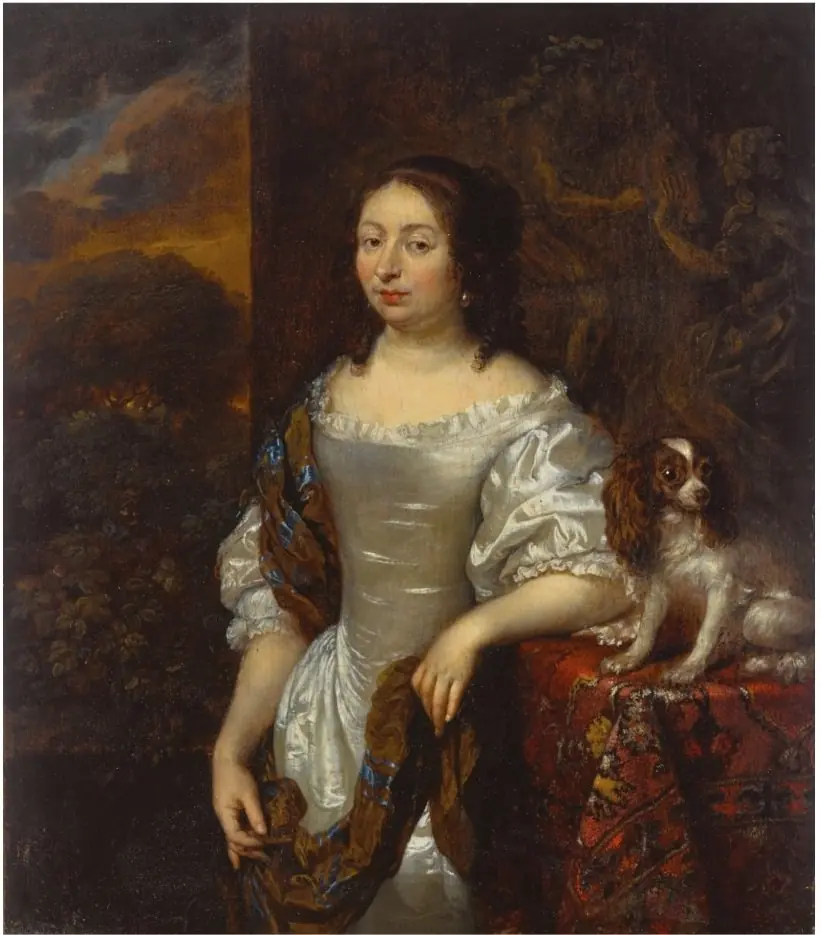 Portrait of a Lady with a Dog on a Table
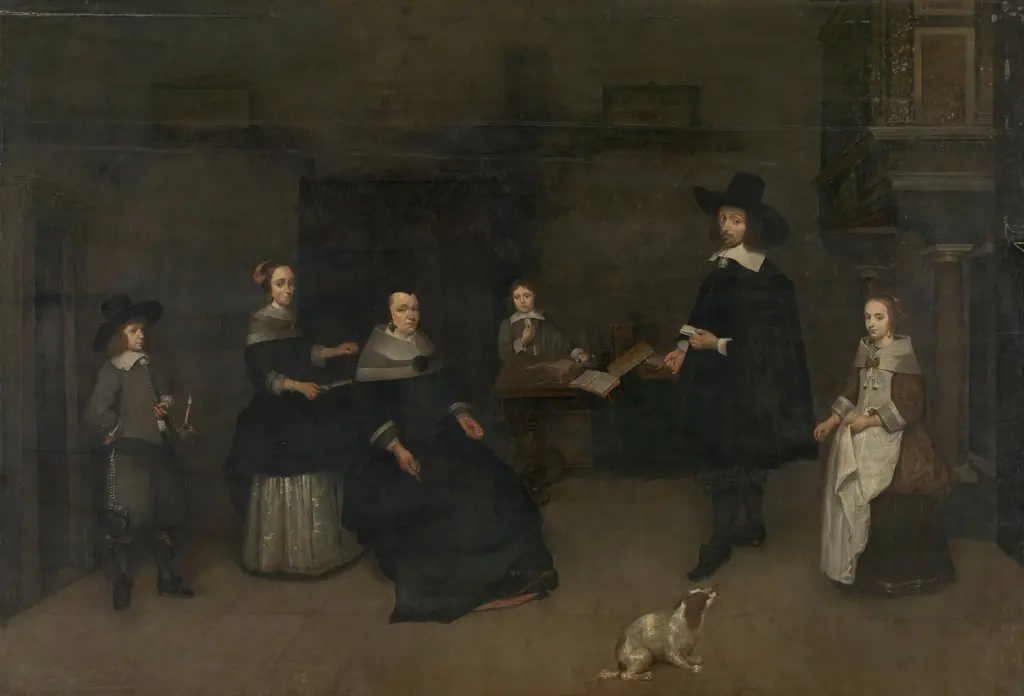 Family scene
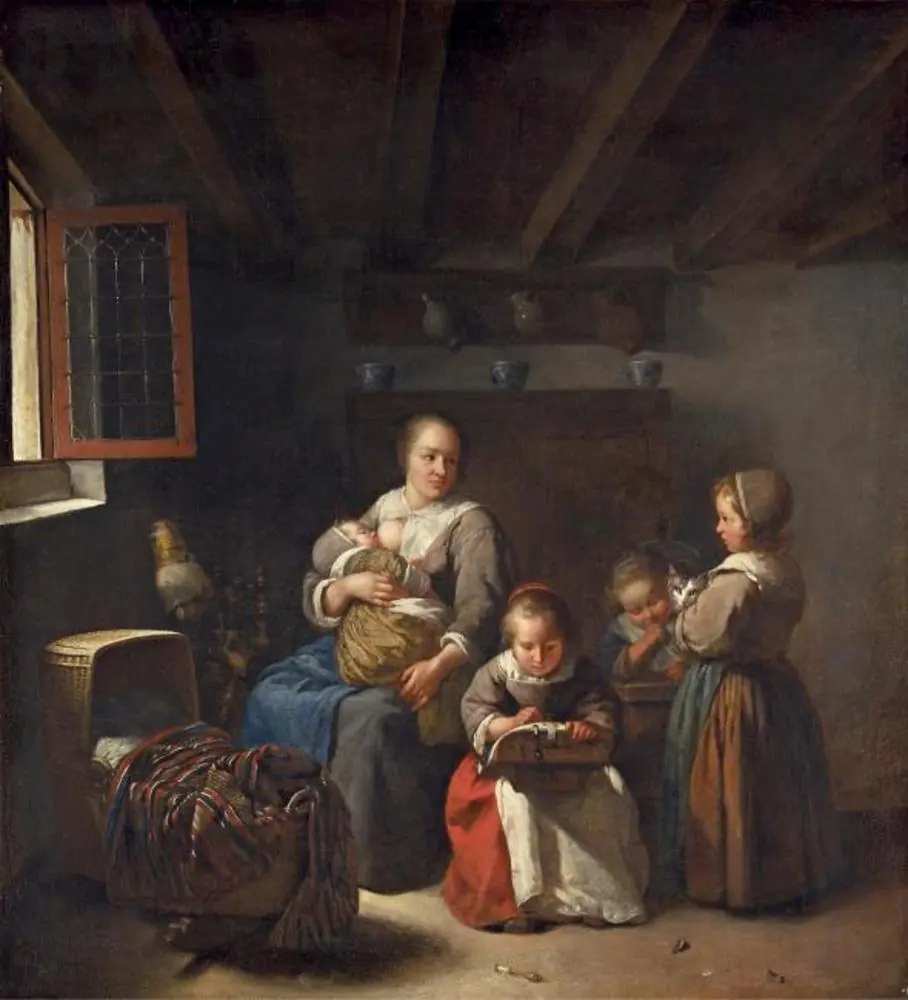 Nursing mother with three girls
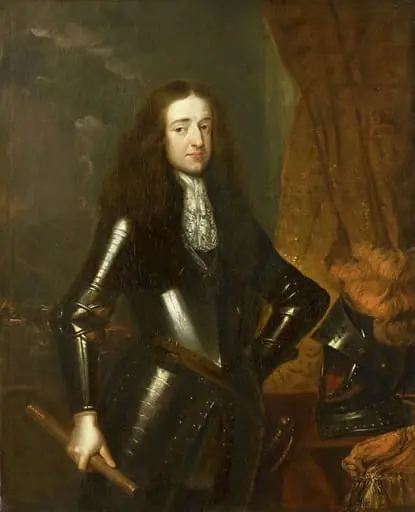 Portrait of Willem III (1650-1702), Prince of Orange and since 1689, King of England
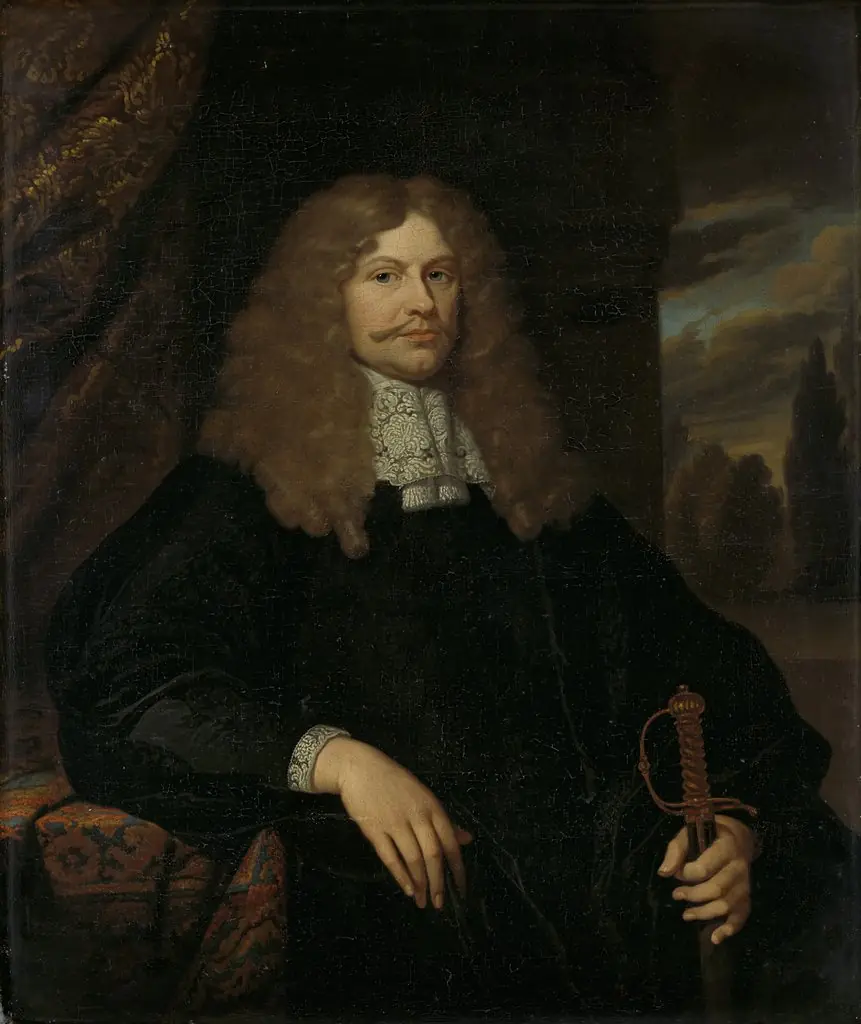 Portrait of Cornelis Backer (1633-81), councillor, alderman, and colonel of the Amsterdam militia
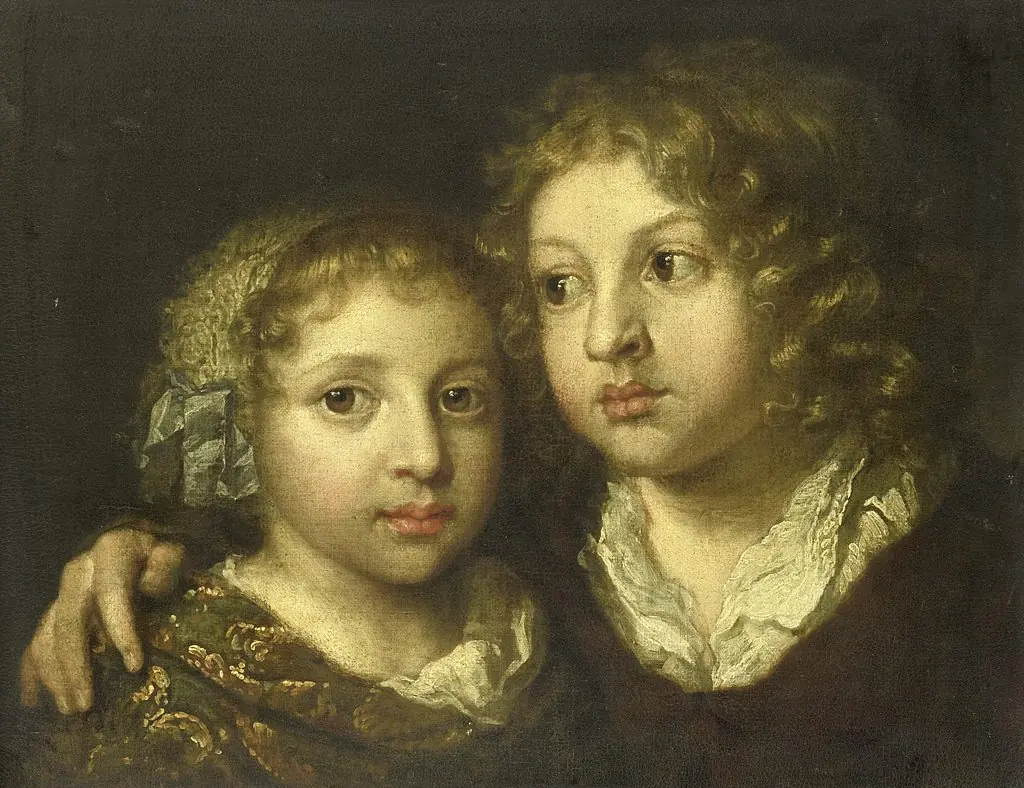 A daughter and a son (Constantijn?) of the artist
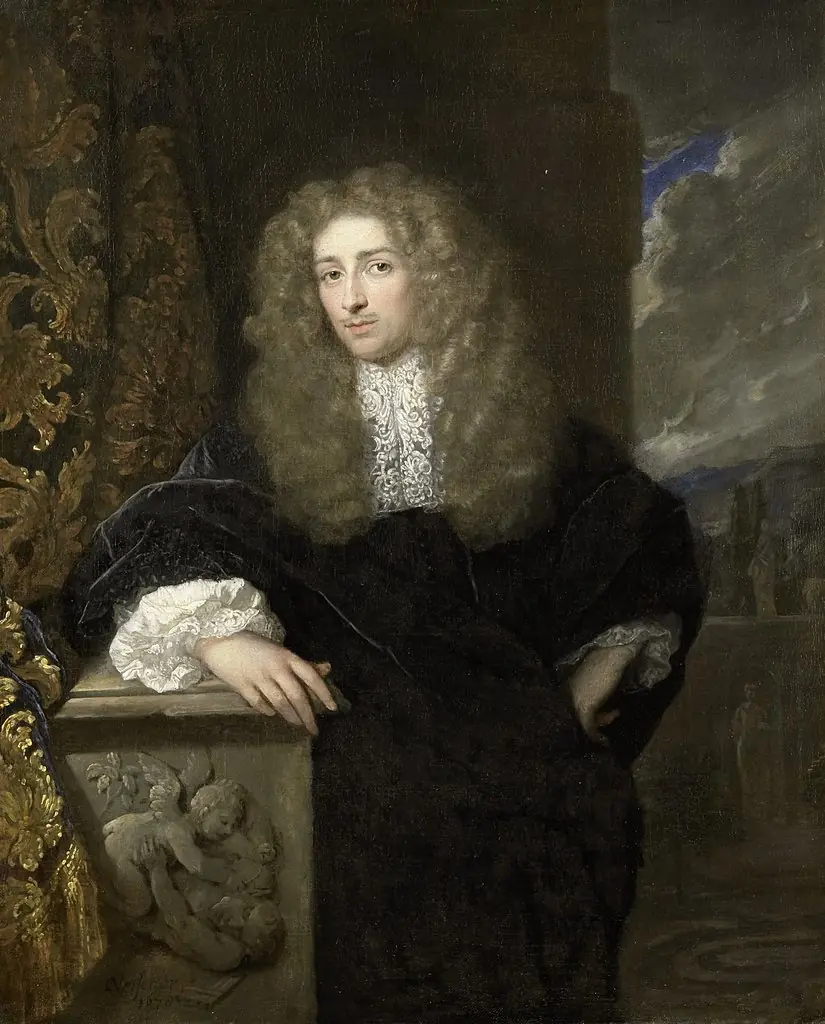 Portrait of a man, possibly a member of the van Citters family
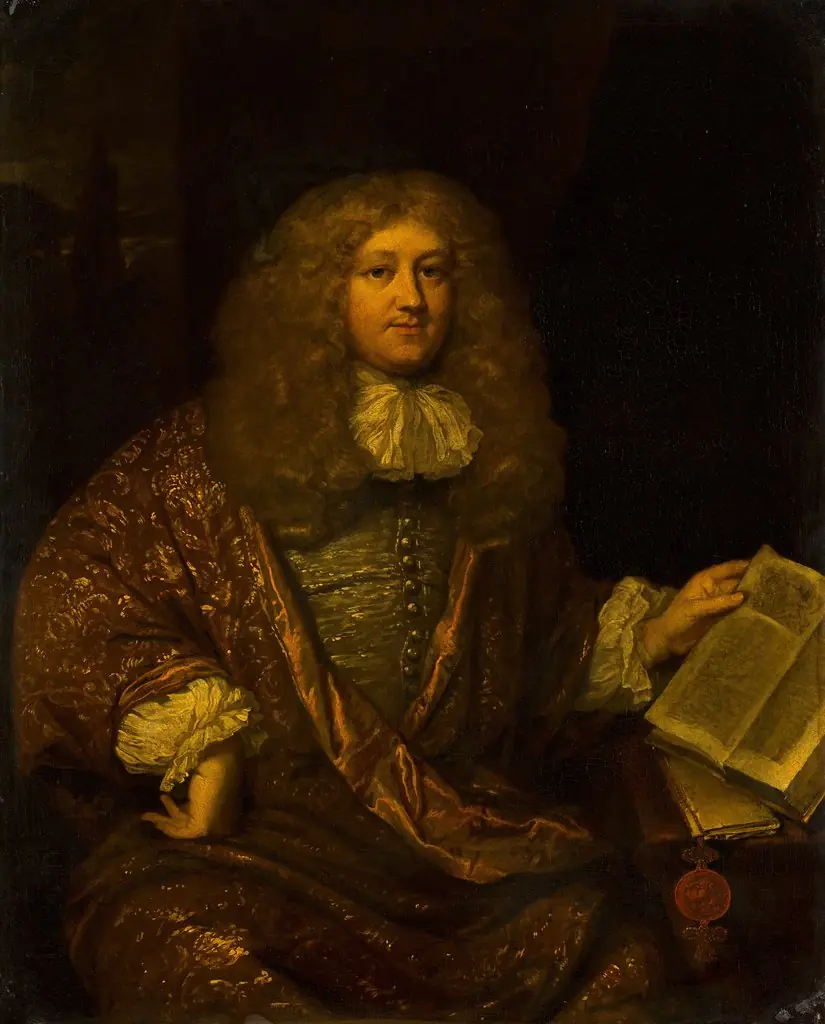 Portrait of Michiel ten Hove (1640-1689)
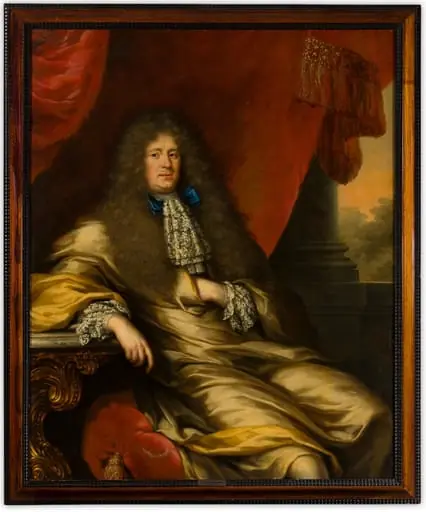 Kreivi Johan Gabriel Stenbock
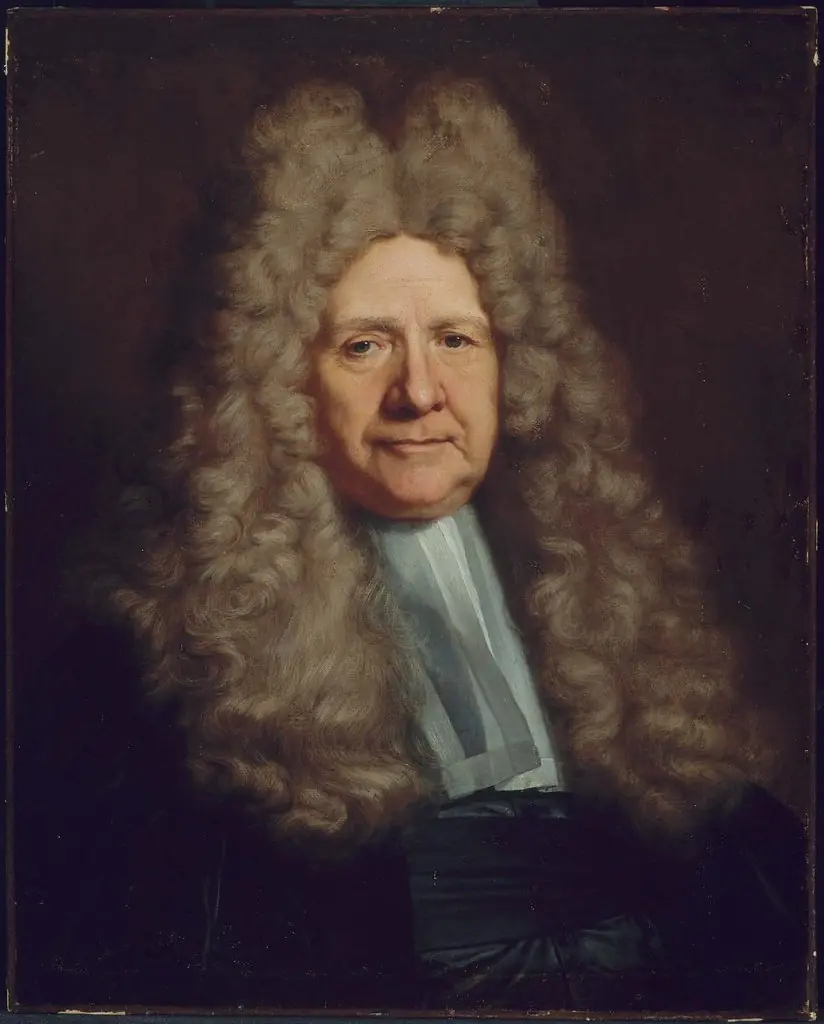 A Magistrate
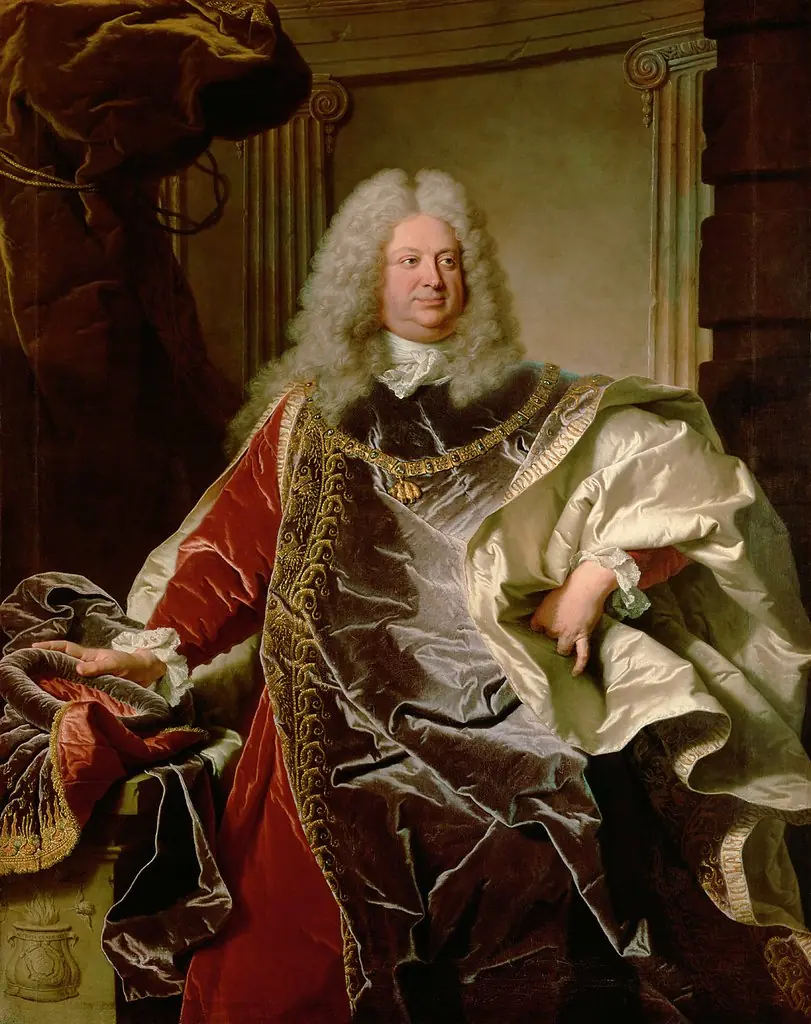 Philipp Ludwig Wenzel von Sinzendorf
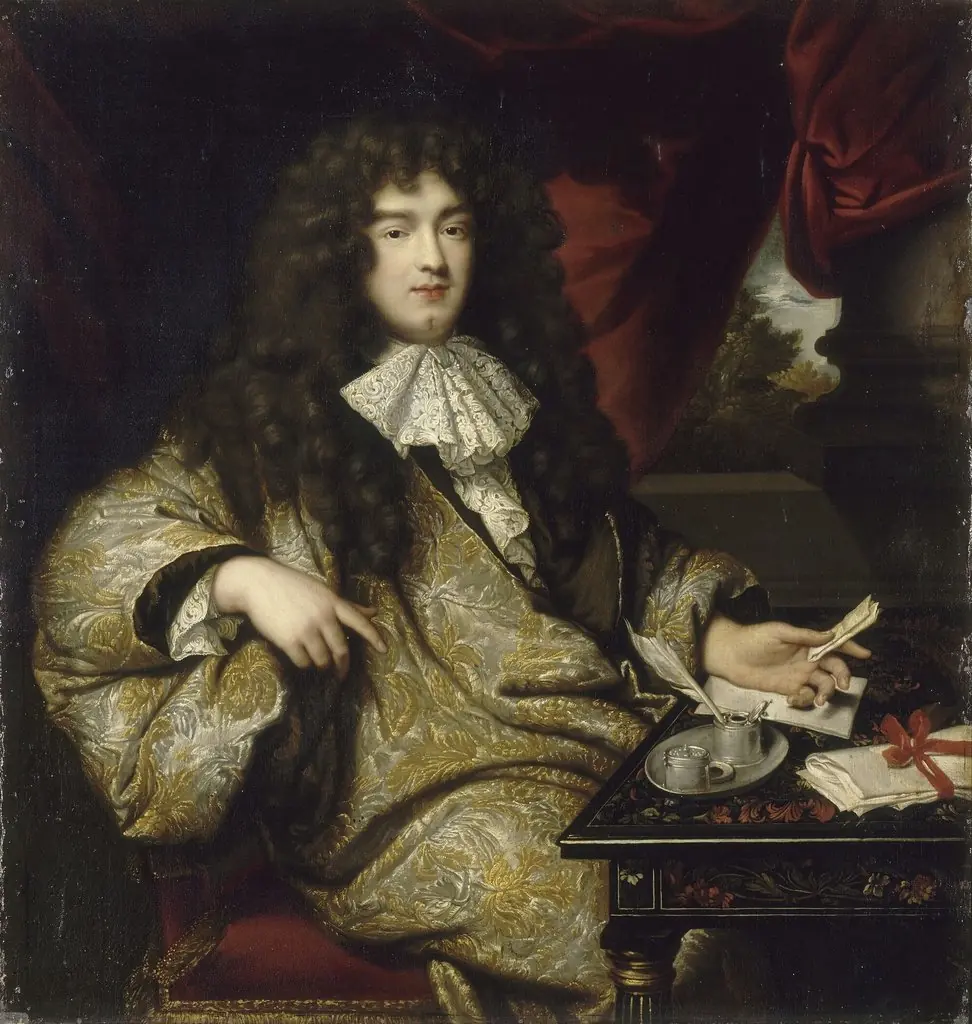 Jean-Baptiste Colbert, Marquis de Seignelay (1651–1690)
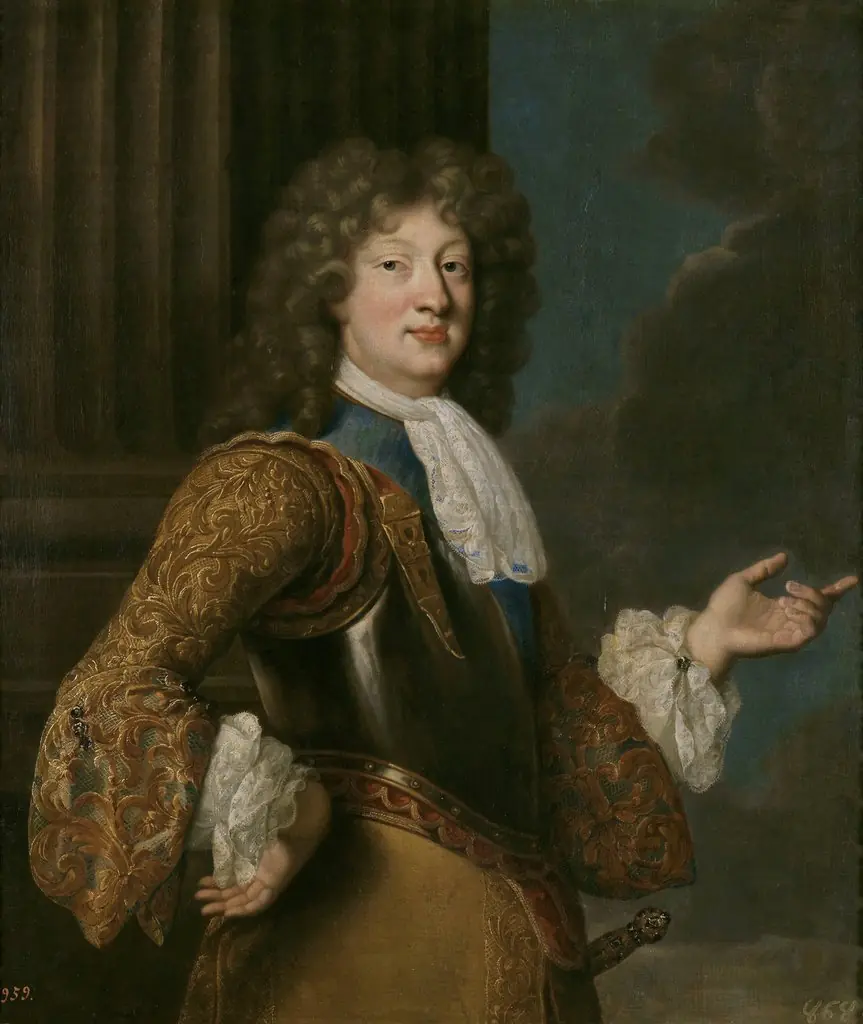 Louis of France the Grand Dauphin
 Antoine Pâris
 Portrait of François Leydecker, Delegate to the Court of Audit for Zeeland
 Thomas Morant, conseiller d'Etat