Artwork
Philipp Ludwig Wenzel von Sinzendorf
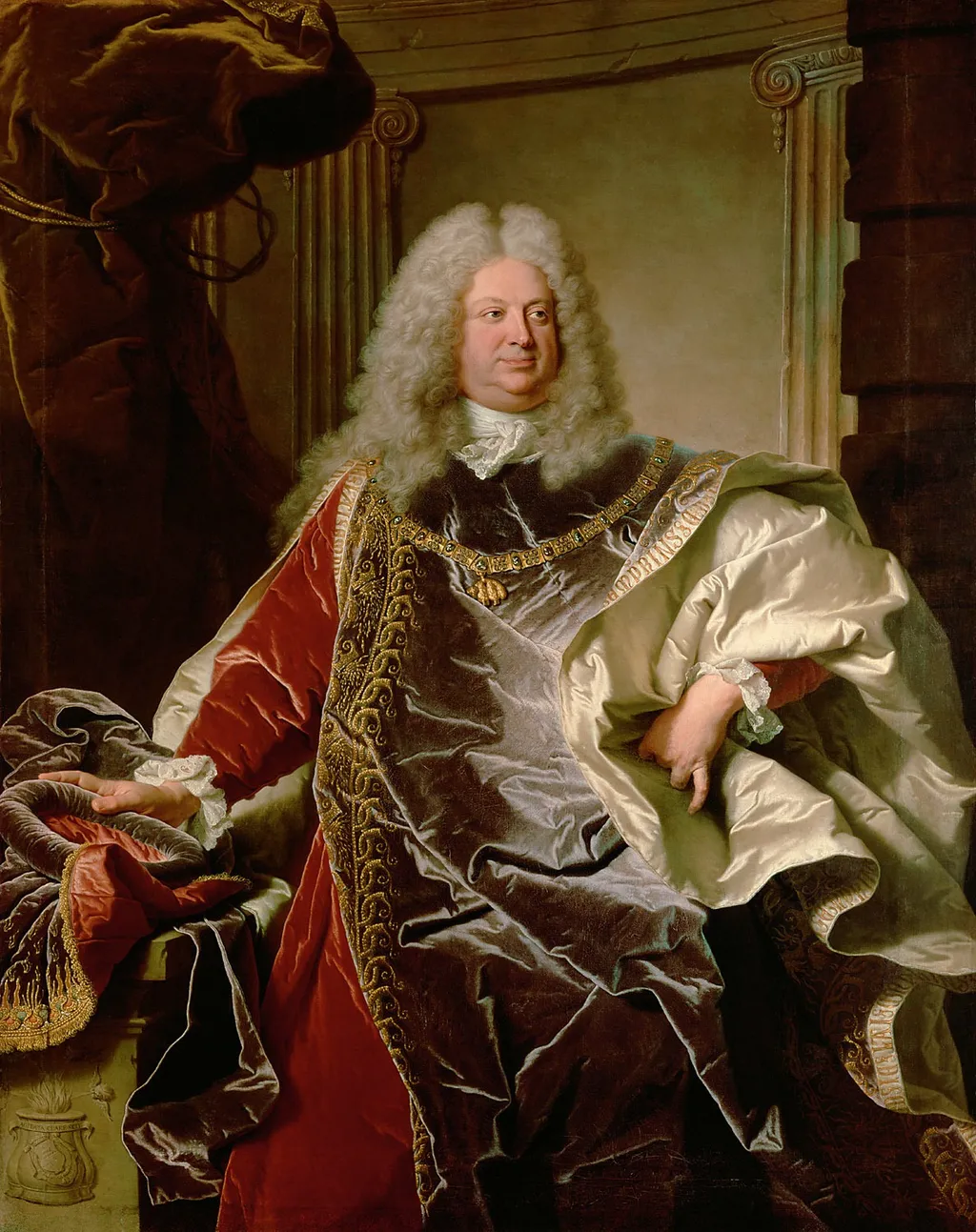
Philipp Ludwig Wenzel von Sinzendorf is an oil painting by the Baroque artist Rigaud Hyacinthe. It dates from 1729 and is held in the collection of the Kunsthistorisches Museum.
About this work
Overview
Hyacinthe Rigaud’s 1729 oil portrait depicts Philipp Ludwig Wenzel von Sinzendorf, a high‑ranking nobleman of the Habsburg realm.
Hyacinthe Rigaud’s 1729 oil portrait depicts Philipp Ludwig Wenzel von Sinzendorf, a high‑ranking nobleman of the Habsburg realm. Rendered in a richly appointed interior, the work presents the sitter seated on an elaborate chair, his attire highlighted by gold‑trimmed robes and a towering wig. The composition balances formal dignity with the painter’s characteristic attention to surface texture and light.
Subject & Meaning
The portrait records von Sinzendorf’s status through sartorial splendor: heavy ceremonial dress, a red cushion beneath his left hand, and a white cloth held in his right convey both authority and ceremonial function. The poised stance and direct gaze suggest confidence, while the surrounding décor underscores his connection to courtly power and the cultural milieu of early‑18th‑century aristocracy.
Technique & Style
Rigaud employs a refined chiaroscuro, allowing soft shadows to model the folds of fabric against luminous highlights that accentuate the gold embroidery. The brushwork renders the velvet and silk with tactile realism, while the darkened background recedes, focusing attention on the sitter’s face and attire. Though rooted in Baroque sensibilities, the palette and decorative details anticipate the lighter Rococo aesthetic.
History & Provenance
Created in 1729, the painting entered the collection of the Kunsthistorisches Museum in Vienna, where it remains on display. Its acquisition reflects the museum’s broader effort to assemble portraits of Central European nobility, providing a visual record of the empire’s political elite during the early eighteenth century.
Context
Rigaud, a French portraitist renowned for his depictions of Louis XIV and other court figures, applied his expertise to foreign patrons, bridging French courtly portraiture with Central European aristocratic conventions. The work exemplifies the transnational exchange of artistic styles, illustrating how French Baroque techniques were adapted to the tastes and ceremonial requirements of the Habsburg aristocracy.
Artist & collection
Artist
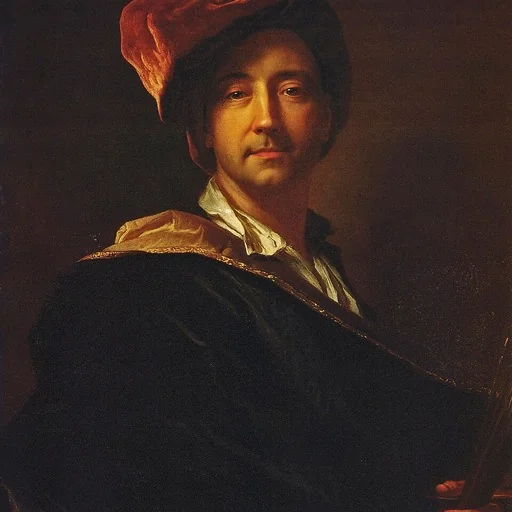
Jacint Rigau-Ros i Serra (Catalan pronunciation: ; 18 July 1659 – 29 December 1743), known in French as Hyacinthe Rigaud (pronounced ), was a Catalan-French baroque painter most famous for his portraits of Louis XIV and other members of…

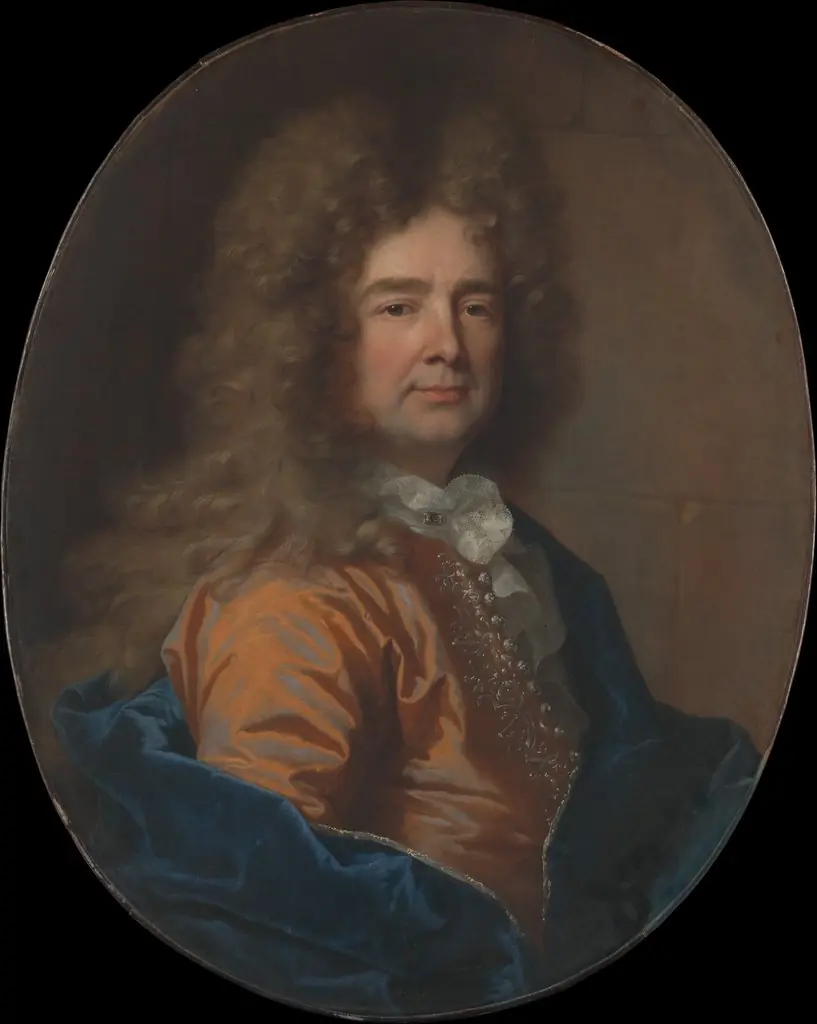
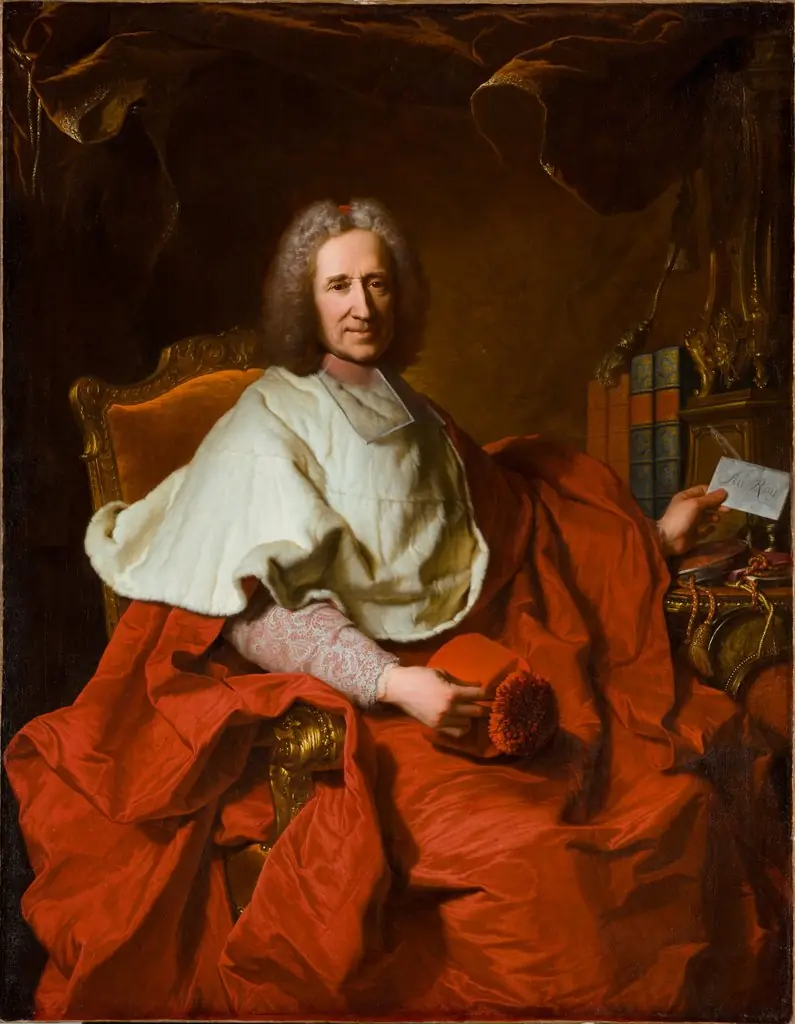
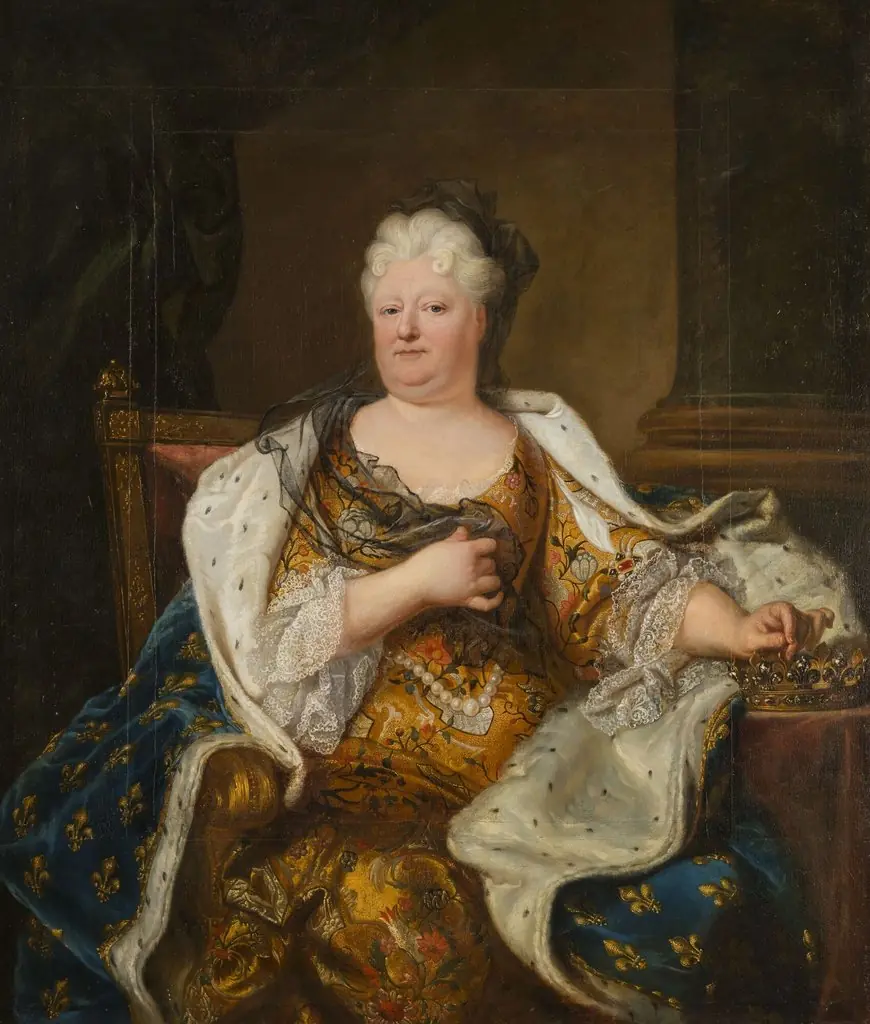
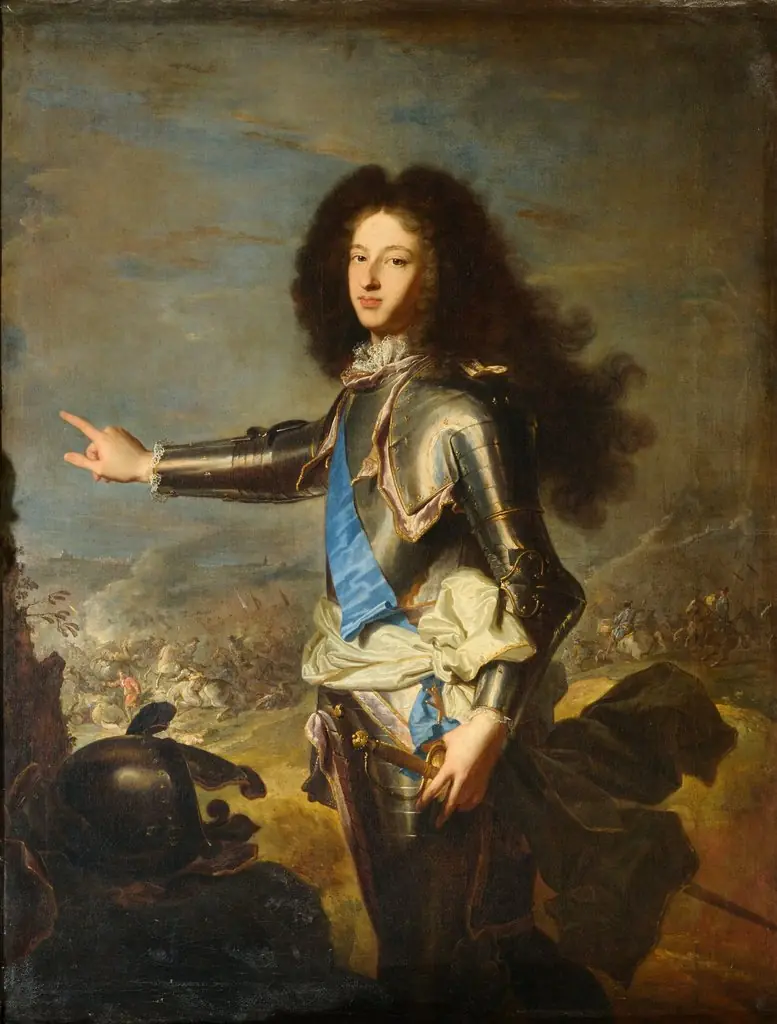
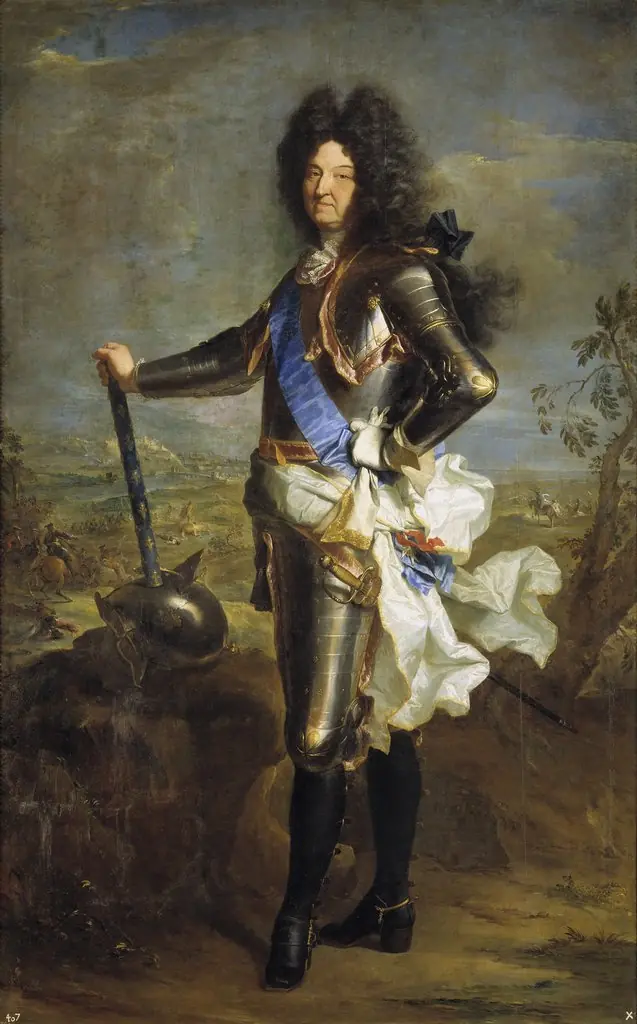
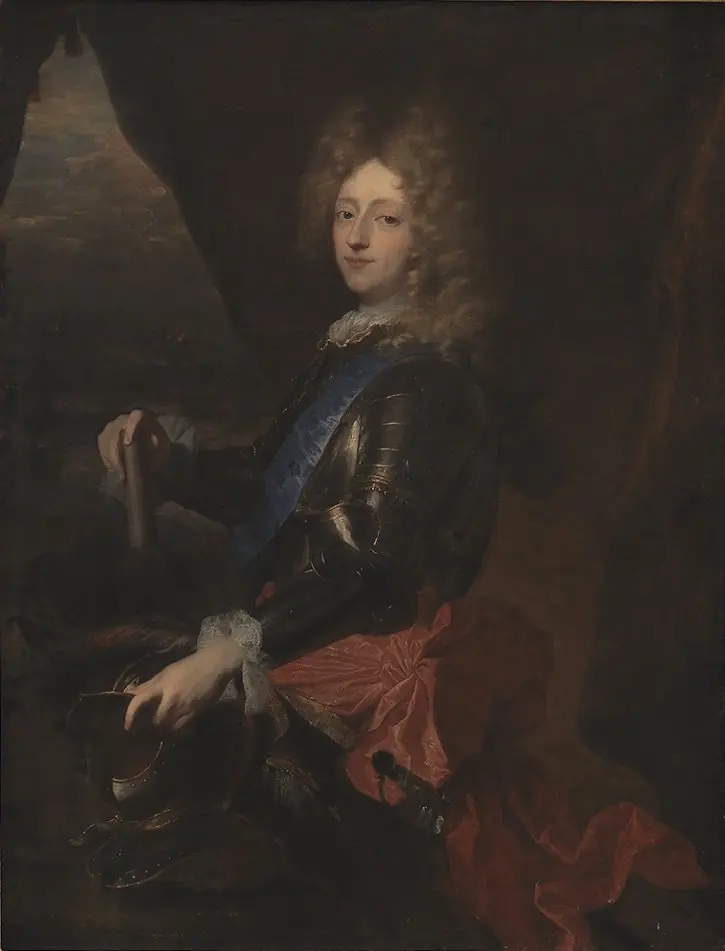
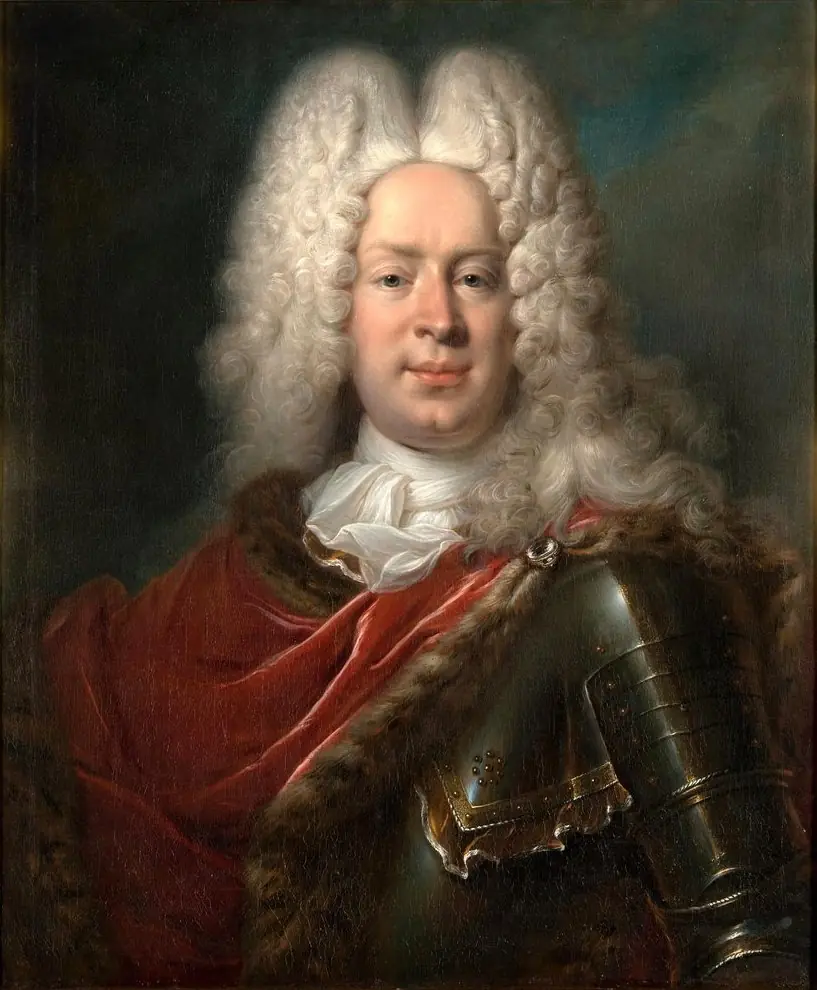 Portrait of Count Georg Wilhelm Werthern
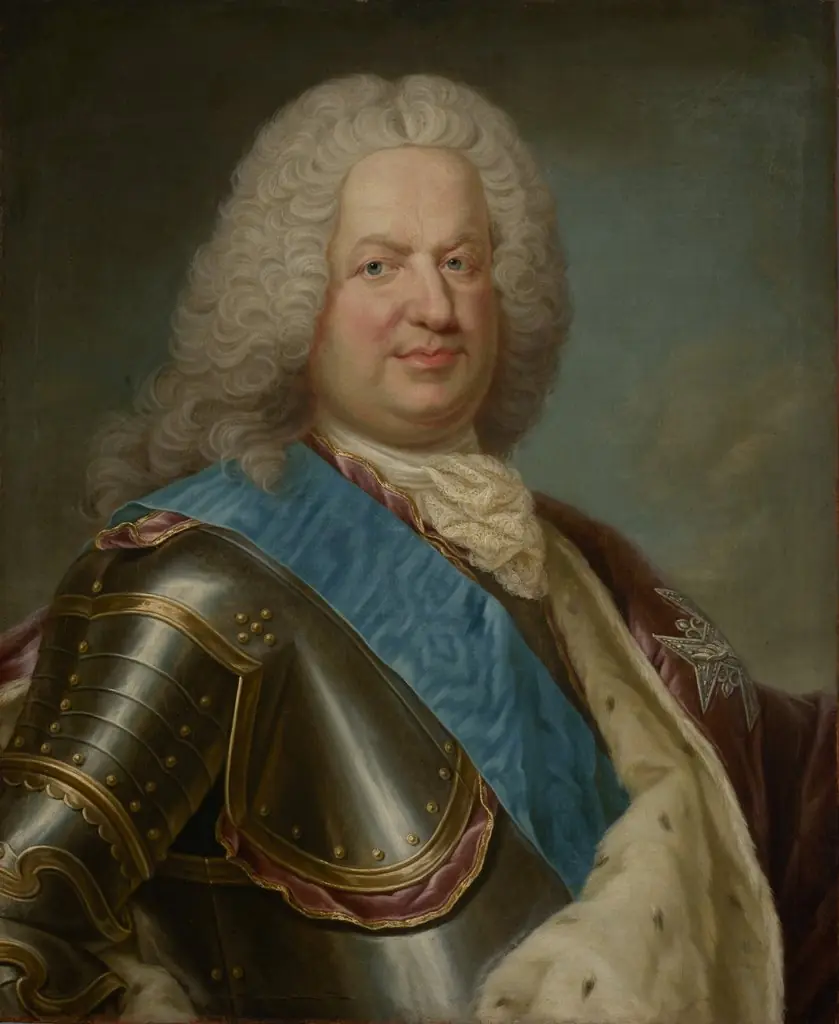 Portrait of Stanislaus Leszczyński (1677–1766))
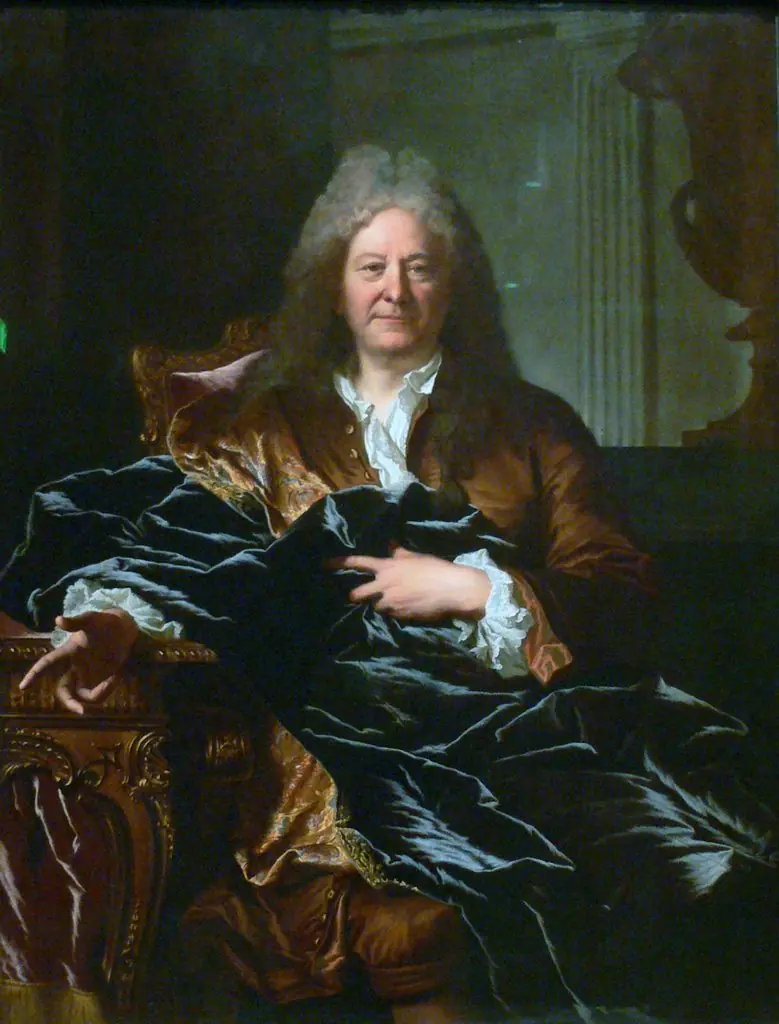 Antoine Pâris
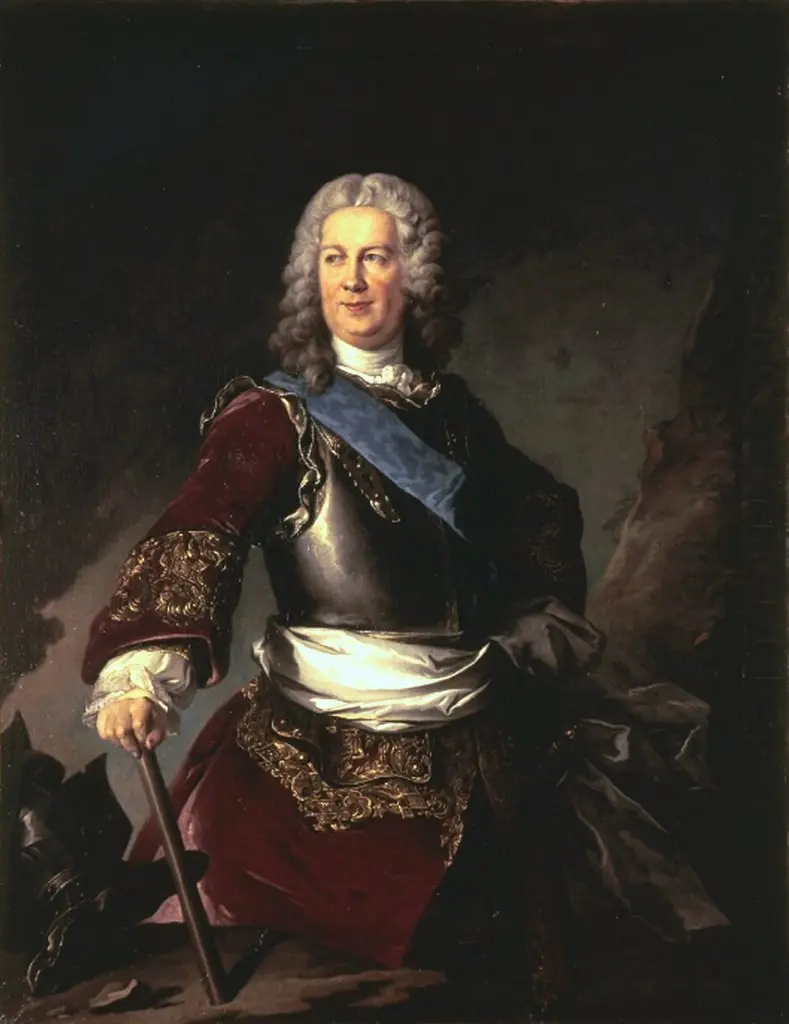 Thomas Goyon de Matignon (1684-1766), comte de Gacé, seigneur de Briquebec, Brigadier des armées du Roi en 1719.
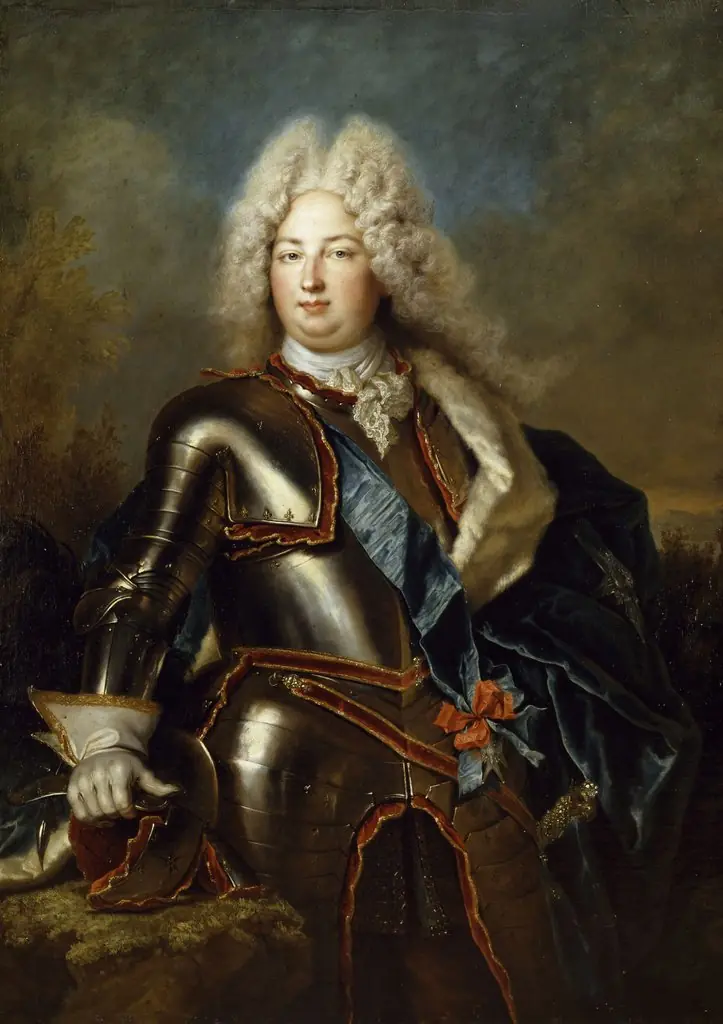 Charles of France, Duke of Berry
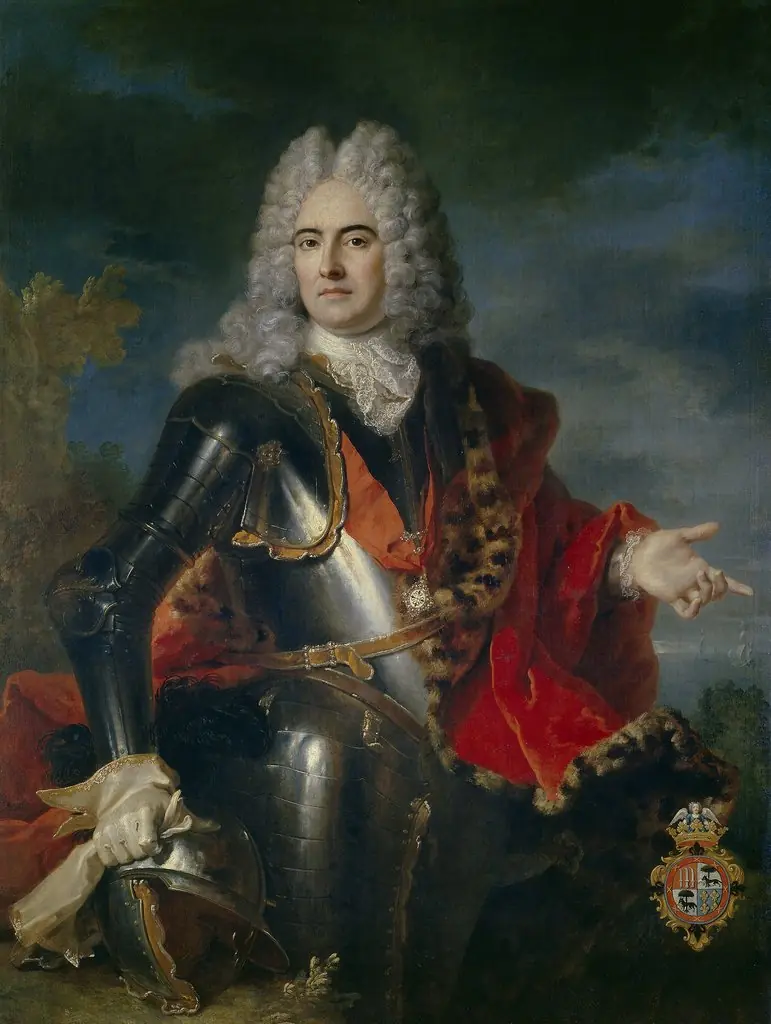 Don José de Rozas y Meléndez de la Cueva, first Count of Castelblanco
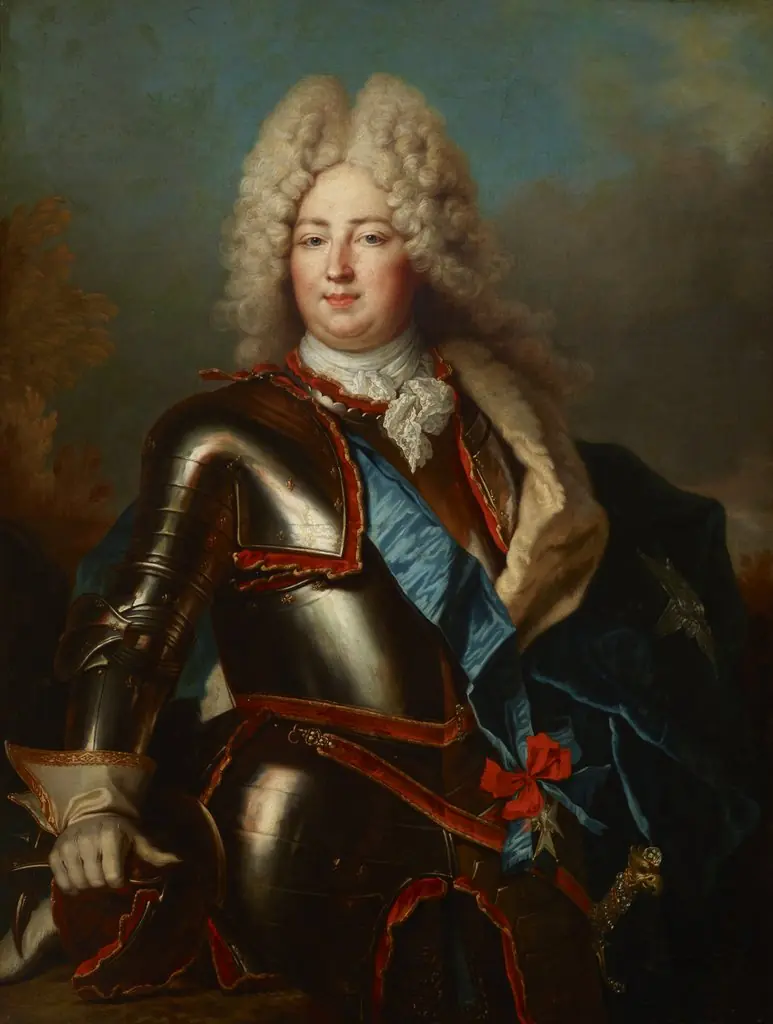 Portrait of Charles de France (1686–1714)
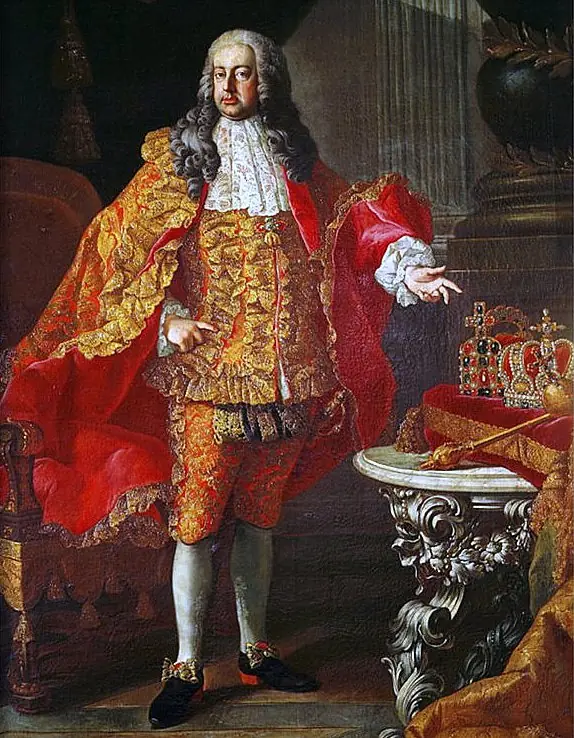 So-called Portrait of Charles VI of Austria
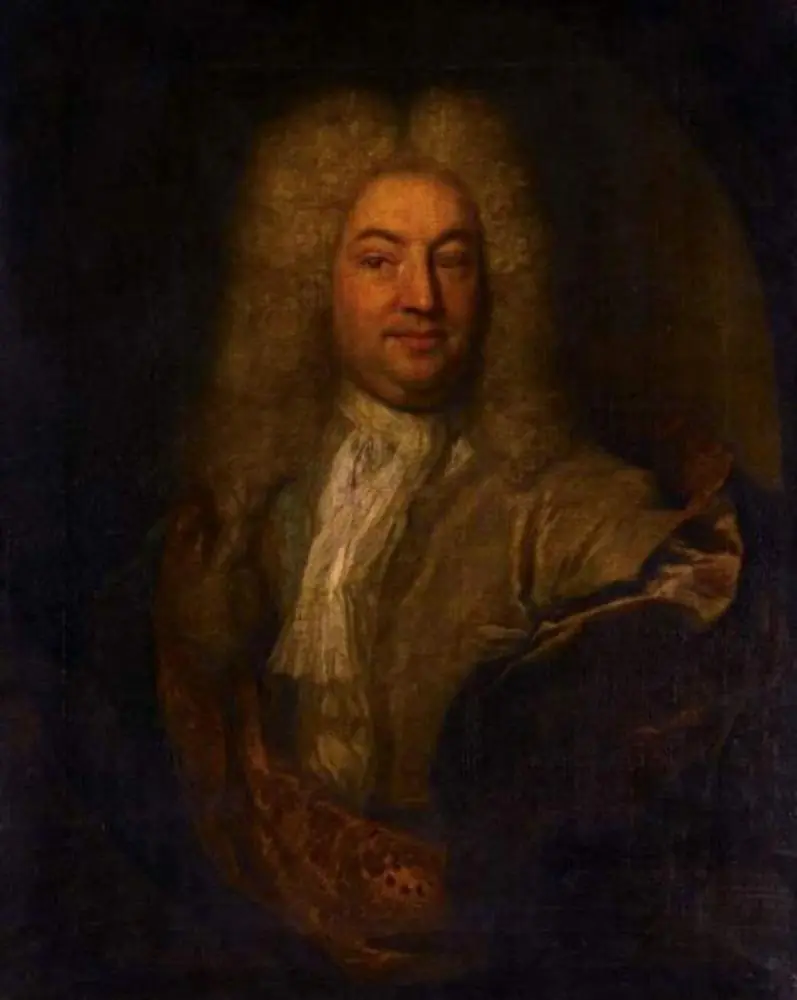 Portrait of Sir Matthew Decker, Bart
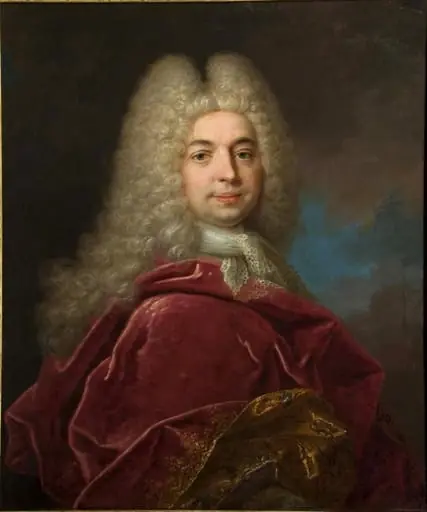 Portret de bărbat
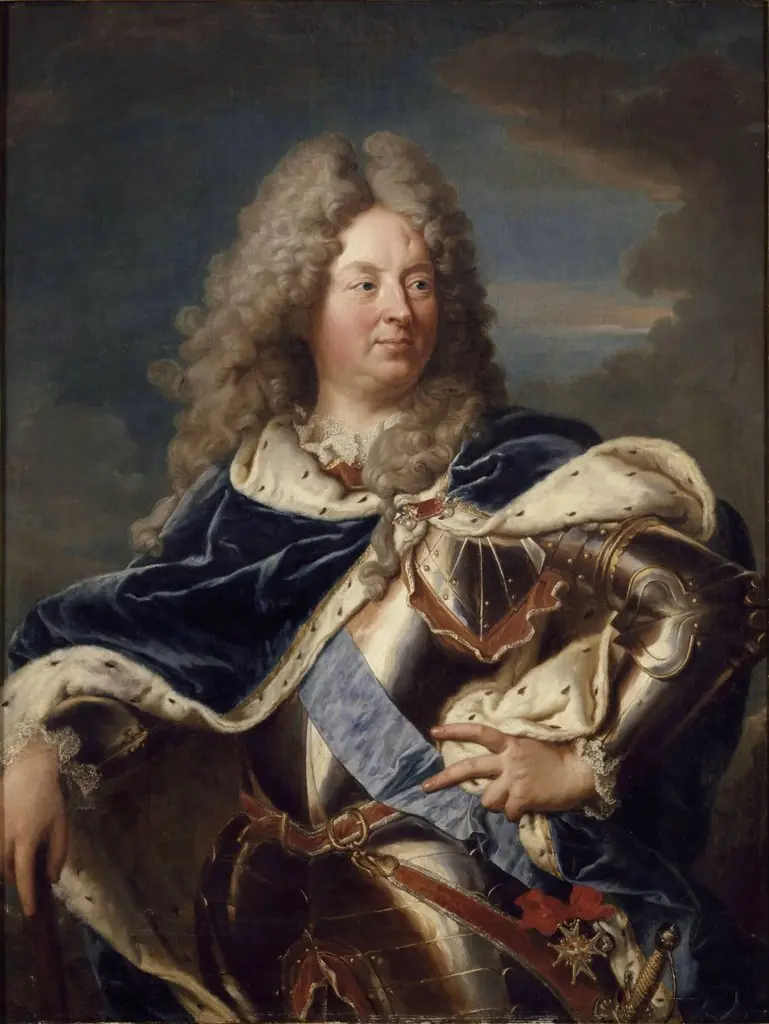 Portrait of the Duke of Antin
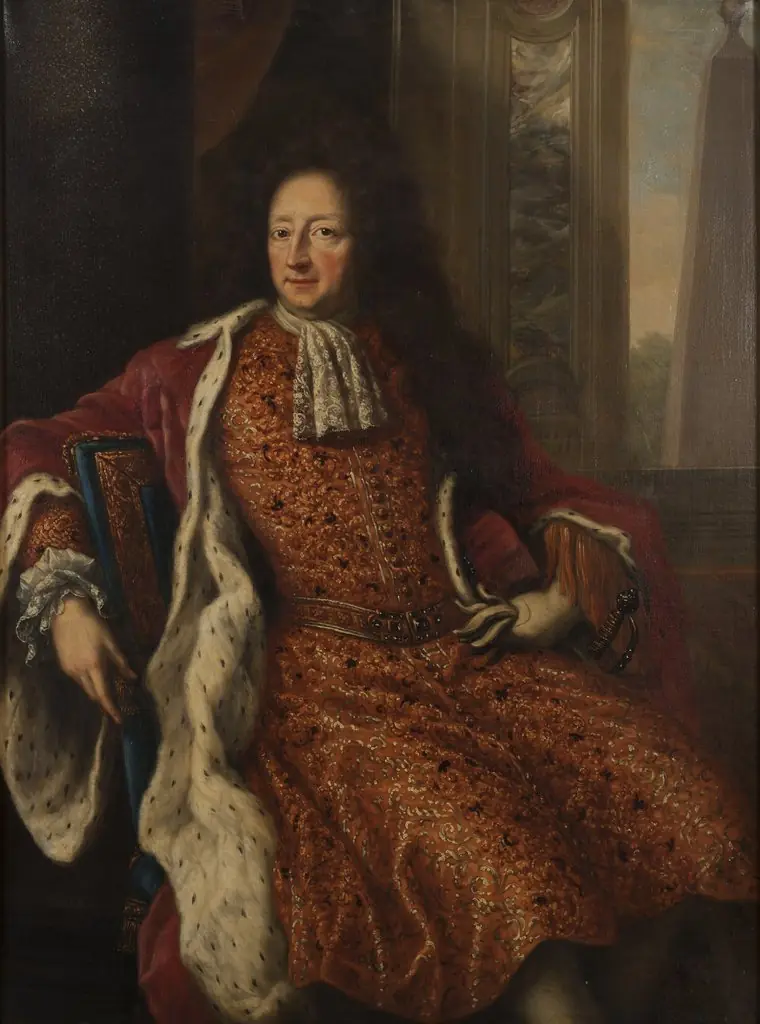 Hans Wachtmeister af Johannishus, 1641-1714