Artwork
Antoine Pâris
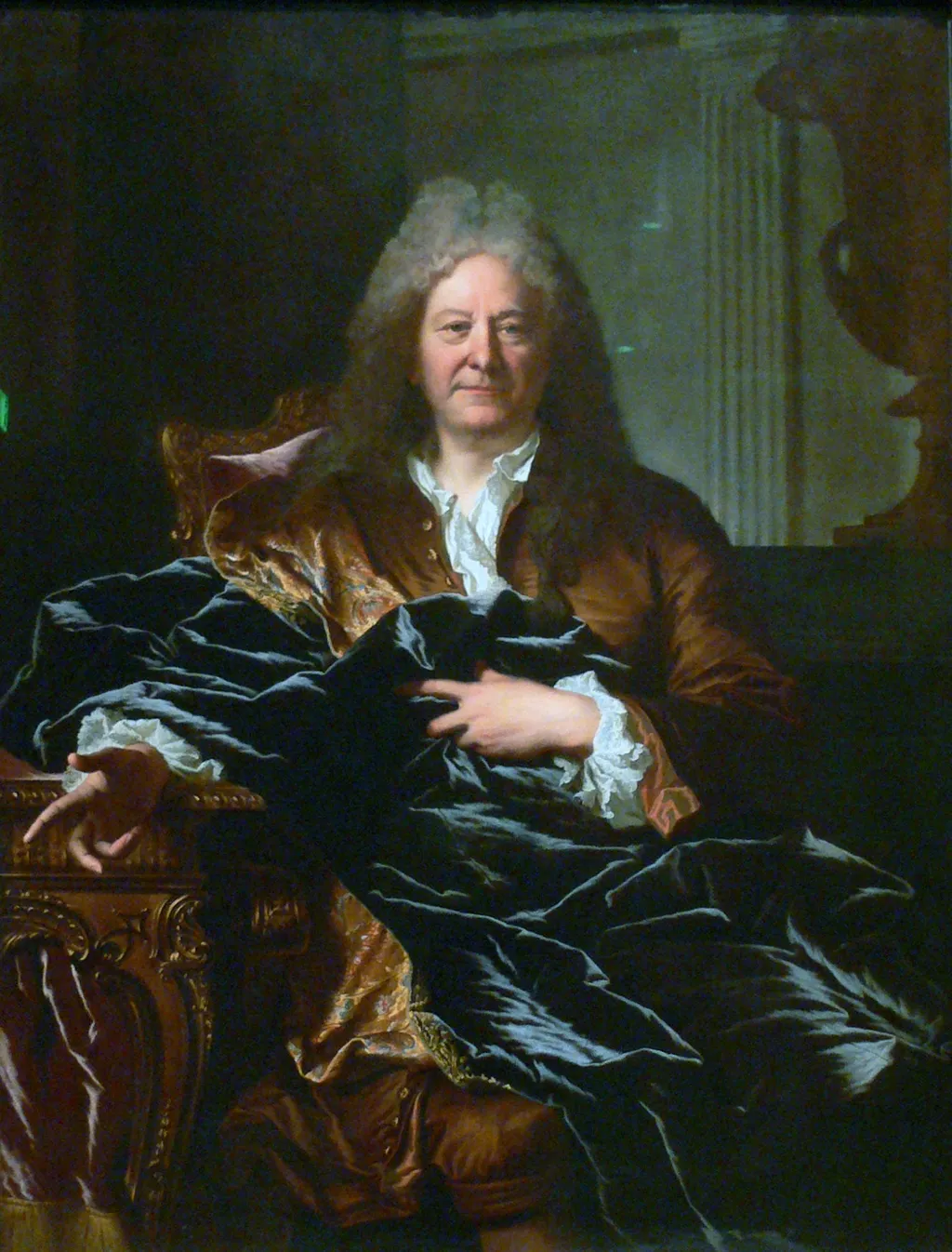
Antoine Pâris is an oil painting by the Rococo painting artist Rigaud Hyacinthe. It dates from 1724 and is held in the collection of the Norton Simon Museum.
About this work
Overview
The work is held in the Norton Simon Museum and exemplifies Rigaud’s skill in capturing aristocratic presence through controlled composition and refined detail.
Painted in 1724, this oil portrait depicts Antoine Pâris, a French administrator and member of the influential Pâris family. Created by Hyacinthe Rigaud, it reflects the transition from Baroque formality to the emerging Rococo sensibility. The work is held in the Norton Simon Museum and exemplifies Rigaud’s skill in capturing aristocratic presence through controlled composition and refined detail.
Subject & Meaning
Antoine Pâris is portrayed as a man of authority and social standing, dressed in dark, tailored clothing that signals wealth without ostentation. His direct gaze and composed posture convey quiet dignity rather than theatrical grandeur. The black cloth in his lap may reference administrative duties or personal ritual, reinforcing his role as a public figure. The restrained expression avoids sentimentality, aligning with the era’s ideals of measured nobility.
Technique & Style
Rigaud employed oil paint with deliberate brushwork to render texture in fabric, hair, and skin. The dark background isolates the figure, enhancing three-dimensionality through subtle chiaroscuro. While the composition retains Baroque structure, the softer modeling of light and delicate handling of details hint at Rococo tendencies. The painting’s surface shows visible brushstrokes, particularly in the shirt and hair, suggesting a balance between precision and painterly freedom.
History & Provenance
Commissioned during the reign of Louis XV, the portrait likely served to affirm Pâris’s status within royal administrative circles. It remained in private French collections before entering the Norton Simon Museum’s holdings. Rigaud’s reputation as a portraitist to the elite ensured the work’s preservation, though specific ownership records between the 18th century and its museum acquisition remain partially undocumented.
Context
In early 18th-century France, portraiture was a tool of social affirmation, especially among bureaucratic elites like the Pâris family. Rigaud, though trained in the Baroque tradition, adapted his style to reflect evolving tastes—less ceremonial, more intimate. This portrait sits at the intersection of state service and personal identity, capturing a moment when aristocratic power was increasingly tied to administrative competence rather than solely lineage.
Legacy
Rigaud’s portraits of French officials helped define the visual language of state authority during the ancien régime. While less celebrated than his royal commissions, works like this one illustrate how portraiture extended beyond the court to reinforce the legitimacy of the broader administrative class. The painting remains a key example of how individual identity was negotiated through visual culture in pre-revolutionary France.
Own this work as a print
Artist & collection
Artist
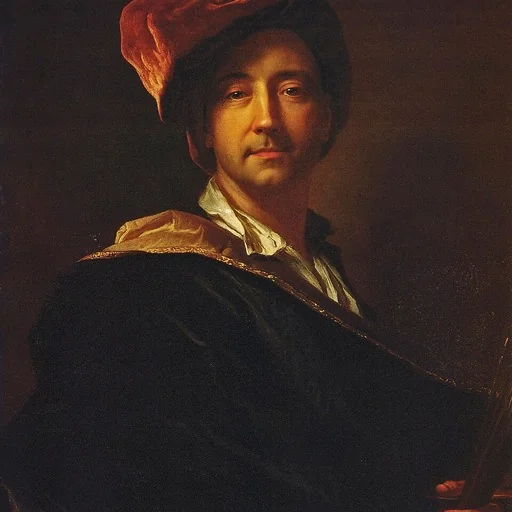
Jacint Rigau-Ros i Serra (Catalan pronunciation: ; 18 July 1659 – 29 December 1743), known in French as Hyacinthe Rigaud (pronounced ), was a Catalan-French baroque painter most famous for his portraits of Louis XIV and other members of…

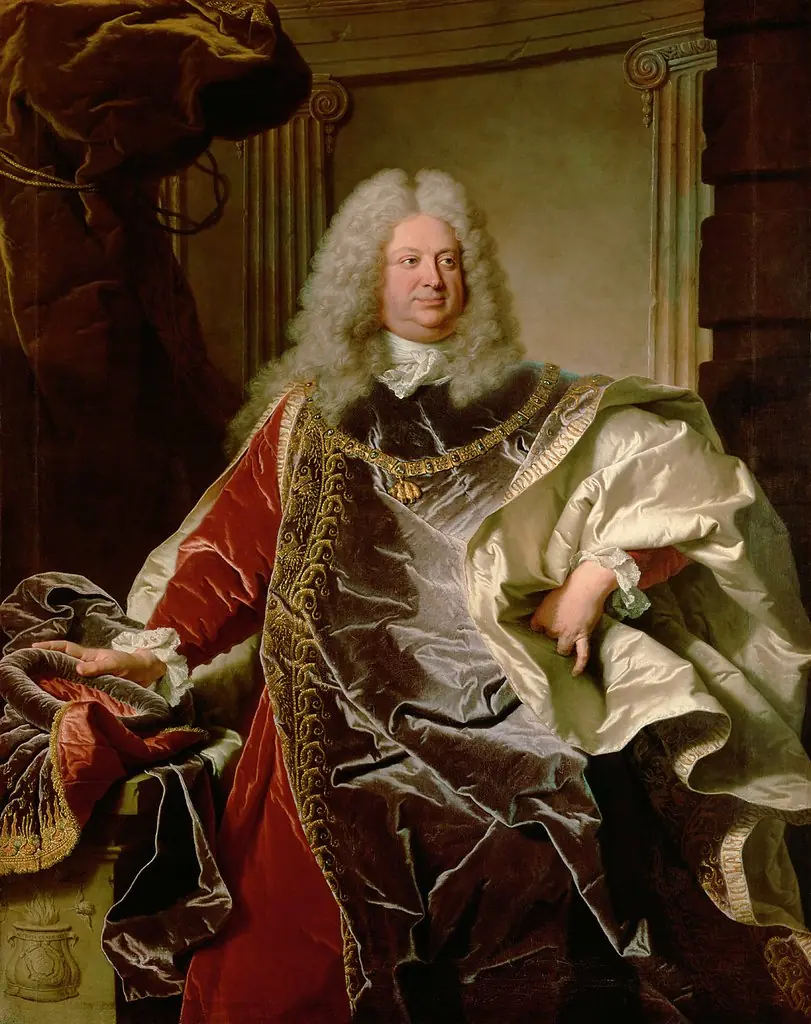 Philipp Ludwig Wenzel von Sinzendorf
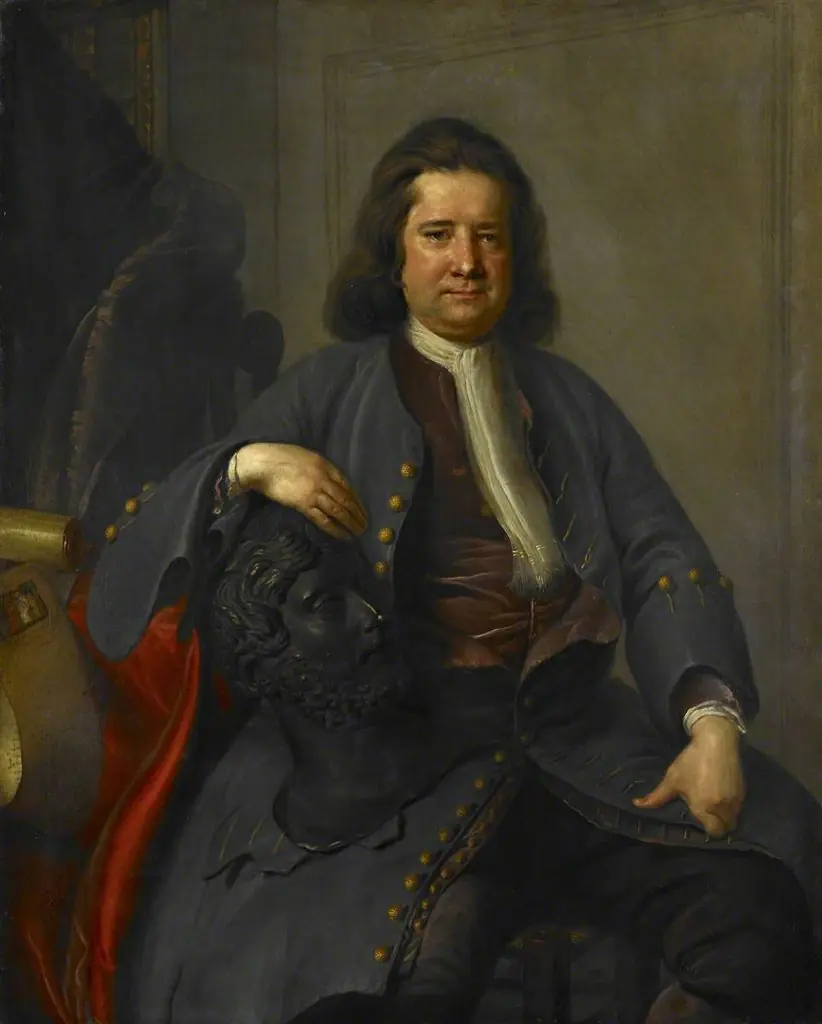 Humfrey Wanley (1672–1726), Librarian
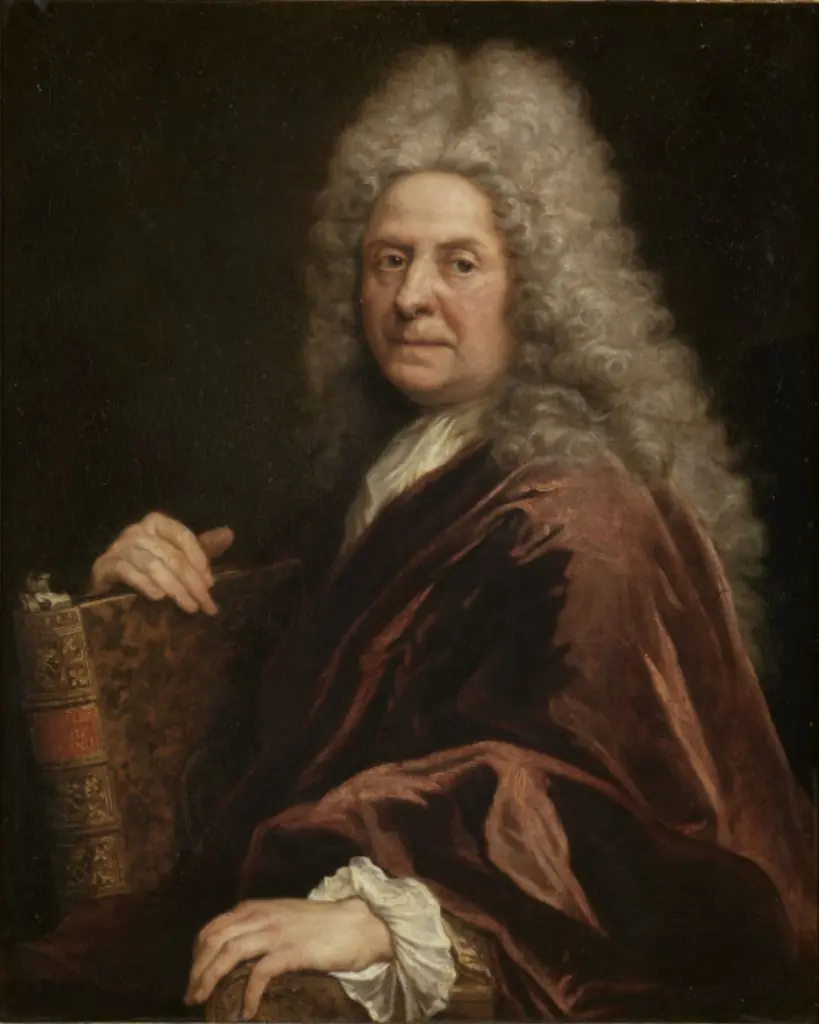 Self portrait of Antoine Coypel, Ecuyer Premier Peintre du Roy (1661-1722)
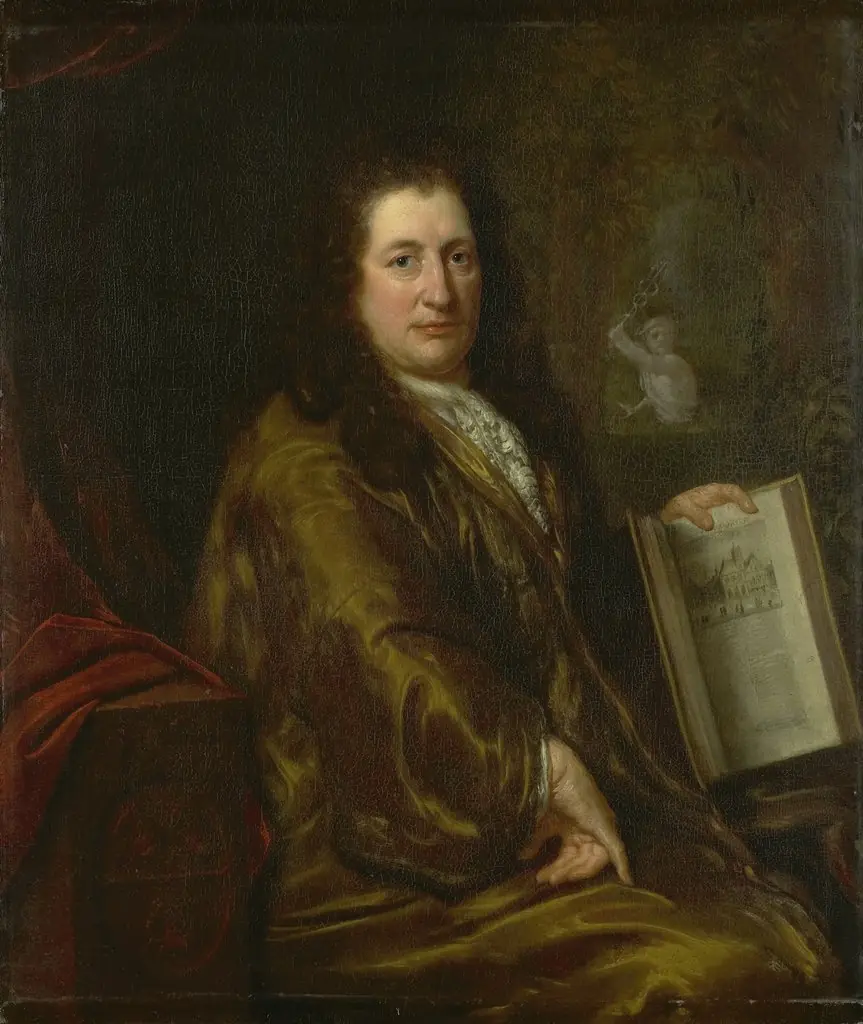 Portrait of Caspar Commelin, bookseller, newspaper publisher and author of the official history of Amsterdam 'Beschrijvinghe van Amsterdam'of 1693
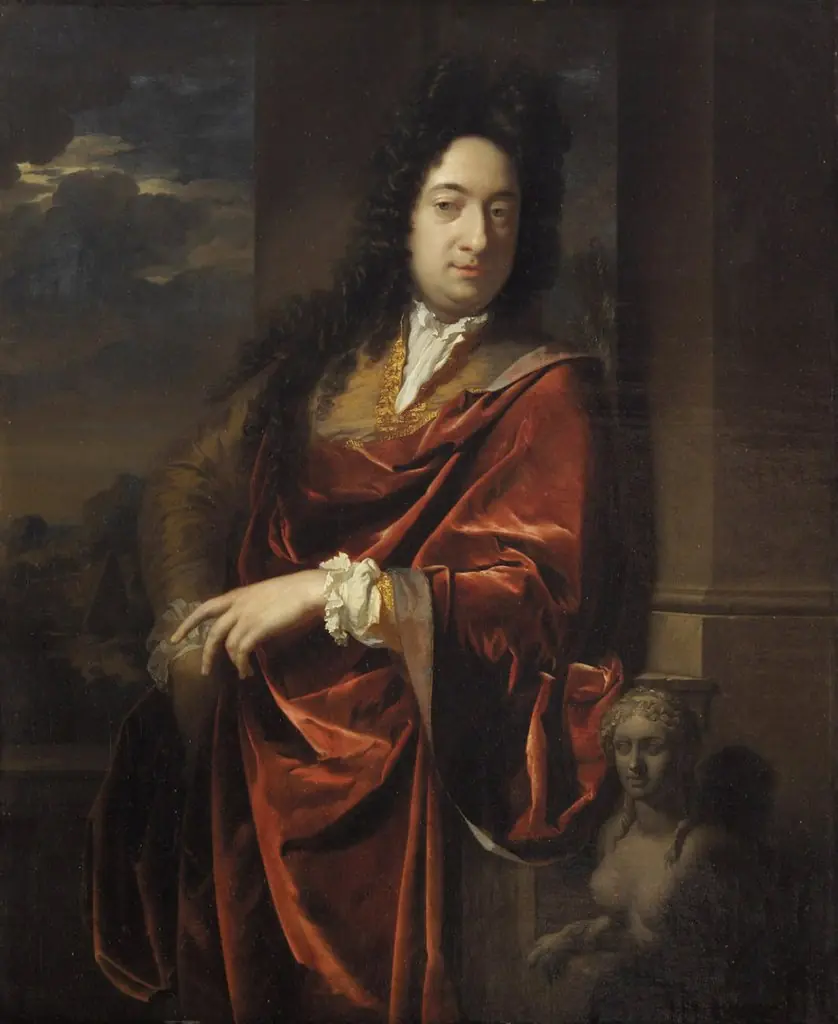 Bildnis eines Herren
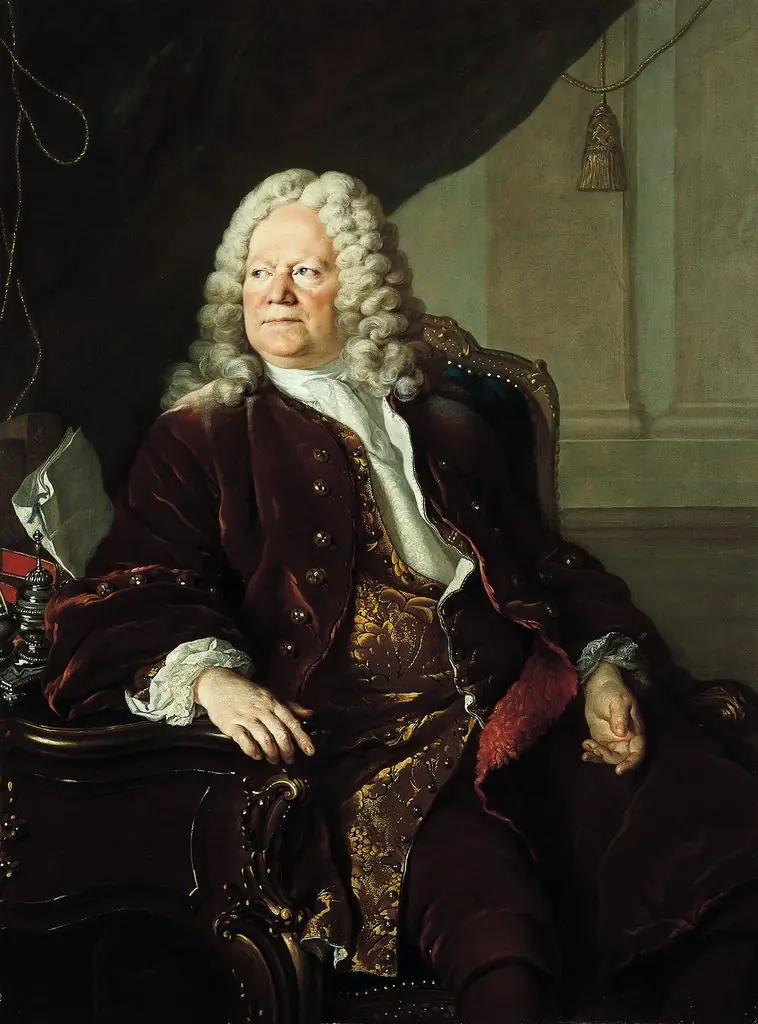 Portrait of Alexis Piron (?)
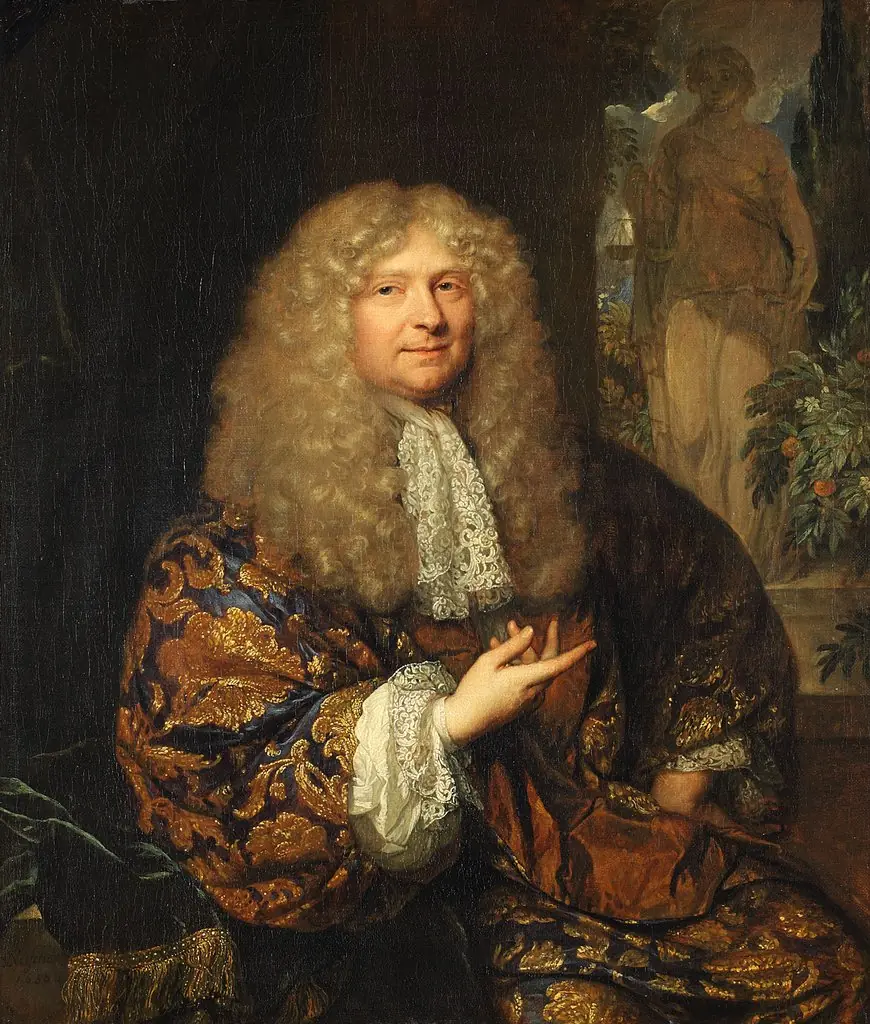 Portrait of a gentleman with an allonge wig
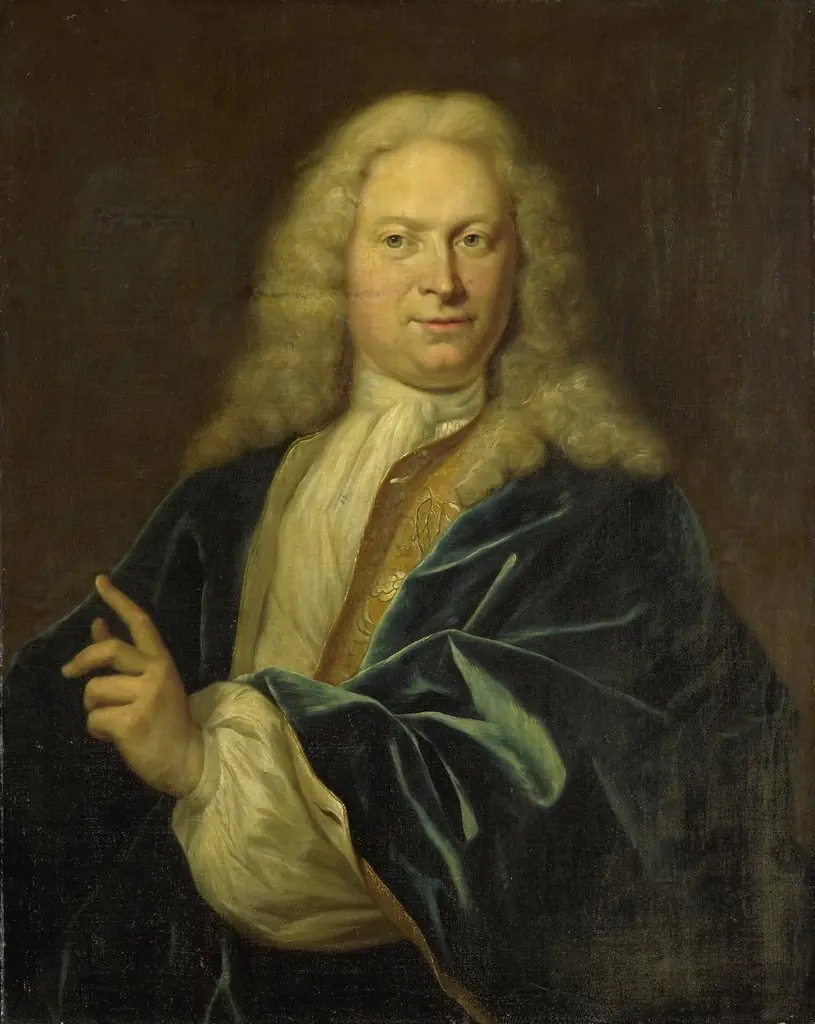 Portrait of Jan Hendrik van Heemskerck, Count of the Holy Roman Empire, Lord of Achttienhoven, Den Bosch and Eyndschoten, Captain of the Citizenry of Amsterdam (Johan Hendrik Graaf Van Heemskerk)
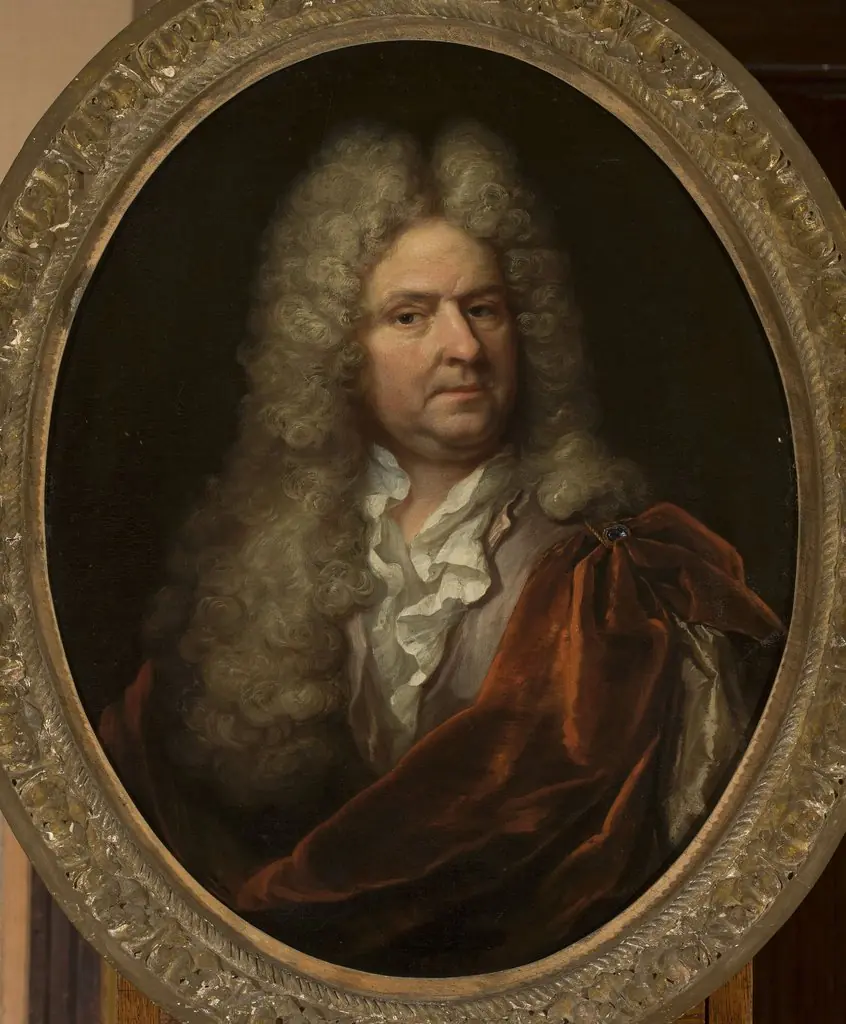 Portrait of a man in a wig
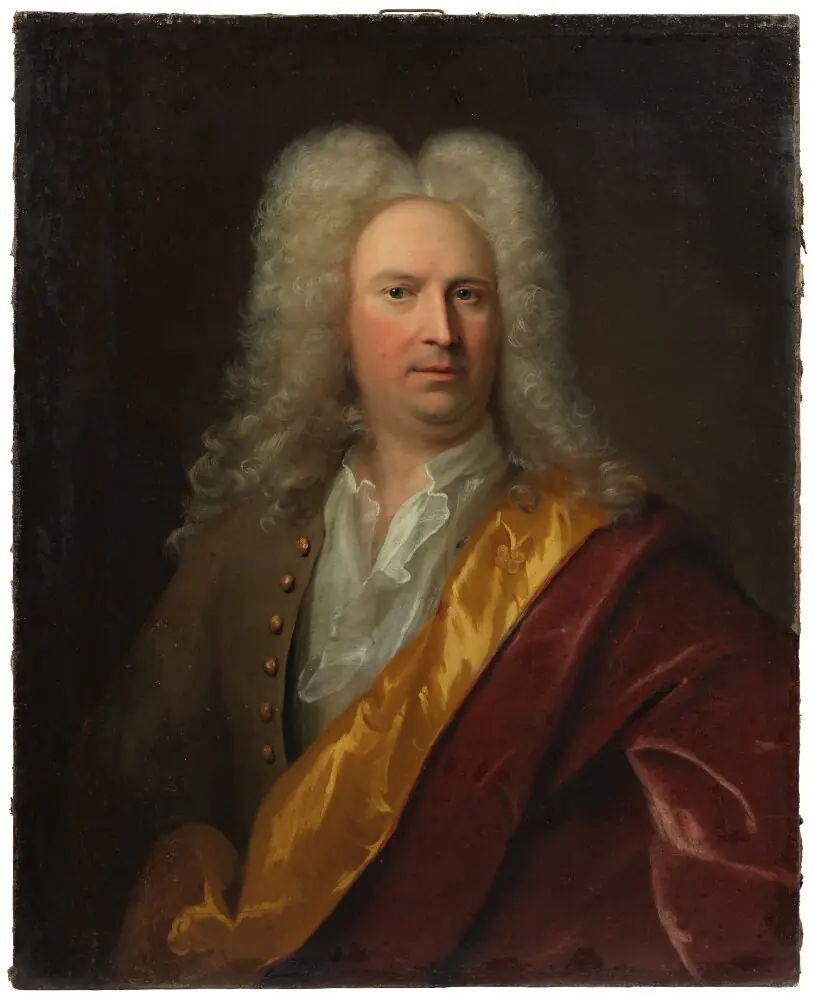 Abraham Grill the Older
 Kreivi Johan Gabriel Stenbock
 Jan Karel Nicolaas van Hove, Dean of the Guild of Saint Luke