Artwork
Portrait of Jacoba Bicker (1640-95), wife of Pieter de Graeff
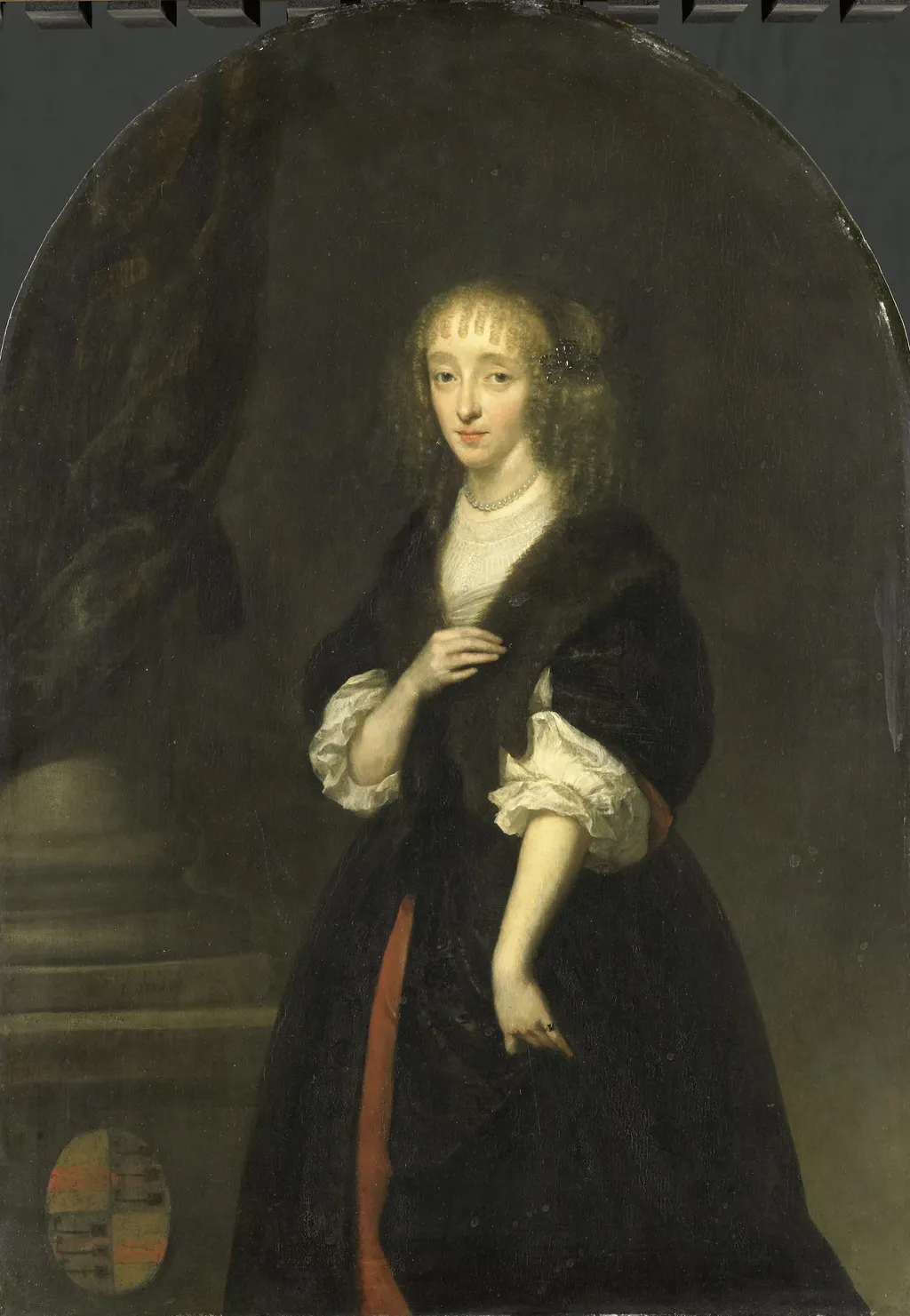
Portrait of Jacoba Bicker (1640-95), wife of Pieter de Graeff is an oil painting by the Dutch Golden Age artist Caspar Netscher. It dates from 1663 and is held in the collection of the Munich Central Collecting Point.
About this work
Overview
The figure stands before a muted background, her right arm bent and left hand placed gently on her chest, conveying restrained elegance.
Caspar Netscher’s 1663 oil portrait presents Jacoba Bicker, a member of the Dutch patrician class, in a composed, half‑length pose. She is dressed in a dark gown trimmed with a white ruffled collar and cuffs, her hair styled in curls and accented by a modest flower. The figure stands before a muted background, her right arm bent and left hand placed gently on her chest, conveying restrained elegance.
Subject & Meaning
Jacoba Bicker (1640‑1695) was the wife of Pieter de Graeff, a prominent Amsterdam regent. The inclusion of a heraldic shield bearing three horizontal stripes in the lower left foreground signals her family’s status and alliances. Her pearl necklace, ring, and refined attire reinforce the portrait’s function as a visual affirmation of wealth, lineage, and the social role of a married woman in the Dutch elite.
Technique & Style
Netscher employs a smooth, almost enamel‑like finish characteristic of late Dutch portraiture, rendering fabrics and jewelry with meticulous attention to light and texture. The contrast between the dark dress and the bright collar accentuates the sitter’s face, while the subtle chiaroscuro creates depth without distracting from the dignified pose. The composition balances realism with an idealized poise typical of the period’s courtly portraiture.
History & Provenance
The work has been part of the Rijksmuseum’s collection since its acquisition, where it remains on display as part of the museum’s Dutch Golden Age holdings. Documentation traces the painting’s ownership from the de Graeff family to later private collectors before its entry into the national collection, reflecting the continued interest in Netscher’s portraiture among Dutch heritage institutions.
Context
Created during the height of the Dutch Golden Age, the portrait reflects the era’s emphasis on civic pride and the visual representation of merchant‑aristocratic families. Netscher, trained in the studio of Gerard ter Borch, adopted a refined, courtly aesthetic that appealed to affluent patrons seeking to affirm their social standing through portraiture, a common practice in 17th‑century Amsterdam.
Artist & collection

Artist
Caspar Netscher was a Dutch painter. He was a master in depicting oriental rugs, silk and brocade and introduced an international style to the Northern Netherlands.
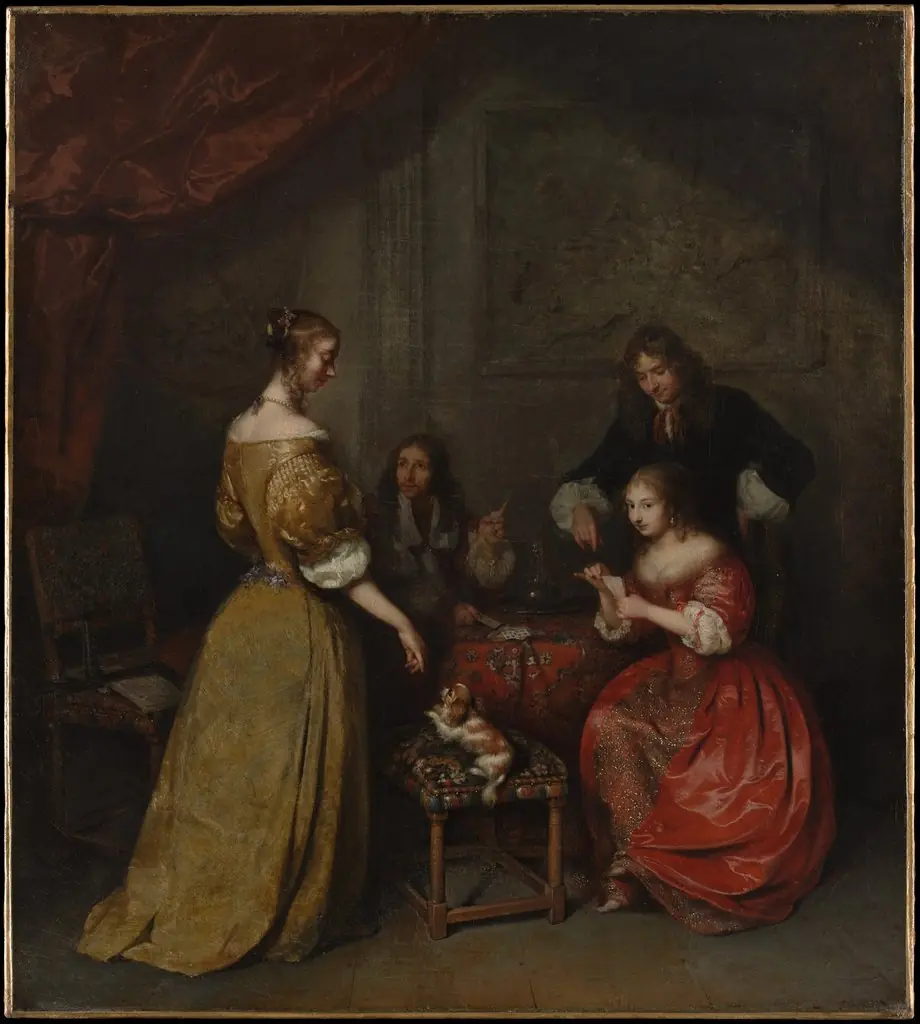 The Card Party
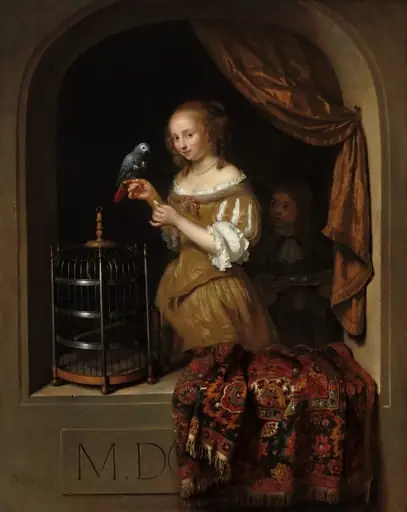 A Woman Feeding a Parrot, with a Page
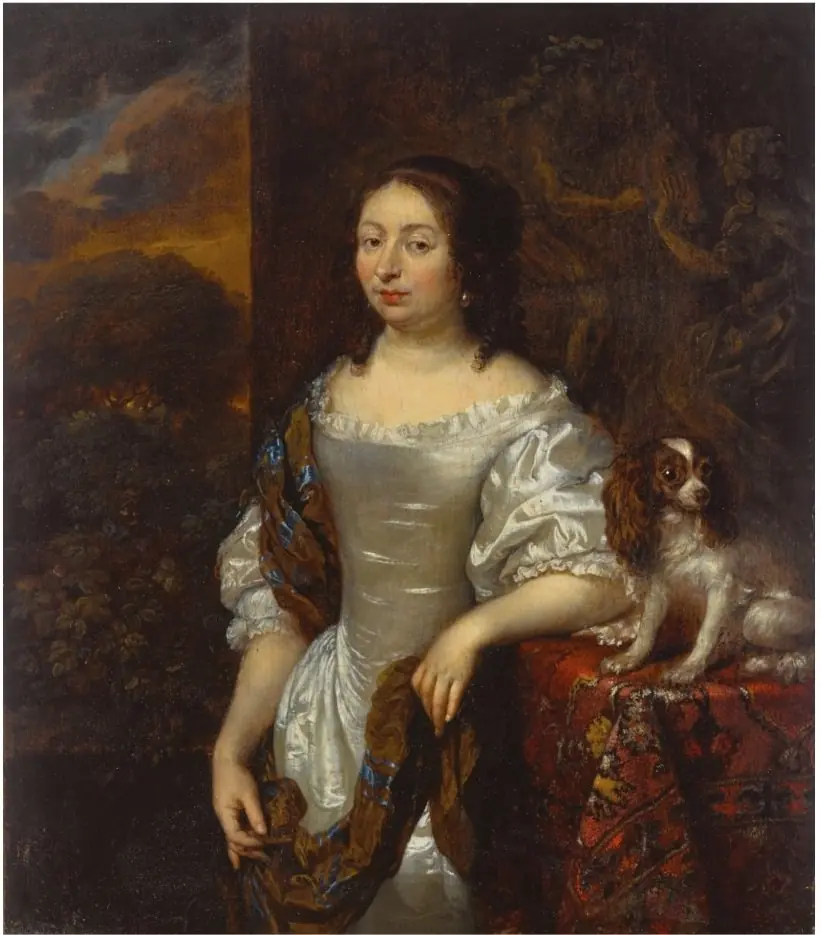 Portrait of a Lady with a Dog on a Table
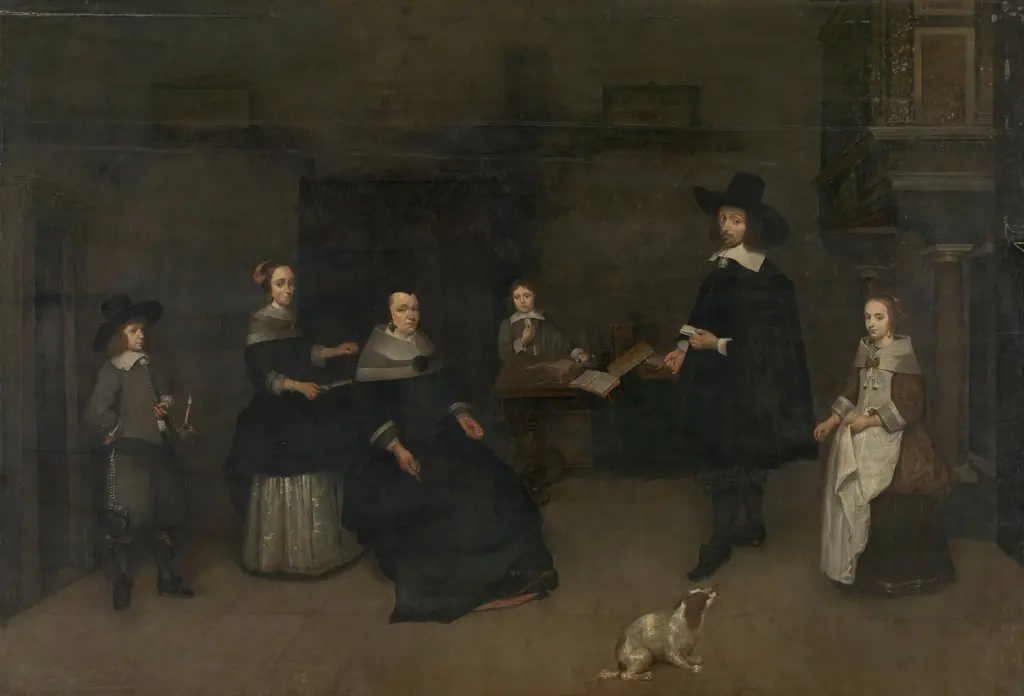 Family scene
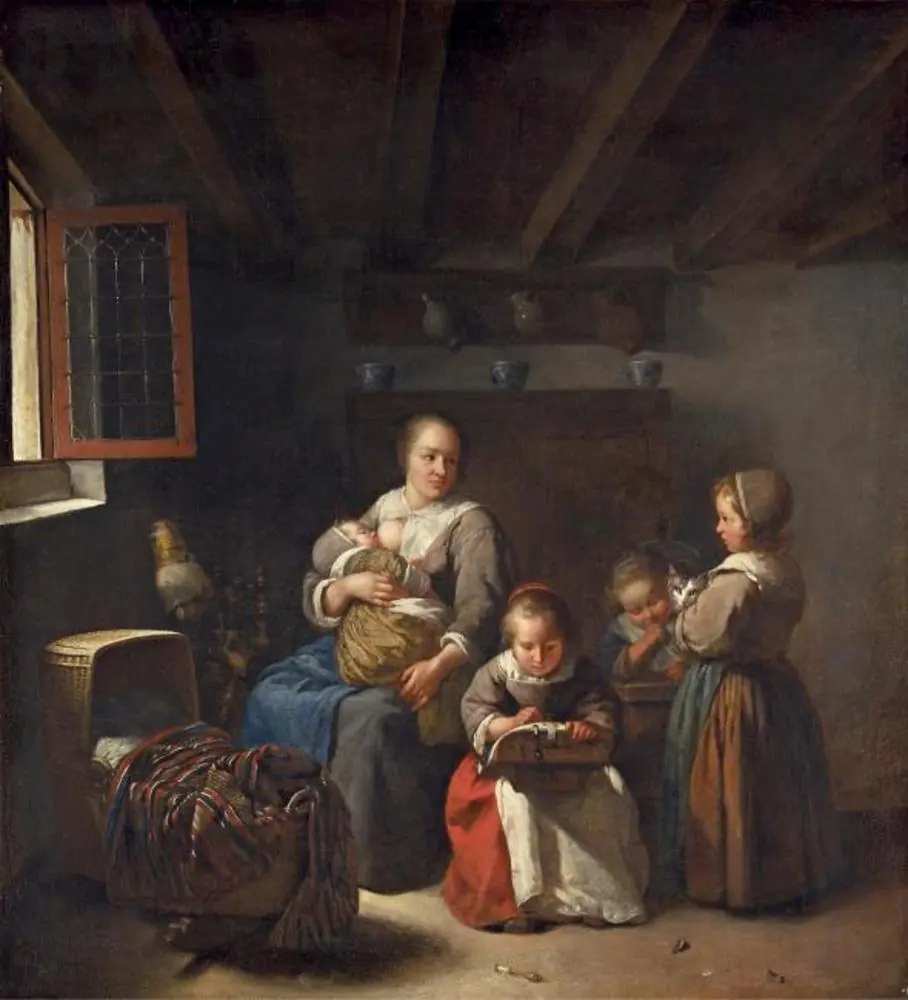 Nursing mother with three girls
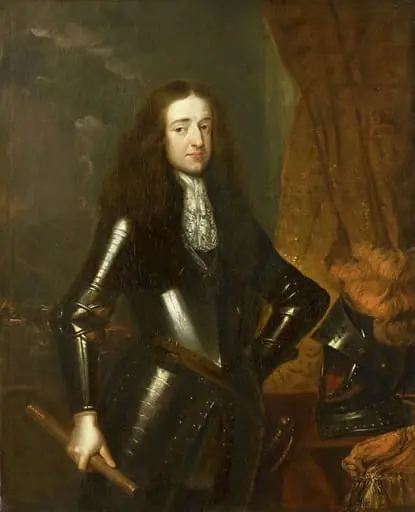 Portrait of Willem III (1650-1702), Prince of Orange and since 1689, King of England
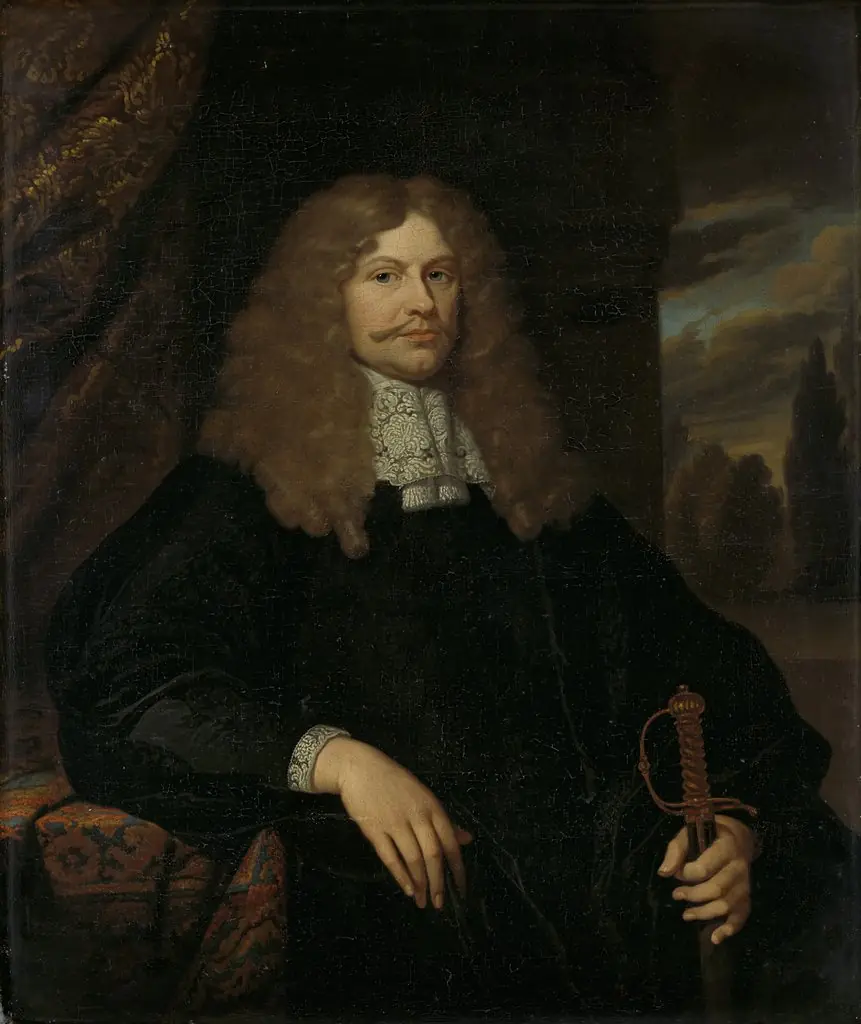 Portrait of Cornelis Backer (1633-81), councillor, alderman, and colonel of the Amsterdam militia
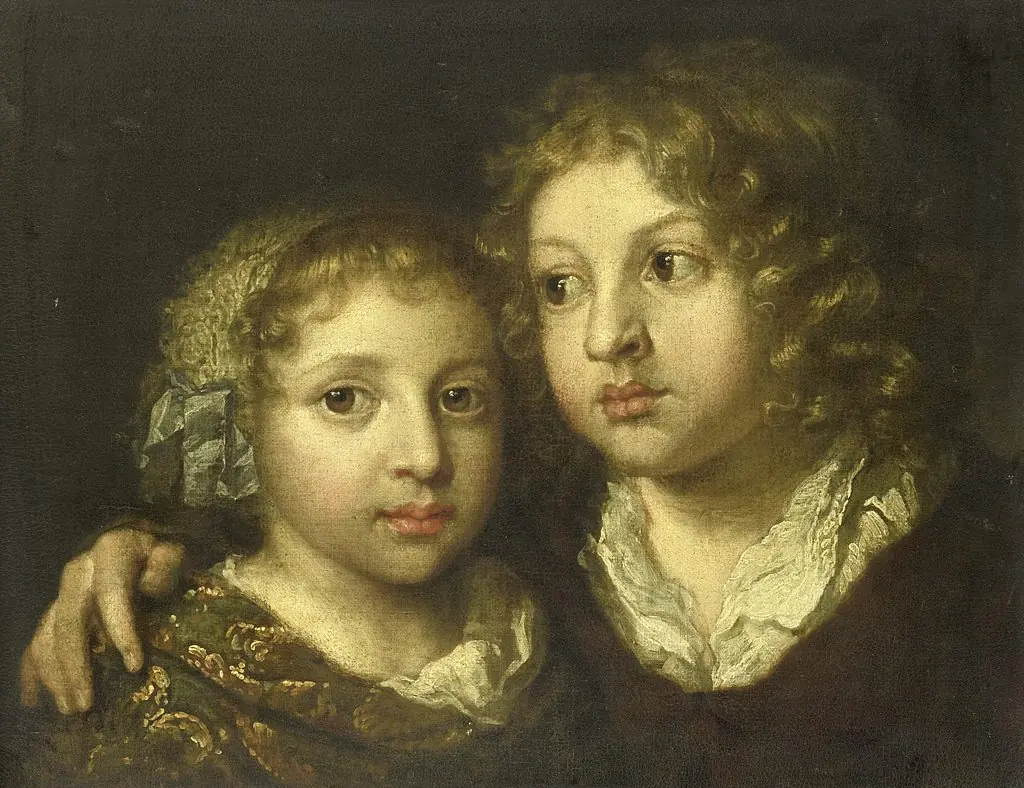 A daughter and a son (Constantijn?) of the artist