Collection
Munich Central Collecting Point
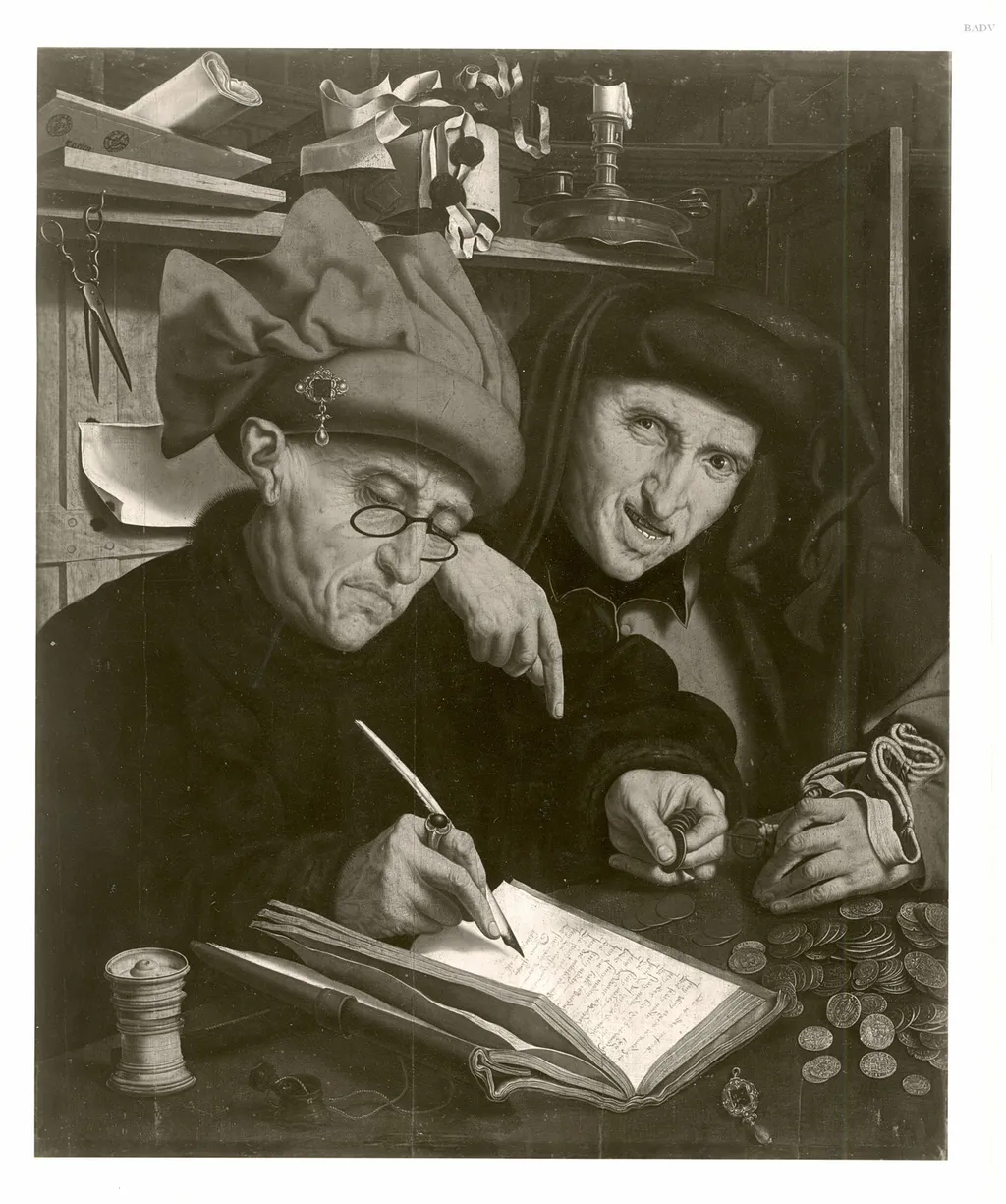
Munich Central Collecting Point is a collection in Munich, Allied-occupied Germany. 8 works from its collection are in this catalog, including Hans Baldung Grien and Jan Steen.
About Munich Central Collecting Point
Overview
The Munich Central Collecting Point (MCCP) was a critical depot established by the Monuments, Fine Arts, and Archives (MFAA) program following the conclusion of the Second World War. Its primary function was to process, photograph, and redistribute artwork and cultural artifacts that had been confiscated by the Nazi regime and hidden across Germany and Austria. The MCCP served as a central hub for restitution efforts, aiming to return these cultural treasures to their countries of origin. It was one of several such points, alongside those in Marburg, Wiesbaden, and Offenbach, but stood out for the volume and significance of the items it handled, including major works from European museums and private collections.
History & Founding
The Munich Central Collecting Point was established in July 1945 by Lieutenant Craig Hugh Smyth. Smyth was responsible for converting former Nazi Party offices into a fully operational depot. The facility was designed to support the complex logistics of art recovery, featuring dedicated photography studios and conservation laboratories. The day-to-day activities of the depot were directed by Herbert S. Leonard. The MCCP operated for six years, with its restitution activities officially ceasing in 1951. The establishment of the point marked a significant effort by the Allied forces to address the systematic looting of art during the war.
Building & Architecture
The physical location of the Munich Central Collecting Point was a repurposed building that had previously served as Nazi administration offices. Specifically, the site was formerly a Nazi Party office building. This conversion was a practical measure to utilize existing infrastructure in post-war Munich for the urgent task of art recovery. The building was adapted to include specialized facilities necessary for the preservation and documentation of artworks, such as photography studios and conservation labs. Today, the building houses the Hochschule für Musik und Theater München (University of Music and Theatre Munich), indicating its continued use as a cultural institution.
Collection Highlights & Notable Holdings
The MCCP processed a vast array of cultural artifacts, including paintings, sculptures, metalwork, and other objects. A significant portion of the collection came from European museums and private collections that had been looted by the Nazis. Notably, the depot handled artwork from Hitler's personal collection, which was discovered at the Altaussee salt mine. The scope of the collection was immense, reflecting the scale of Nazi looting operations across occupied Europe. The items processed ranged from high art to cultural artifacts, all requiring careful documentation and conservation before restitution.
Significance & Controversy
The MCCP played a pivotal role in the post-war restitution of looted art, serving as a model for similar efforts in other locations. However, its legacy is also marked by controversy. In 2016, investigative journalists from the Suddeutsche Zeitung reported that the Commission for Looted Art in Europe (CLAE) discovered that some art tracked down by the Monuments Men was returned to the families of Nazi leaders rather than to the Jewish families who were the rightful owners. This scandal highlighted the complexities and failures in the restitution process, where art passed to German post-war authorities was sometimes returned or sold to high-ranking Nazis, including Baldur von Schirach and Heinrich Hoffmann.
Archives & Legacy
Archives containing materials related to the Munich Central Collecting Point are preserved in two primary repositories in the United States. The National Archives and Records Administration holds the original inventory records and photographs of the works of art processed at the MCCP. Additionally, the Photographic Archives at the National Gallery of Art in Washington, DC, maintain a further archive of photographs and microfilm copies of the inventory cards. These archives serve as crucial historical records for researchers studying the restitution of Nazi-looted art and the operations of the Monuments Men.
Works from Munich Central Collecting Point
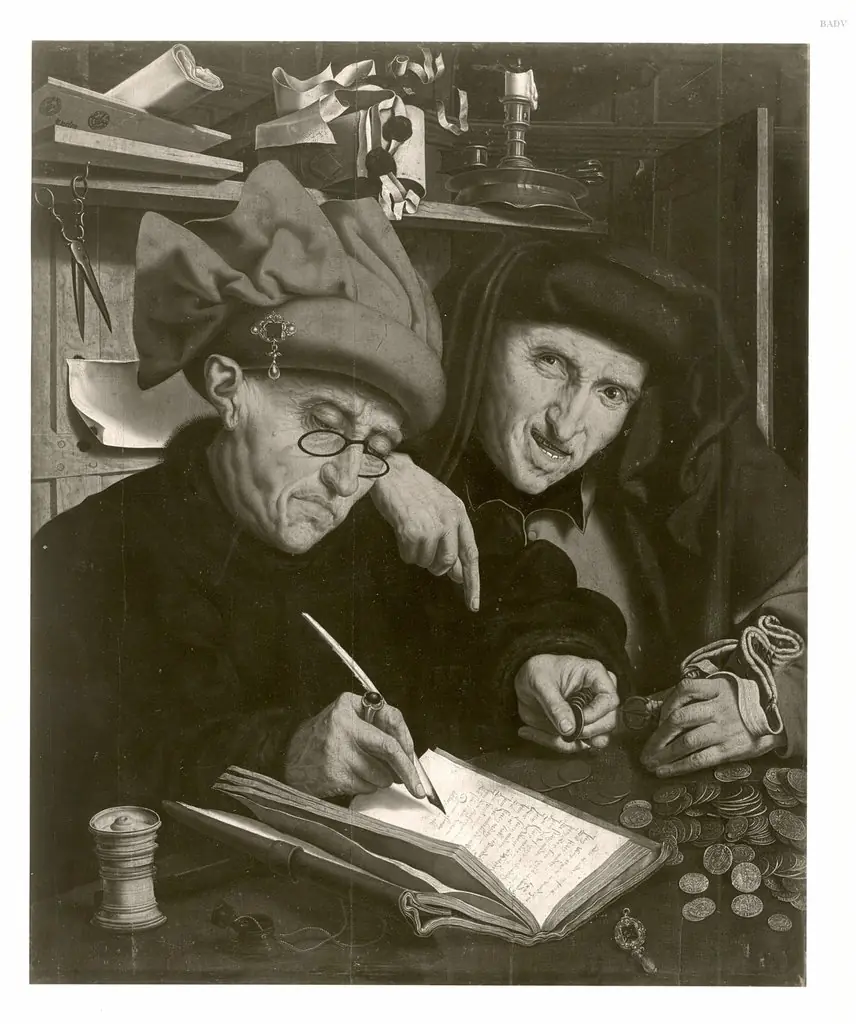 The Tax Collector and His Assistant
 Interior with an Etruscan Vase (Intérieur au vase étrusque)
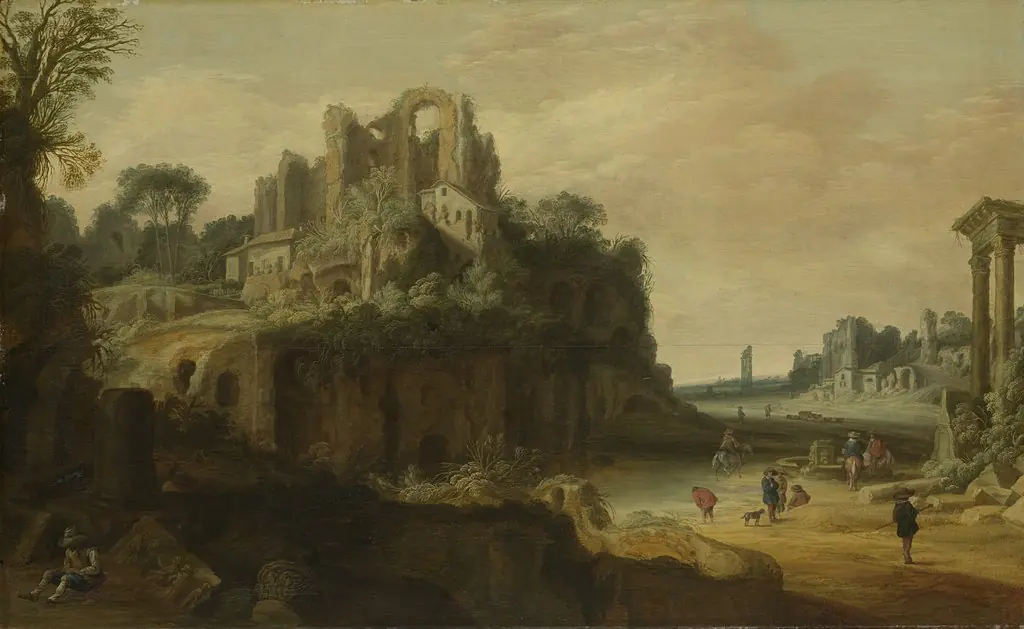 Roman landscape with the Palatine (left) and the parts of the Forum Romanum (right)
 Herder and Cattle under Trees
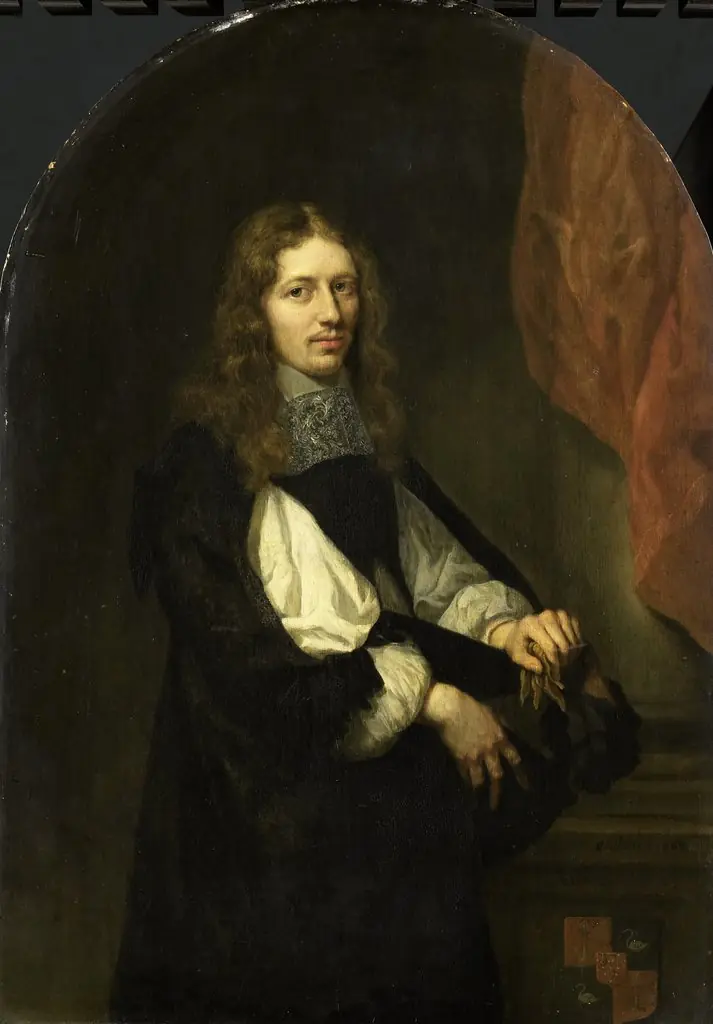 Portrait of Pieter de Graeff (1638-1707), lord of Zuid-Polsbroek, Purmerland, and Ilpendam. Alderman of Amsterdam
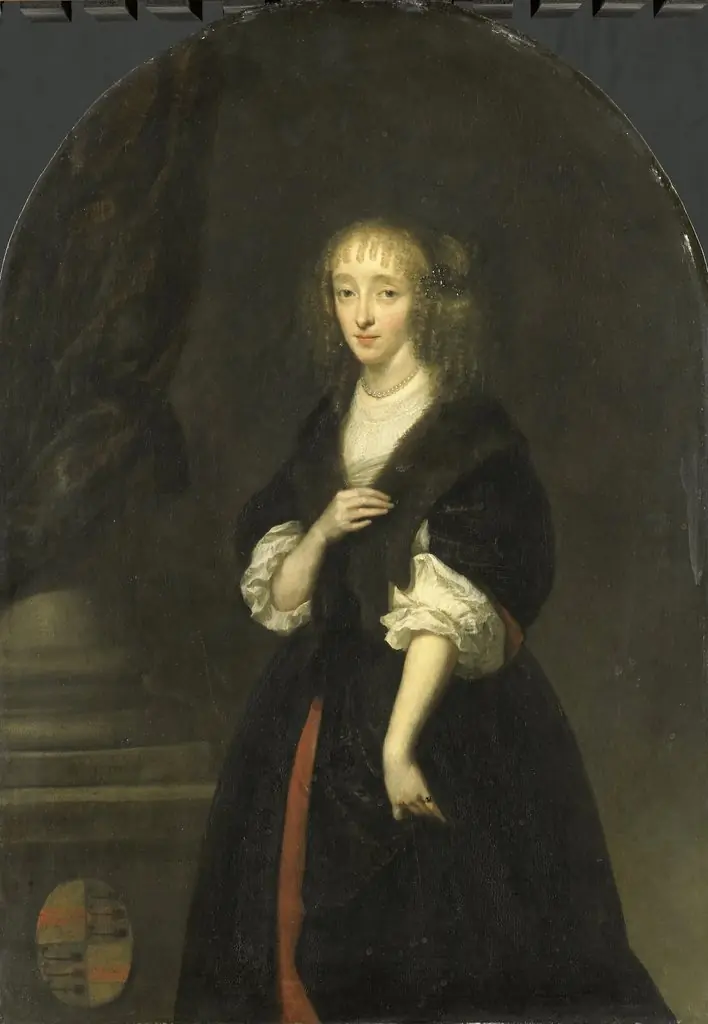 Portrait of Jacoba Bicker (1640-95), wife of Pieter de Graeff
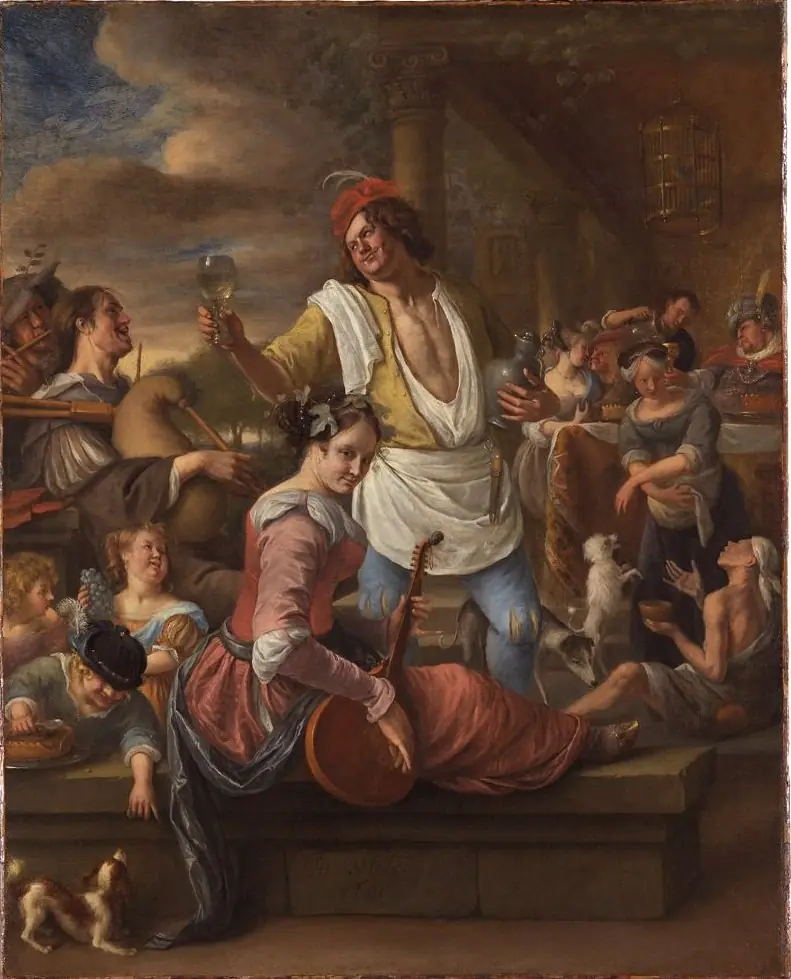 The Parable of the Rich Man and Lazarus
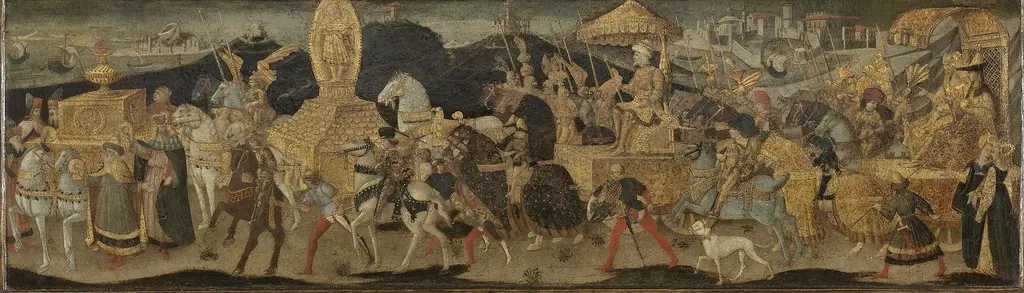 Darius Marching to the Battle of Issus