Artwork
Portrait of Maurits Le Leu de Wilhem (1643- 1724)
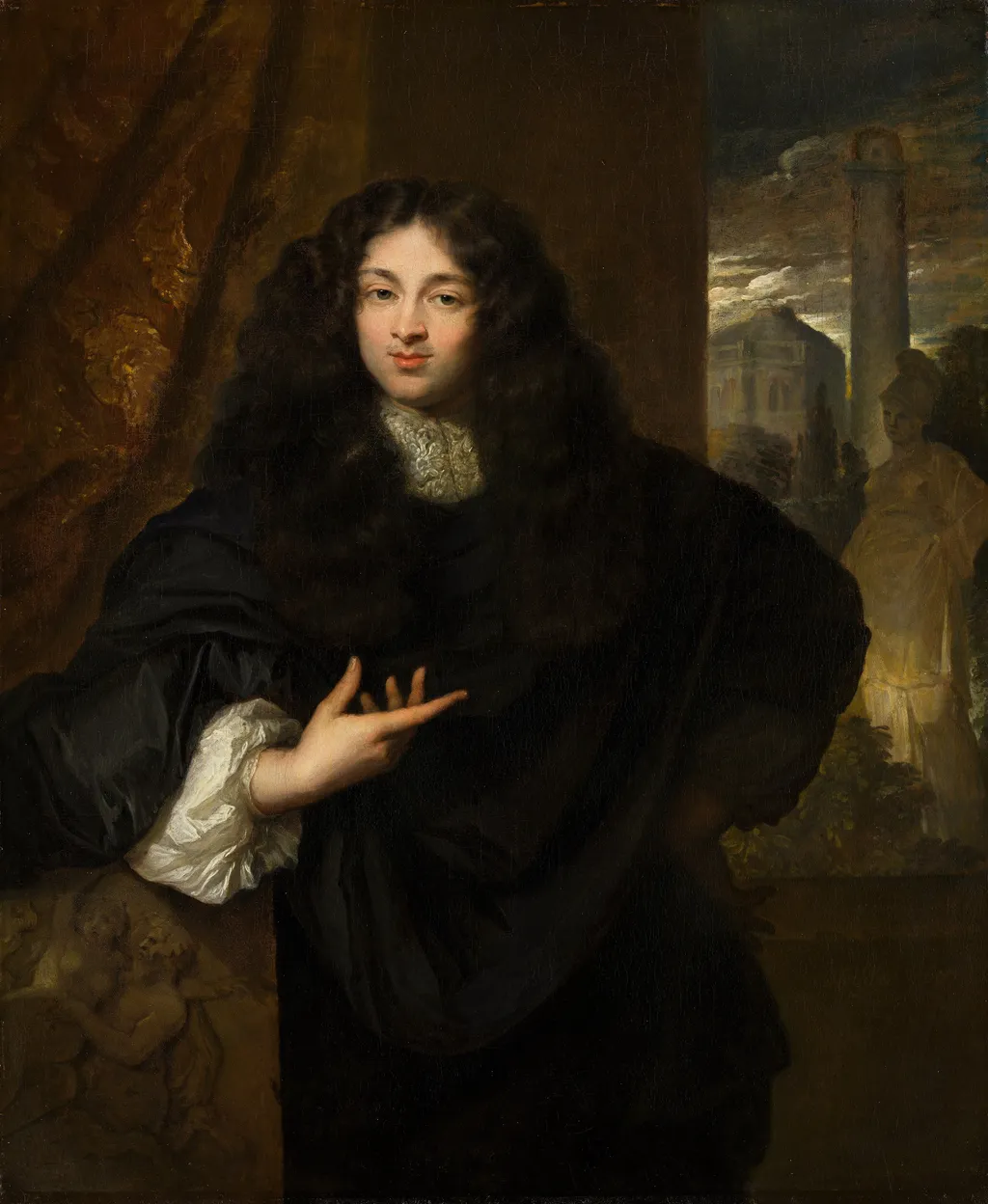
Portrait of Maurits Le Leu de Wilhem (1643- 1724) is an oil painting by the Dutch Golden Age artist Caspar Netscher. It is held in the collection of the Mauritshuis.
About this work
Overview
Painted in 1689 by Caspar Netscher, this oil portrait depicts Maurits Le Leu de Wilhem, a Dutch nobleman born in 1643.
Painted in 1689 by Caspar Netscher, this oil portrait depicts Maurits Le Leu de Wilhem, a Dutch nobleman born in 1643. The work is part of the Mauritshuis collection in The Hague. Netscher, known for his refined portraiture, captures the sitter with quiet authority, using controlled lighting and precise detail to convey presence rather than grandeur. The composition focuses tightly on the figure against a muted background.
Subject & Meaning
Maurits Le Leu de Wilhem is portrayed in formal attire, suggesting his social standing. His raised right hand, palm open, implies speech or deliberation, evoking an intellectual or civic role. The serious expression and direct gaze establish a sense of introspection and dignity. The absence of symbols or elaborate props shifts emphasis to his demeanor, presenting character over status markers.
Technique & Style
Netscher employs chiaroscuro to model the sitter’s form, enhancing the three-dimensionality of his face, hands, and fabric. The dark, indistinct background isolates the figure, heightening focus on texture—especially the lace cuffs and the sheen of silk. Brushwork is meticulous yet unobtrusive, balancing realism with restraint. Light falls subtly across the skin and fabric, creating a quiet luminosity without theatricality.
History & Provenance
The portrait entered the Mauritshuis collection in the 19th century, likely through royal or institutional acquisitions. Its provenance traces back to Dutch aristocratic circles, consistent with Netscher’s clientele. No significant alterations or restorations are documented, preserving the original surface and tonal harmony. The painting has remained in public ownership since its acquisition.
Context
Created during the Dutch Golden Age, this portrait reflects the era’s preference for understated elegance in elite representation. Unlike grand European court paintings, Dutch portraiture favored psychological depth and naturalism. Netscher, trained in the Netherlands and influenced by French and Italian styles, synthesized these traditions into a refined, intimate mode of depiction suited to civic elites.
Legacy
The portrait exemplifies Netscher’s contribution to 17th-century Dutch portraiture, where psychological nuance replaced overt symbolism. It remains a reference for the quiet authority conveyed through light, gesture, and texture. While not widely reproduced, it is studied for its technical subtlety and its embodiment of Dutch bourgeois ideals in visual form.
Own this work as a print
Artist & collection

Artist
Caspar Netscher was a Dutch painter. He was a master in depicting oriental rugs, silk and brocade and introduced an international style to the Northern Netherlands.

 The Card Party
 A Woman Feeding a Parrot, with a Page
 Portrait of a Lady with a Dog on a Table
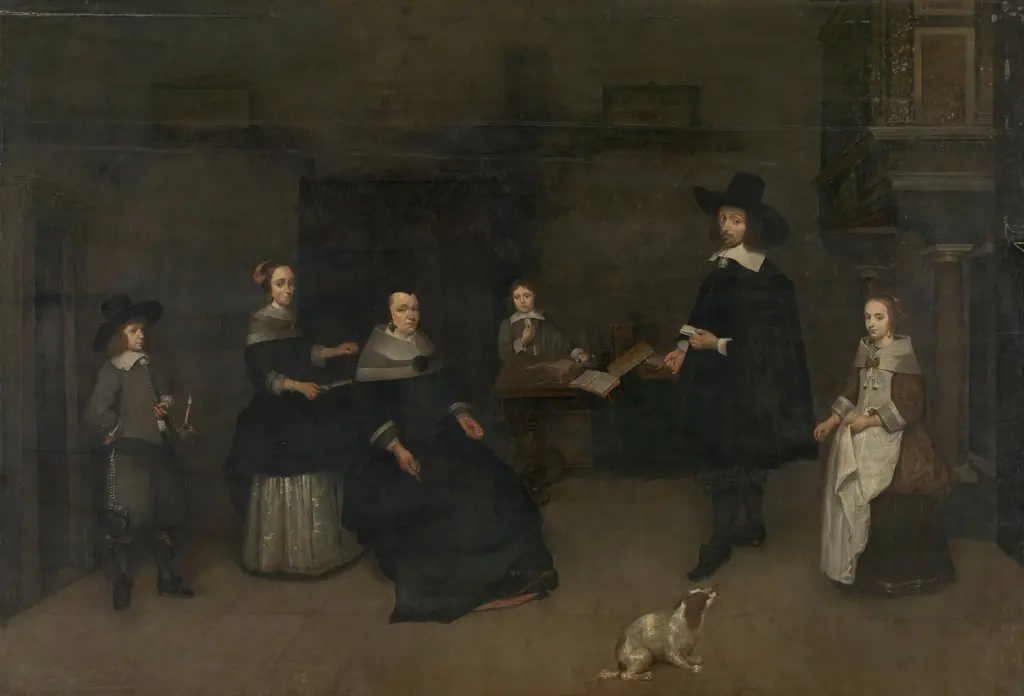 Family scene
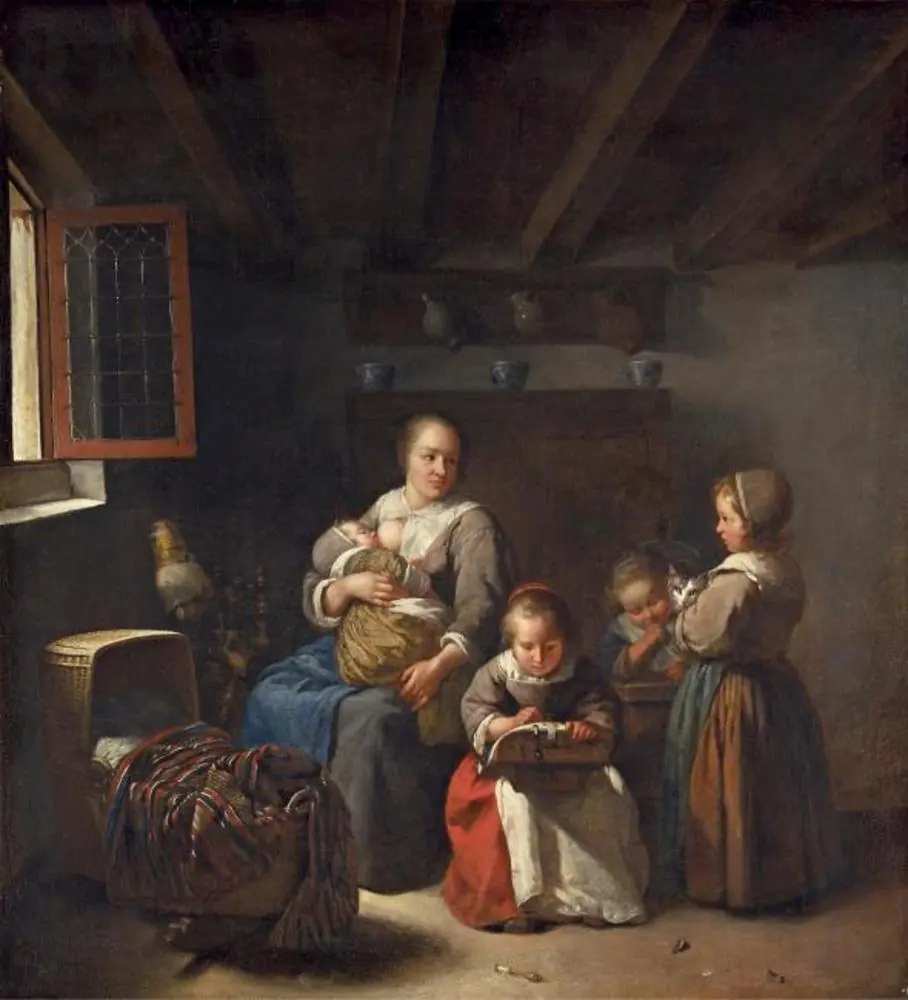 Nursing mother with three girls
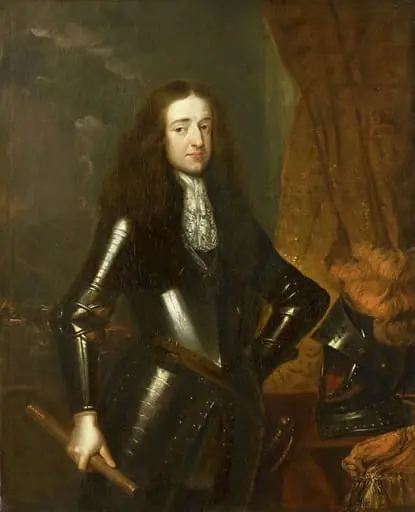 Portrait of Willem III (1650-1702), Prince of Orange and since 1689, King of England
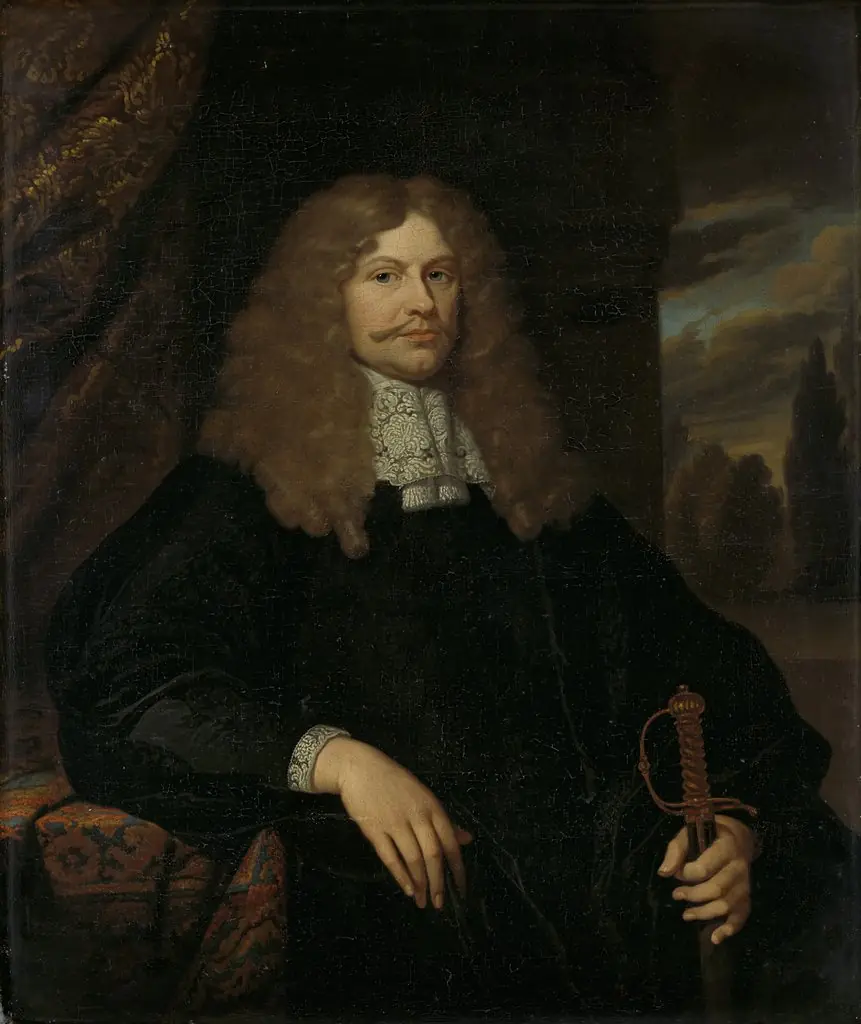 Portrait of Cornelis Backer (1633-81), councillor, alderman, and colonel of the Amsterdam militia
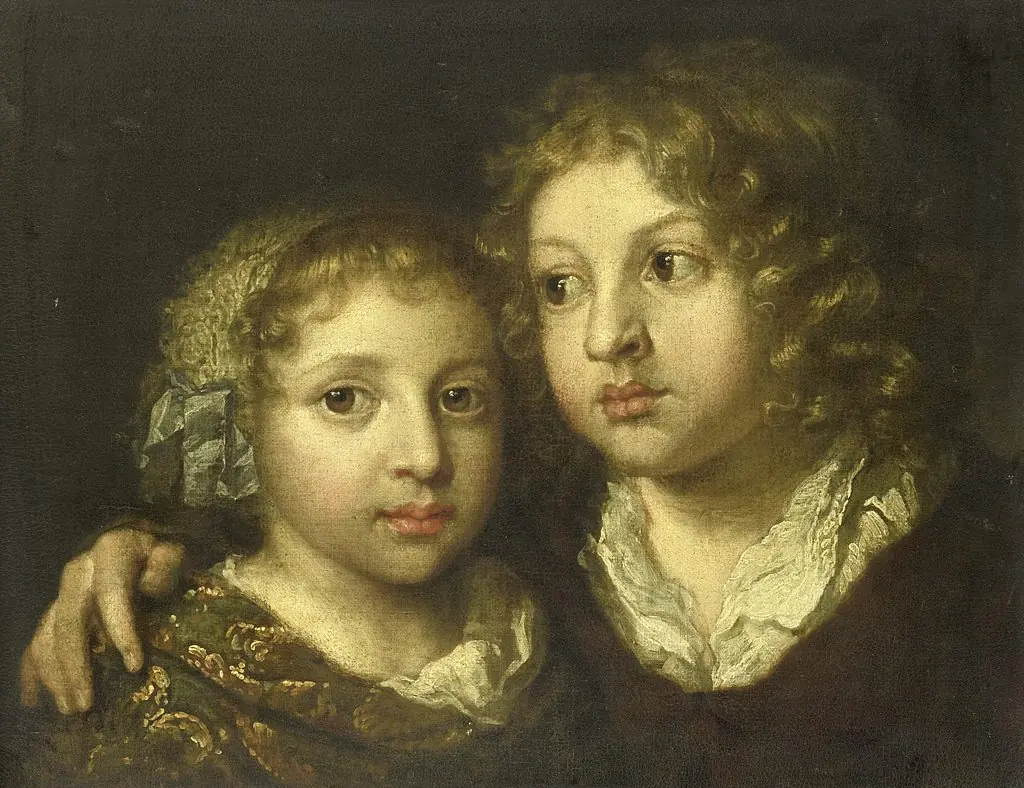 A daughter and a son (Constantijn?) of the artist
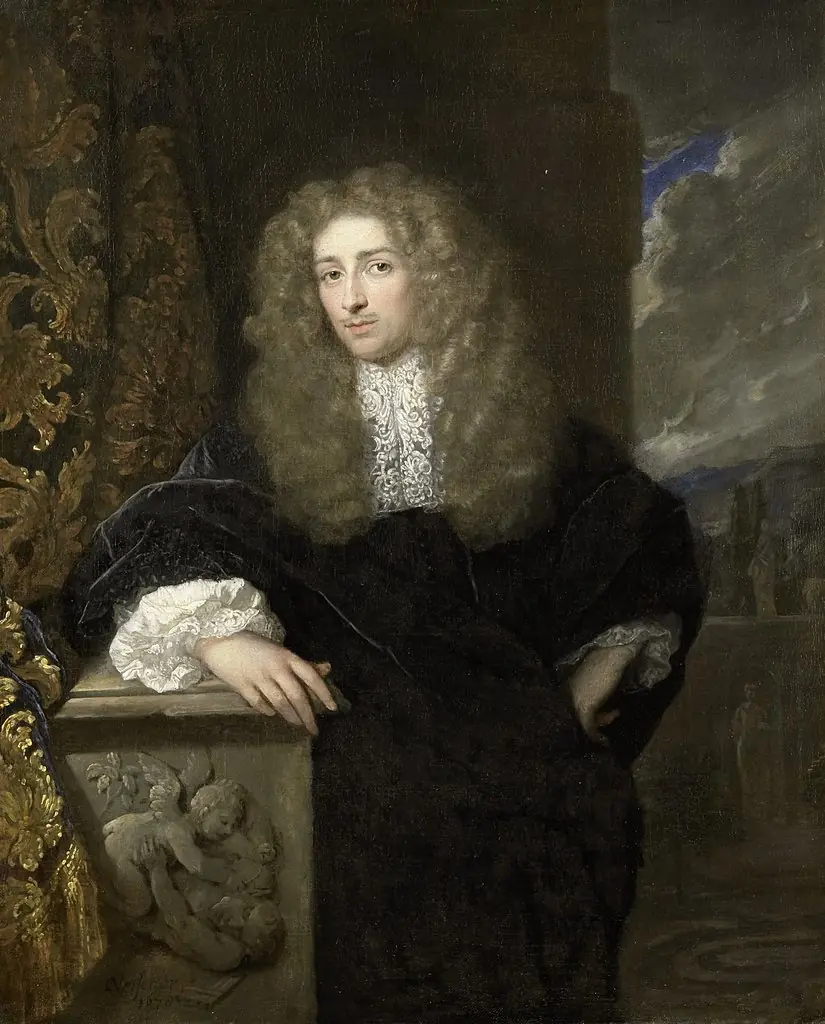 Portrait of a man, possibly a member of the van Citters family
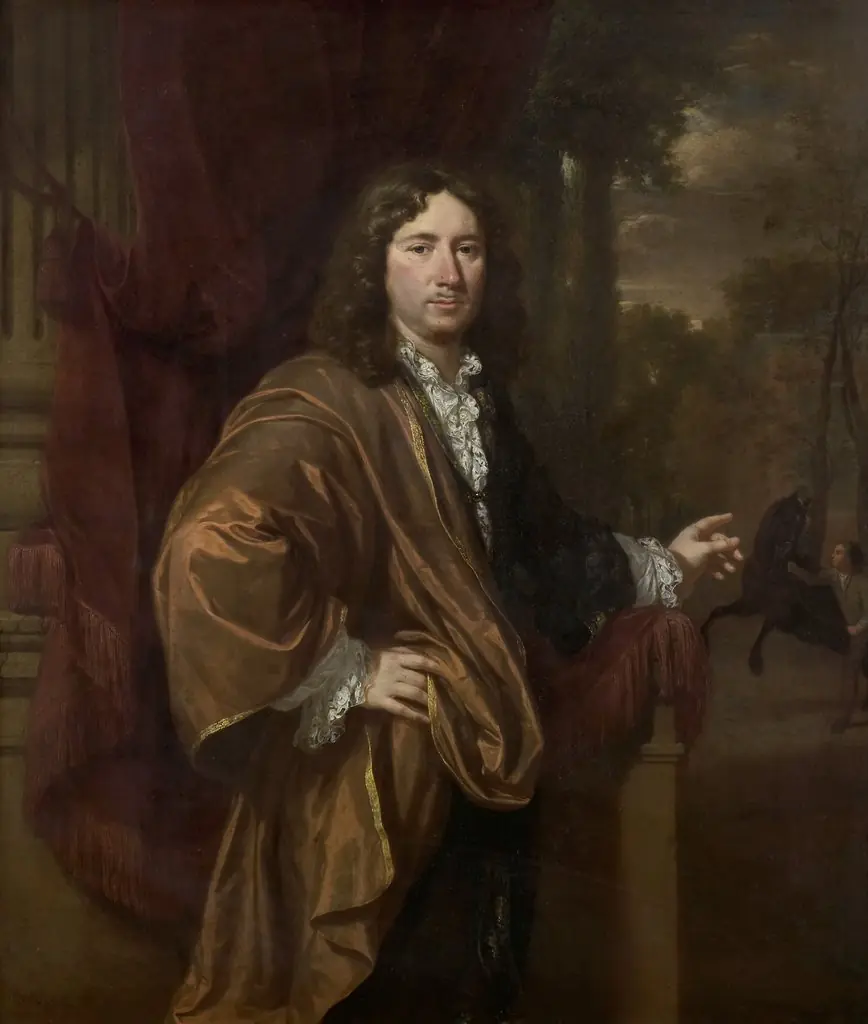 Portrait of a Man
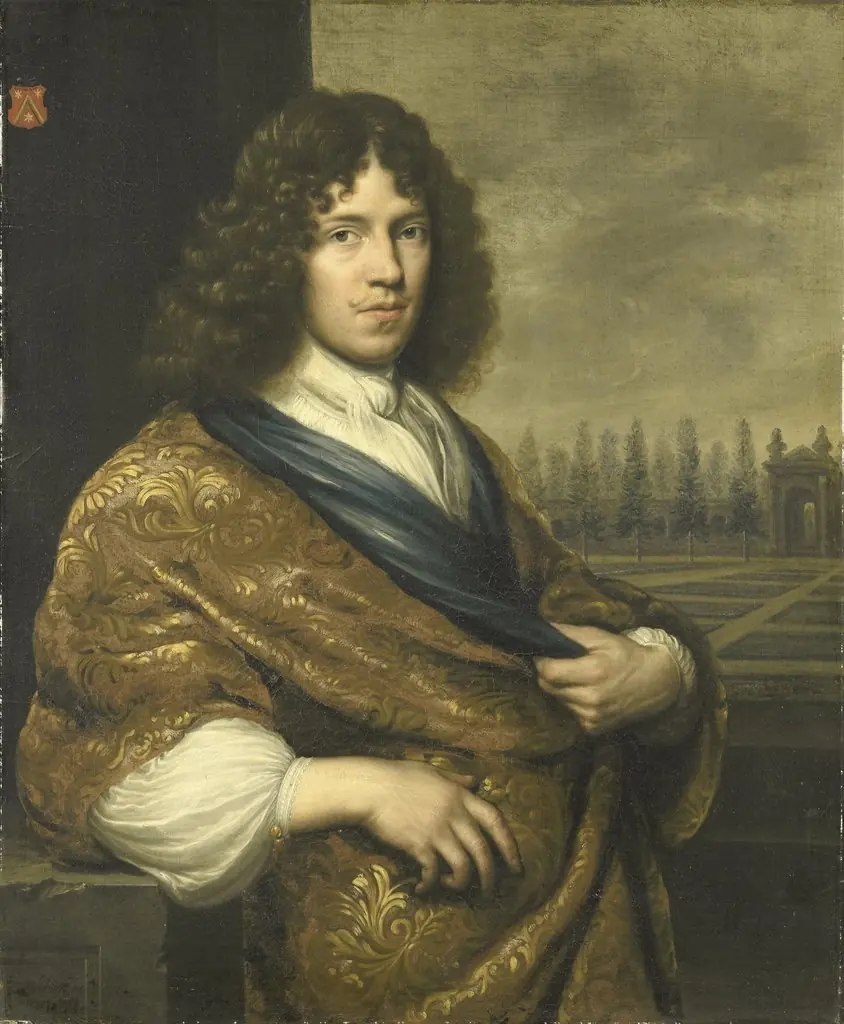 François Leidecker (1650-1718), Auditor General of Zeeland
 Portrait of a Man
 Charles Killigrew
 Jean-Baptiste Colbert, Marquis de Seignelay (1651–1690)
 Portrait of Diederick Hoeufft (1648-1719)
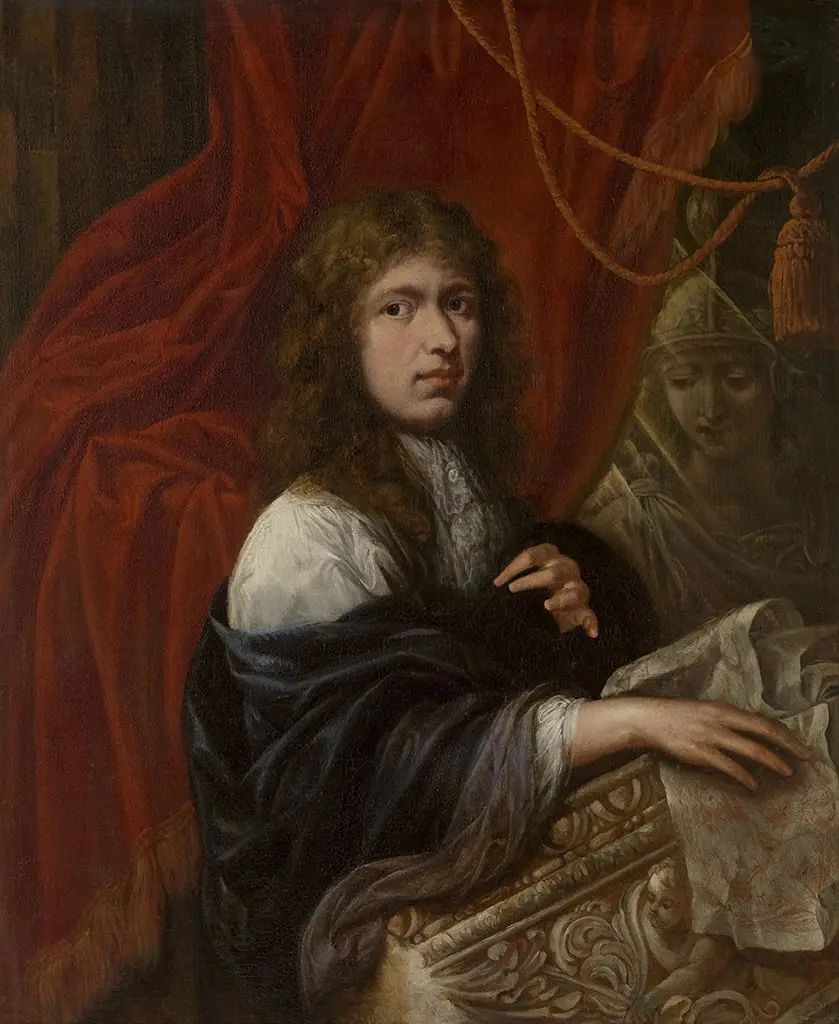 Self-Portrait
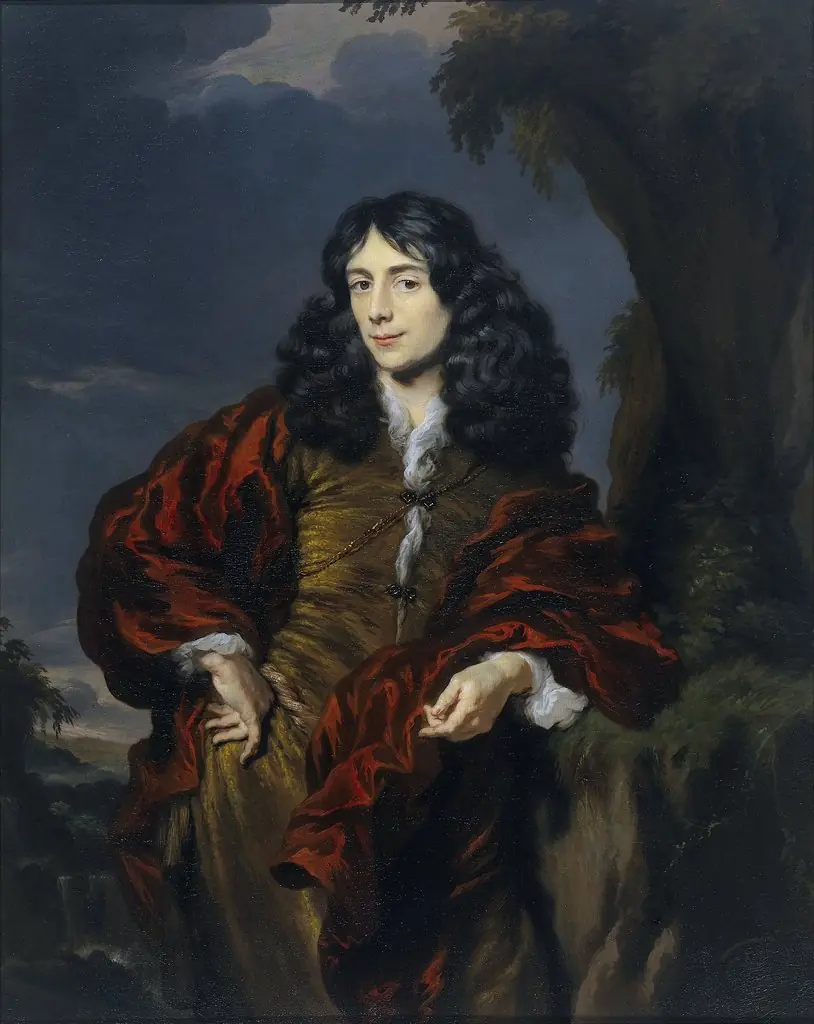 Portrait of a young man, possibly Simon van Alphen (1650-1730)
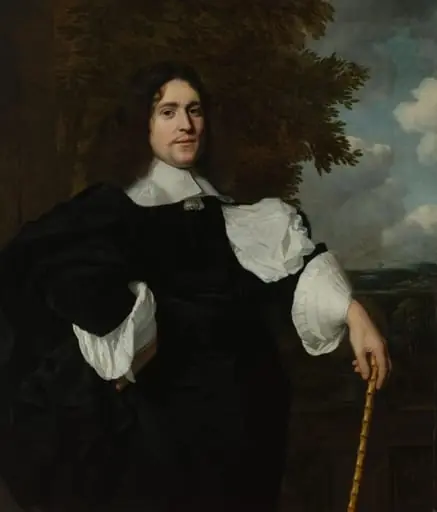 Jacobus Trip (1627-70), Armaments Dealer of Amsterdam and Dordrecht
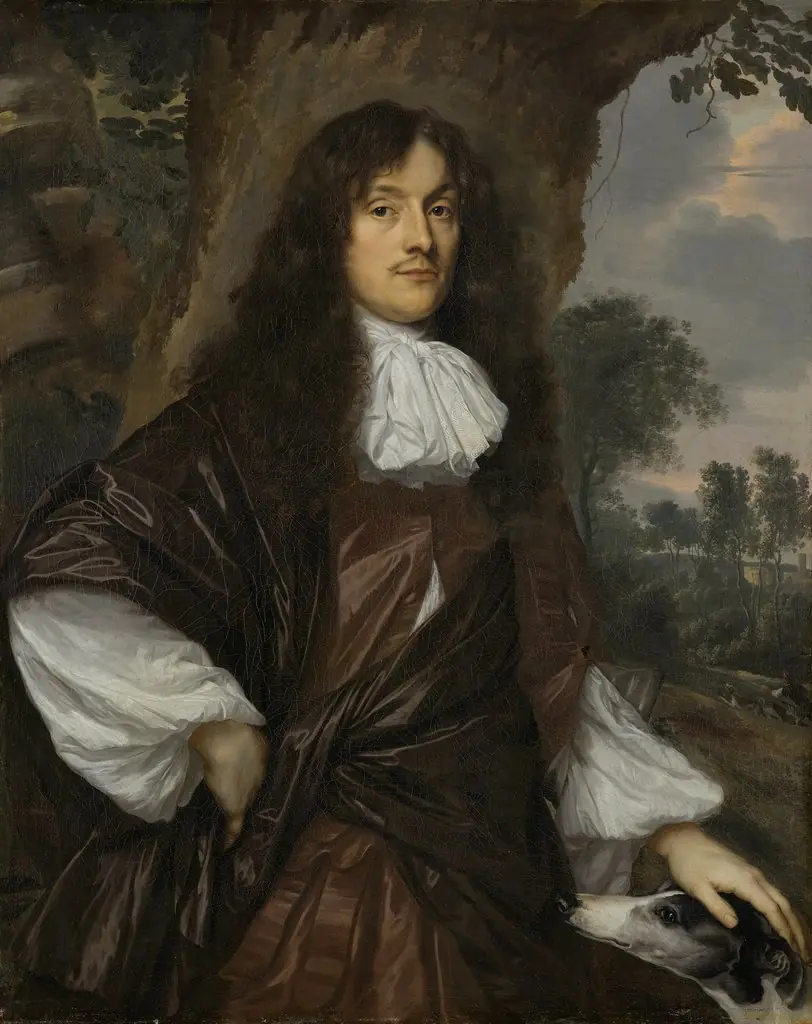 Jacob de Witte (1628-79), lord of Haamstede
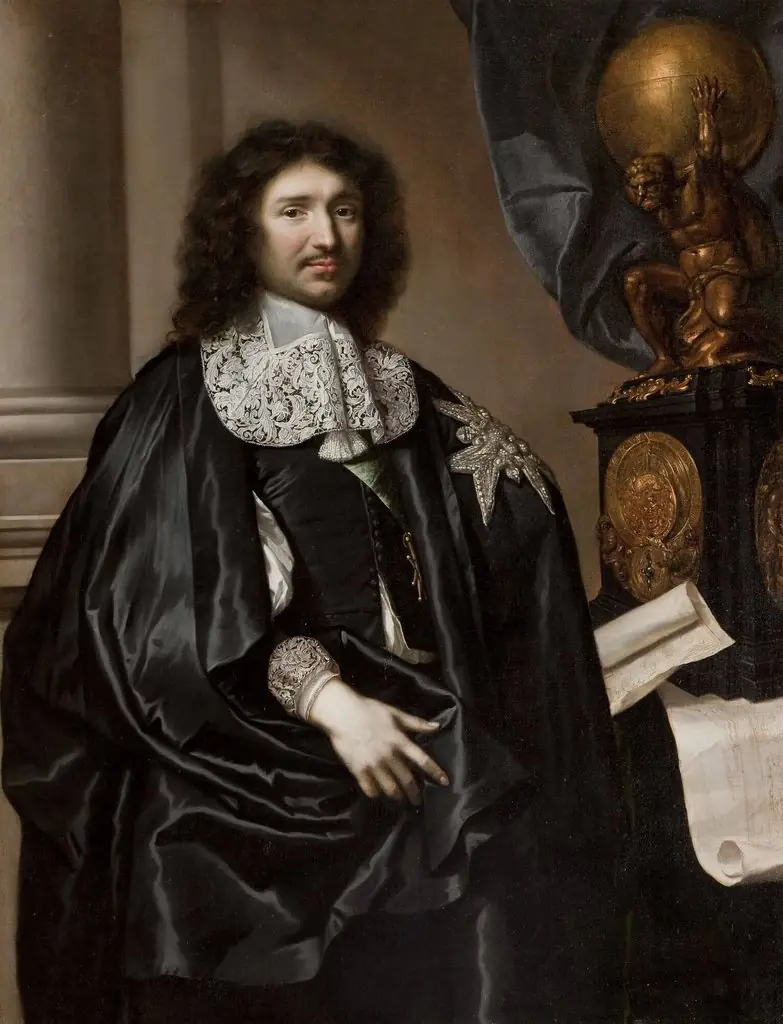 Portrait of Jean-Baptiste Colbert