Artwork
Charles Killigrew
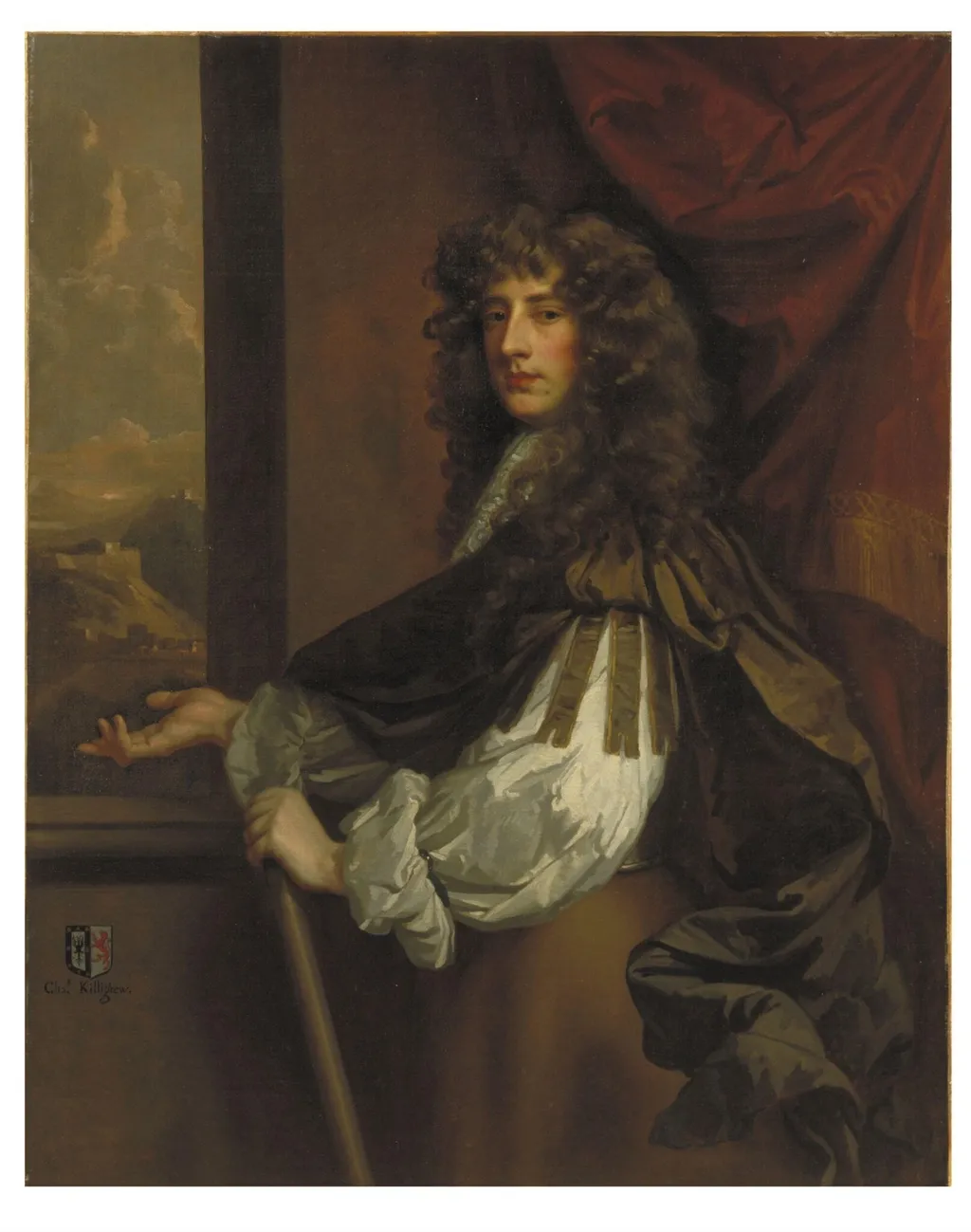
Charles Killigrew is a paint painting by the Baroque artist Peter, Sir Lely. It dates from 1673 and is held in the collection of the Victoria and Albert Museum.
About this work
Overview
The composition emphasizes his social standing through refined details and a restrained yet elegant setting, typical of Lely’s portraiture during this period.
This portrait depicts Charles Killigrew, a figure associated with the English theater, painted around 1673 by Sir Peter Lely. Rendered in oil on canvas, the work captures Killigrew seated in a formal pose, dressed in the elaborate attire of the Restoration elite. The composition emphasizes his social standing through refined details and a restrained yet elegant setting, typical of Lely’s portraiture during this period.
Subject & Meaning
Charles Killigrew was a courtier and theater manager under Charles II, and his attire reflects the cultural prominence of theatrical figures in Restoration England. The luxurious fabrics, lace, and ornate embroidery suggest not only wealth but also a deliberate alignment with the court’s aesthetic values. The portrait functions as both personal representation and social statement, affirming his status within a society where performance and appearance were closely linked.
Technique & Style
Lely employs a soft, luminous brushwork to render the textures of silk, lace, and velvet, with careful attention to the fall of light across fabric folds. The sitter’s pose is relaxed yet composed, framed by a dark, undefined background that isolates him as the focal point. Subtle modeling of the face and hands conveys individuality without overt emotion, aligning with the courtly ideal of dignified restraint characteristic of Lely’s mature style.
History & Provenance
Painted circa 1673, the portrait likely originated in Lely’s London studio, where he served as principal painter to the royal court. It remained within the Killigrew family for generations before entering institutional collections. Documentation links it to the broader network of aristocratic and theatrical patrons who commissioned Lely during the 1670s, a period when portraiture was a key tool for asserting social identity.
Context
In post-Restoration England, portraiture flourished as a means of legitimizing new social orders. Theatrical figures like Killigrew, once viewed with suspicion, now occupied positions of influence and sought visual recognition through art. Lely’s style, blending Flemish precision with English elegance, became the dominant mode for capturing this emerging elite, bridging continental trends with local tastes.
Legacy
Lely’s portraits of figures like Killigrew helped define the visual language of the English aristocracy in the late 17th century. While not widely exhibited today, this work remains a documented example of how theater professionals were integrated into the visual culture of power. It contributes to scholarly understanding of the intersection between performance, identity, and representation in Restoration society.
Own this work as a print
Artist & collection


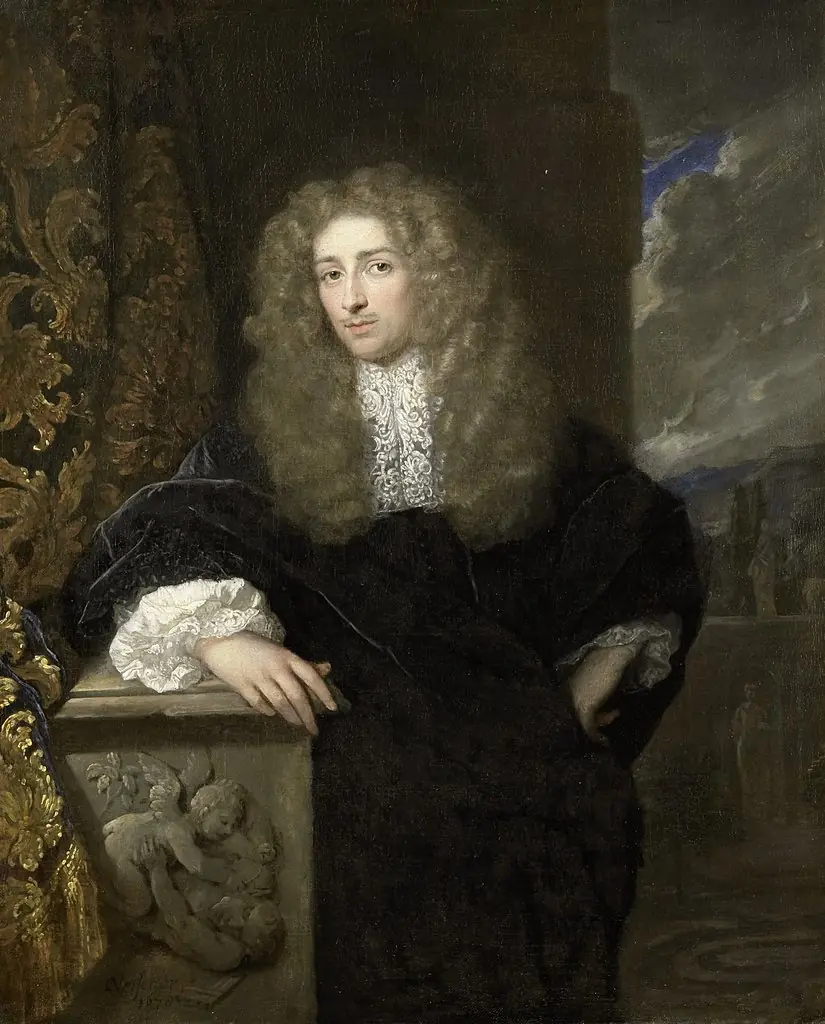 Portrait of a man, possibly a member of the van Citters family
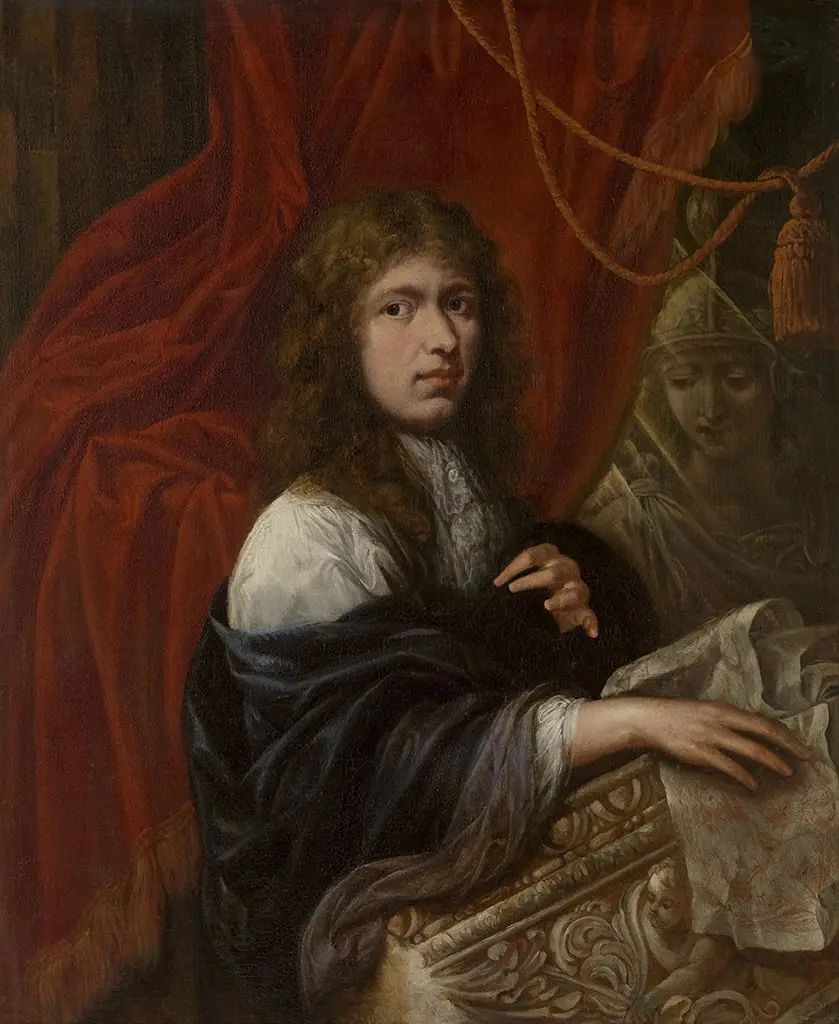 Self-Portrait
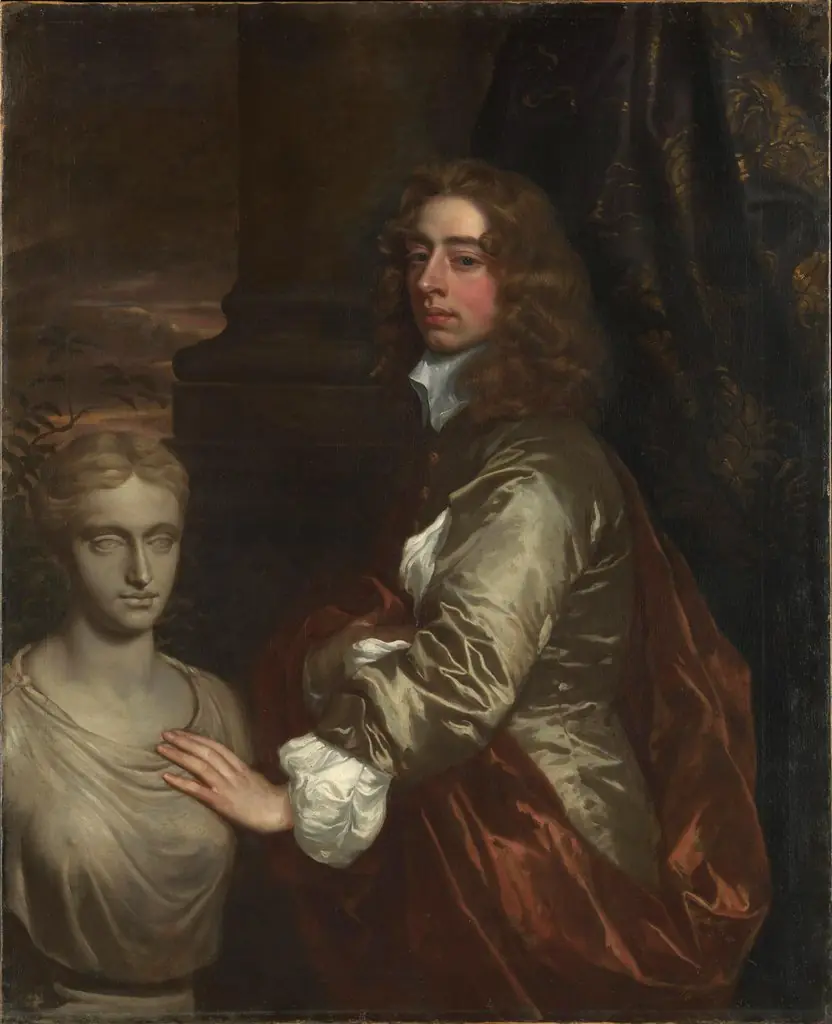 Sir Henry Capel (1638–1696)
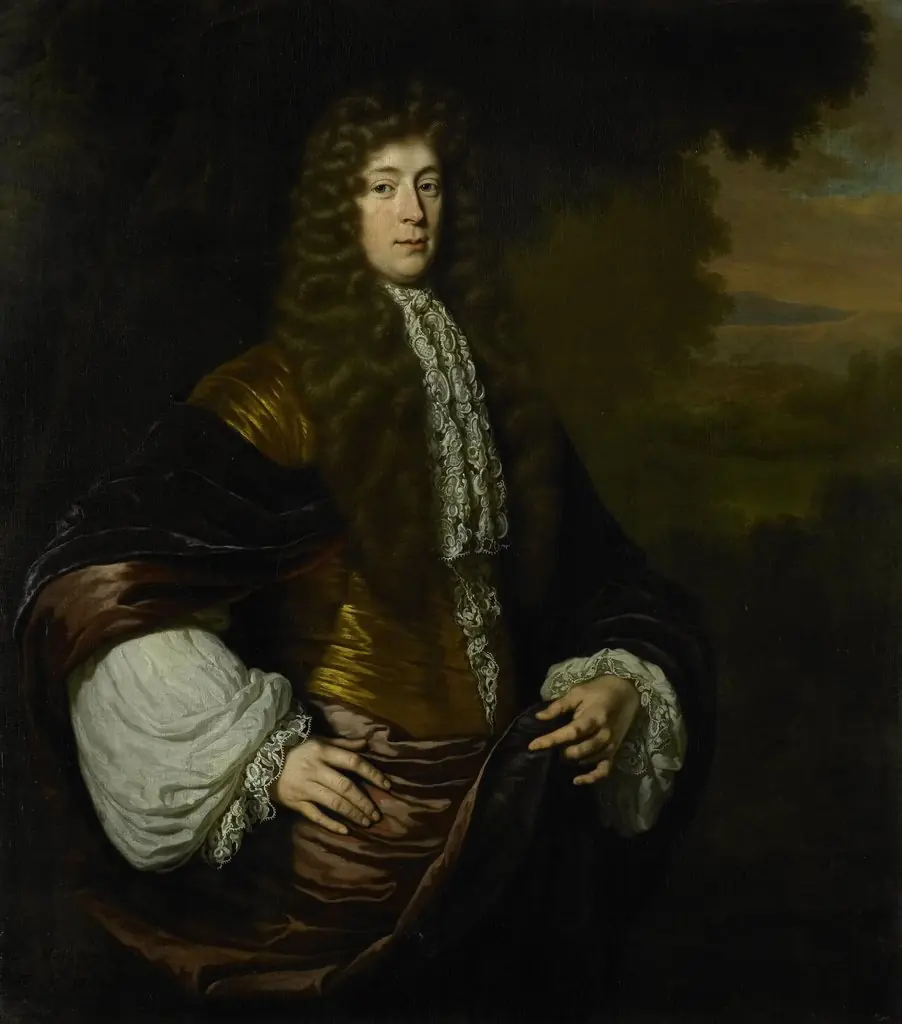 Portrait of Hendrick Bicker (1649 - 1718), burgomaster of Amsterdam
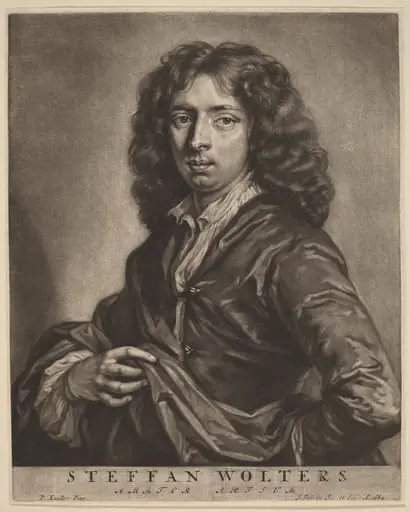 Steffan Wolters
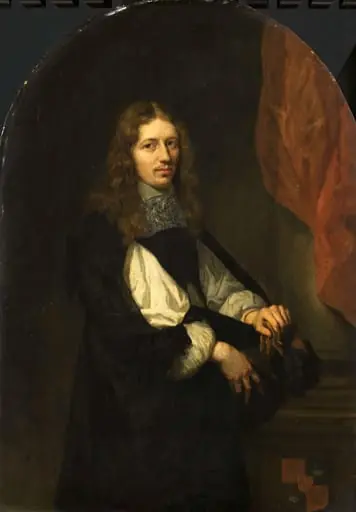 Portrait of Pieter de Graeff (1638-1707), lord of Zuid-Polsbroek, Purmerland, and Ilpendam. Alderman of Amsterdam
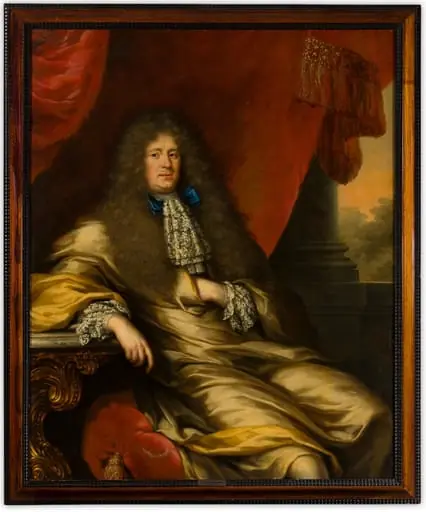 Kreivi Johan Gabriel Stenbock
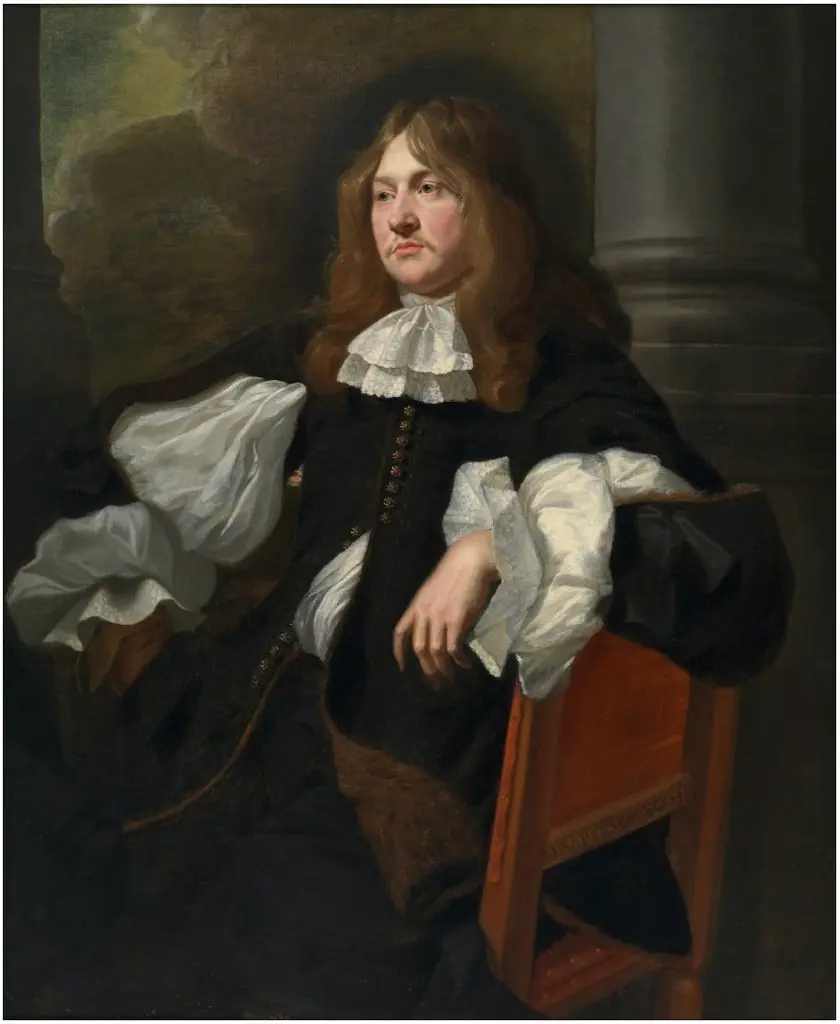 Portrait of Edward Hyde
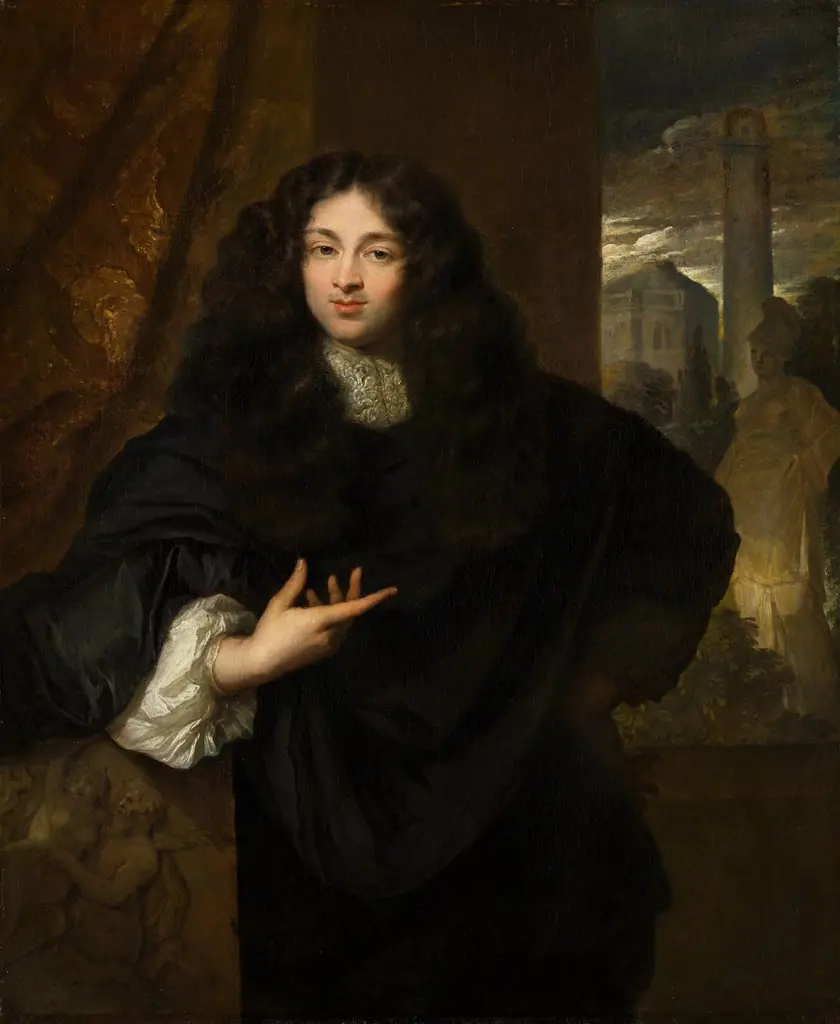 Portrait of Maurits Le Leu de Wilhem (1643- 1724)
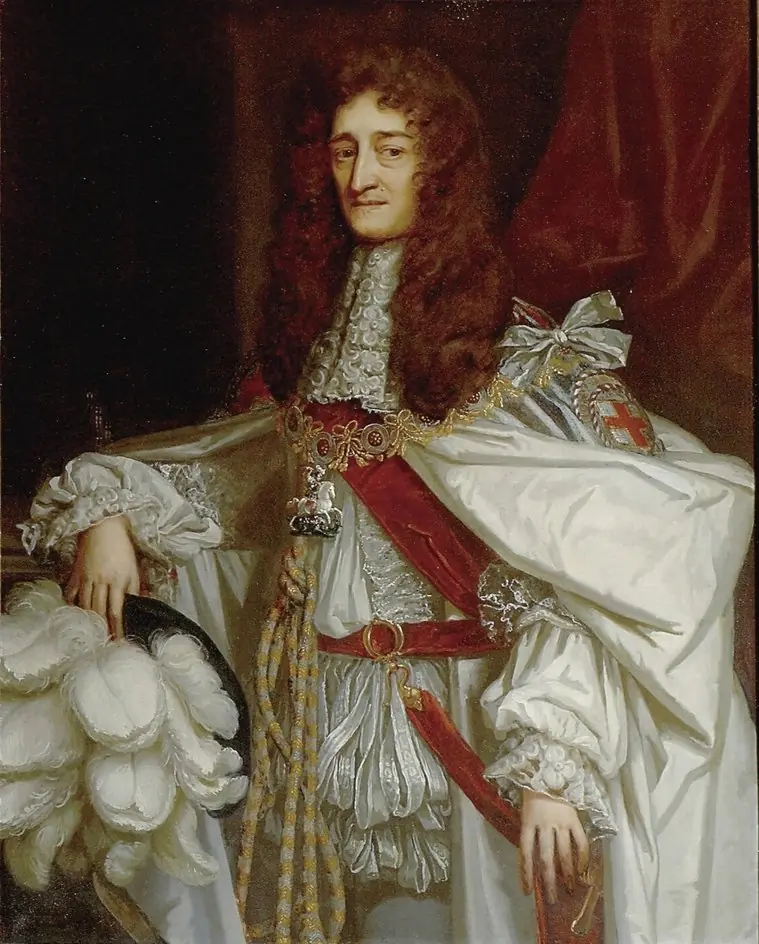 Prince Rupert of the Rhine in Garter Robes