Artwork
Voyage Pittoresque et Historique de l'Istrie et de la Dalmatie
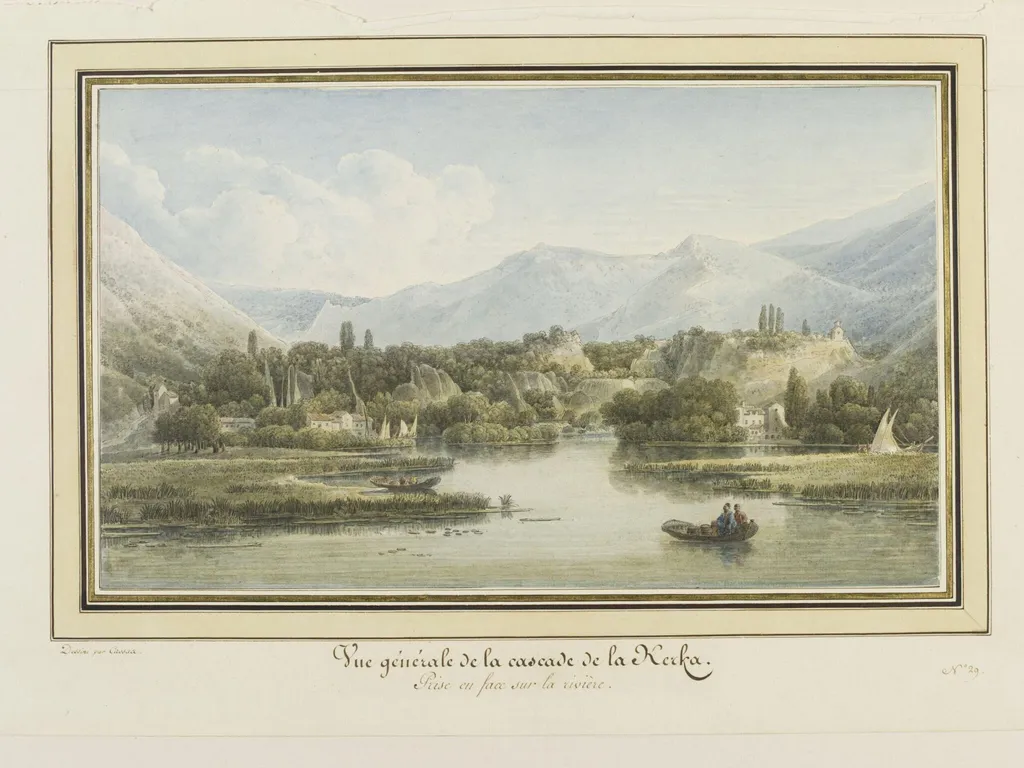
Voyage Pittoresque et Historique de l'Istrie et de la Dalmatie is a watercolor work on paper by the Rococo painting artist Cassas. It dates from 1782 and is held in the collection of the Victoria and Albert Museum.
About this work
This watercolour shows the falls on the Krka River in Northern Dalmatia. It’s part of a series Cassas drew around 1782. Later, engravers turned these drawings into prints for a travel book published in 1802.
Cassas was known for travel drawings that mixed scenery with classical ruins. His work helped spread images of ancient buildings worldwide.
Check out more of Cassas’s travel drawings next.
Overview
This watercolour is one of several original sketches made by Louis François Cassas during his travels through Istria and Dalmatia around 1782.
This watercolour is one of several original sketches made by Louis François Cassas during his travels through Istria and Dalmatia around 1782. It captures the natural cascade of the Krka River, a site in what is now Croatia. The drawing was later reproduced as an engraving in the 1802 publication Voyage pittoresque et historique de l’Istrie et de la Dalmatie, which compiled his field studies into a printed travelogue.
Subject & Meaning
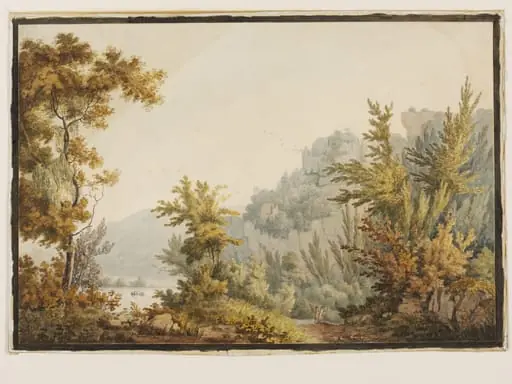
The scene portrays the Krka River falls amid the rugged landscape of Northern Dalmatia, framed by vegetation and rock formations. While not centered on architecture, the composition reflects Cassas’s broader interest in integrating natural features with traces of human history. The depiction suggests a romanticized yet observational approach to landscape, valuing both wild beauty and the quiet presence of antiquity in the environment.
Technique & Style
Executed in watercolour, the work demonstrates Cassas’s precise draftsmanship and sensitivity to tonal gradation. His use of delicate washes conveys atmospheric depth and the play of light on water and foliage. The style blends topographical accuracy with aesthetic refinement, characteristic of 18th-century travel drawing, where documentation and artistic interpretation coexisted without overt idealization.
History & Provenance
Cassas produced these drawings during a journey through the eastern Adriatic coast in the early 1780s. The original watercolours were later entrusted to engravers in Paris, who translated them into printed plates for the 1802 volume. The publication was commissioned to document the region’s geography and ruins, serving both scholarly and public audiences interested in the classical heritage of the Balkans.
Context
Cassas’s work emerged during a period of heightened European interest in the Mediterranean’s ancient past. His drawings contributed to a growing visual archive of classical and vernacular sites, circulating beyond academic circles through printed books. Though less focused on ruins than his other works, this piece aligns with a broader trend of documenting landscapes as carriers of historical memory.
Legacy
Cassas’s travel drawings, including this one, helped shape European perceptions of the eastern Adriatic. Their publication influenced later artists and architects by offering accessible, detailed records of lesser-known regions. While not directly tied to Neo-Classical design, his systematic approach to recording place and form contributed to the visual language of 19th-century topographical studies.
Own this work as a print
Artist & collection
Artist
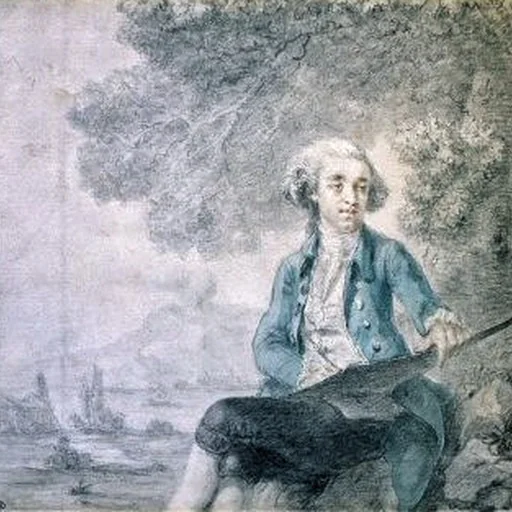
Louis-François Cassas (June 3, 1756 – November 1, 1827) was a French landscape painter, sculptor, architect, archaeologist and antiquary born at Azay-le-Ferron, in the Indre Department of France.

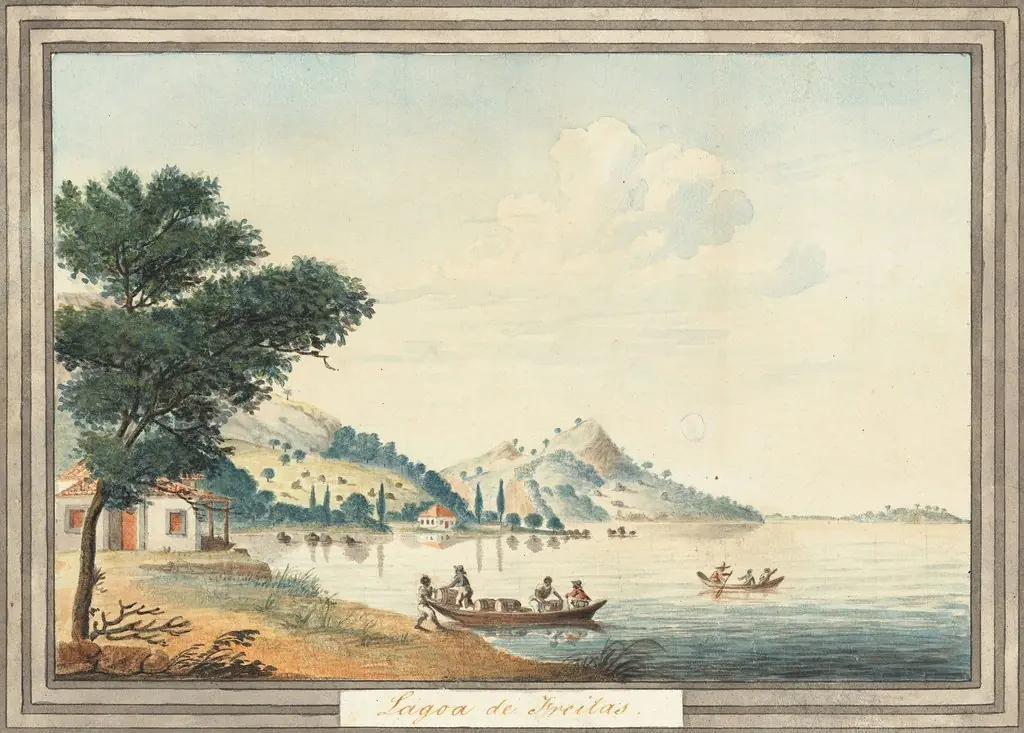 Lagoa de Freitas
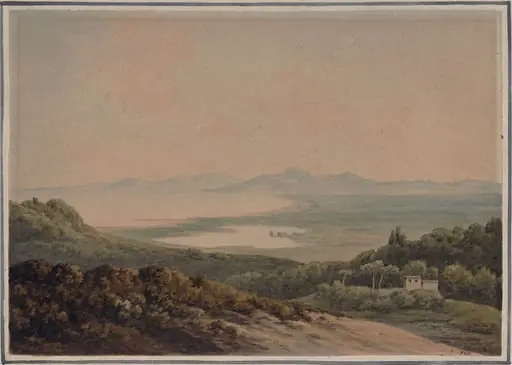 The Campagna, with the Lucrine Lake, from Cumae
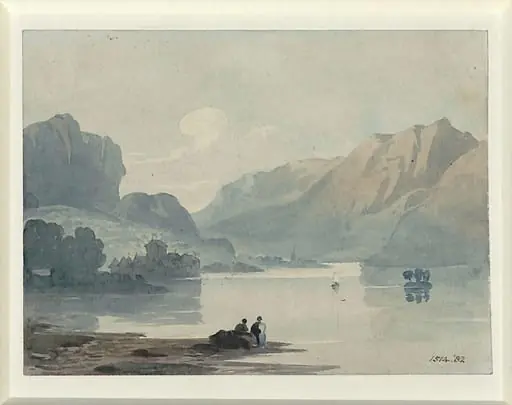 Castle of Chillon, on the Lake Geneva
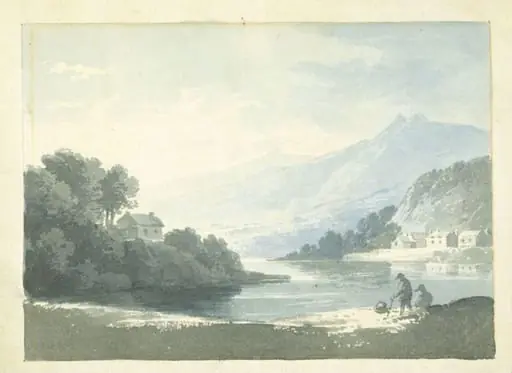 Landscape
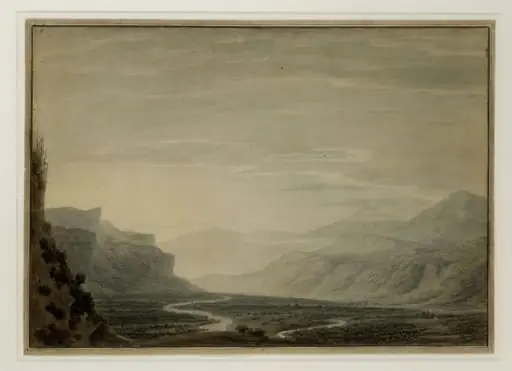 Valley with winding streams, a range of mountains in the background, and a village on the left
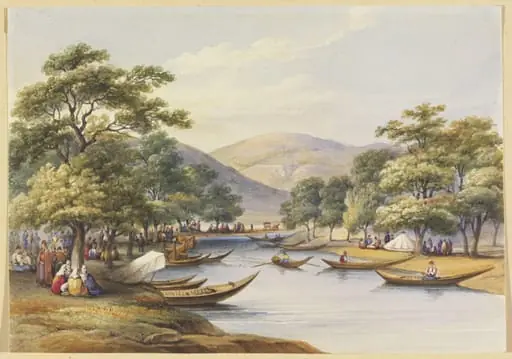 The Sweet Waters of Europe, Constantinople
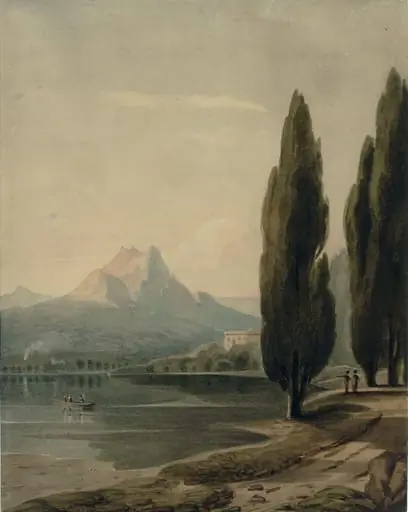 Landscape with Cypress Trees: Mountains in the distance
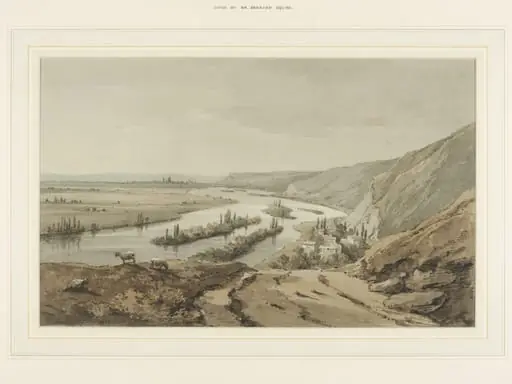 Distant view of Rouen
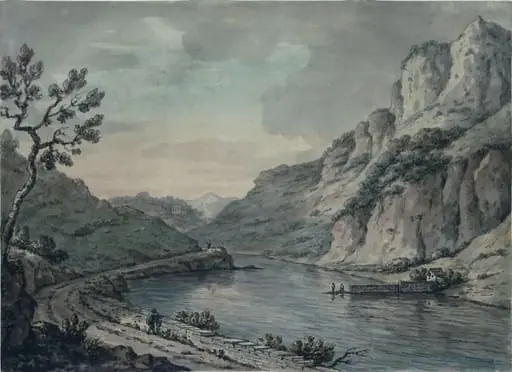 Lake Scenery
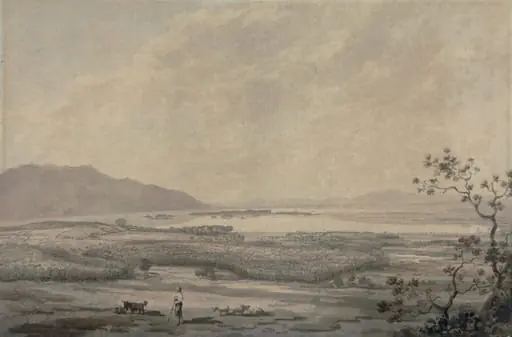 Killarney from the Hills above Muckross
 Landscape with Lake and Cliffs
 A View of the Potomac at Harpers Ferry