Artwork
Lagoa de Freitas
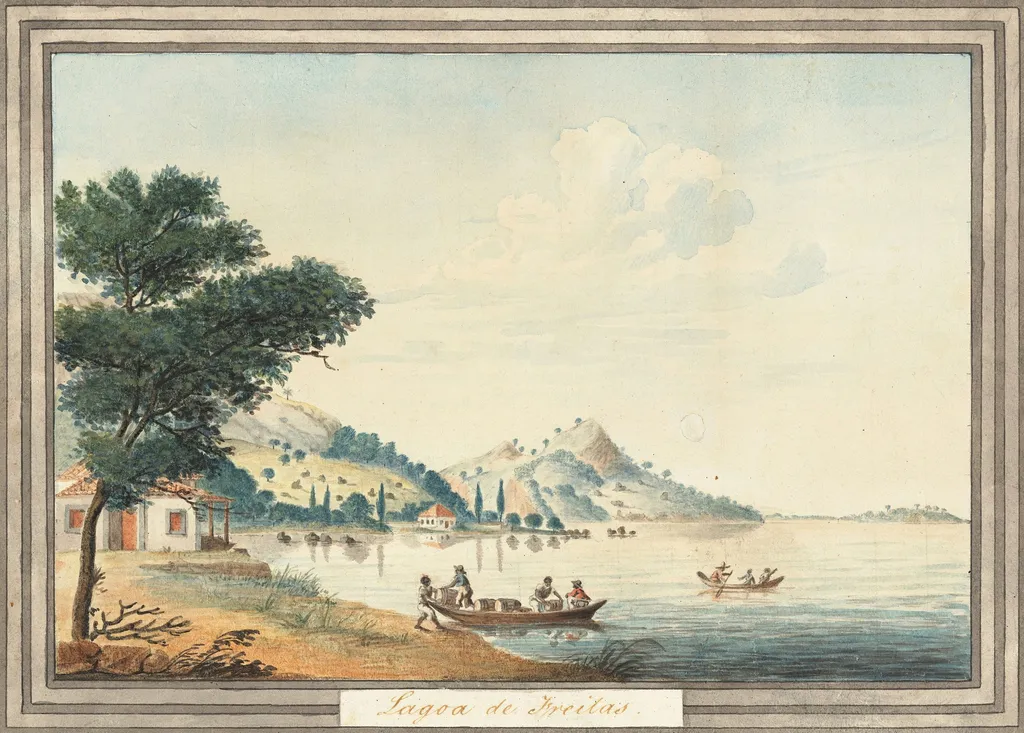
Lagoa de Freitas is a graphite painting by the British Romanticist artist Joseph Tully. It dates from 1820 and is held in the collection of the Pinacoteca de São Paulo.
About this work
Overview
Lagoa de Freitas is a graphite drawing by Joseph Tully, dated 1820, depicting a tranquil lakeside scene in Rio de Janeiro. Though labeled a painting in some records, the medium is graphite on paper, emphasizing tonal gradation over color. The work is part of the Pinacoteca do Estado de São Paulo’s collection, where it is preserved as an early 19th-century topographical study with artistic intent.
Subject & Meaning
Trees and modest structures line the water’s edge, while distant hills and a soft, overcast sky frame the composition.
The scene portrays a quiet body of water, the Lagoa de Freitas, with a small boat carrying figures near the shore. Trees and modest structures line the water’s edge, while distant hills and a soft, overcast sky frame the composition. The absence of dramatic action suggests a contemplative observation of place, possibly reflecting the artist’s interest in documenting the natural and built environment of colonial Brazil.
Technique & Style
Tully employed graphite to achieve subtle shifts in light and texture, using fine hatching and layered strokes to model forms without pigment. The lack of color directs attention to tonal relationships, enhancing the sense of atmospheric depth. The rendering is precise yet restrained, favoring quiet realism over romantic embellishment, aligning with early 19th-century observational drawing practices.
History & Provenance
Created during Tully’s time in Brazil, the work likely originated from his travels in the region around Rio de Janeiro. It entered the Pinacoteca do Estado de São Paulo’s collection in the 20th century, where it remains as one of the few surviving works by the artist. Its preservation underscores its value as a rare visual record of Brazil’s landscape during the early post-independence period.
Context
In the 1820s, foreign artists often documented Brazilian landscapes for European audiences, blending scientific observation with aesthetic sensibility. Tully’s drawing fits within this tradition, offering a quiet alternative to grander colonial panoramas. The focus on a local lagoon, rather than a celebrated landmark, suggests an interest in everyday geography, reflecting a shift toward intimate, localized representation.
Legacy
Lagoa de Freitas contributes to the understanding of early Brazilian landscape documentation by foreign artists. While Tully’s broader oeuvre is limited in surviving works, this piece exemplifies the quiet precision of graphite drawing in capturing environmental character. It remains a reference point for studies of 19th-century visual culture in Latin America, valued for its restraint and observational clarity.
Artist & collection
Artist
Here’s a graphite sketch of a Brazilian lagoon, likely made in the early 1800s. Joseph Tully drew *Lagoa de Freitas* twice, both times in delicate lines that map the water’s edge. The work belongs to a broader tradition…

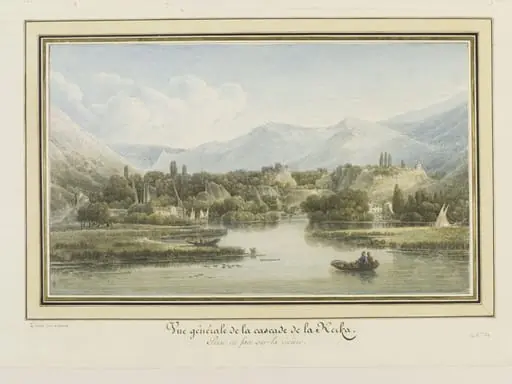 Voyage Pittoresque et Historique de l'Istrie et de la Dalmatie
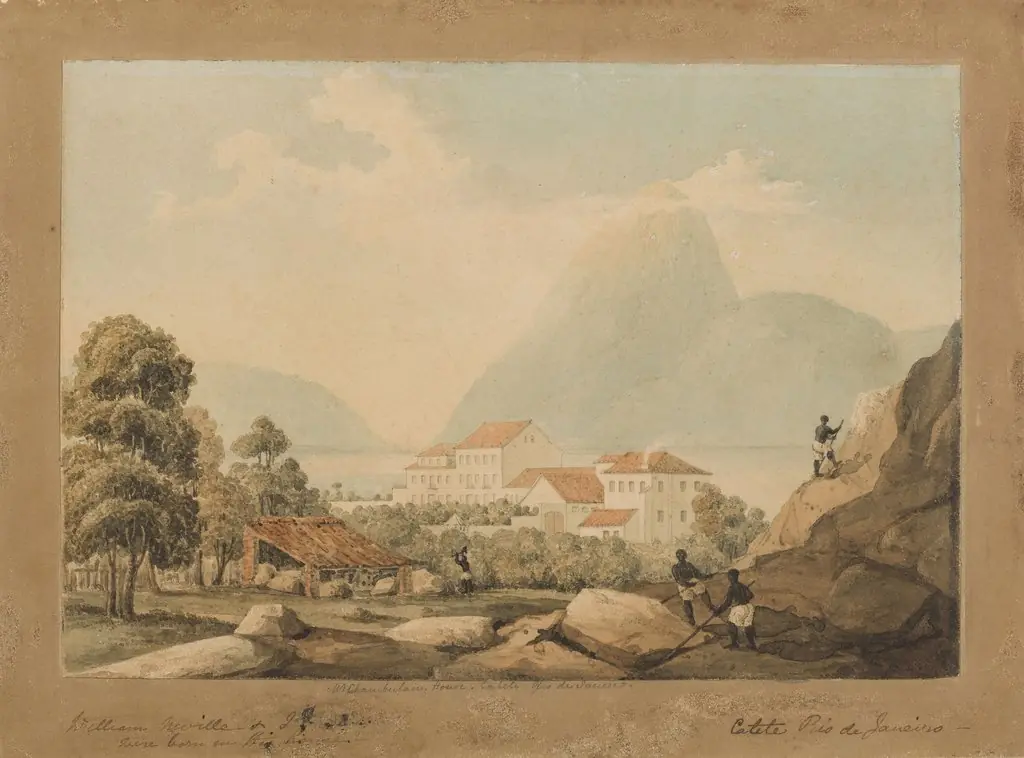 M. Chamberlains House. Catete. Rio de Janeiro
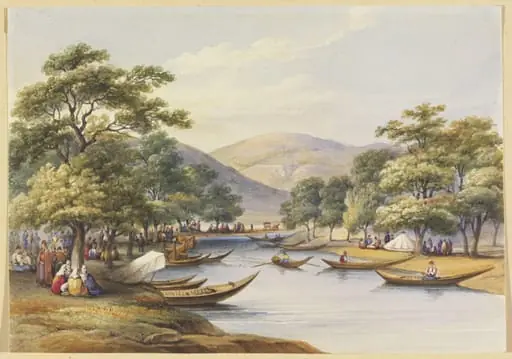 The Sweet Waters of Europe, Constantinople
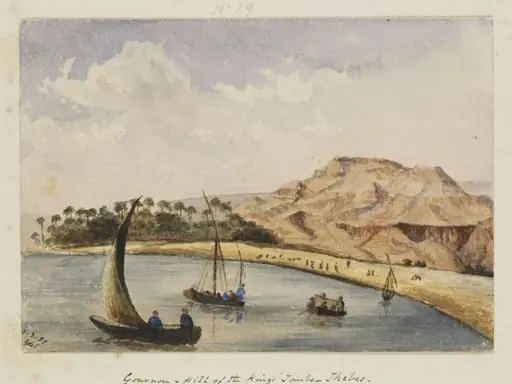 `Gournou & Hill of the Kings' Tombs - Thebes'
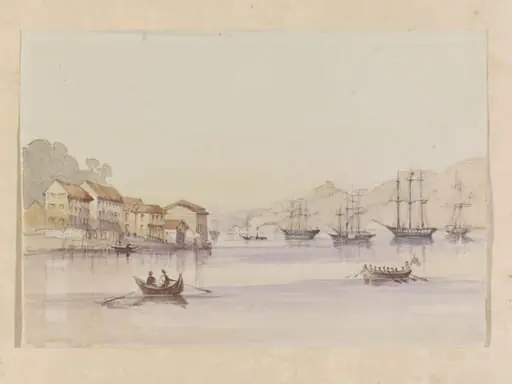 View of the Bosphorus with warships
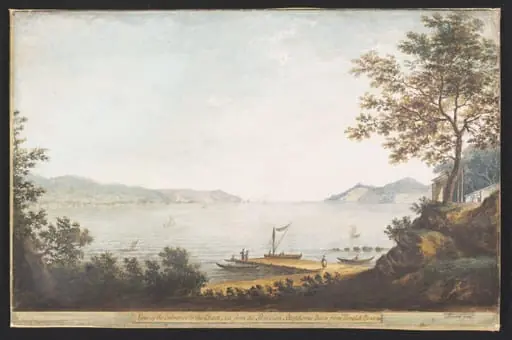 View of the Entrance to the Black Sea from the Thracian Bosphorus taken from Keretch Bournu
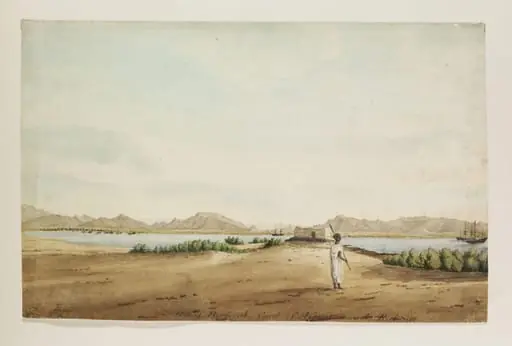 Port of Berberah. Coast of Africa near the Red Sea
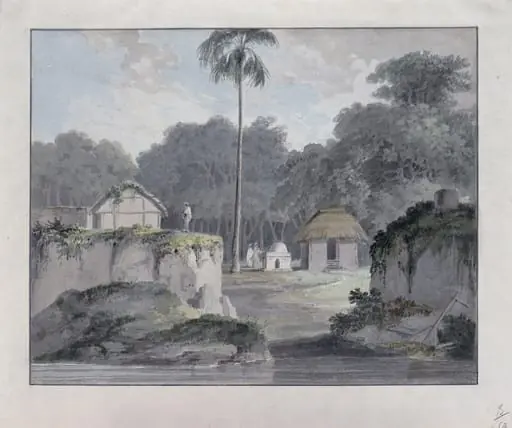 View near Nia-sirai
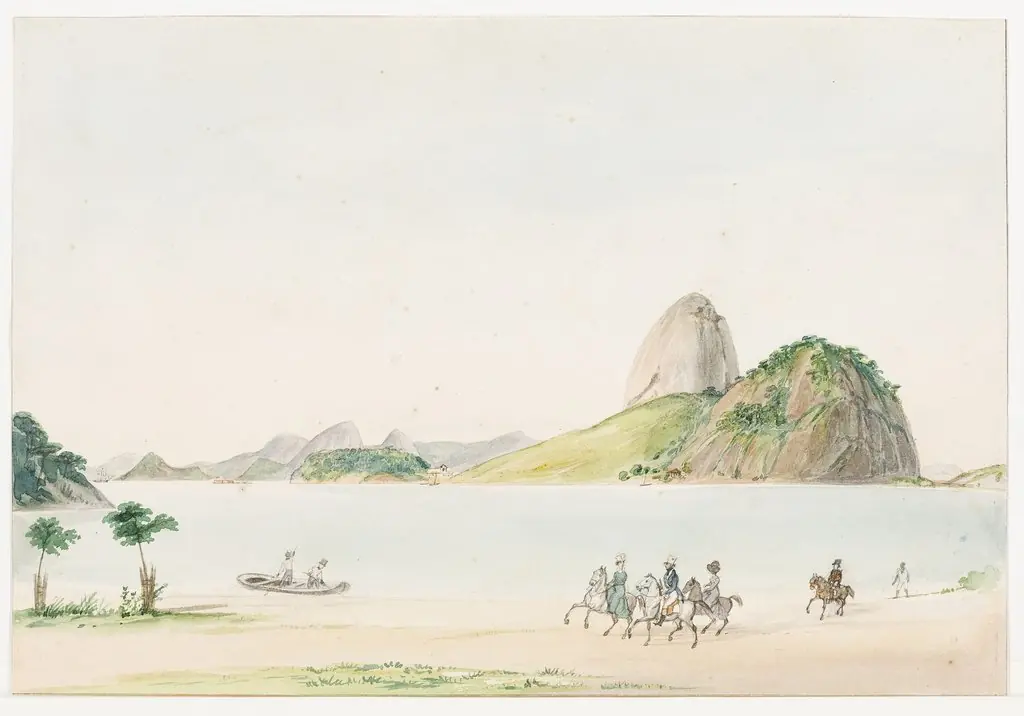 Praia de Botafogo com Pão de Açúcar (atribuído)
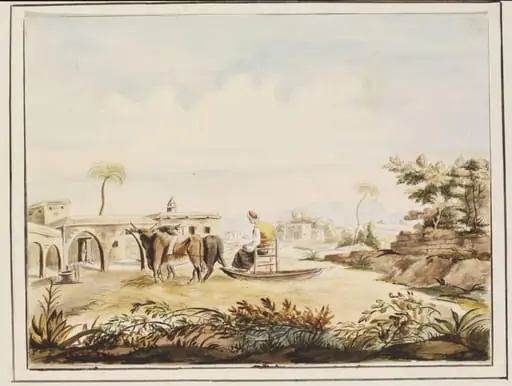 The manner of treading out the Corn