Artwork
The Bodies of Saints Peter and Paul Hidden in the Catacombs
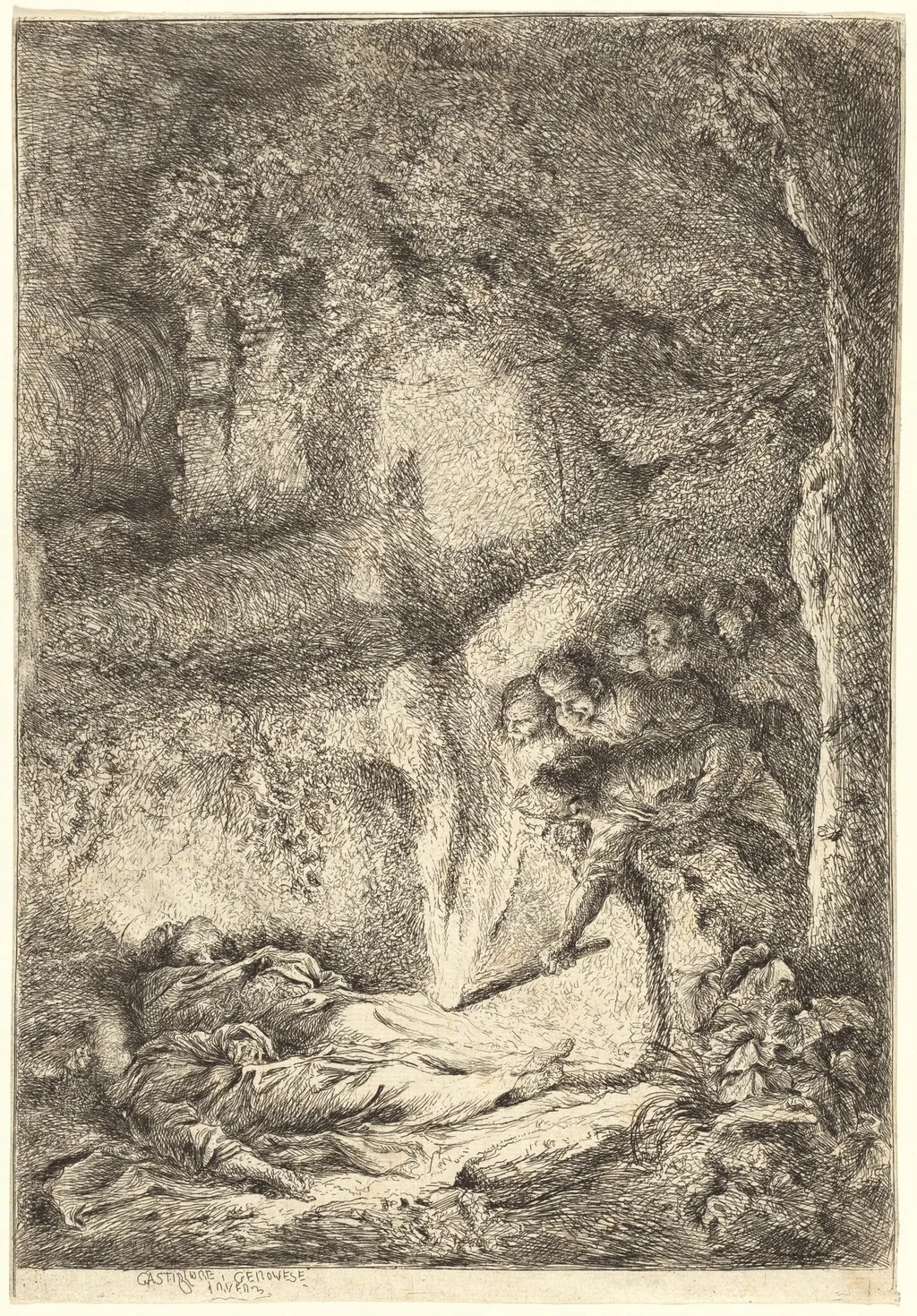
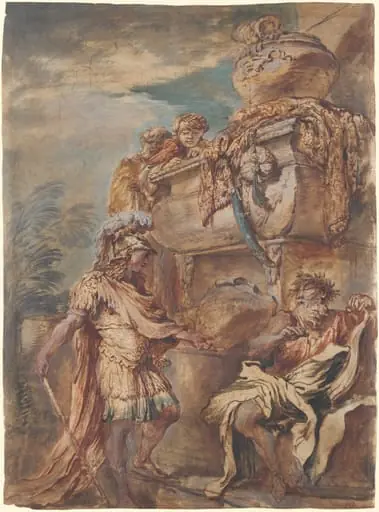
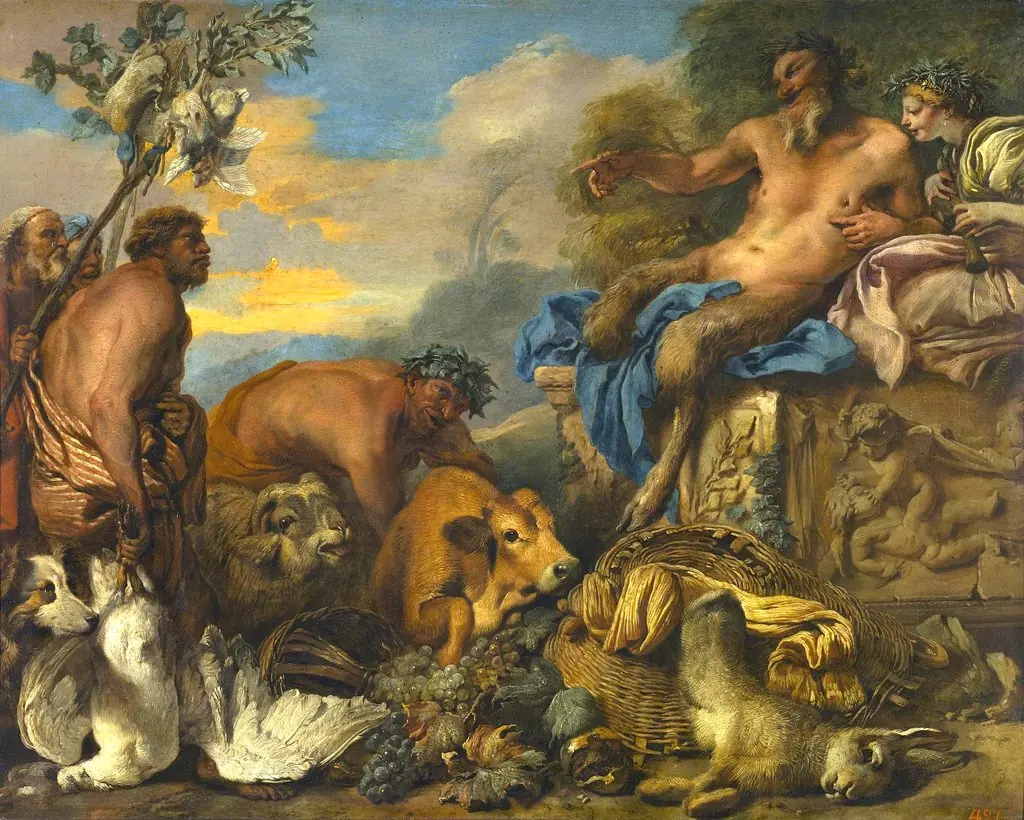
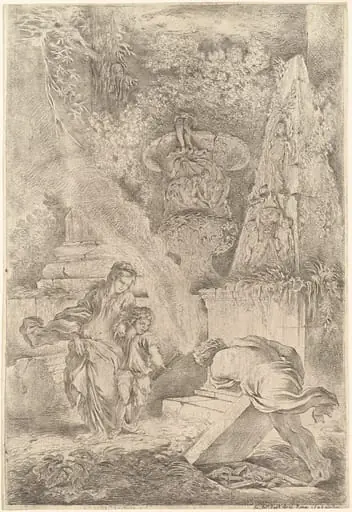
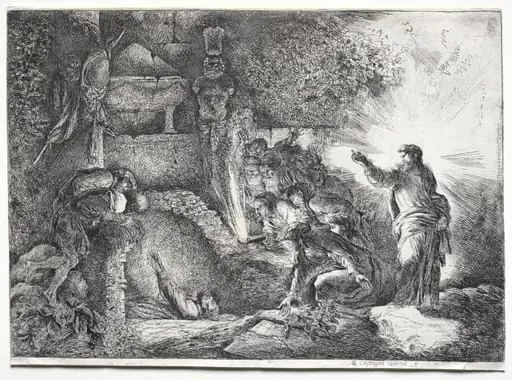
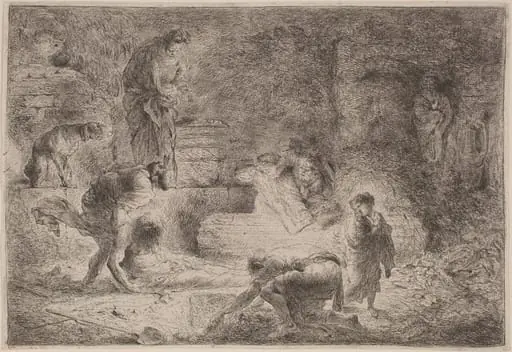
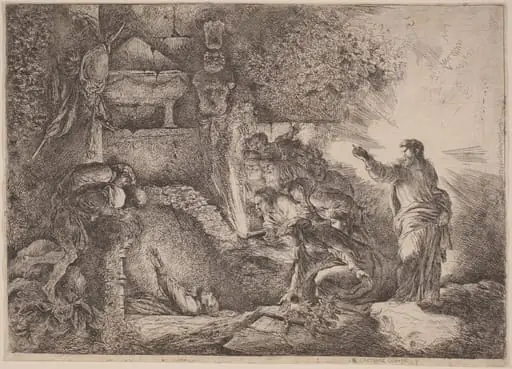
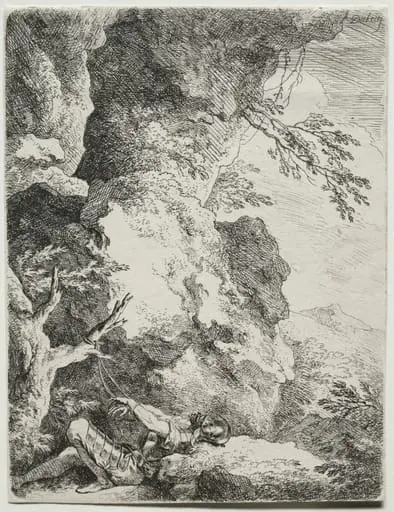
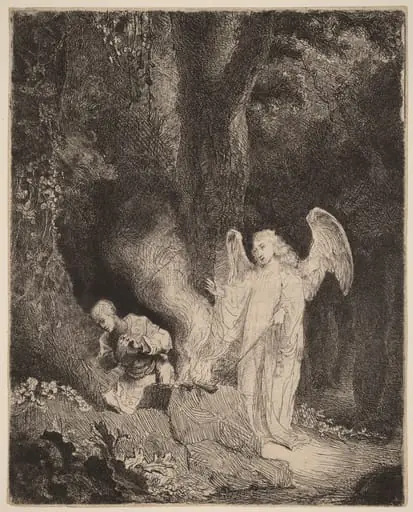
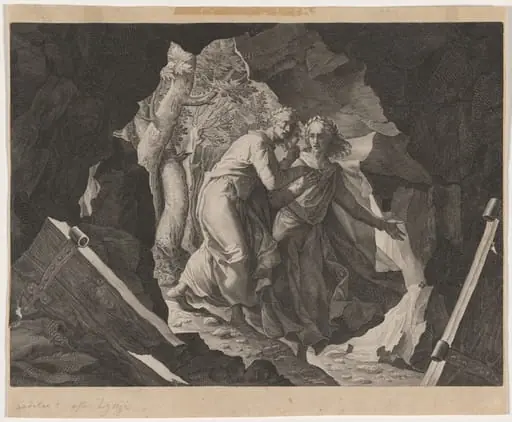
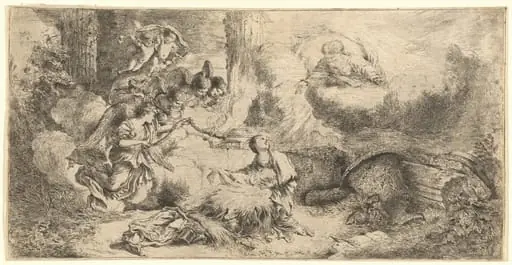
The Bodies of Saints Peter and Paul Hidden in the Catacombs is an ink print by the Baroque artist Giovanni Benedetto Castiglione. It dates from 1646 and is held in the collection of the National Gallery of Art.
About this work
Overview
Known for technical experimentation, he used etching to evoke atmosphere rather than narrative clarity, favoring mood over detail.
Created around 1646, this etching by Giovanni Benedetto Castiglione depicts a quiet moment from early Christian lore: the secret burial of Saints Peter and Paul in Rome’s catacombs. Executed on laid paper, the work belongs to Castiglione’s printmaking output during his time in Genoa, before his move to France. Known for technical experimentation, he used etching to evoke atmosphere rather than narrative clarity, favoring mood over detail.
Subject & Meaning
The scene illustrates the clandestine interment of the two apostles, a tradition rooted in the persecution of early Christians. Rather than glorifying martyrdom, Castiglione emphasizes concealment and reverence. The figures are barely distinguishable, their forms merging with the earth, suggesting humility and the sacredness of hidden sanctity. The absence of witnesses or ritual underscores the quiet dignity of the act.
Technique & Style
Castiglione employed fine, incised lines to build dense shadows and textured surfaces, creating a sense of depth through contrast rather than perspective. The rough stone and tangled roots are rendered with scratchy, irregular strokes, enhancing the tactile unease of the setting. Light is implied sparingly, leaving much of the scene in near darkness, a method that heightens the somber, introspective tone of the composition.
History & Provenance
The print was made during Castiglione’s mature period, after he had developed his signature monotype technique but before his relocation to the French court. While no specific early ownership records are documented, the work aligns with his broader interest in religious subjects and experimental printmaking. It likely circulated among collectors familiar with his reputation for technical innovation and emotional intensity.
Context
In mid-17th century Italy, religious imagery remained central to artistic production, even as Baroque drama grew more theatrical. Castiglione’s approach diverged from grandeur, instead focusing on intimate, somber moments. His choice of the catacombs reflects a broader cultural interest in early Christian martyrdom, yet his treatment resists spectacle, aligning more with contemplative devotion than public piety.
Legacy
Though less known than his monotypes, this etching exemplifies Castiglione’s ability to convey psychological depth through minimal means. His use of darkness and texture influenced later printmakers interested in atmospheric effects. The work stands as a quiet testament to his skill in transforming religious narrative into a meditative visual experience, prioritizing mood over doctrine.
Artist & collection
Artist
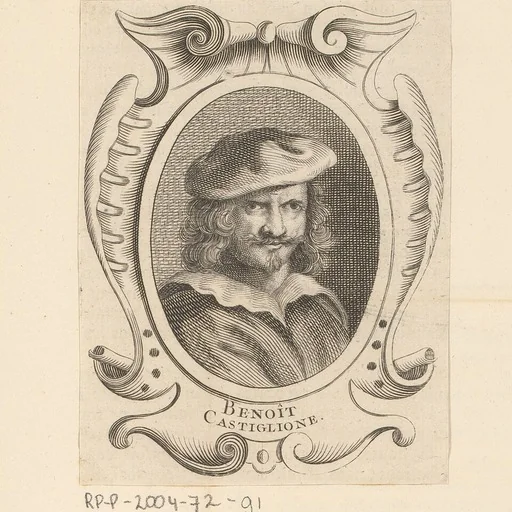
Giovanni Benedetto Castiglione
Giovanni Benedetto Castiglione (baptized 23 March 1609 – 5 May 1664) was an Italian Baroque painter, printmaker and draftsman, of the Genoese school.