Artwork
Dante and Virgil in Hell
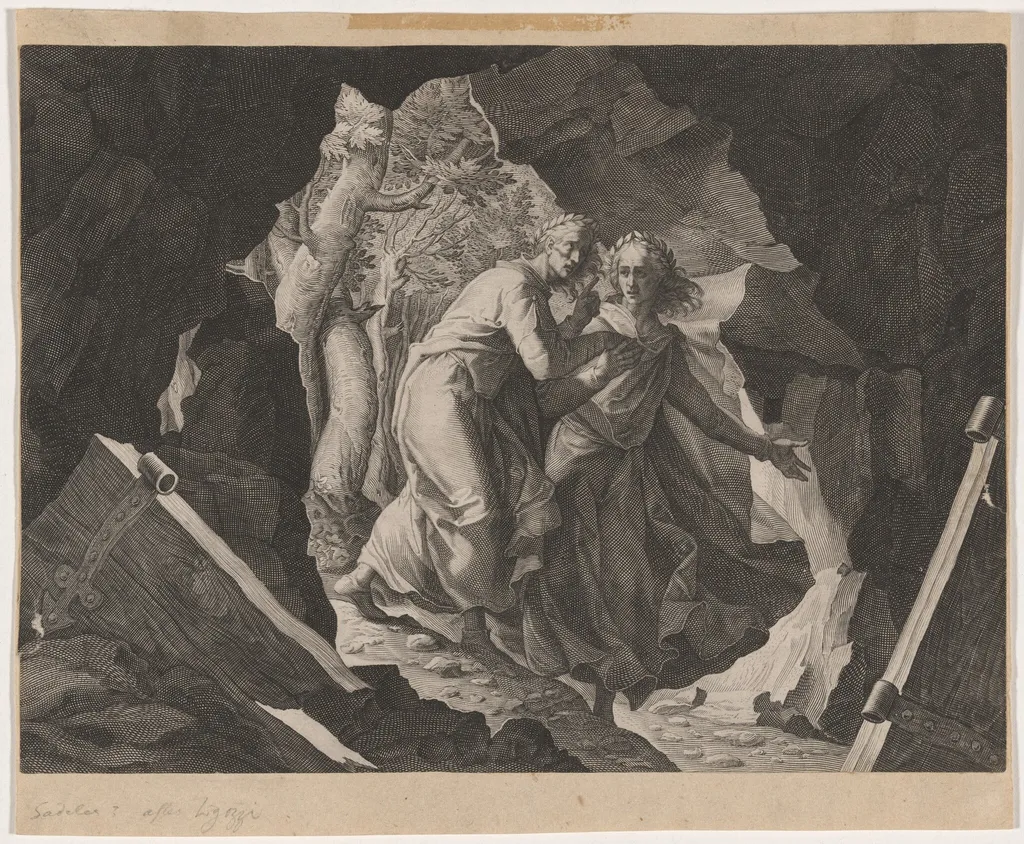
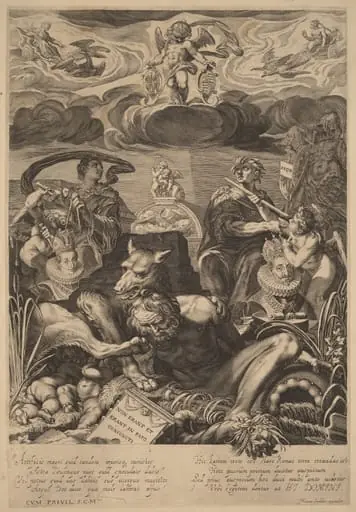
Dante and Virgil in Hell is an ink print by the Renaissance artist Aegidius Sadeler II. It dates from 1608 and is held in the collection of the National Gallery of Art.
About this work
Overview
Dante and Virgil in Hell is a 1608 engraving on laid paper by Aegidius Sadeler II, a Flemish artist associated with the Prague court of Rudolf II. The work visually interprets a pivotal scene from Dante’s Inferno, showcasing Sadeler’s mastery of early 17th-century engraving techniques.
Subject & Meaning
The engraving depicts Virgil guiding Dante through Hell’s desolate landscape, symbolizing the poet’s journey through sin and redemption. The scene reflects the Renaissance fascination with classical literature and allegorical themes.
Technique & Style
Sadeler employed cross-hatching to achieve profound depth and shading, characteristic of Renaissance printmaking. The composition’s emphasis on texture and gray-scale nuances highlights Sadeler’s technical skill.
History & Provenance
Created in 1608 under the patronage of the Holy Roman Emperor, the engraving demonstrates Sadeler’s connection to the Prague court. Its provenance, however, is not detailed in available records.
Context
This work embodies the cultural exchange of the early 17th century, blending Flemish artistic techniques with Italian literary themes, popular among the imperial patronage of Rudolf II.
Legacy
While not extensively documented, Dante and Virgil in Hell contributes to the broader legacy of Renaissance art’s engagement with classical texts, influencing subsequent depictions of Dante’s Inferno in European art.
Artist & collection
Artist
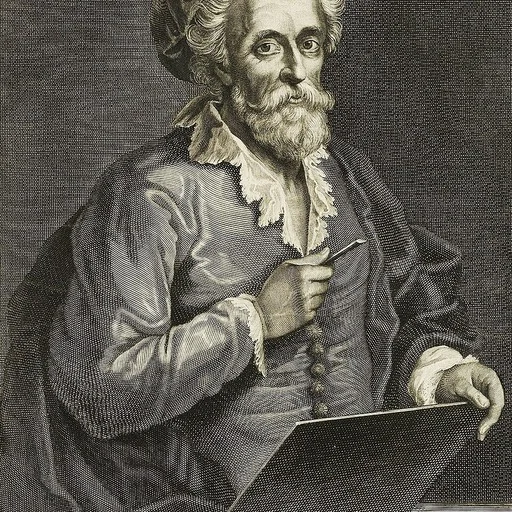
Aegidius Sadeler or Aegidius Sadeler II (1570–1629) was a Flemish engraver who was principally active at the Prague court of Rudolf II, Holy Roman Emperor and his successors.

 St. William, The Hermit Saint
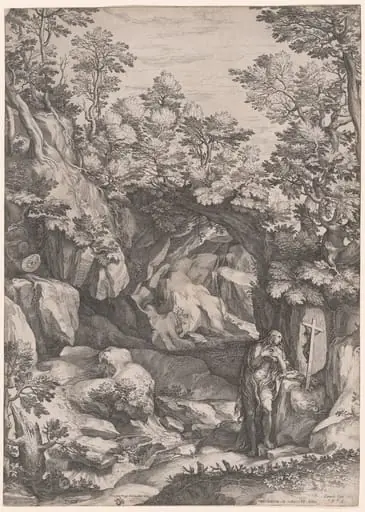 Landscape with a Penitent Magdalene
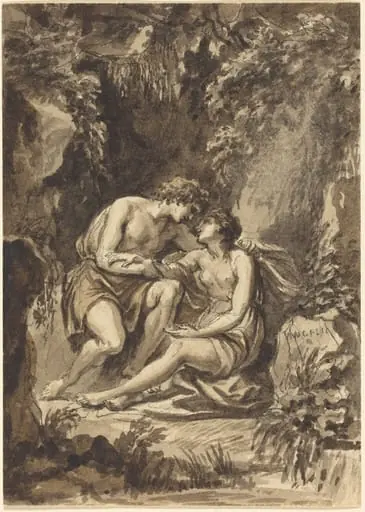 Angelica and Medoro
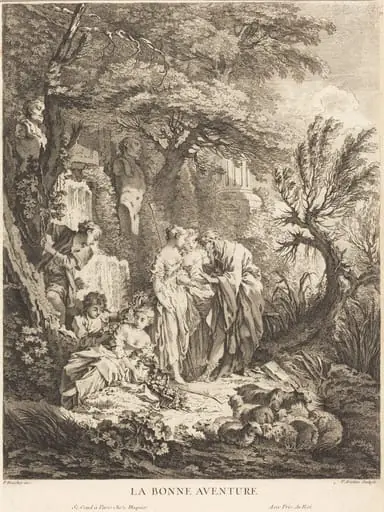 La Bonne Aventure
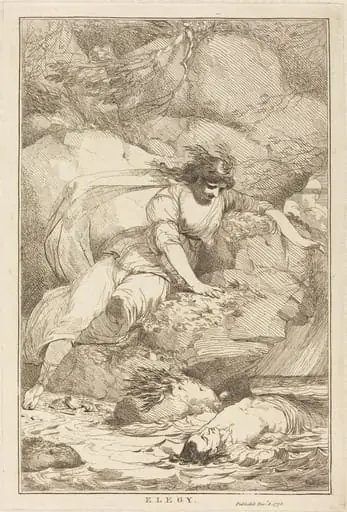 Elegy
Elegy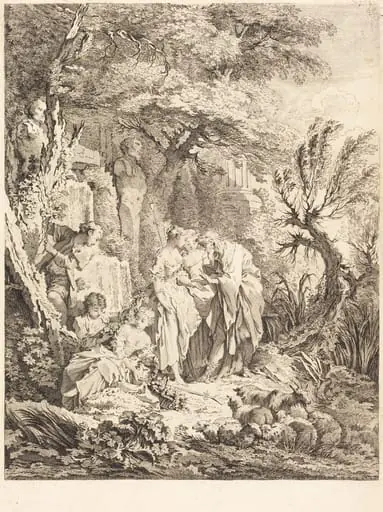 La Bonne Aventure
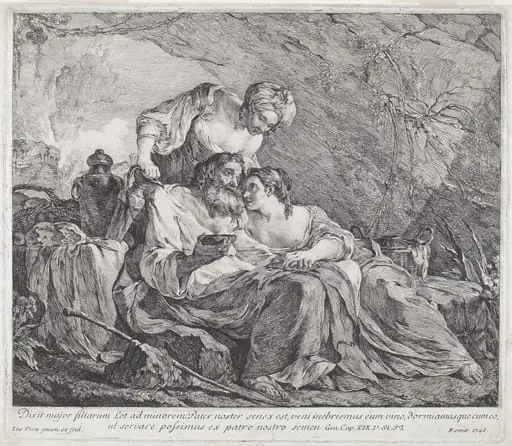 Lot and His Daughters
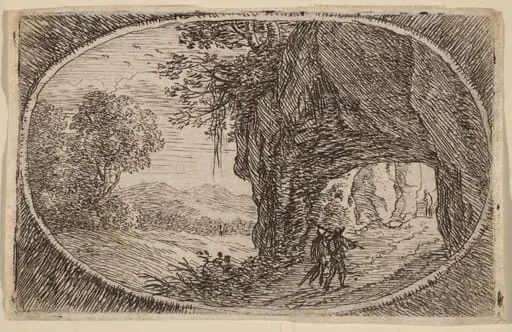 The Path through the Rock
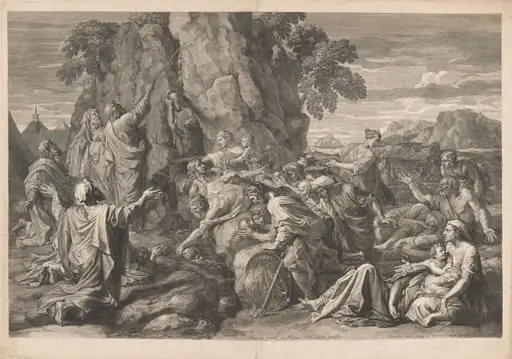 Moses Striking the Rock
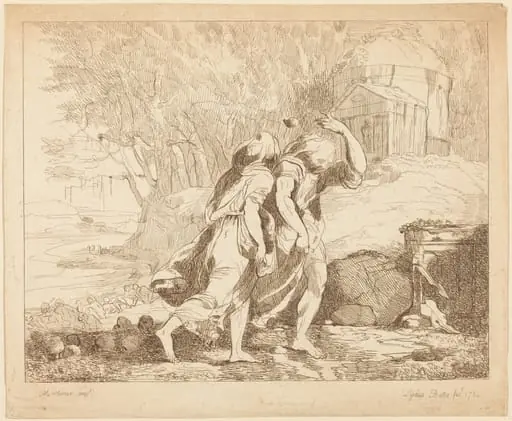 Two Fleeing Figures (Atlanta and Hippomenes?)
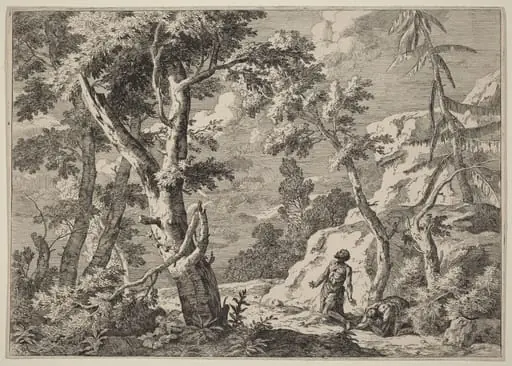 Two Men Penitent in the Wilderness
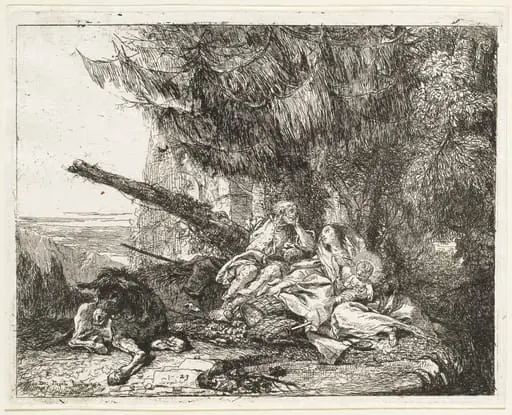 The Rest on the Flight, with Holy Family under a Tree