Artwork
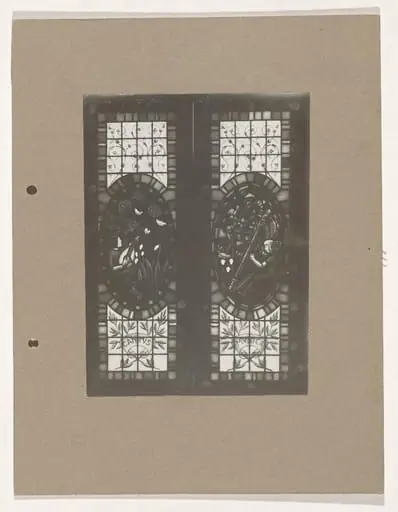
kuori-ikkunan lasimaalaukset, Siunaus ja Rukous
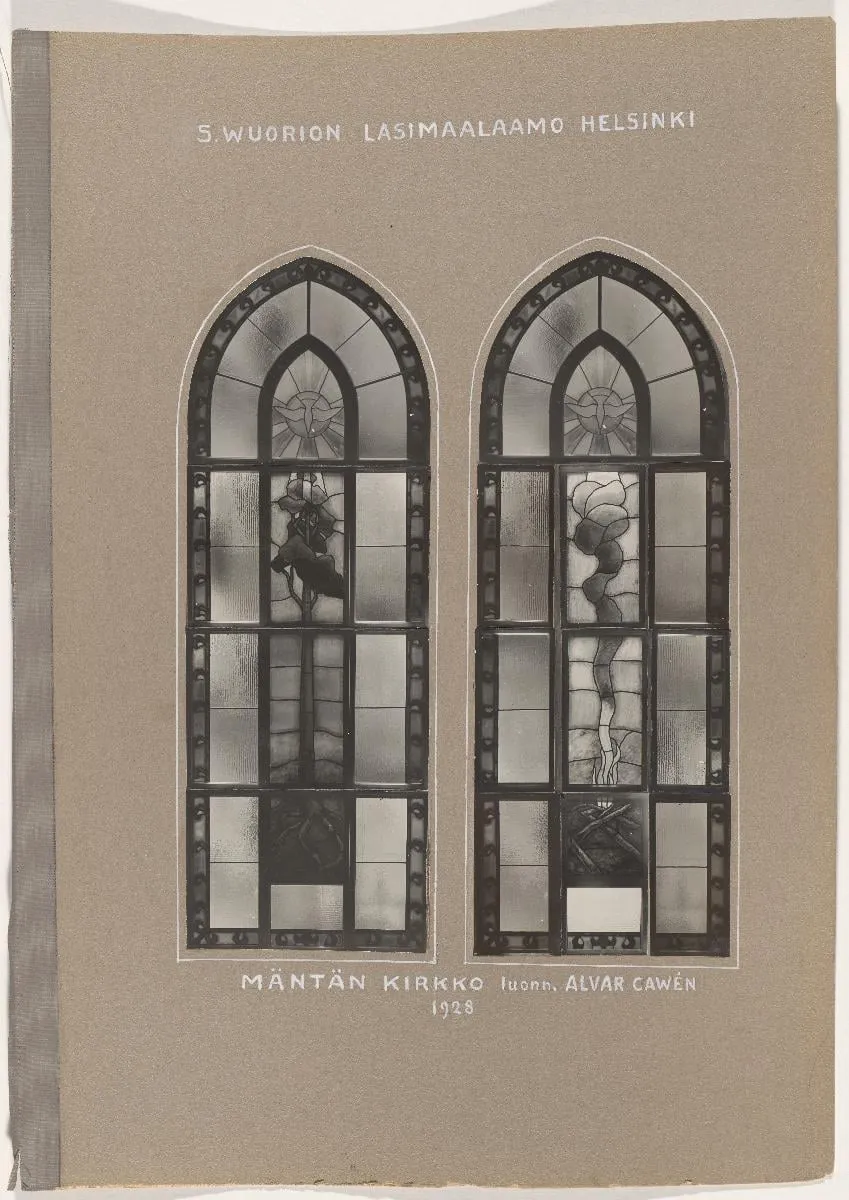
kuori-ikkunan lasimaalaukset, Siunaus ja Rukous is a photography by Alvar Cawén. It is held in the collection of the Finnish Heritage Agency.
About this work
Each window has three sections: the top curves like a Gothic arch, the middle holds abstract shapes and lines, and the bottom shows simpler designs.
This is a black-and-white photo of two tall, arched windows filled with stained glass. Each window has three sections: the top curves like a Gothic arch, the middle holds abstract shapes and lines, and the bottom shows simpler designs. The glass looks textured, with some parts darker and others lighter.
The photo’s label names the artist as Alvar Cawén and says it’s from 1928. The windows are for Mäntän Kirkko, a Finnish church.
Look up Museum of Ethnography to see where this photo is kept.
Overview
Two stained-glass windows, created in 1928 by Finnish artist Alvar Cawén, adorn the church of Mäntän Kirkko. Each window features a tall, pointed arch divided into three horizontal bands. The upper section follows a Gothic form, the center displays abstract linear patterns, and the lower portion is more simplified. The glass exhibits varied textures and tonal contrasts, captured here in a black-and-white photographic record now held by the Museum of Ethnography.
Subject & Meaning
The windows are titled 'Kuori-ikkunan lasimaalaukset, Siunaus ja Rukous'—'Shell Windows: Blessing and Prayer.' The abstract forms in the central panels suggest spiritual motion or divine presence without literal imagery. The lower sections, more restrained, may symbolize earthly devotion. Together, they evoke contemplation through non-representational design, aligning with early 20th-century Finnish religious art’s move toward symbolic expression.
Technique & Style
Cawén employed traditional stained-glass methods, layering colored glass with lead cames to create texture and contrast. The interplay of light and shadow across the panels suggests a deliberate modulation of opacity, with darker areas grounding the composition and lighter zones drawing the eye upward. The style blends Gothic structural principles with modernist abstraction, reflecting a Finnish synthesis of tradition and contemporary aesthetics.
History & Provenance
Commissioned for Mäntän Kirkko in 1928, the windows were part of a broader interwar effort to renew ecclesiastical interiors with nationally resonant art. The original glass remains in place, though the photograph documenting them was later acquired by the Museum of Ethnography, likely as part of a systematic collection of Finnish decorative arts from the period.
Context
In the 1920s, Finland was cultivating a distinct national artistic identity following independence in 1917. Religious art increasingly moved away from imported European models toward indigenous motifs and abstraction. Cawén’s work reflects this shift, aligning with contemporaries who sought spiritual expression through form and light rather than figuration, contributing to a broader cultural redefinition.
Legacy
Cawén’s windows for Mäntän Kirkko represent a quiet but significant moment in Finnish ecclesiastical design, where abstraction entered sacred spaces without abandoning their devotional function. Though not widely reproduced, they remain a reference point in studies of interwar Finnish art, illustrating how modernist sensibilities were adapted to intimate, local contexts rather than grand public statements.
Artist & collection
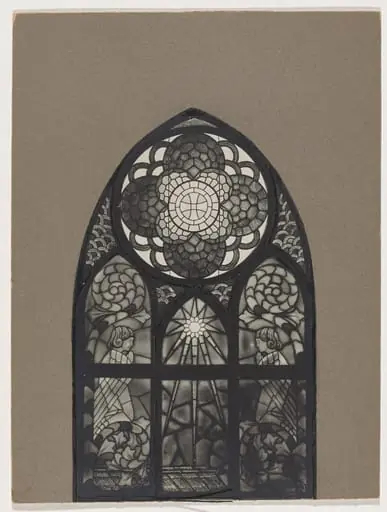 lasimaalaus, Forssan kirkon kuori-ikkuna, Jeesuksen syntymä
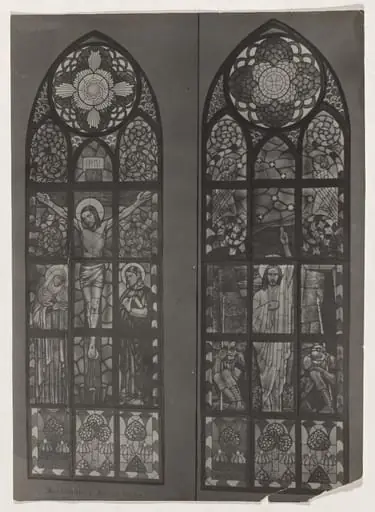 lasimaalaus, Forssan kirkon kuori-ikkunat
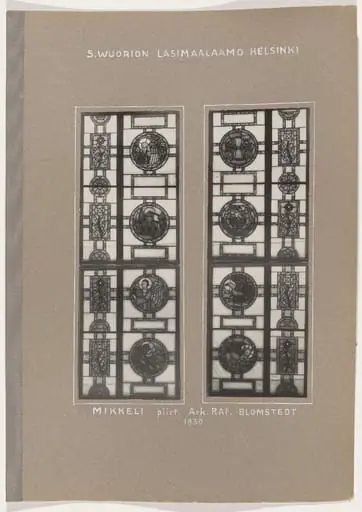 lasimaalauksia, symboliaiheiset kuori-ikkunat
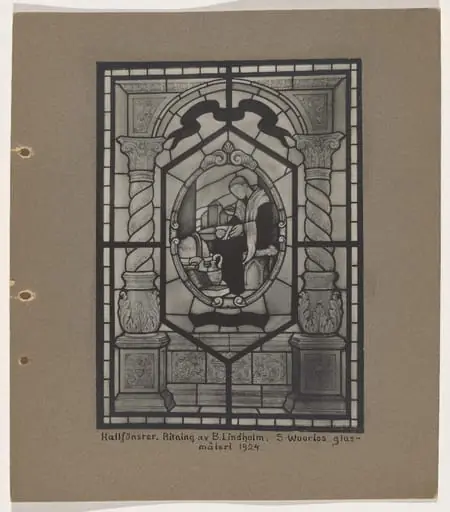 lasimaalaus, eteishallin ikkuna, omistaja herra Kivi
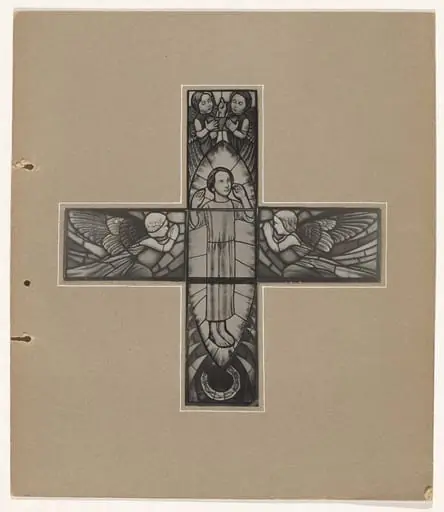 ristinmuotoinen lasimaalaus, Olaus Petrin kirkko
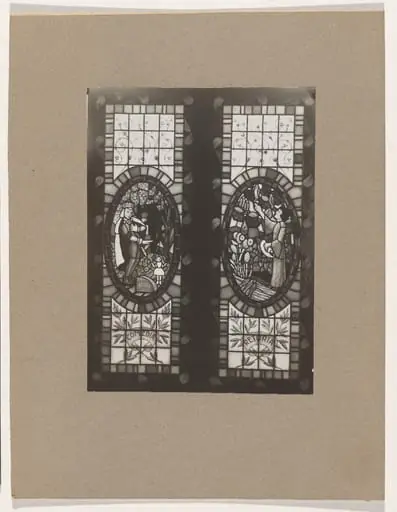 lasimaalaus, Kymintehdas, comedia retoria
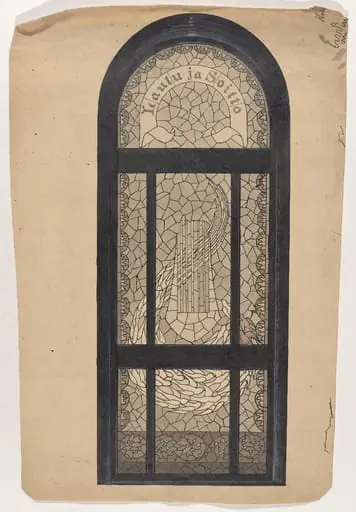 lasimaalausluonnos pyörökaari-ikkunaan, Laulu ja Soitto
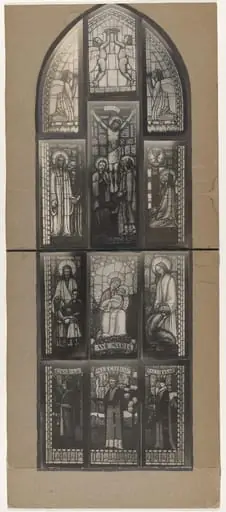 lasimaalaus, Kemiön kirkon kuori-ikkuna
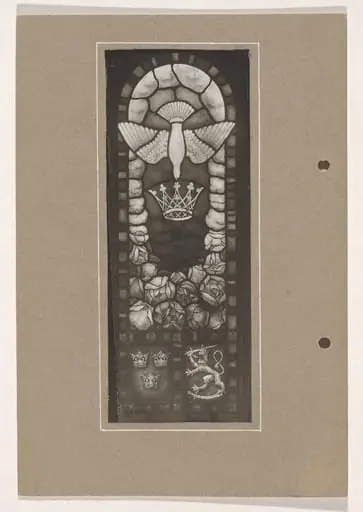 lasimaalaus, Olaus Petrin kirkko, kyyhkynen ja kruunu
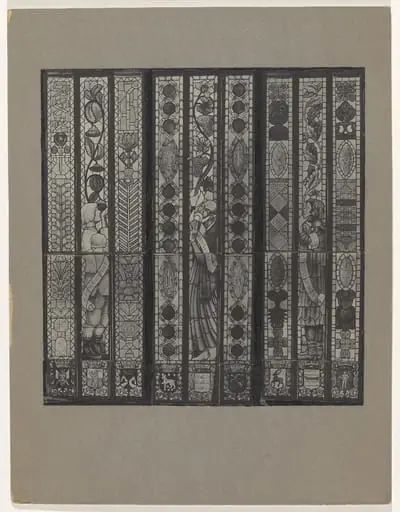 lasimaalauksia, Suomen kansallismuseon pääportaikko, ethnographia - historia - archaeologia
 lasimaalaus, Kymintehdas, cantus musica