Artwork
An Allegory
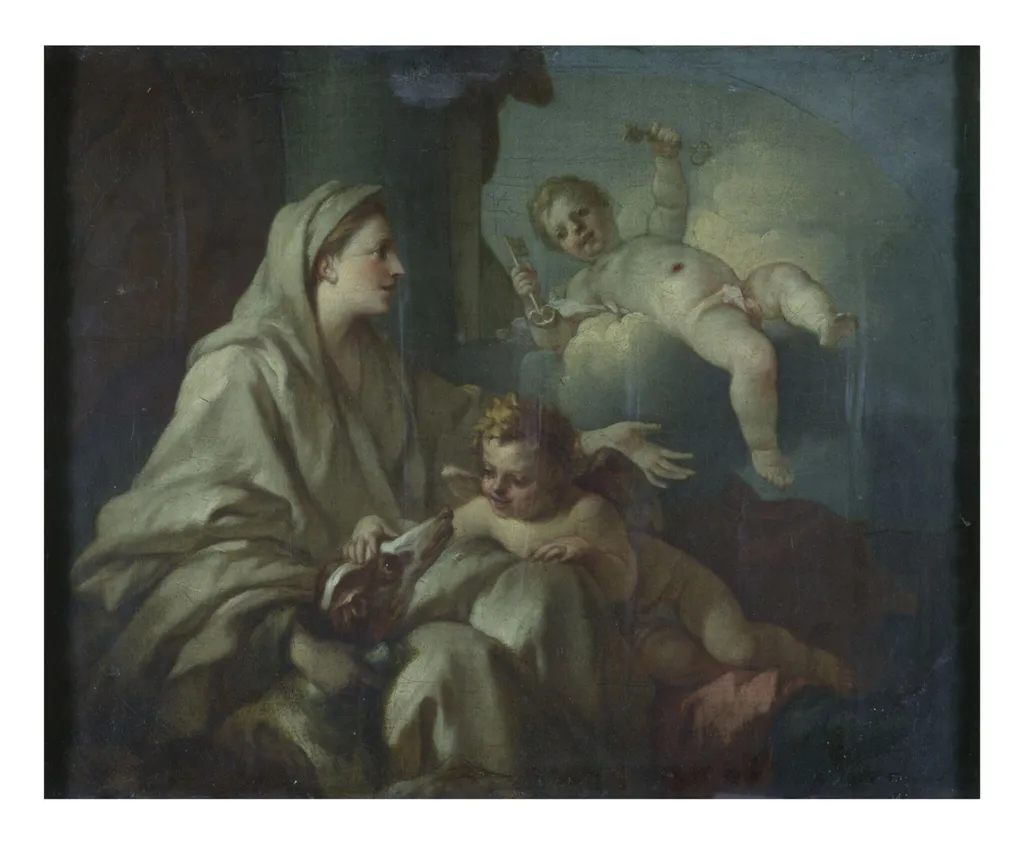
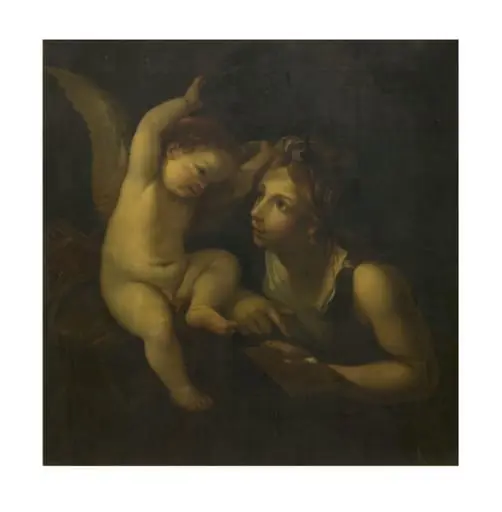
An Allegory is an oil painting by the Baroque artist Perre Jacques Cazes. It dates from 1730 and is held in the collection of the Victoria and Albert Museum.
About this work
Overview
Pierre Jacques Cazes, a Parisian painter active in the late 17th and early 18th centuries, was trained under René-Antoine Houasse and Bon Boullogne.
Pierre Jacques Cazes, a Parisian painter active in the late 17th and early 18th centuries, was trained under René-Antoine Houasse and Bon Boullogne. Though he won the Prix de Rome in 1699, he never traveled to Italy. He became a prominent figure in French academic painting, receiving numerous commissions from royal patrons and producing large-scale historical and allegorical works that defined the period’s official style.
Subject & Meaning
The painting presents an allegorical scene likely representing fidelity, conveyed through symbolic figures in classical attire. A woman in white, holding a book, may signify wisdom or virtue, while a armored man gazing upward suggests devotion or duty. The composition avoids narrative action, instead favoring a solemn, staged stillness that invites contemplation rather than storytelling, typical of allegorical works intended for elite interiors.
Technique & Style
Cazes employed a refined, controlled brushwork characteristic of French academic painting. Light is carefully modulated to define forms without dramatic contrast, enhancing the statuesque quality of the figures. The attire and architecture evoke antiquity, aligning with the period’s preference for classical ideals. The figures appear frozen in a moment of quiet dignity, emphasizing decorum over emotional intensity.
History & Provenance
Created during Cazes’s peak years, the work likely adorned a private residence or religious space, consistent with his extensive output for aristocratic and ecclesiastical patrons. Despite his prominence during his lifetime, his reputation faded after his death in 1754. The painting’s survival suggests it remained in private collections, preserving its original context despite the artist’s later obscurity.
Context
Cazes worked within the framework of the French Royal Academy, where history painting held the highest status. His career coincided with the transition from Louis XIV’s grandeur to the Rococo’s lighter tone, yet he adhered to classical themes and formal composition. His role as a teacher linked him to significant artists like Chardin and Parrocel, anchoring him in the institutional fabric of French art.
Legacy
Though largely overlooked in later art history, Cazes contributed to the continuity of academic traditions in early 18th-century France. His influence extended through his pupils and his role in shaping the visual language of allegory for elite audiences. The persistence of his works in collections underscores his once-significant position, even if his name no longer commands broad recognition.
Artist & collection
Artist
Perre Jacques Cazes painted grand mythological scenes and allegories in mid-1700s Paris.

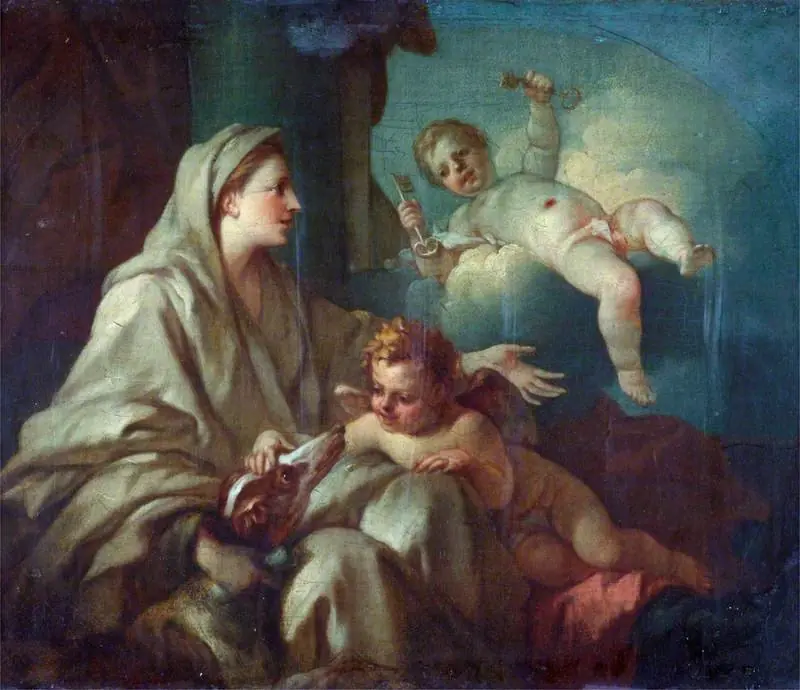 An Allegory: Fidelity
 La Sagrada Familia con santa Isabel y san Juanito
 Maria mit Kind, Johannesknaben und Engeln
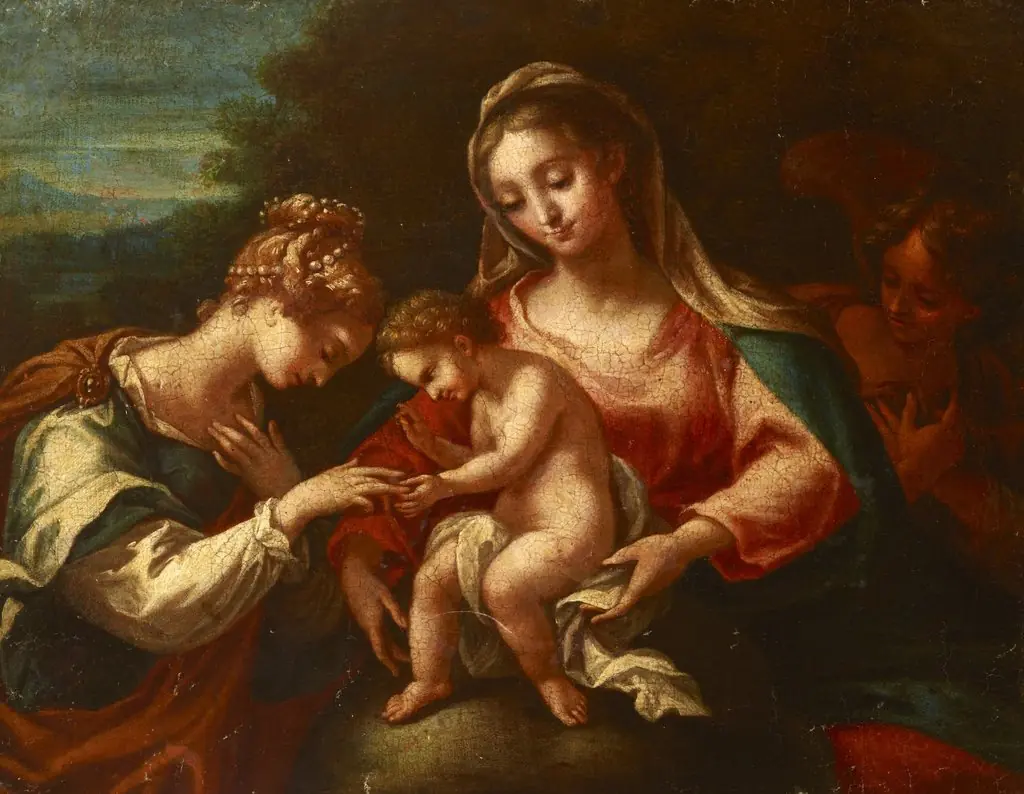 Mistic Marriage of Saint Catherine
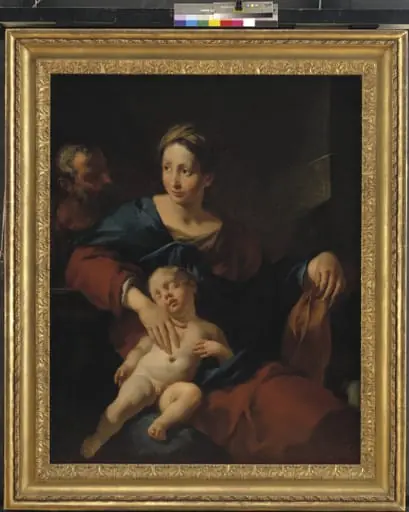 The Holy Family
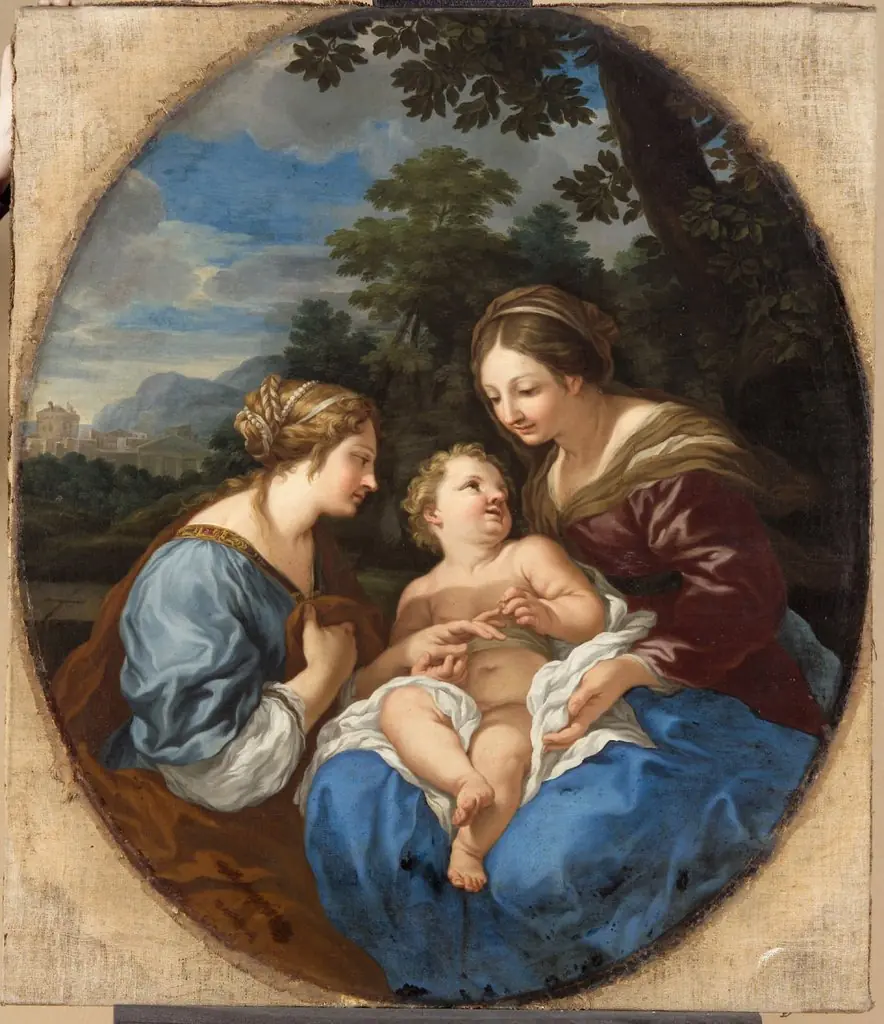 Mystic marriage of Saint Catherine of Alexandria
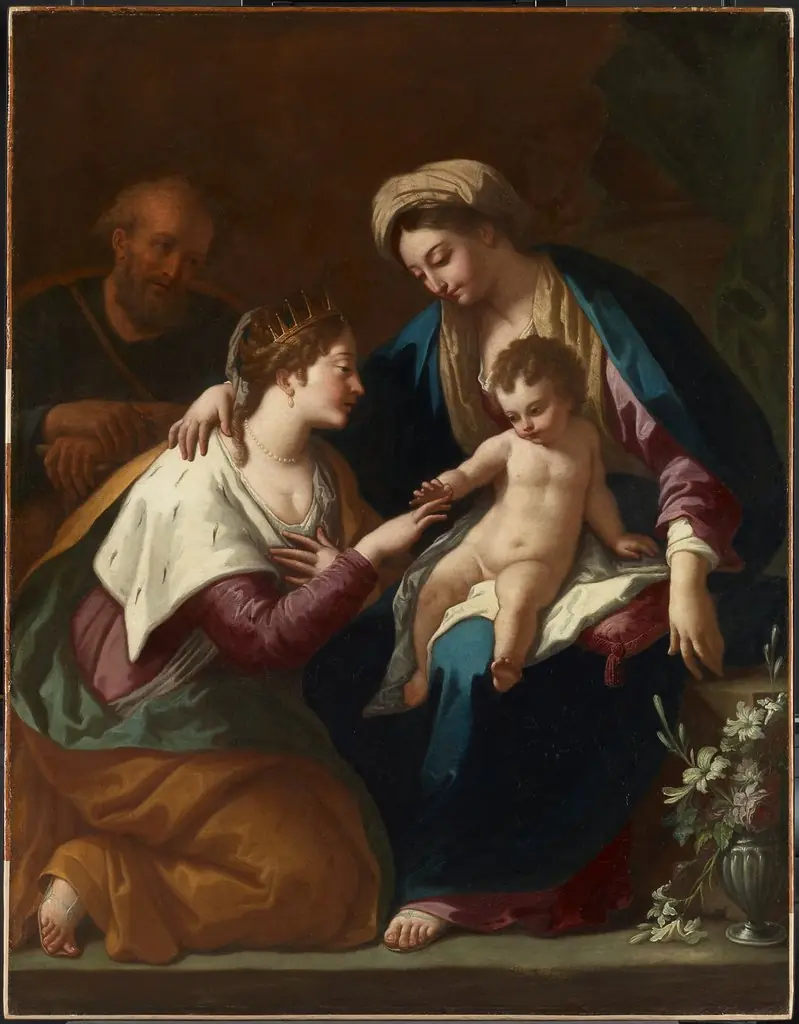 Mystical Marriage of St Catharine
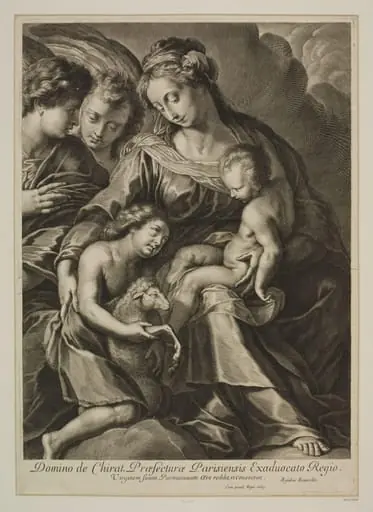 Virgin and Child with St. John
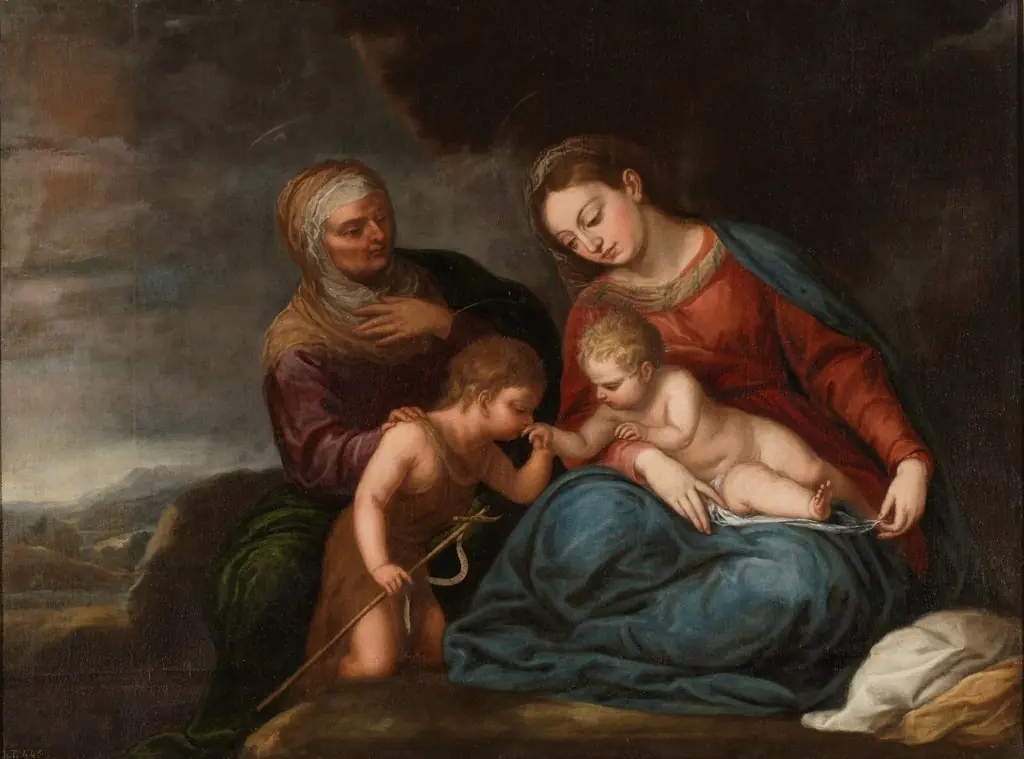 The Virgin and Child with Saints Elizabeth and John
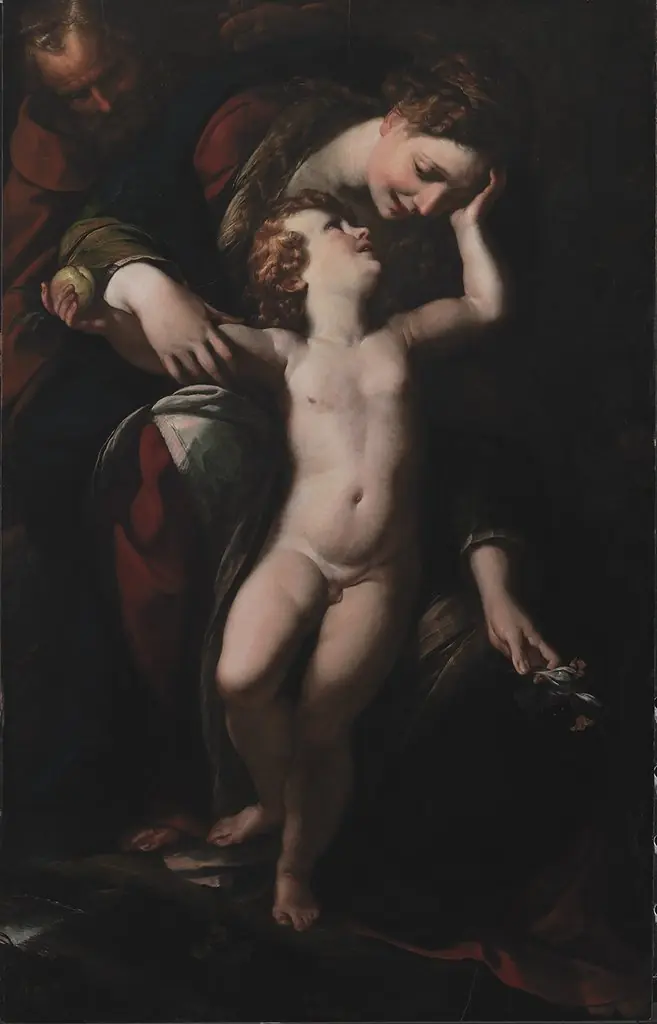 The Holy Family. The Rest on the Flight into Egypt
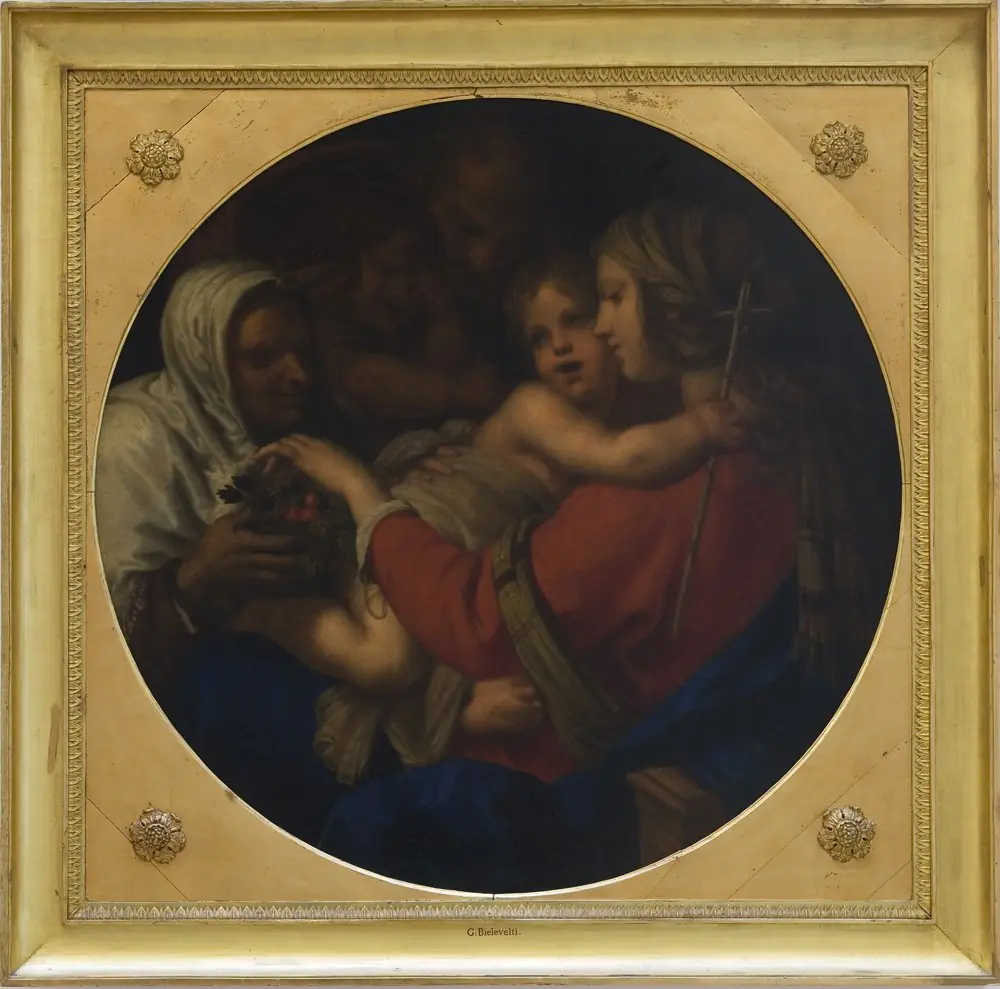 The Holy Family
 An Allegory of Painting