Artwork
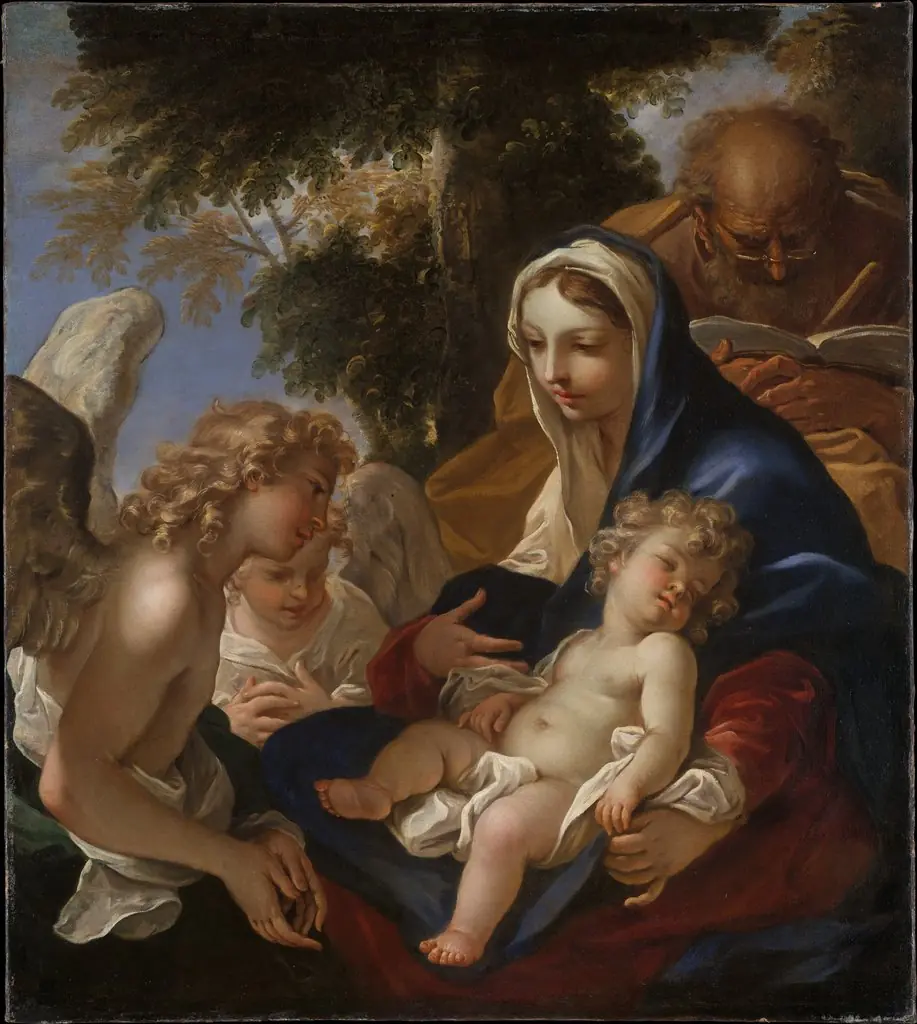
The Holy Family. The Rest on the Flight into Egypt
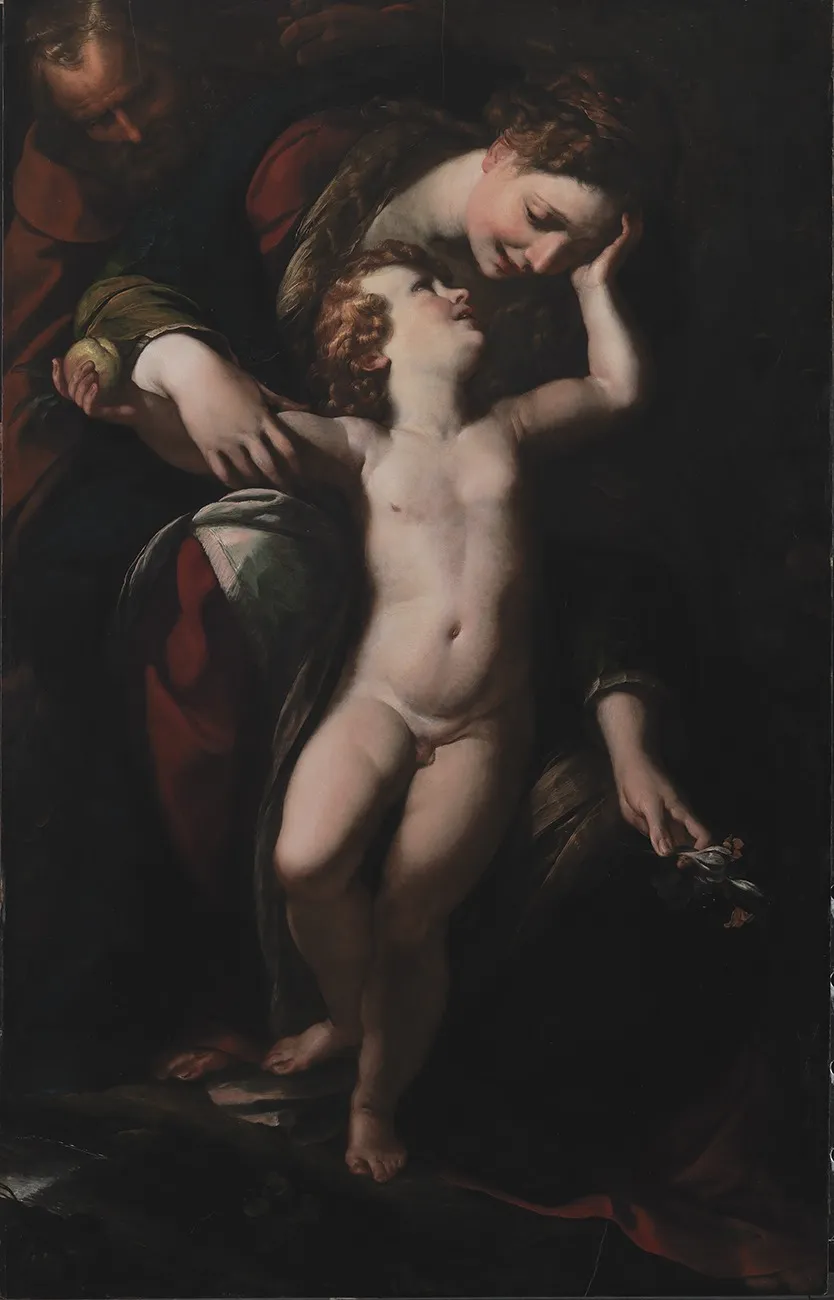
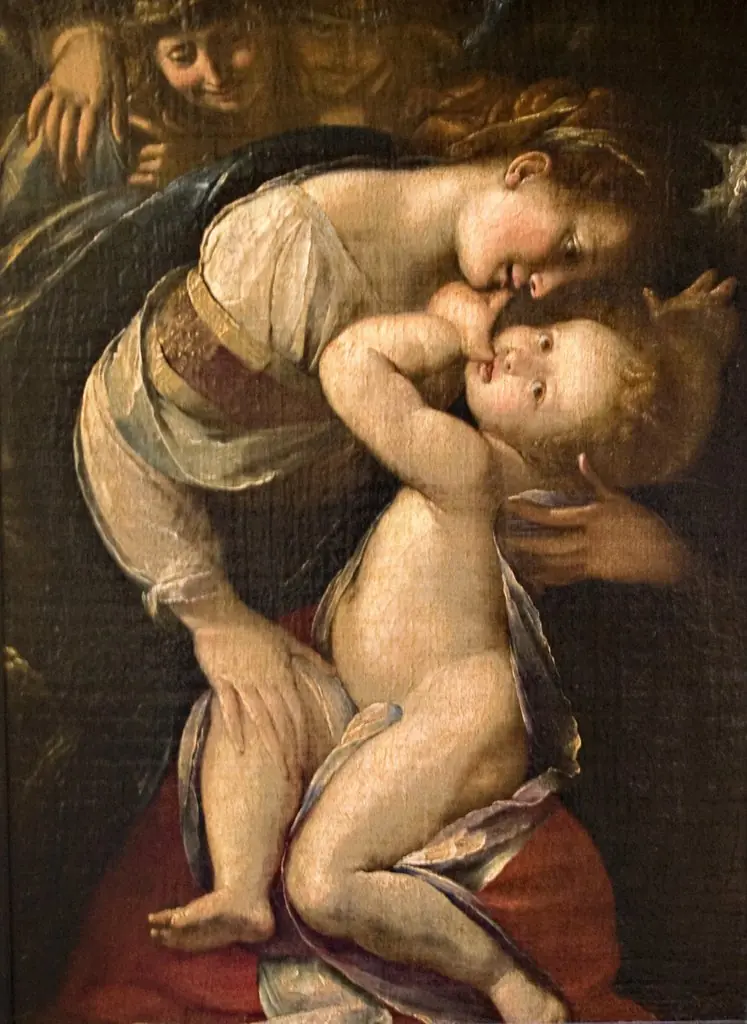
The Holy Family. The Rest on the Flight into Egypt is an unspecified painting by the Early Baroque Italian artist Giulio Cesare Procaccini. It dates from 1614 and is held in the collection of the Statens Museum for Kunst.
About this work
Overview
The painting is now part of the Statens Museum for Kunst’s collection, where it stands as a representative example of Lombard devotional art from the period.
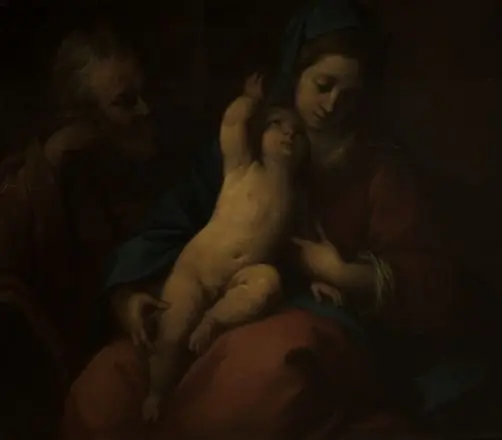
Painted in 1614 by Giulio Cesare Procaccini, this work captures a quiet moment from the Holy Family’s journey into Egypt. Executed during the early Baroque era in Milan, it reflects the religious and aesthetic priorities of the time, shaped by the influence of Cardinal Federico Borromeo. The painting is now part of the Statens Museum for Kunst’s collection, where it stands as a representative example of Lombard devotional art from the period.
Subject & Meaning
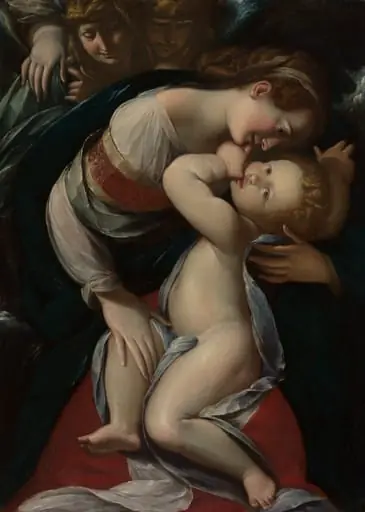
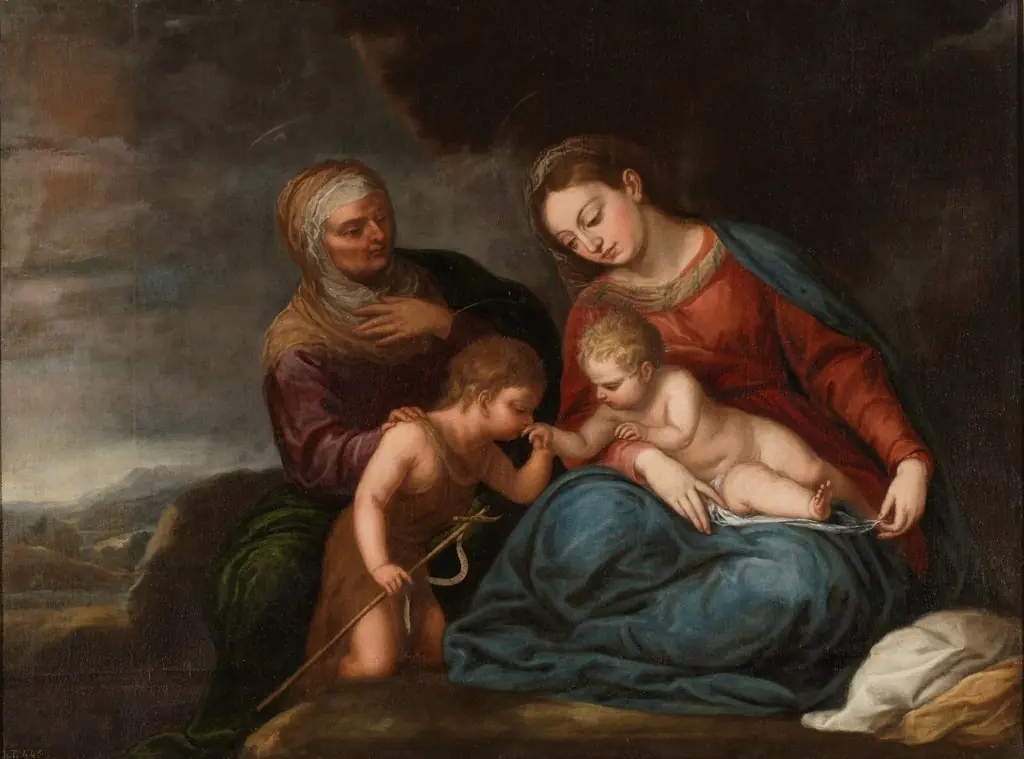
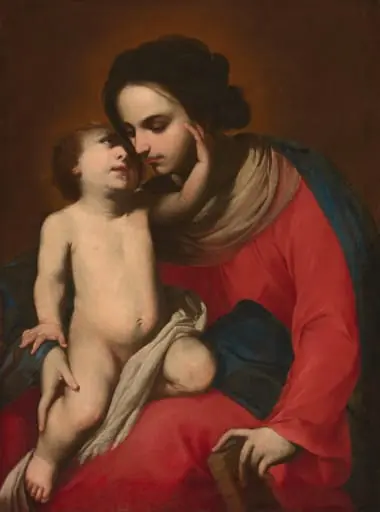
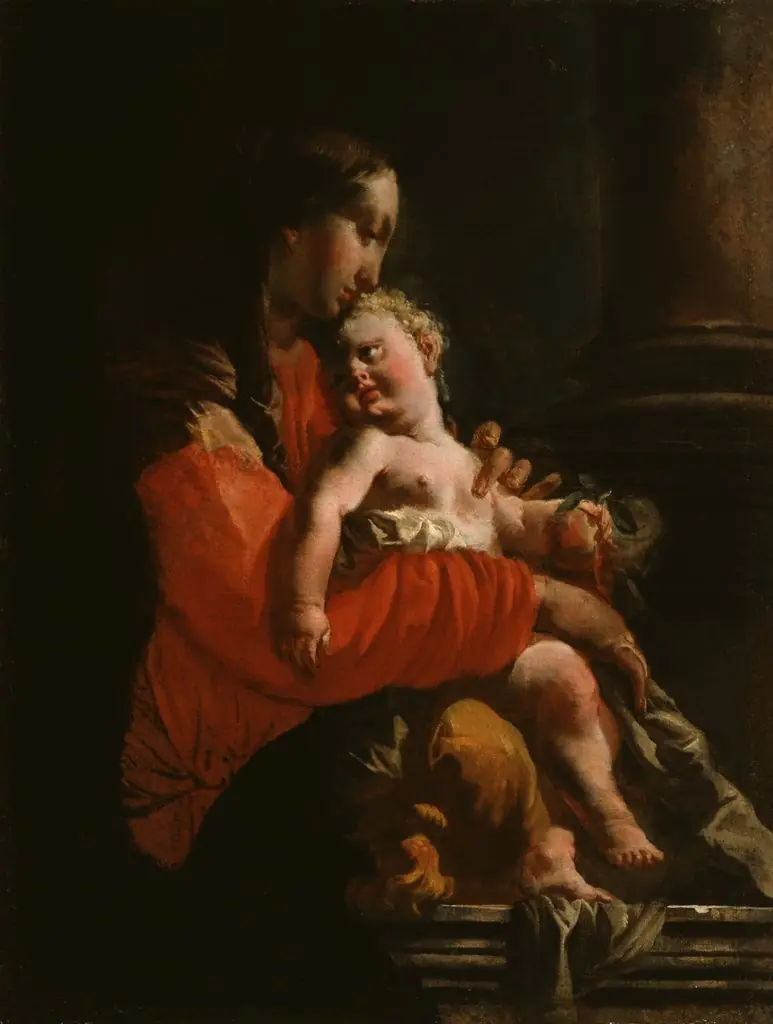
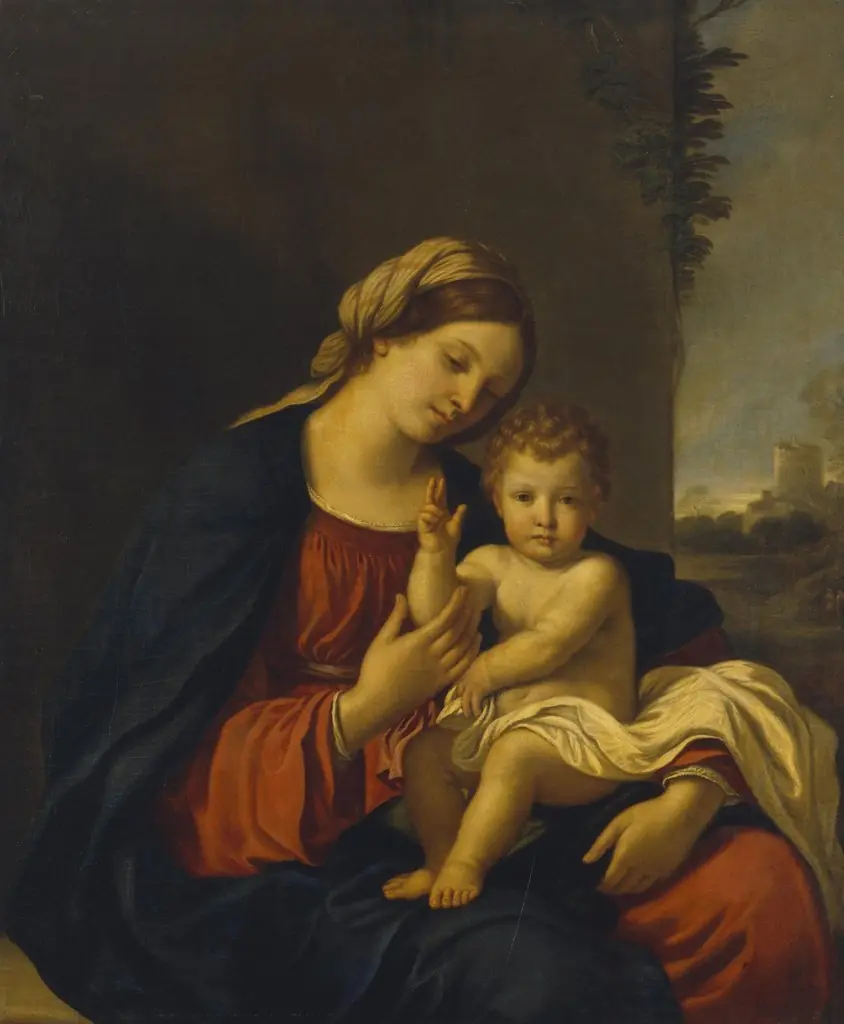
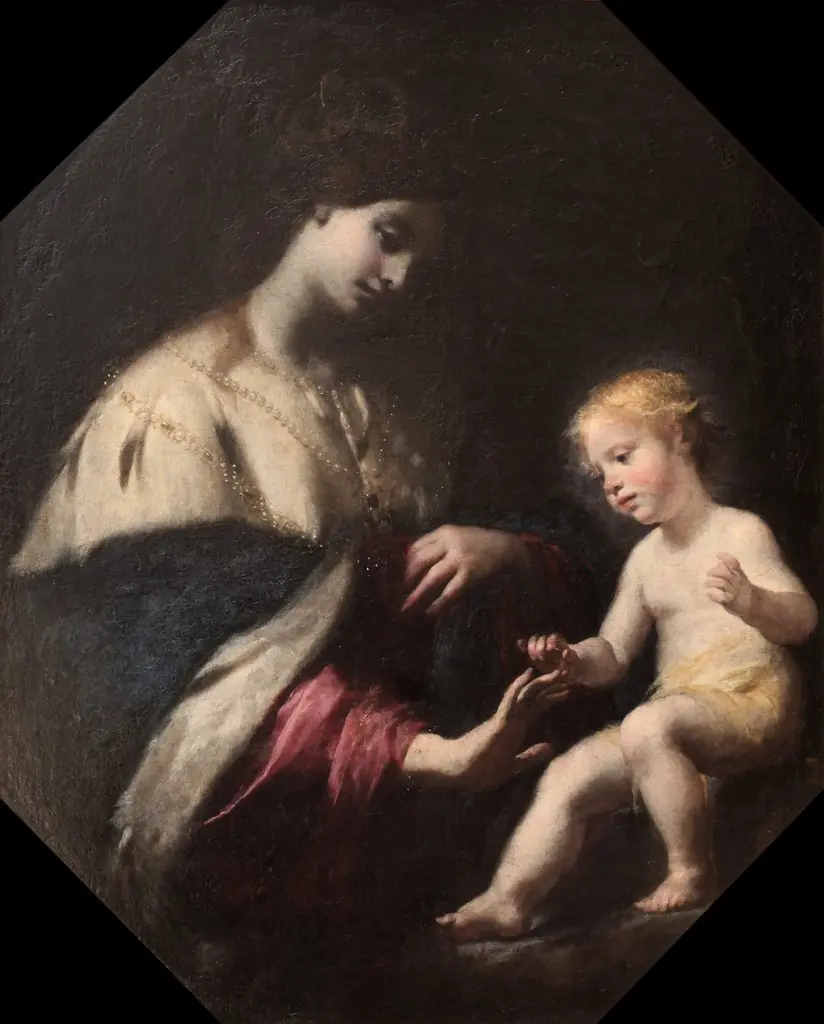
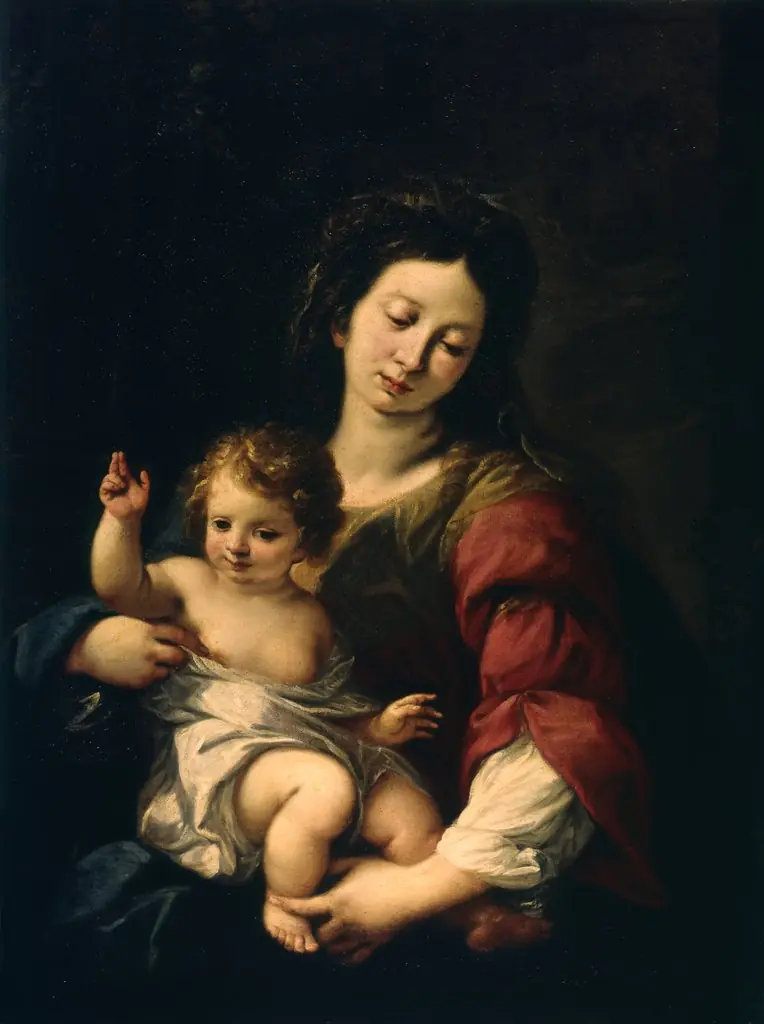
The scene portrays the Virgin Mary, Joseph, and the infant Jesus during a pause in their flight. Mary’s tender gesture—touching the child’s head while holding a small bundle—conveys maternal care, while Joseph’s watchful gaze in the background suggests quiet vigilance. The child, bare except for a draped cloth, reaches upward, his grasp of a possible fruit or flower hinting at innocence and divine providence amid hardship.
Technique & Style
Procaccini employs chiaroscuro to model the figures with soft, warm light against a deep, shadowed background, enhancing their three-dimensionality and emotional intimacy. The brushwork is refined yet unobtrusive, favoring naturalism over theatricality. The composition is tightly focused, with the figures arranged in a gentle pyramid, drawing attention to the physical and emotional connection between mother and child.
History & Provenance
Commissioned during Procaccini’s active years in Milan, the painting emerged from a circle of artists influenced by Borromeo’s reformist religious vision. It was likely created for private devotion rather than public display. The work entered the Danish national collection in the 19th century, where it has remained since, preserving its original condition and early Baroque character.
Context
In early 17th-century Milan, religious imagery emphasized emotional accessibility and human tenderness, aligning with Counter-Reformation ideals. Procaccini’s approach, influenced by both Caravaggio’s naturalism and the Lombard tradition, avoided overt drama in favor of quiet reverence. This painting reflects a broader shift toward intimate, psychologically nuanced depictions of sacred subjects.
Legacy
Though less widely known than some contemporaries, Procaccini’s work contributed to the development of a restrained, emotionally resonant style in northern Italian Baroque painting. This piece exemplifies how devotional art could convey spiritual depth through subtle gestures and controlled lighting, influencing later generations of regional painters focused on domestic piety.
Artist & collection
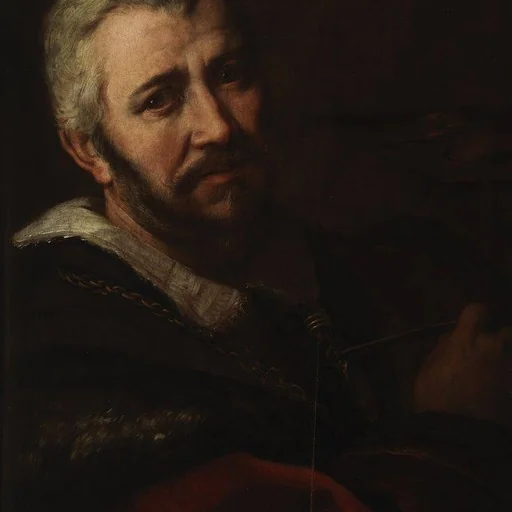
Artist
Giulio Cesare Procaccini (30 May 1574 – 14 November 1625) was an Italian painter and sculptor of the early Baroque era in Milan.