Artwork
An Allegory: Fidelity
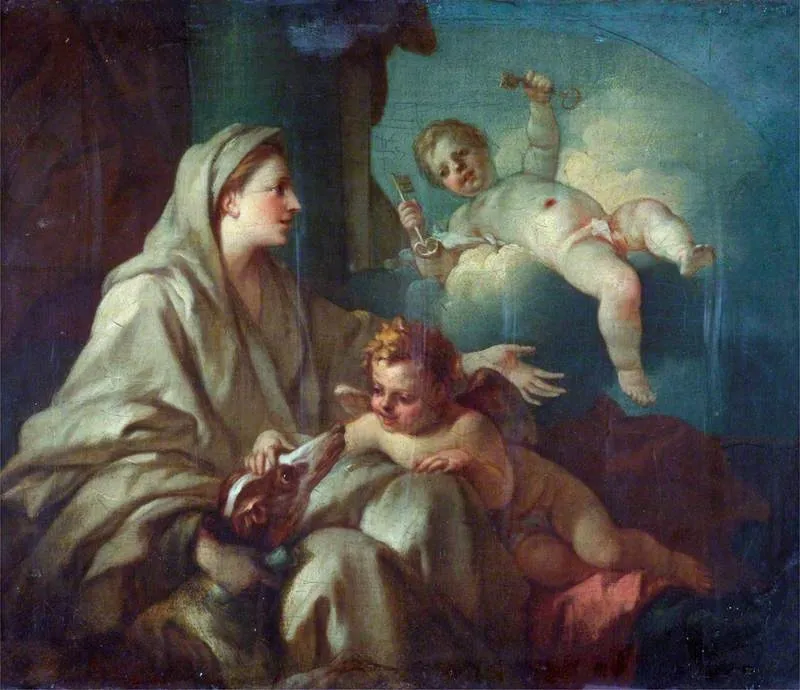
An Allegory: Fidelity is an oil painting by the French Classical Baroque artist Pierre-Jacques Cazes. It dates from 1700 and is held in the collection of the Victoria and Albert Museum.
About this work
Overview
Created in 1700 by French painter Pierre‑Jacques Cazes, *An Allegory: Fidelity* is an oil on canvas work that exemplifies the French Classical Baroque style. The composition presents a seated woman in a hooded robe accompanied by two cherubic figures, embodying an allegorical theme of fidelity.
Subject & Meaning
The central female figure holds a mask and gazes toward one of the cherubs, suggesting a dialogue between concealment and truth. The second cherub hovers above, clutching a key and a heart, symbols traditionally associated with loyalty and the unlocking of affection, reinforcing the painting’s moral narrative.
Technique & Style
Cazes employs oil paint to achieve subtle gradations of light and shadow, lending the scene a three‑dimensional presence. The calm demeanor of the woman contrasts with the lively gestures of the cherubs, while the controlled chiaroscuro highlights the textures of the drapery and the delicate flesh tones.
History & Provenance
The work is part of the permanent collection of the Victoria and Albert Museum in London. Cazes, active in the early eighteenth century, was also a teacher to later French artists such as François Boucher and Jean‑Siméon Chardin, linking the painting to a broader pedagogical lineage.
Context
During the turn of the eighteenth century, French art favored allegorical subjects that conveyed moral virtues through classical motifs. Cazes’ choice of fidelity as a theme reflects contemporary interest in personal virtue, while the inclusion of cherubs aligns with the period’s fascination with mythological iconography.
Artist & collection
Artist
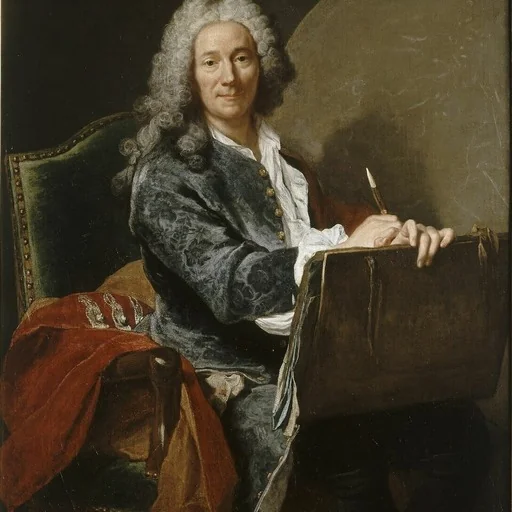
Pierre-Jacques Cazes (1676 – 25 June 1754) was a French painter who specialized in religious and mythological subjects. He also taught several other French artists including François Boucher and Jean-Siméon Chardin.

 An Allegory
 Maria mit Kind, Johannesknaben und Engeln
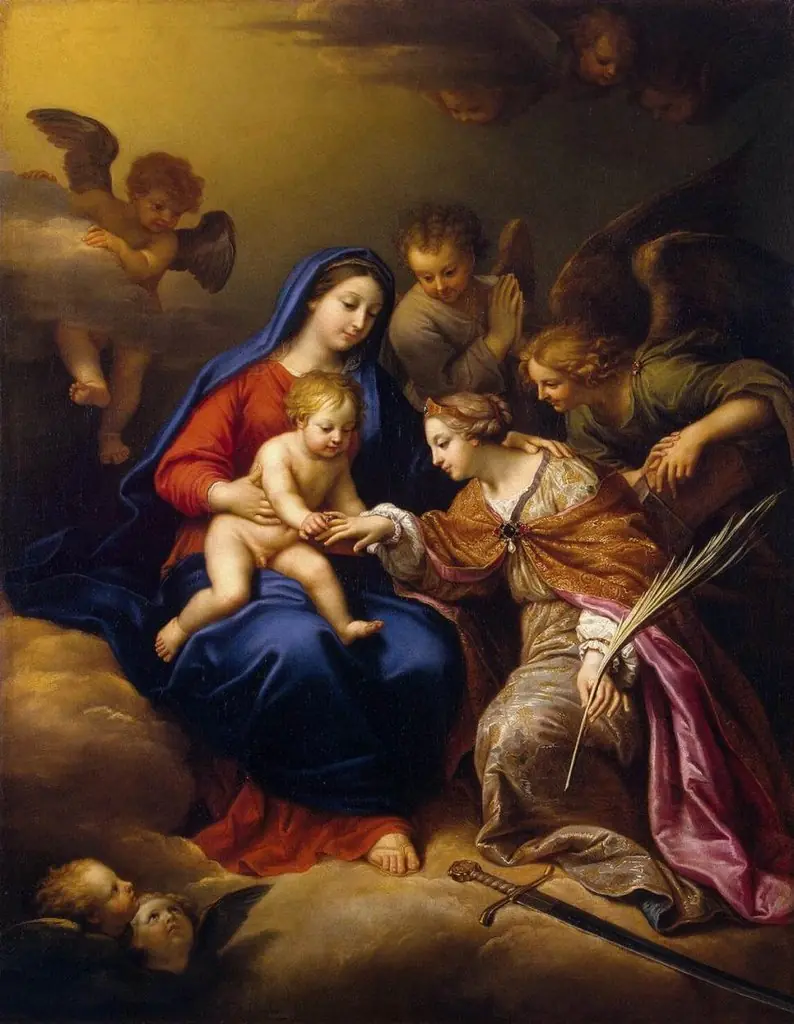 Le Mariage mystique de sainte Catherine (Mystic Marriage of St Catherine)
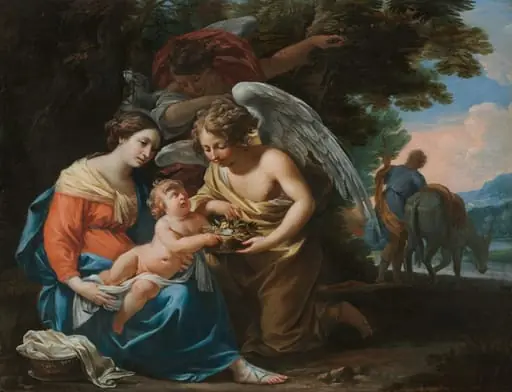 Rest on the Flight into Egypt
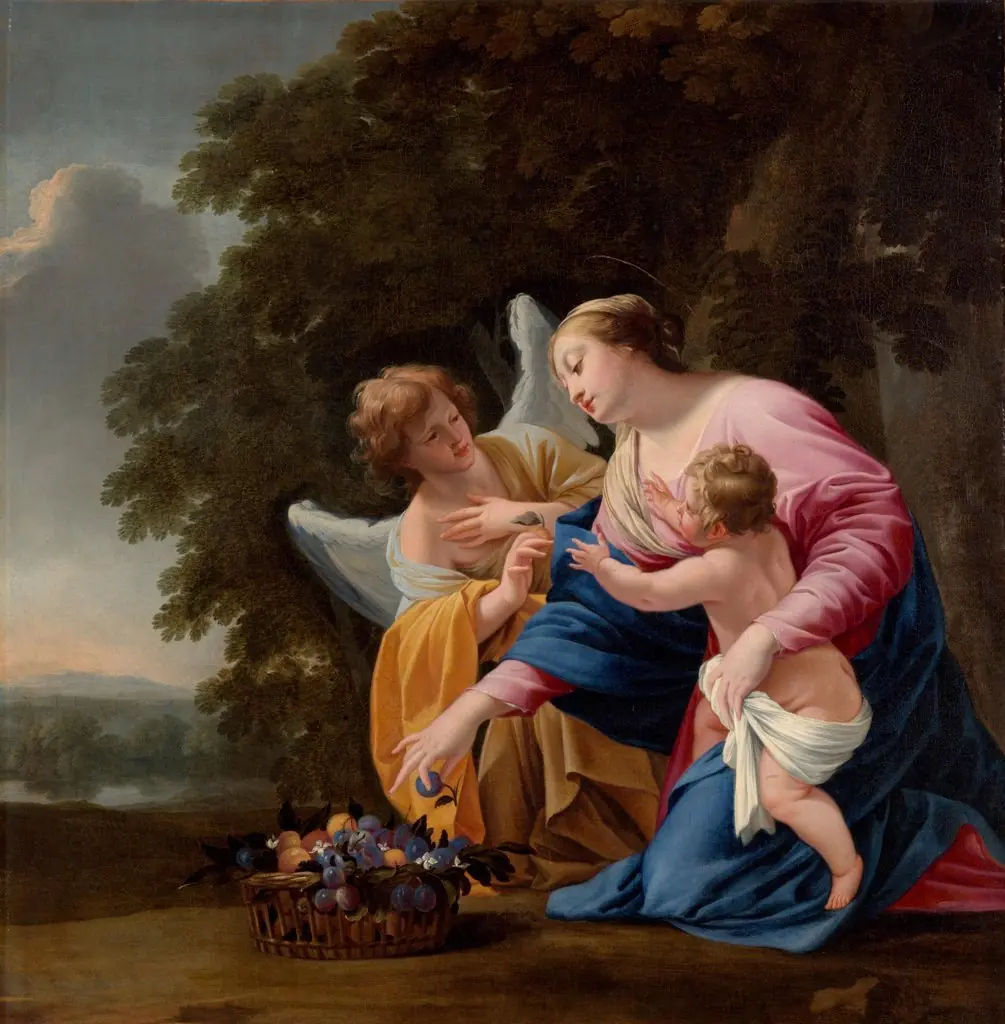 Virgin and Child, with an Angel
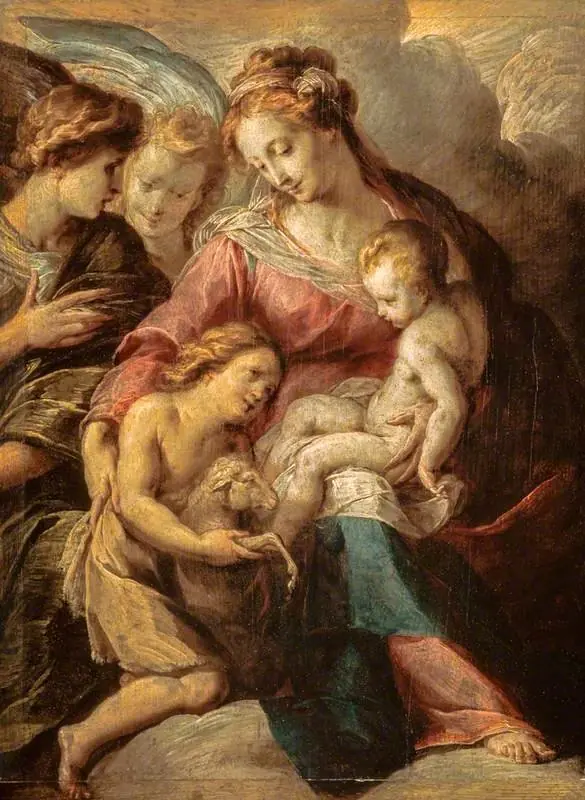 The Virgin and Child with the Infant Saint John and Attendant Angels
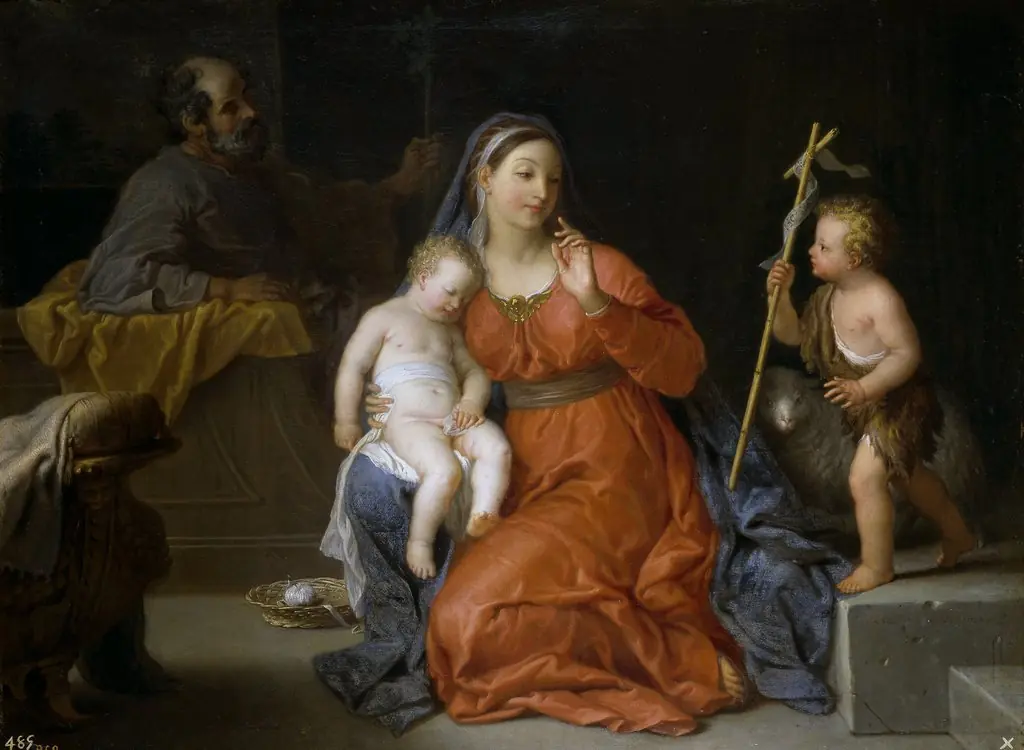 The Holy Family with the Infant Saint John the Baptist
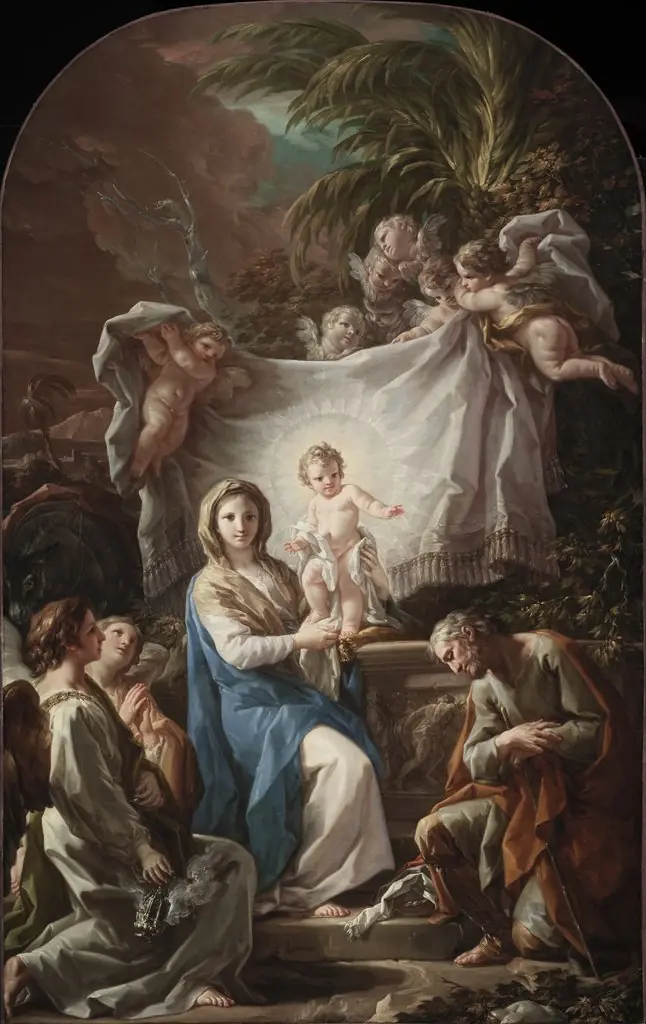 Rest on the Flight into Egypt
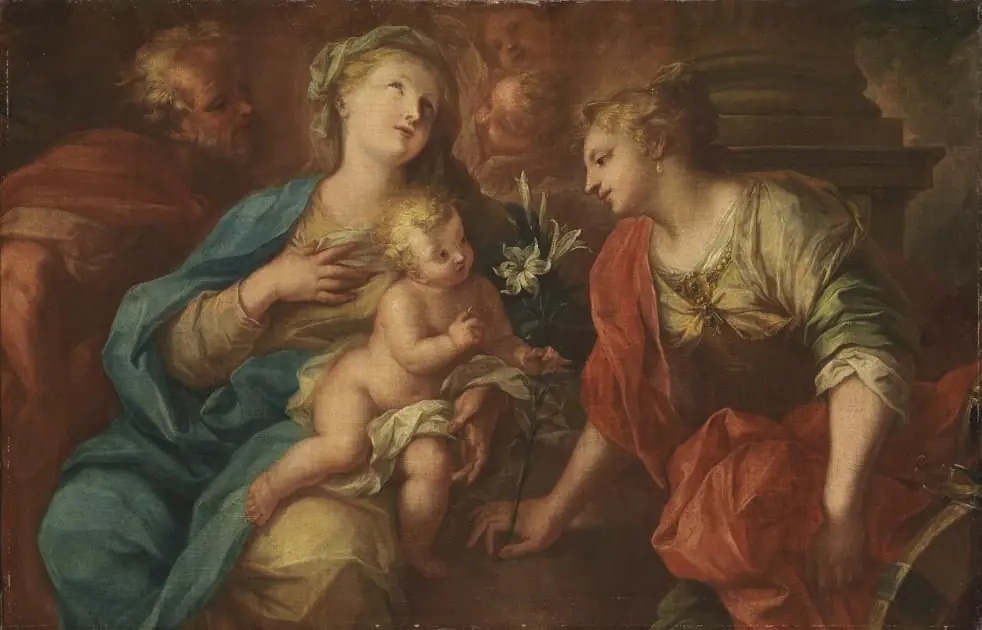 Die mystische Vermählung der hl. Katharina
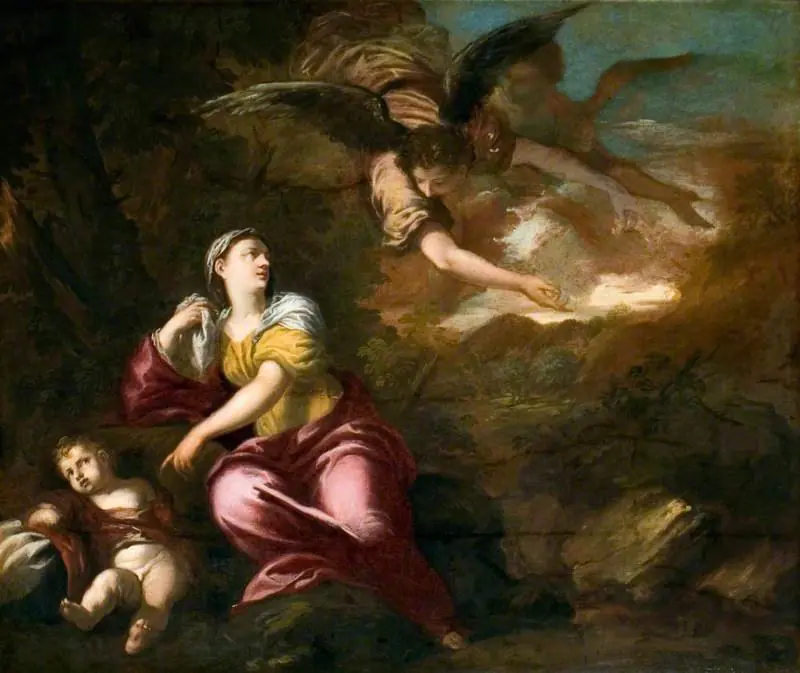 Hagar and Ishmael in the Wilderness (Genesis 21.17)
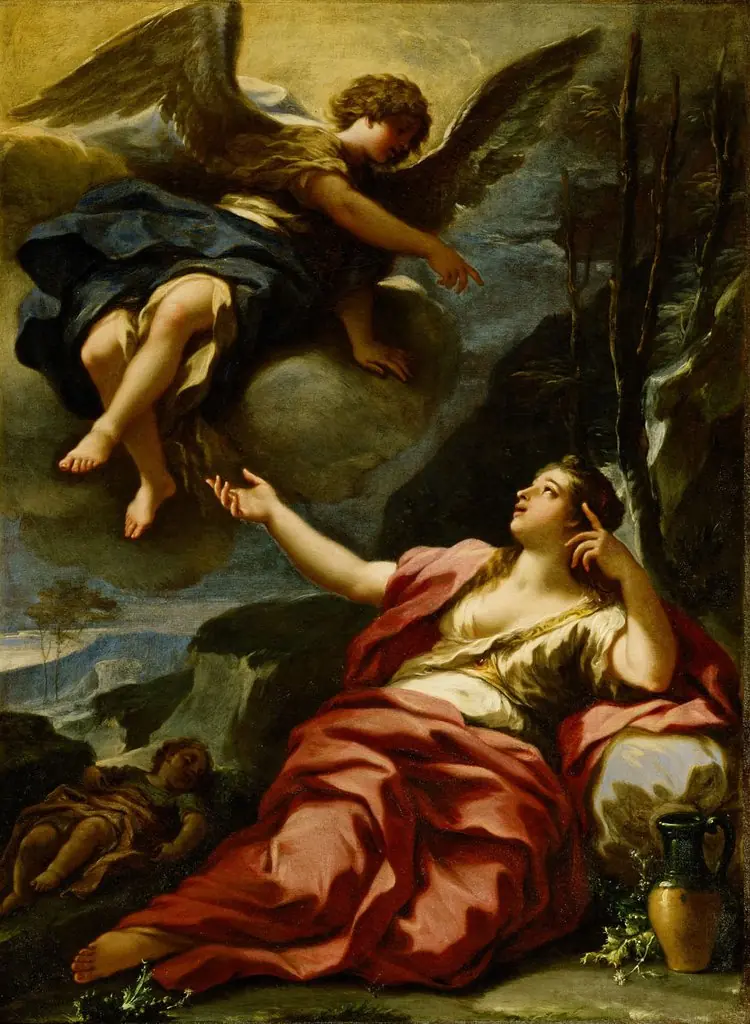 The angel appears to Hagar in the desert
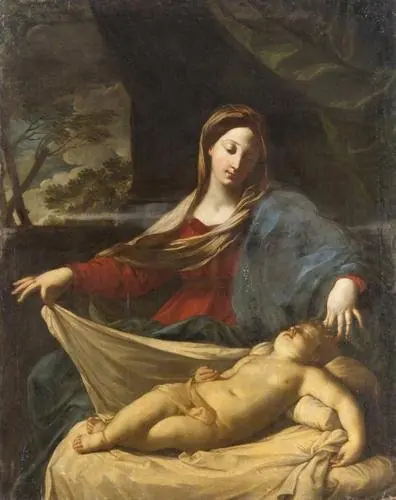 Maria mit Kind