Artwork
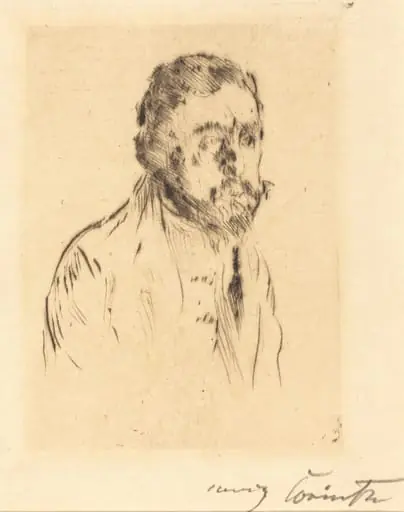
Self-Portrait [recto]
![Self-Portrait [recto], by Paul Cezanne, graphite, 1881](https://artifactworldgallery.com/img/paul-cezanne--self-portrait-recto--d76a05e14030ebd2-w1024.webp)
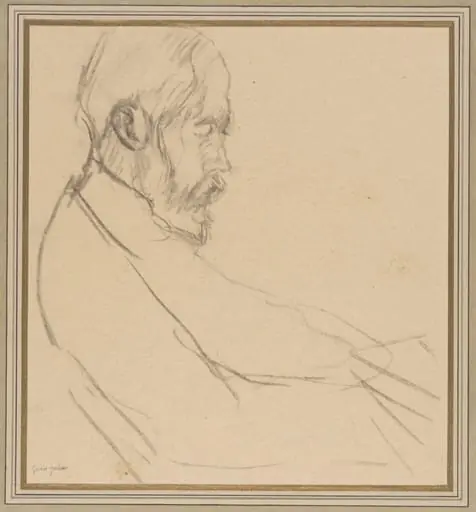
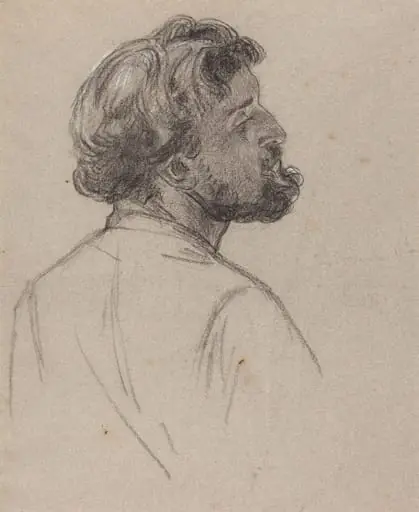
Self-Portrait [recto] is a graphite drawing by the Impressionist artist Paul Cezanne. It dates from 1881 and is held in the collection of the National Gallery of Art. This graphite drawing on wove paper, dated around 1881, is a candid, unfinished portrait by Paul Cézanne.
About this work
Overview
This graphite drawing on wove paper, dated around 1881, is a candid, unfinished portrait by Paul Cézanne.
This graphite drawing on wove paper, dated around 1881, is a candid, unfinished portrait by Paul Cézanne. Executed as a sketchbook study, it captures the artist’s own profile with minimal refinement. The lines are energetic and unpolished, suggesting rapid observation rather than deliberate composition. The paper’s aged yellow tone and worn edges reflect its use as a working document, not a finished piece.
Subject & Meaning
The subject is Cézanne himself, depicted in profile with a turned gaze that subtly engages the viewer. His short, unruly hair and uneven beard convey a sense of unvarnished presence. The lack of idealization signals an introspective, almost clinical self-examination. Rather than projecting an image of authority, the sketch reveals the artist in a moment of quiet, unguarded reflection.
Technique & Style
Cézanne employs rapid, discontinuous strokes to define form without relying on tonal gradation. The absence of smooth shading emphasizes structure through contour and implied volume. Areas of the face remain deliberately blank, suggesting that the artist prioritized gesture over finish. The technique reflects his broader interest in translating perception into essential marks, not realistic illusion.
History & Provenance
The drawing originates from a sketchbook used by Cézanne during his time in Aix-en-Provence, where he frequently turned to self-portraiture as a means of artistic practice. Its survival as a single page implies it was later removed from the bound volume, likely by the artist or a close associate. Its condition—torn edges, faded graphite—aligns with its role as a private study, not a public work.
Context
Created during a period when Cézanne was distancing himself from Impressionist techniques, this sketch reflects his growing focus on underlying structure and personal vision. While contemporaries pursued fleeting light effects, he sought permanence through form. The roughness of this drawing aligns with his broader rejection of academic polish in favor of direct, experimental mark-making.
Legacy
This sketch exemplifies Cézanne’s belief that art should emerge from sustained observation, not polished finish. Its rawness influenced later modernists who valued process over perfection, including Picasso and Braque. Though unassuming, it stands as a testament to his commitment to seeing—and representing—the world, and himself, with unflinching honesty.
Artist & collection
Artist
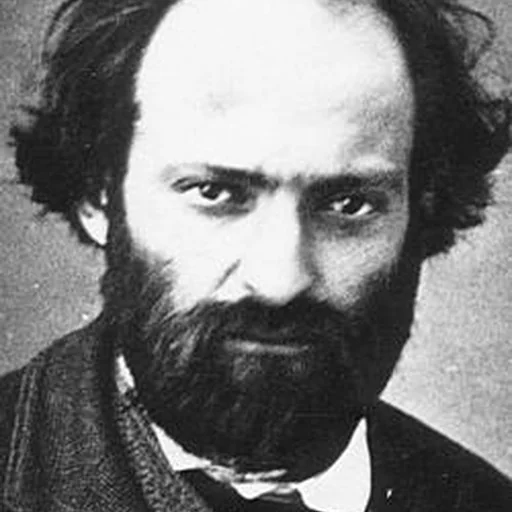
Paul Cézanne was born on January 19, 1839, in Aix-en-Provence, the son of a hatter turned wealthy banker.

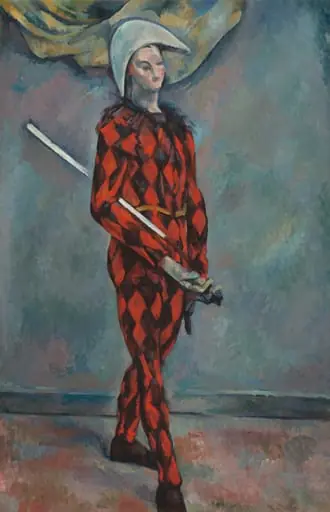 Harlequin
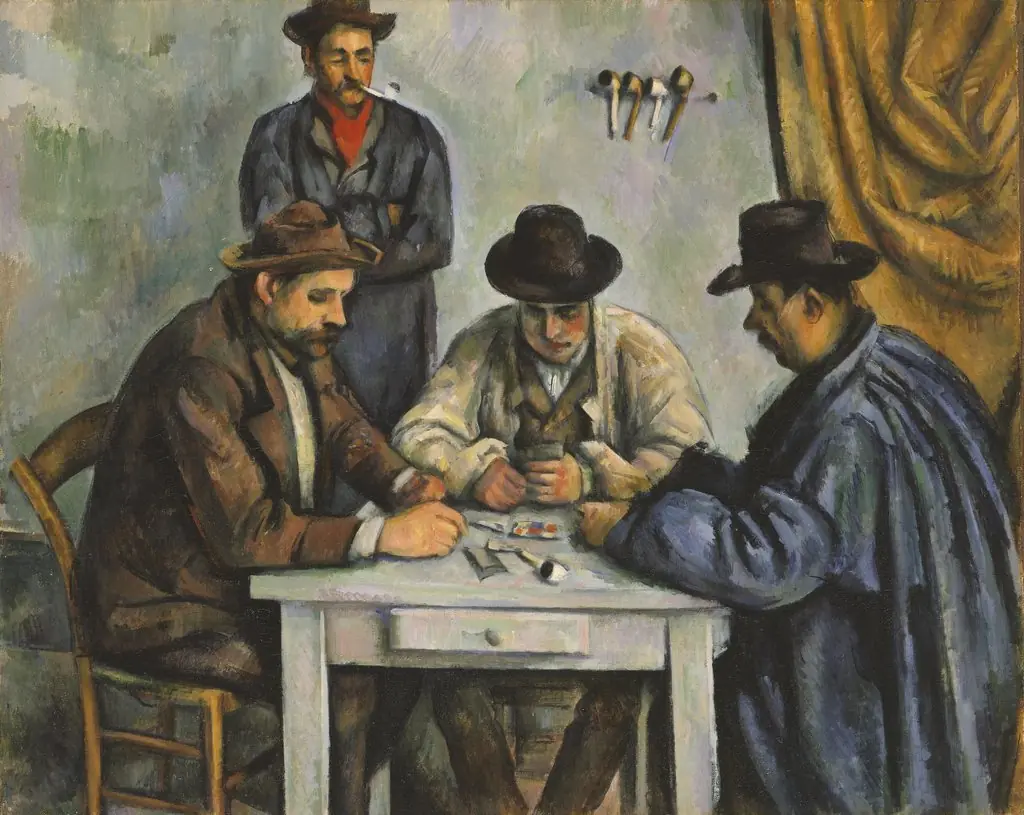 The Card Players
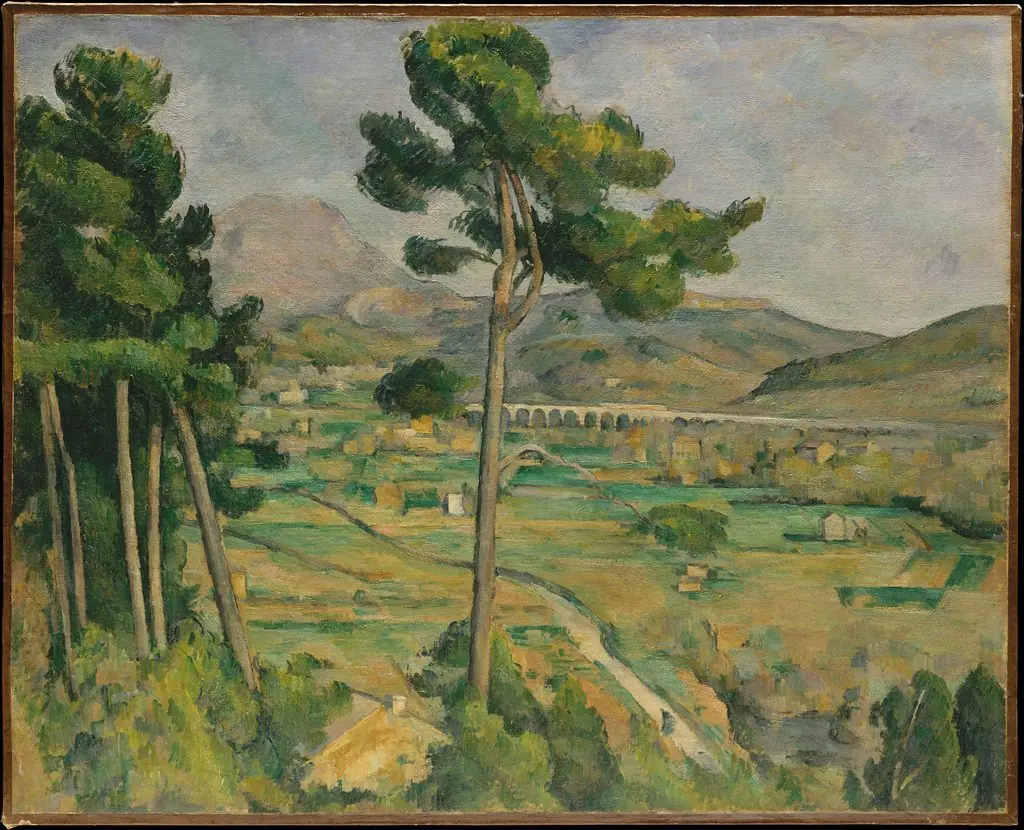 Mont Sainte-Victoire and the Viaduct of the Arc River Valley
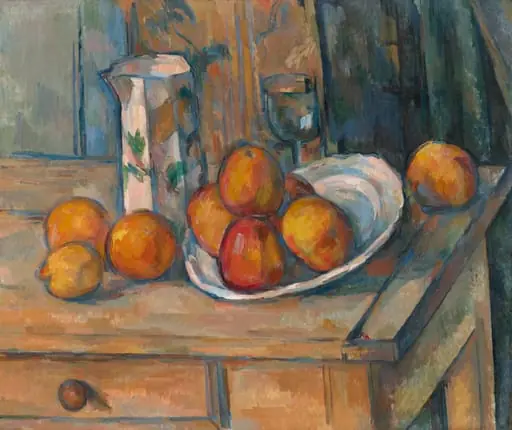 Still Life with Milk Jug and Fruit
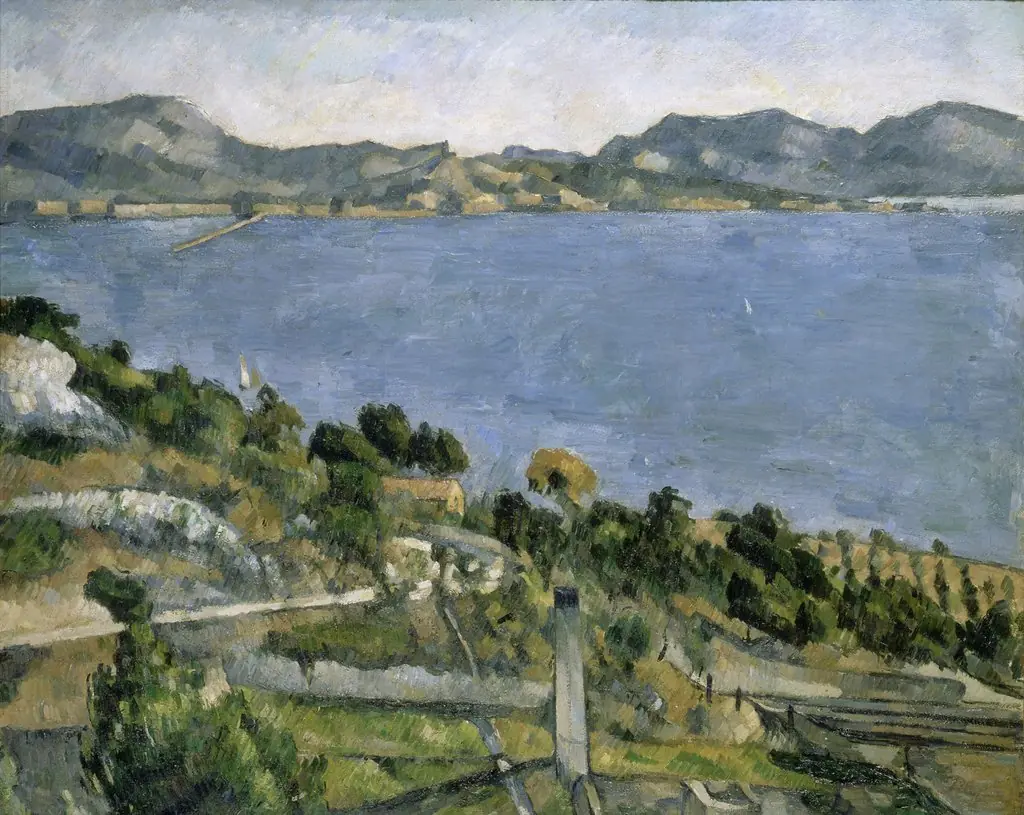 Le Golfe de Marseille vu de l'Estaque (The Gulf of Marseille Seen from L'Estaque)
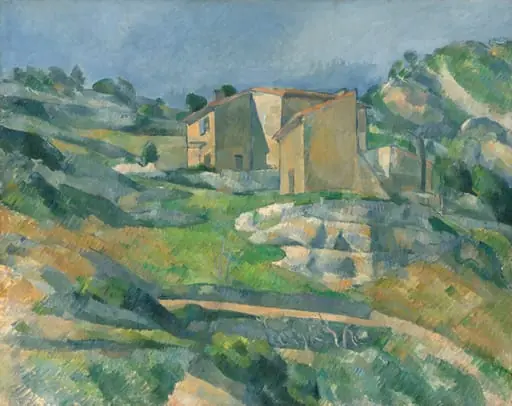 Houses in Provence: The Riaux Valley near L'Estaque
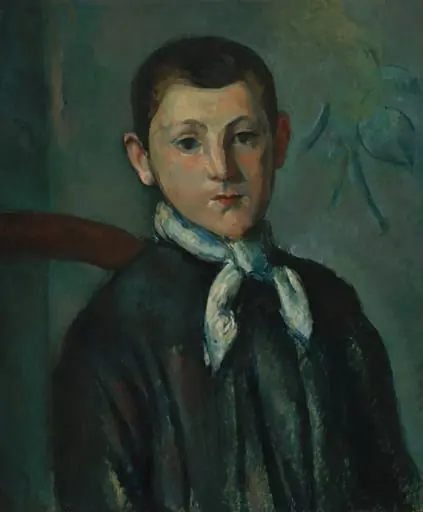 Louis Guillaume
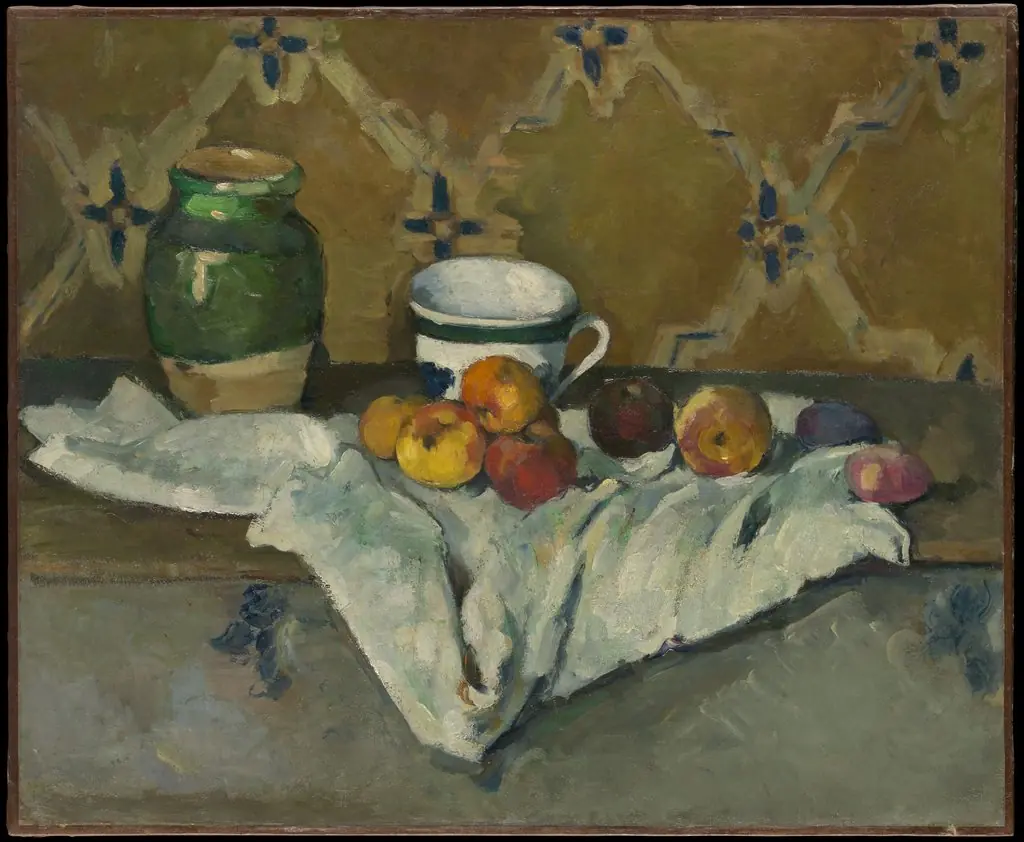 Still Life with Jar, Cup, and Apples