Artwork
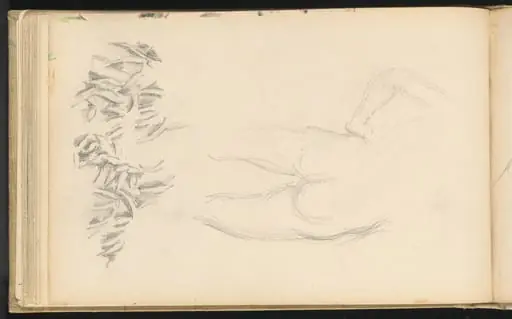
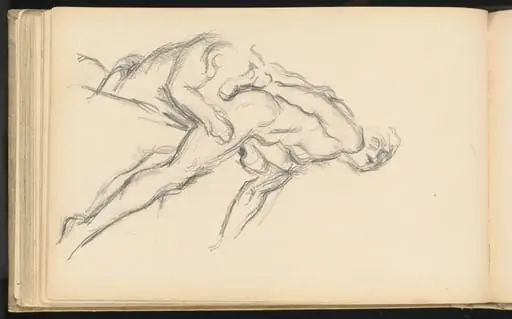
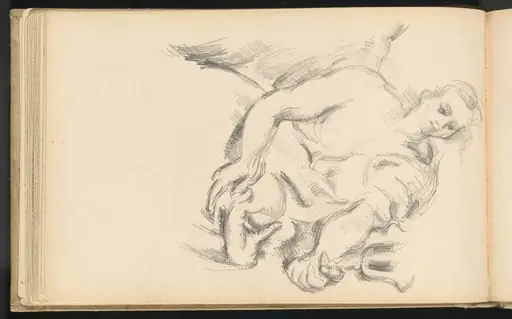
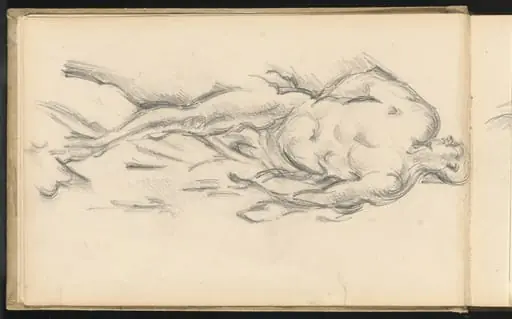
Study of the Allegorical Figure Bellona in Rubens' "The Apotheosis of Henri IV"
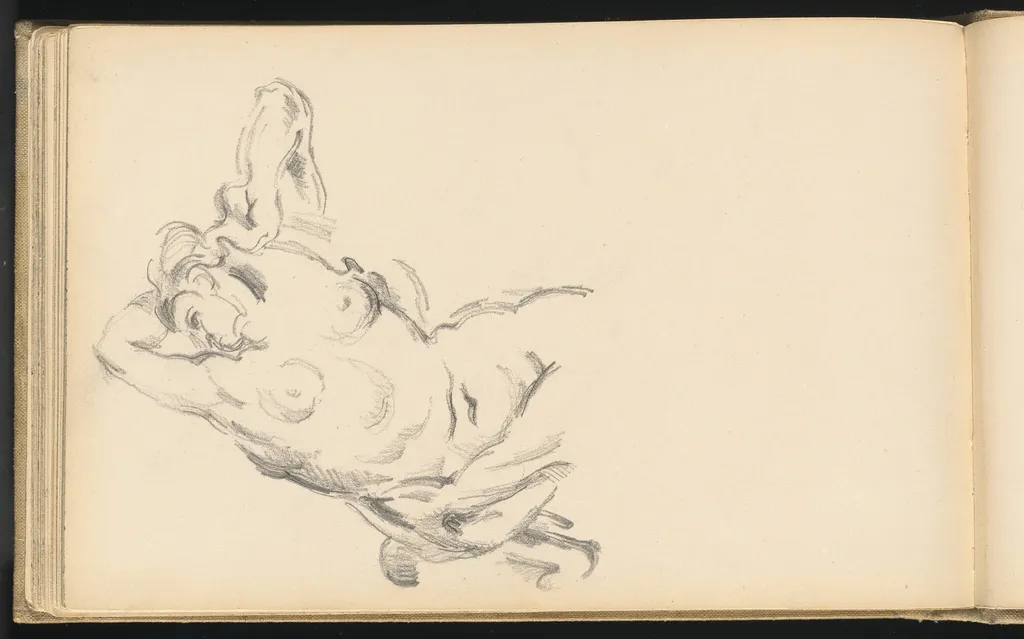
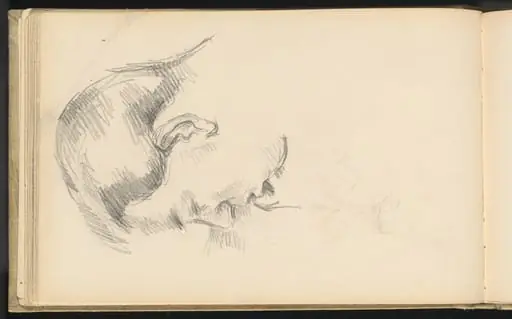
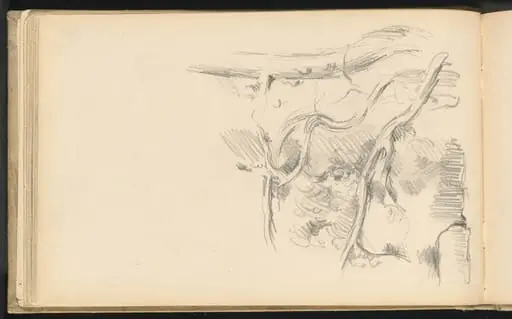
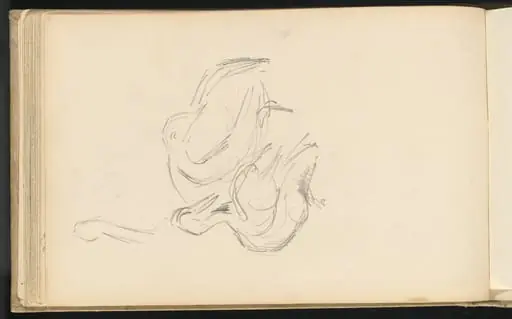
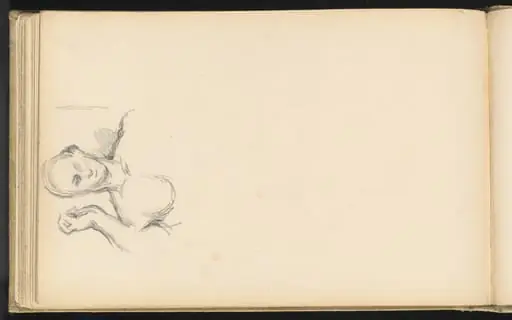
Study of the Allegorical Figure Bellona in Rubens' "The Apotheosis of Henri IV" is a graphite drawing by the Impressionist artist Paul Cezanne. It dates from 1884 and is held in the collection of the National Gallery of Art.
About this work
Overview
This graphite drawing on wove paper, created in 1884, is a study by Paul Cezanne of the allegorical figure Bellona, originally depicted in Rubens' 'The Apotheosis of Henri IV'. The work presents a reclining female figure in a contorted pose, conveying relaxation and vulnerability.
Subject & Meaning
The subject is Bellona, the Roman goddess of war, here rendered in a serene and vulnerable state rather than her traditional fierce demeanor. This interpretation may reflect Cezanne's personal take on the mythological figure.
Technique & Style
Executed in graphite, the drawing showcases Cezanne's use of line and shading to capture the figure's form. The contorted pose and emphasis on volumetric form hint at Cezanne's early explorations of post-Impressionist techniques.
History & Provenance
Created in 1884, this drawing is part of Cezanne's studies of classical and Renaissance art, specifically engaging with Rubens' baroque composition 'The Apotheosis of Henri IV'.
Context
This work situates itself within Cezanne's broader practice of studying masterpieces to inform his own innovative approach to figure representation and spatial composition.
Legacy
As one of Cezanne's lesser-known studies, it provides insight into his creative process and his dialogue with the artistic past, influencing subsequent modernist engagements with classical themes.
Artist & collection
Artist
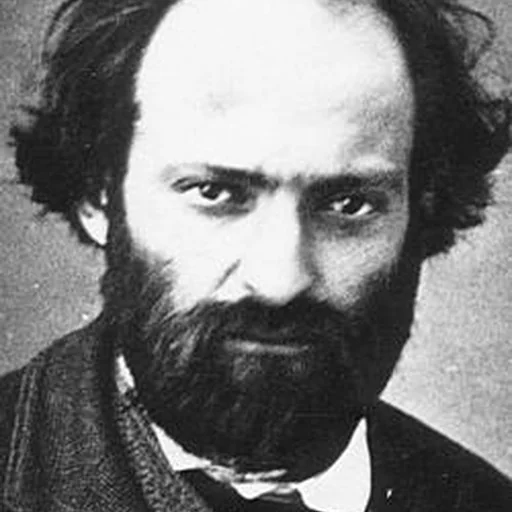
Paul Cézanne was born on January 19, 1839, in Aix-en-Provence, the son of a hatter turned wealthy banker.

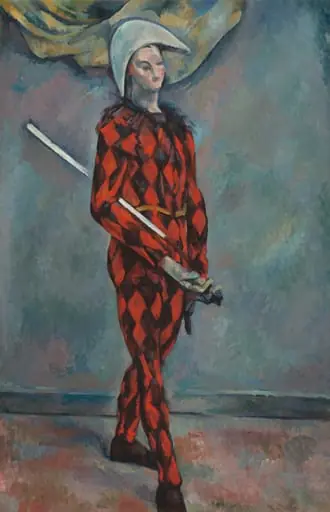 Harlequin
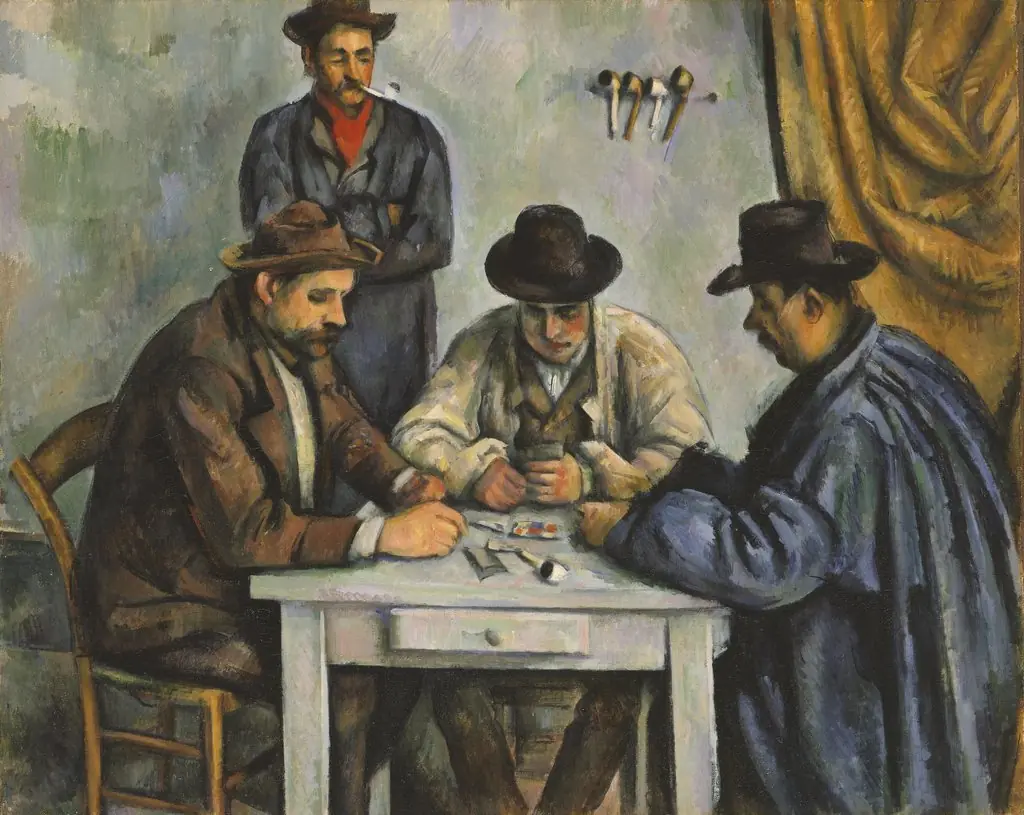 The Card Players
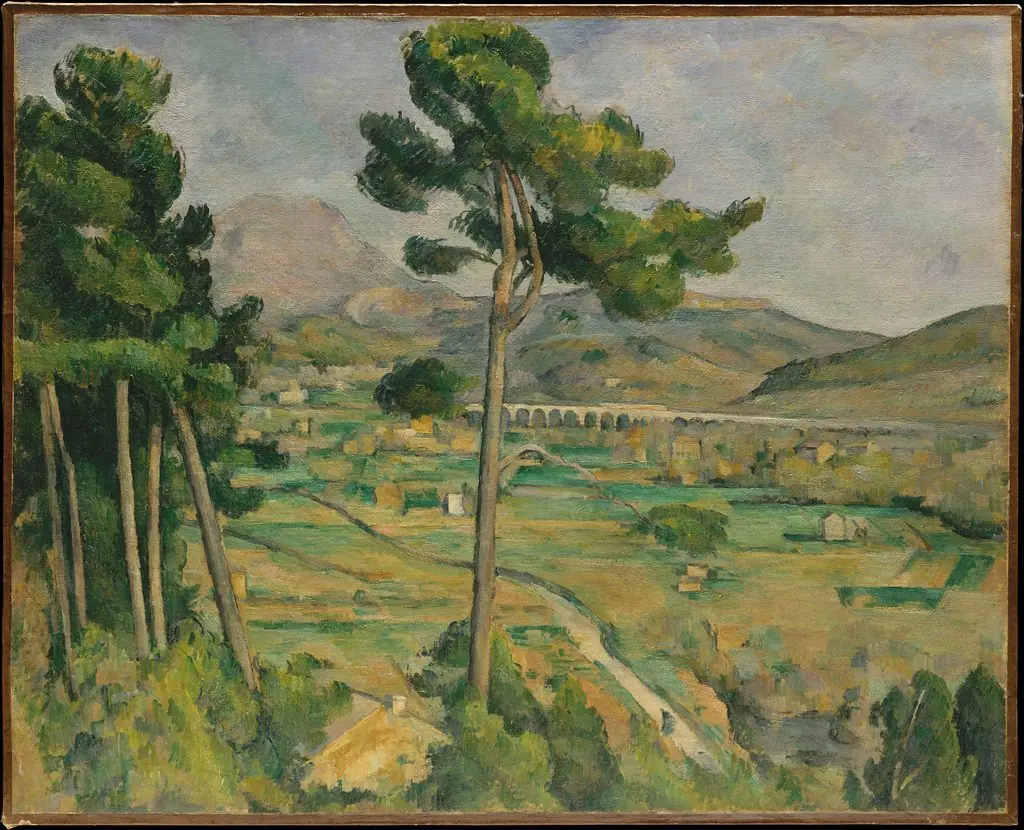 Mont Sainte-Victoire and the Viaduct of the Arc River Valley
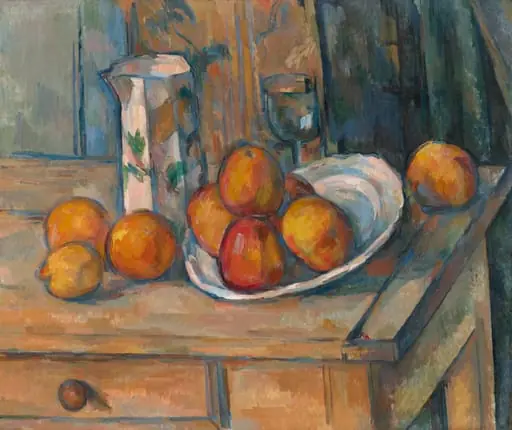 Still Life with Milk Jug and Fruit
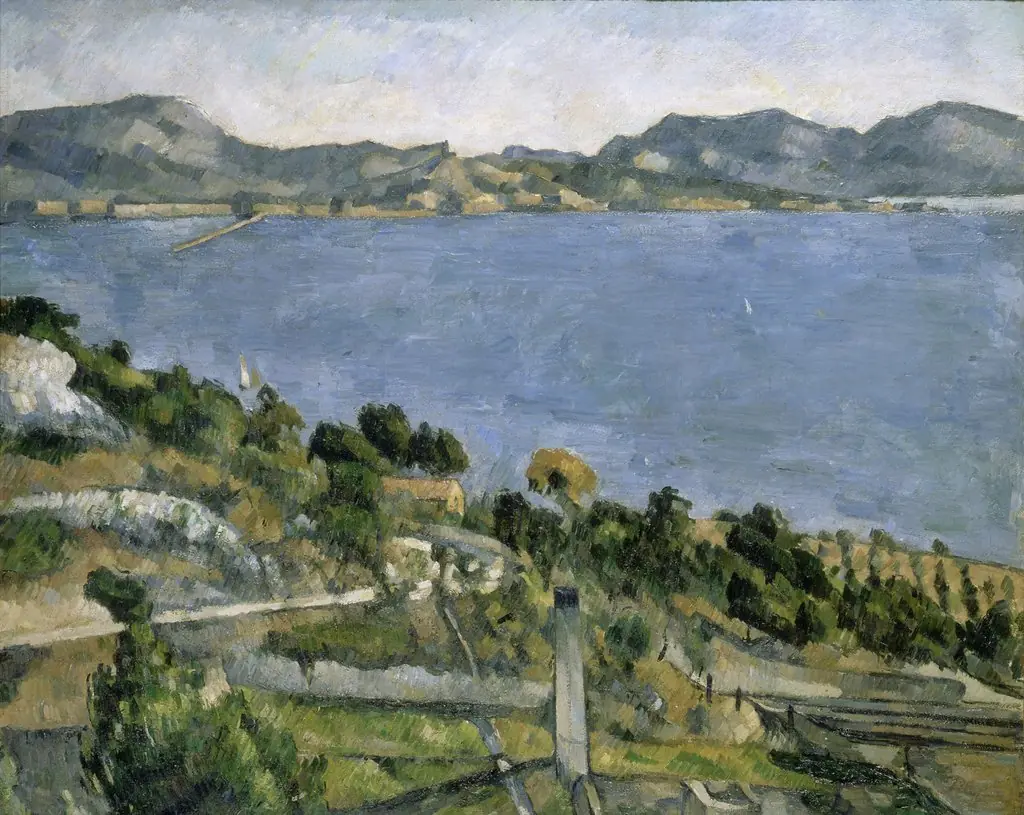 Le Golfe de Marseille vu de l'Estaque (The Gulf of Marseille Seen from L'Estaque)
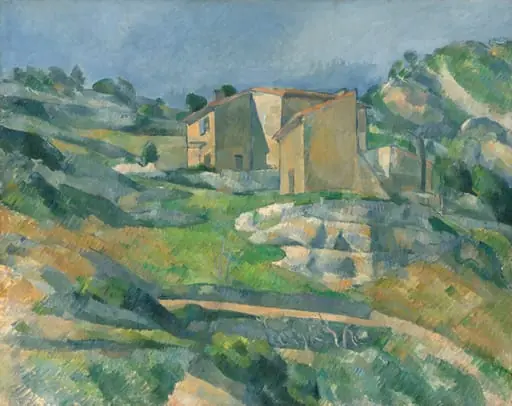 Houses in Provence: The Riaux Valley near L'Estaque
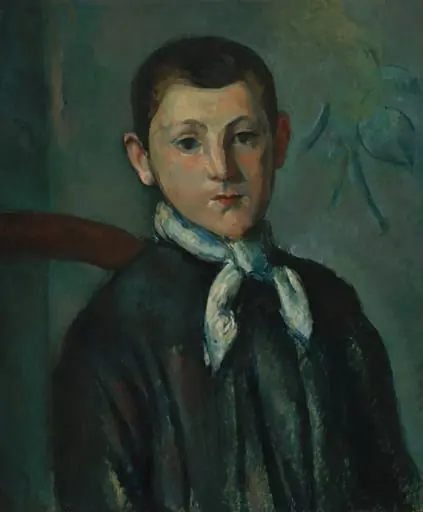 Louis Guillaume
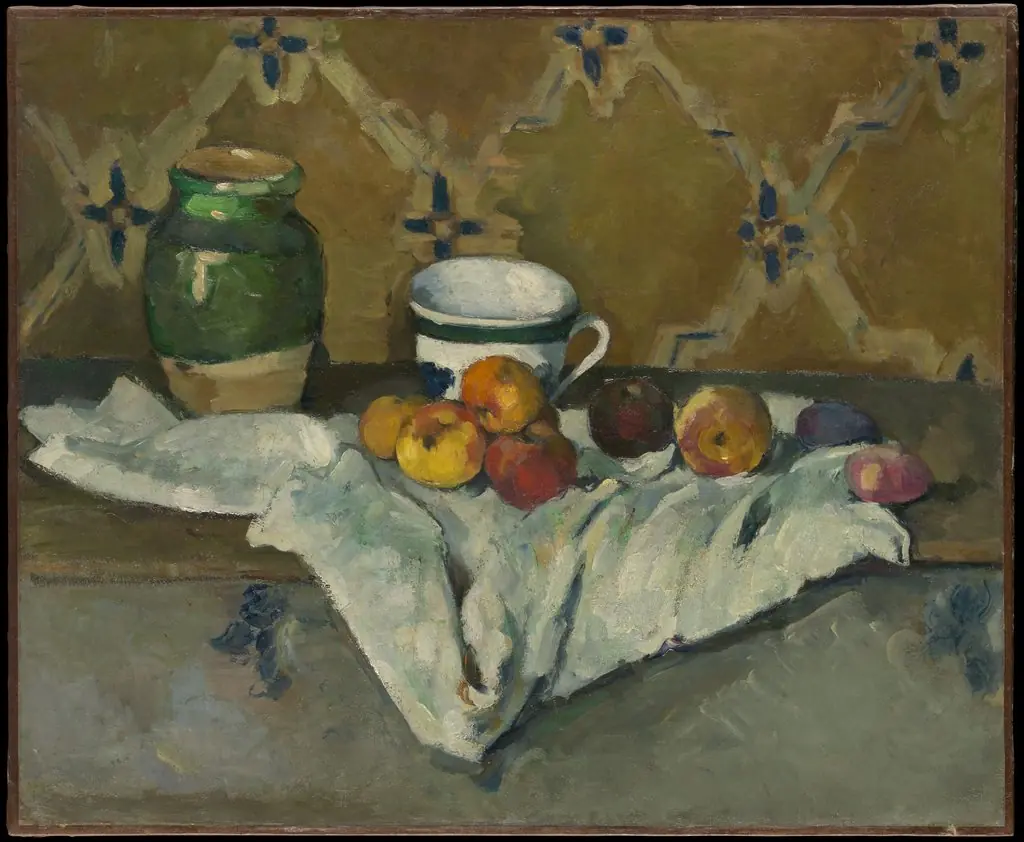 Still Life with Jar, Cup, and Apples