Artwork
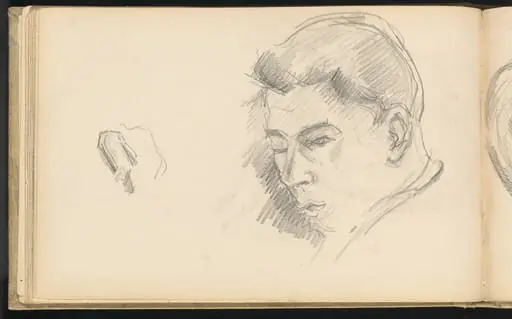
Head of the Artist's Son
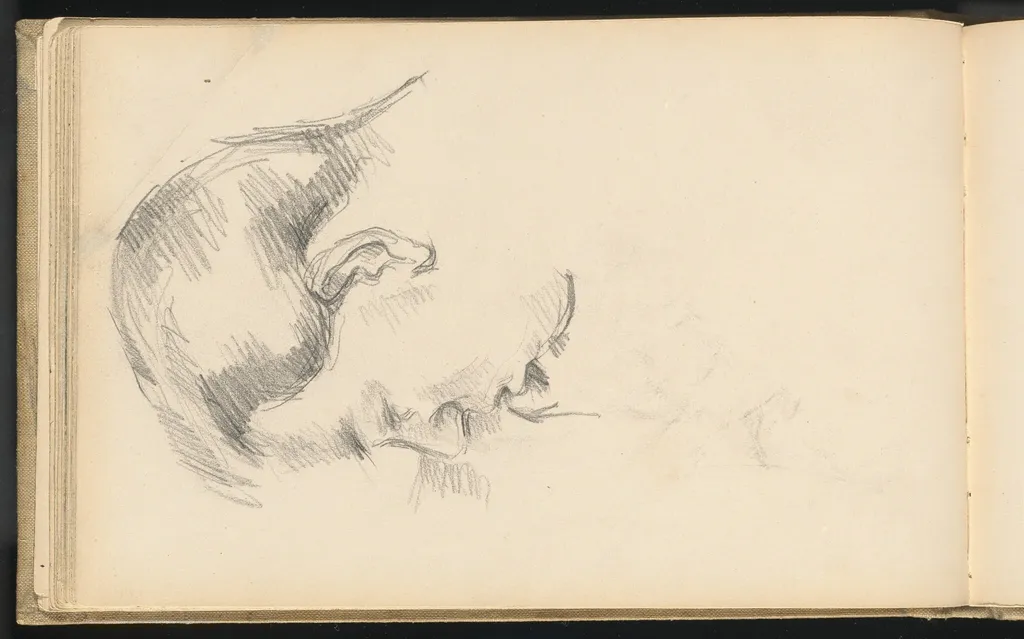
Head of the Artist's Son is a graphite drawing by the Impressionist artist Paul Cezanne. It dates from 1888 and is held in the collection of the National Gallery of Art. Created in 1888, this graphite drawing by Paul Cézanne depicts the head of his son, Paul, rendered on wove paper.
About this work
Overview
Created in 1888, this graphite drawing by Paul Cézanne depicts the head of his son, Paul, rendered on wove paper.
Created in 1888, this graphite drawing by Paul Cézanne depicts the head of his son, Paul, rendered on wove paper. The composition is intimate and restrained, focusing solely on the contours and tonal shifts of the boy’s face. The subject’s closed eyes and composed posture suggest a moment of quiet stillness, characteristic of Cézanne’s approach to portraiture as a study of form rather than expression.
Subject & Meaning
The subject is Cézanne’s eldest son, Paul, who frequently served as a model during this period. The closed eyes and neutral expression remove any sense of narrative or emotion, directing attention instead to the structure of the skull and the weight of the features. This detachment reflects Cézanne’s interest in the physical presence of the human form, treating the head as a volume to be analyzed rather than a personality to be revealed.
Technique & Style
Cézanne employed bold, deliberate pencil strokes to define planes of the face, using varying pressure to create a full range of grays. Shadows beneath the brow and along the jaw are rendered with dense hatching, while the forehead and cheekbones remain lighter, suggesting volume through contrast rather than outline. The lines are controlled yet fluid, avoiding ornamentation in favor of structural clarity, a hallmark of his mature style.
History & Provenance
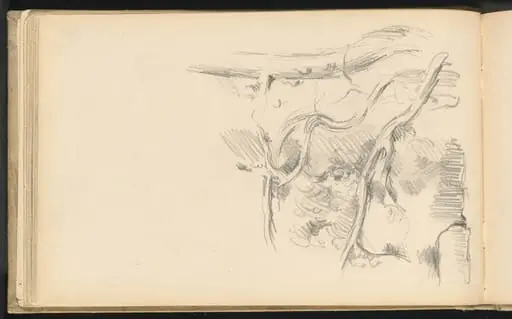
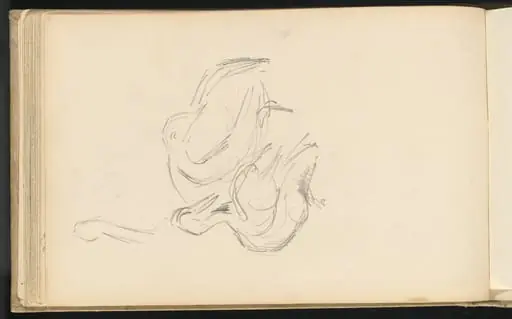
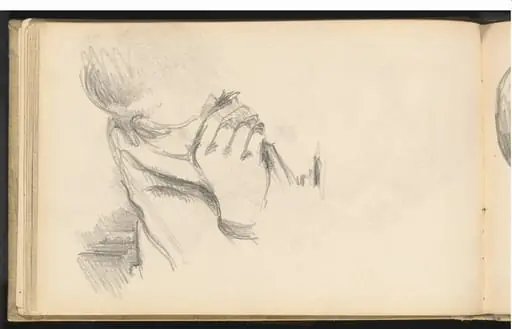
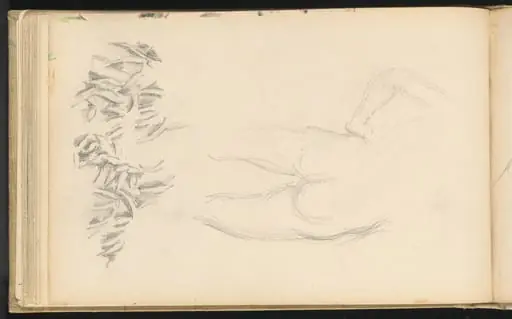
The drawing originates from a sketchbook Cézanne used during his time in Aix-en-Provence, where he lived with his family. It remained within the artist’s possession until his death in 1906, after which it passed to his heirs. Its preservation among personal papers underscores its role as a private study rather than a public work, offering insight into his daily artistic practice.
Context
Made during a period when Cézanne was increasingly focused on geometric structure and spatial relationships, this drawing aligns with his broader shift away from Impressionist spontaneity toward a more analytical approach. While contemporaries like Monet captured fleeting light, Cézanne sought enduring form—here, reducing the human head to its essential volumes, anticipating the formal concerns of later modernists.
Legacy
This drawing exemplifies Cézanne’s influence on 20th-century art through its emphasis on structure over sentiment. Artists such as Picasso and Braque studied such works to understand how form could be deconstructed and rebuilt. Though modest in scale and medium, the piece contributed to a new visual language that prioritized the architecture of perception over illusionistic representation.
Artist & collection
Artist
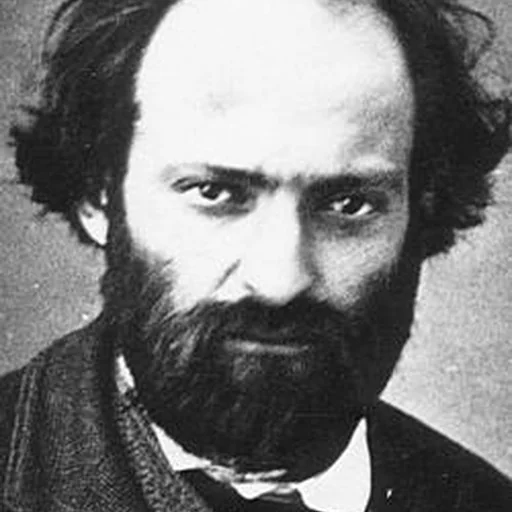
Paul Cézanne was born on January 19, 1839, in Aix-en-Provence, the son of a hatter turned wealthy banker.

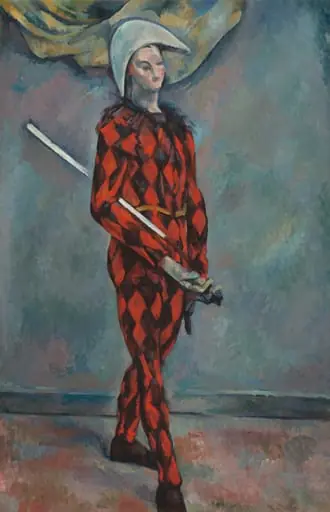 Harlequin
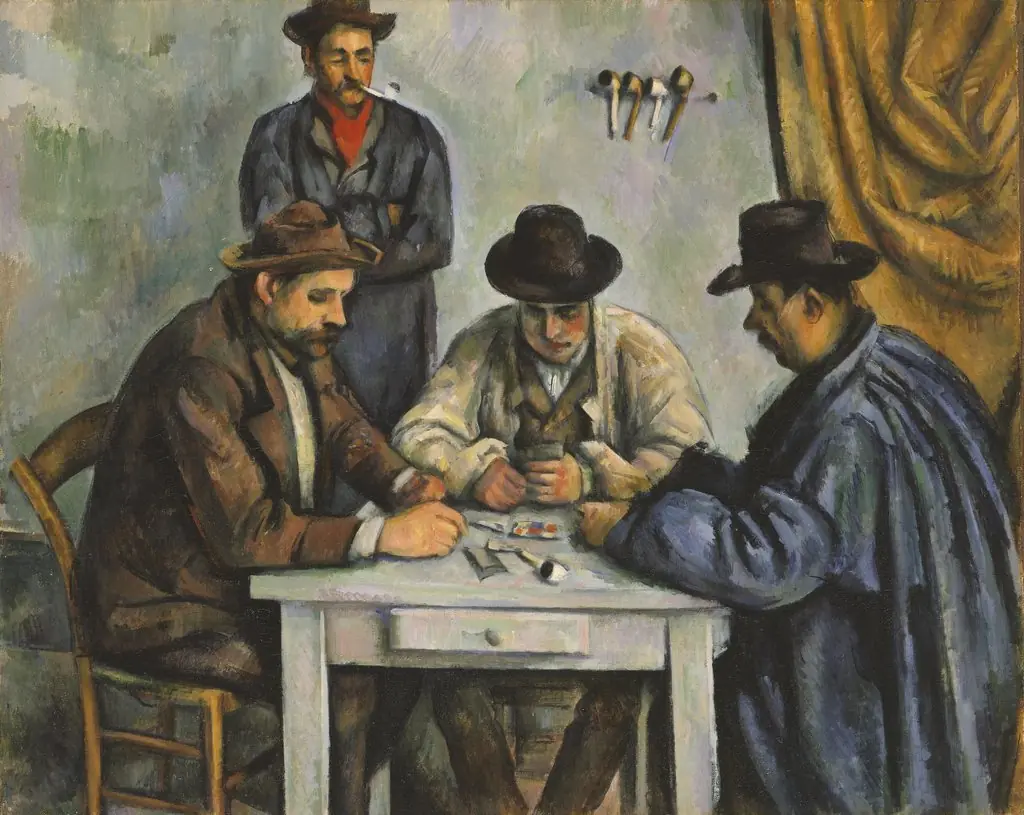 The Card Players
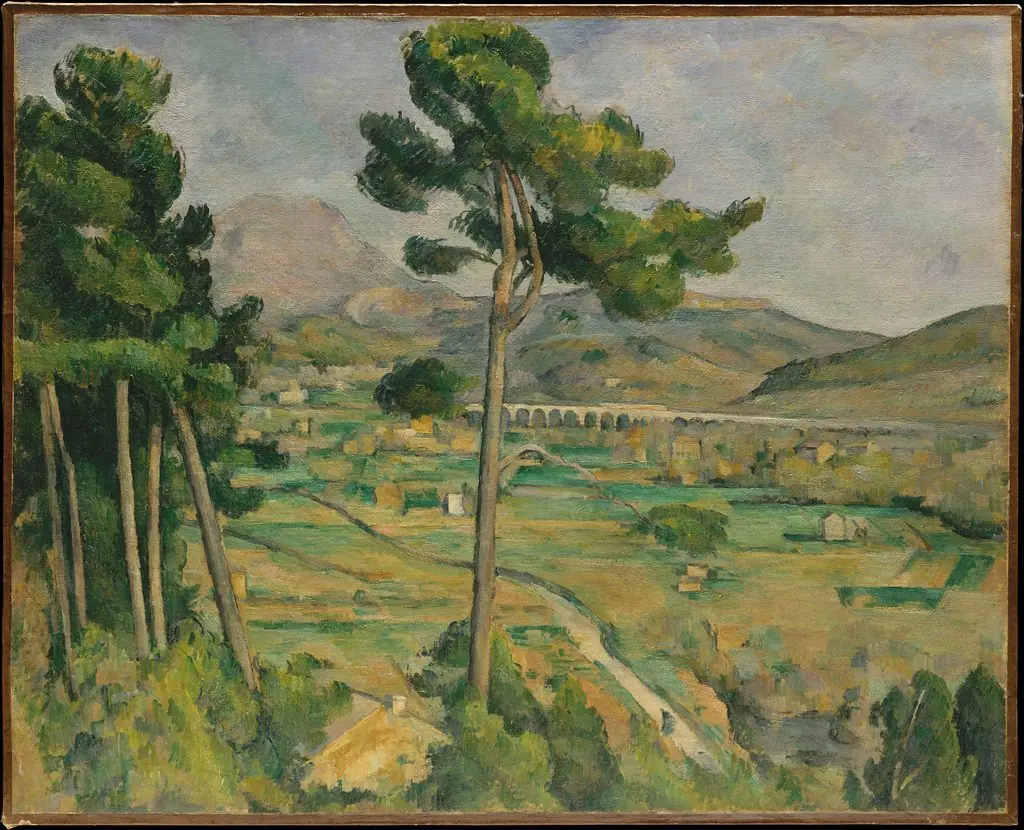 Mont Sainte-Victoire and the Viaduct of the Arc River Valley
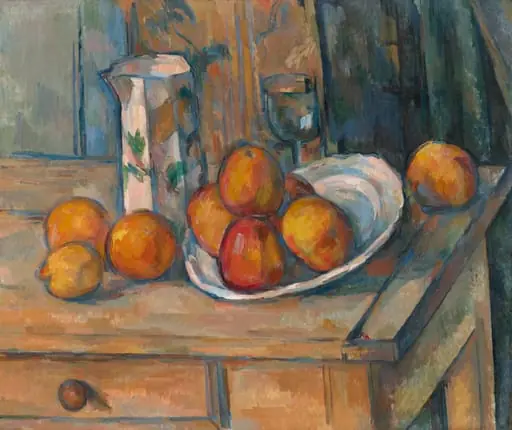 Still Life with Milk Jug and Fruit
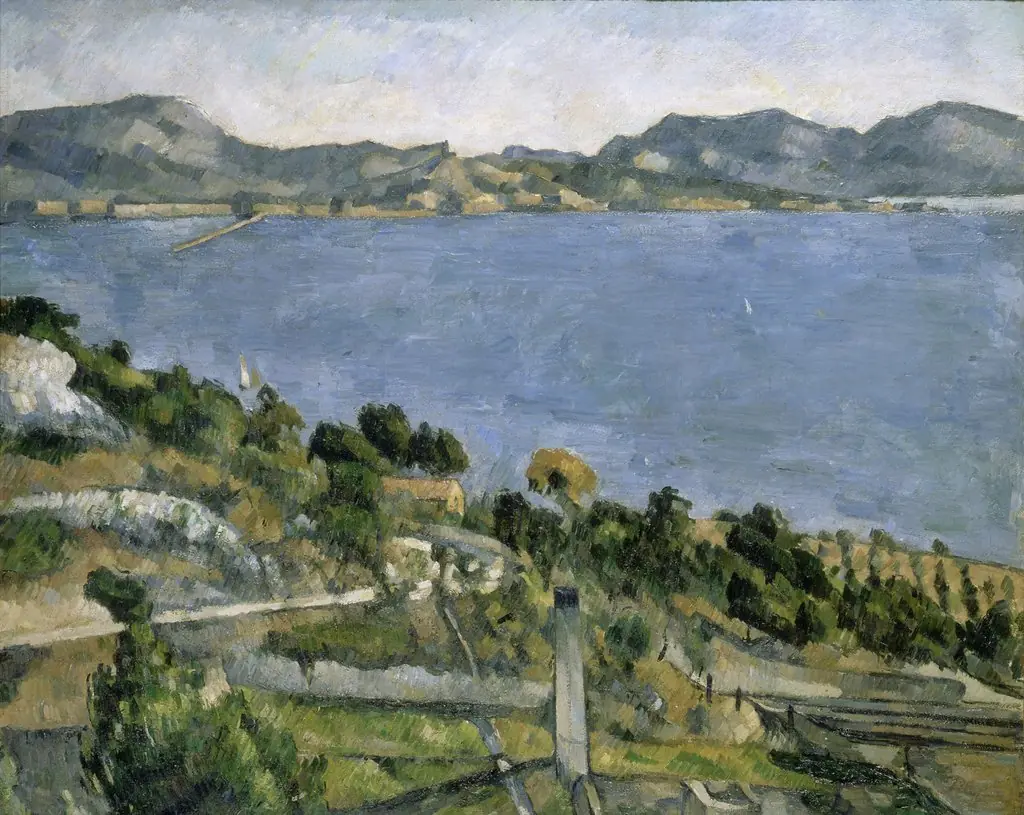 Le Golfe de Marseille vu de l'Estaque (The Gulf of Marseille Seen from L'Estaque)
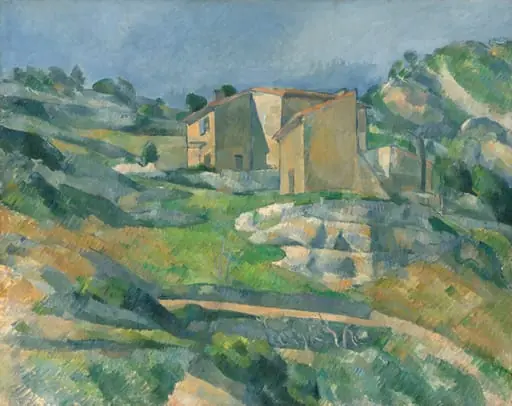 Houses in Provence: The Riaux Valley near L'Estaque
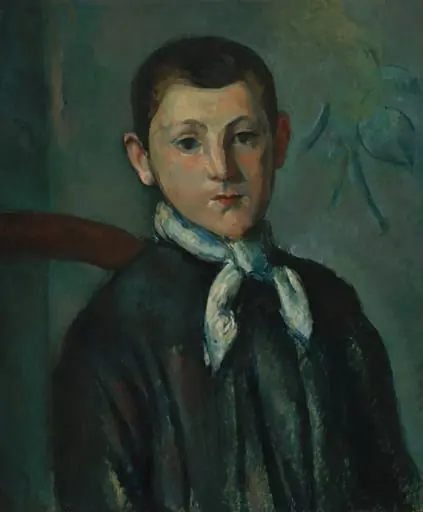 Louis Guillaume
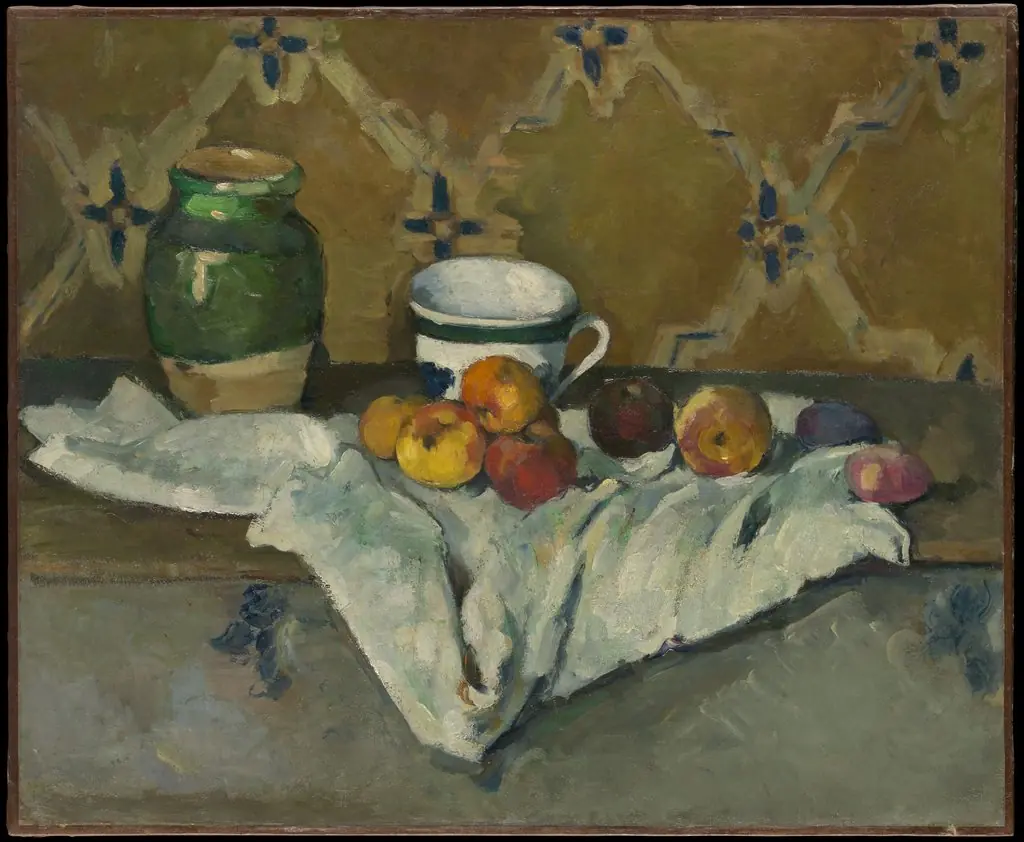 Still Life with Jar, Cup, and Apples