Artwork
Pelicans
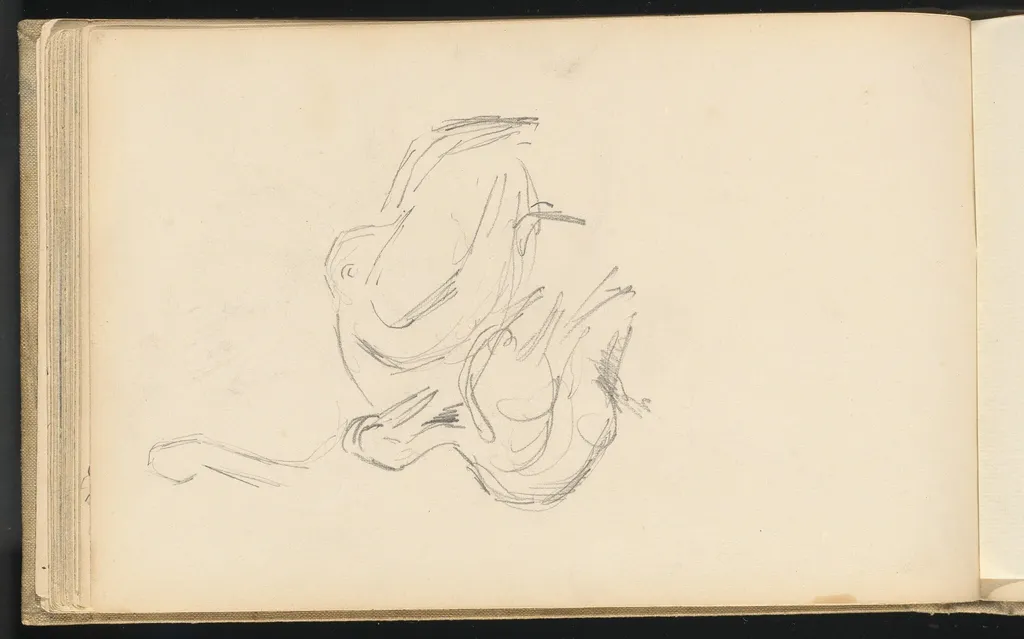
Pelicans is a graphite drawing by the Impressionist artist Paul Cezanne. It dates from 1878 and is held in the collection of the National Gallery of Art.
About this work
Overview
Created in 1878, this graphite drawing on wove paper presents a brief study of two pelicans. Rendered with swift, confident strokes, the composition captures the birds in a moment of motion, their bodies contorted and wings outstretched. The work exemplifies an early stage in the artist’s development, emphasizing gesture over detail.
Subject & Meaning
The drawing focuses on the dynamic posture of the pelicans, suggesting a fleeting observation of wildlife. By limiting the depiction to essential lines, the artist conveys the vitality of the birds without narrative embellishment, inviting viewers to consider the immediacy of natural movement rather than a symbolic interpretation.
Technique & Style
Executed in graphite, the piece exploits the medium’s capacity for bold, expressive lines. The choice of wove paper provides a slightly textured surface that interacts with the graphite, enhancing the sense of spontaneity. The sketch’s unfinished quality reflects an emphasis on capturing gesture, a characteristic approach in the artist’s formative period.
History & Provenance
The work dates to the late 1870s, a time when the artist was exploring plein‑air observation and developing a personal visual language. It remains a modest example of his early output, documented in the artist’s catalogue raisonné and held in a private collection, with limited exhibition history.
Artist & collection
Artist
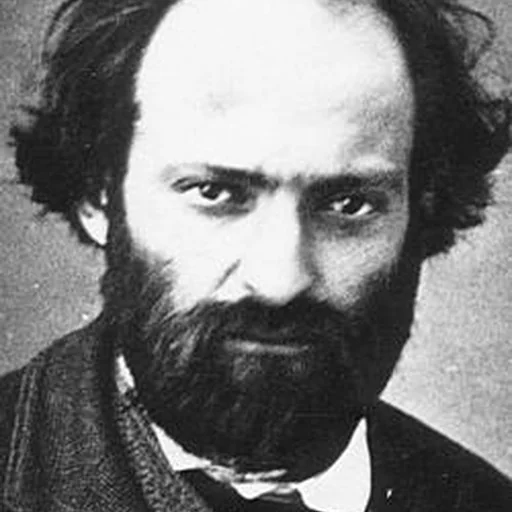
Paul Cézanne was born on January 19, 1839, in Aix-en-Provence, the son of a hatter turned wealthy banker.

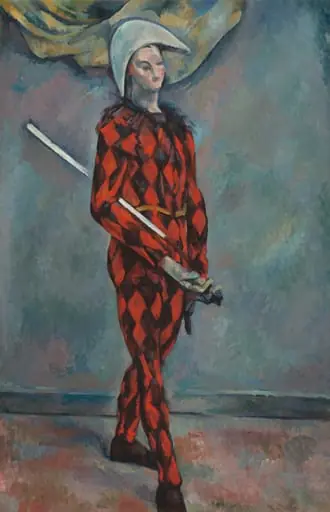 Harlequin
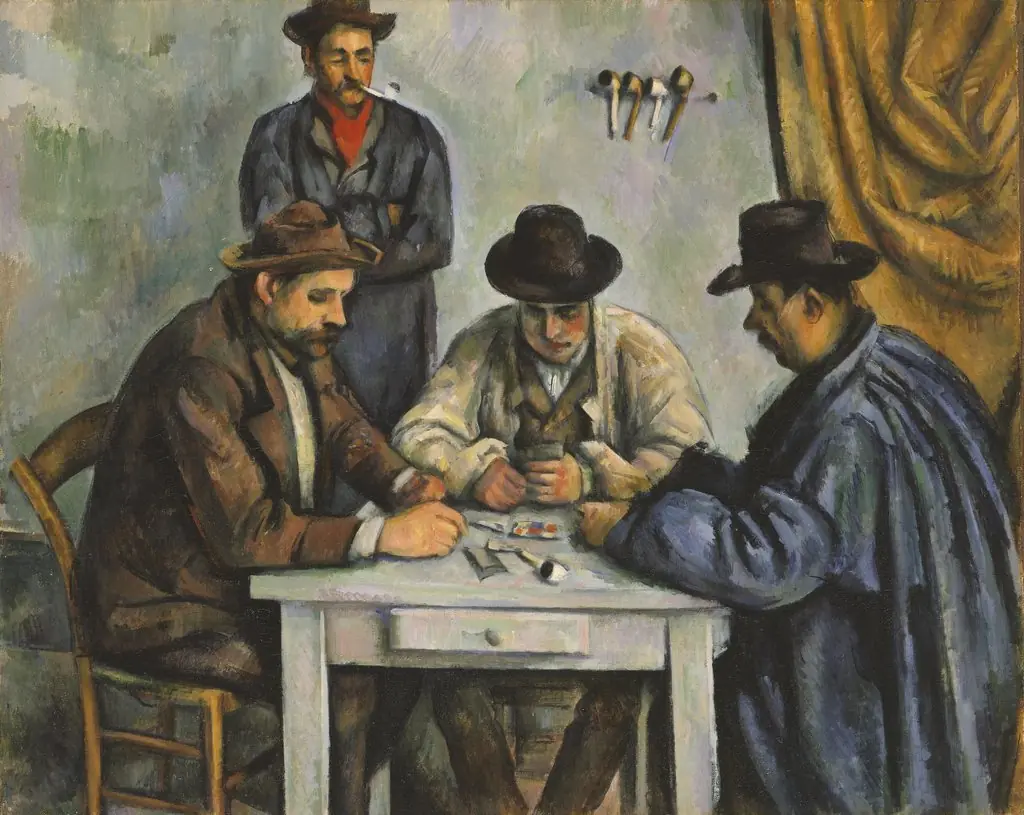 The Card Players
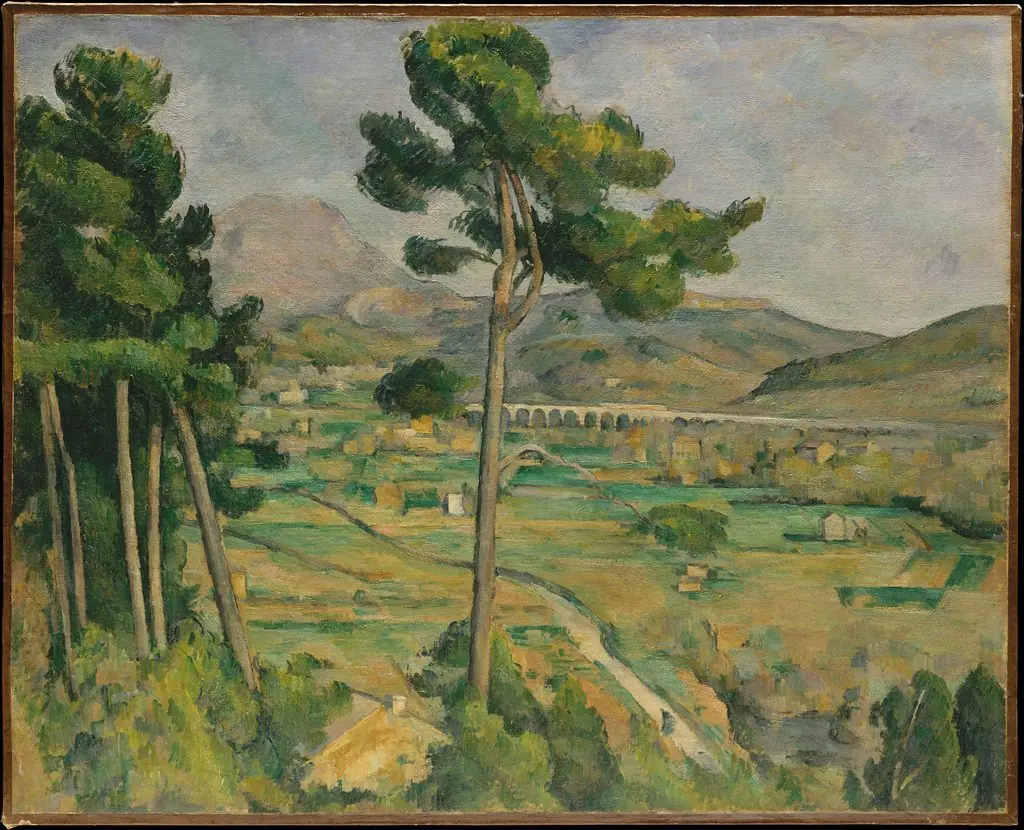 Mont Sainte-Victoire and the Viaduct of the Arc River Valley
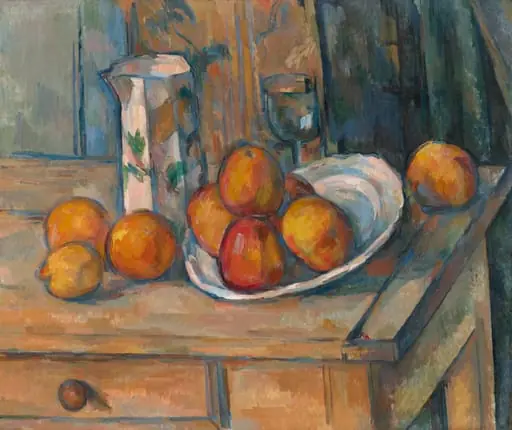 Still Life with Milk Jug and Fruit
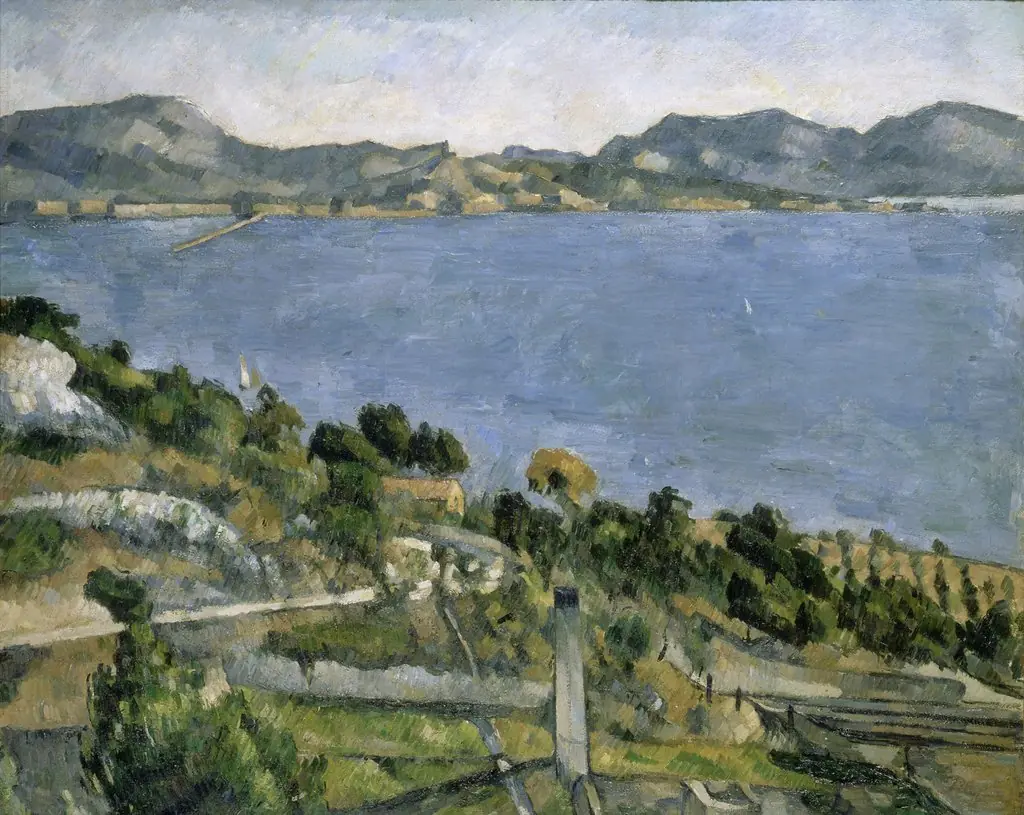 Le Golfe de Marseille vu de l'Estaque (The Gulf of Marseille Seen from L'Estaque)
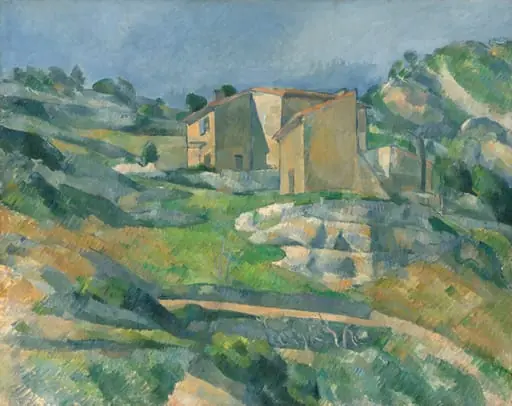 Houses in Provence: The Riaux Valley near L'Estaque
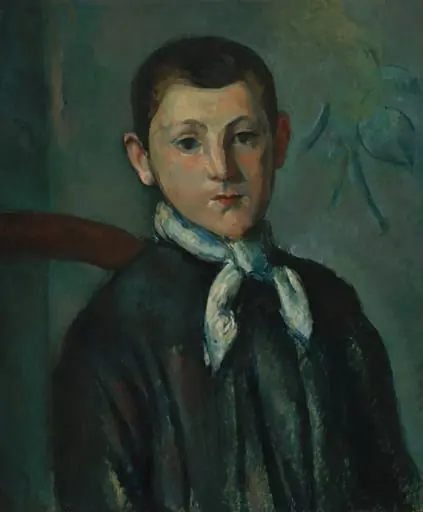 Louis Guillaume
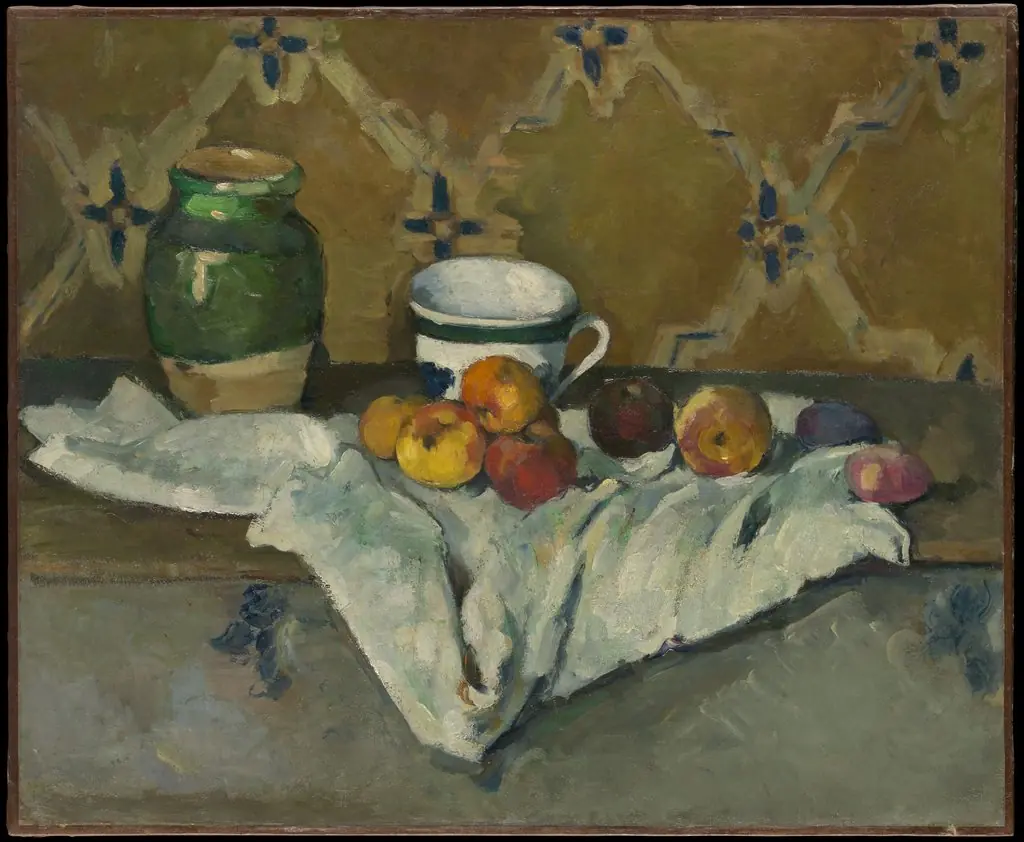 Still Life with Jar, Cup, and Apples
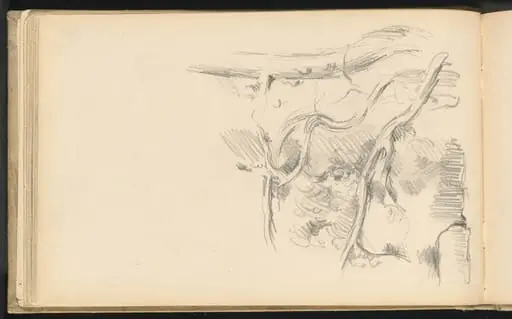 Pine Tree
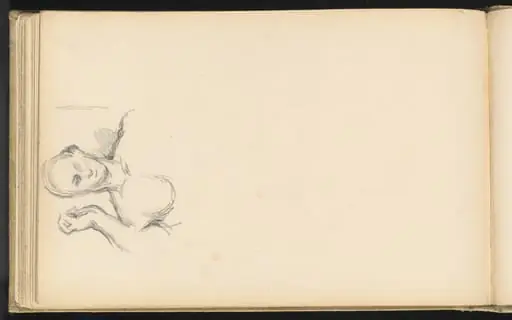 Study of "The Roman Orator (Germanicus)"
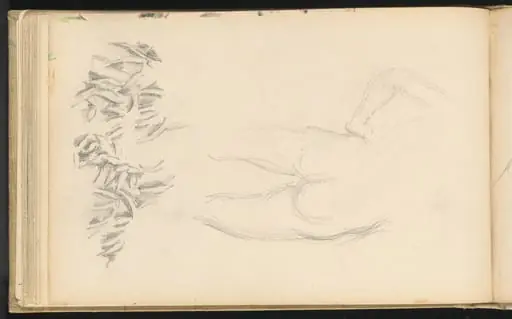 A Nude and Foliage
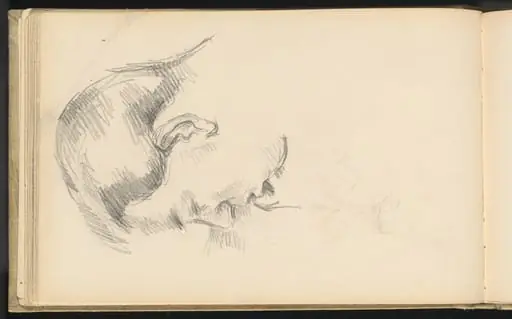 Head of the Artist's Son
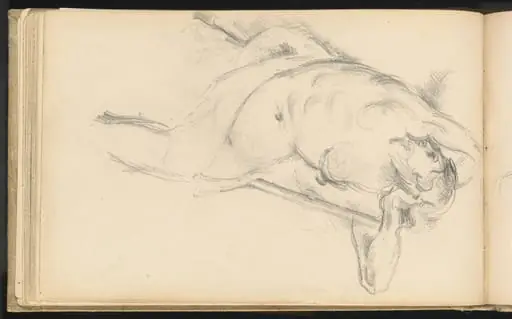 Study of the Allegorical Figure Bellona in Rubens' "The Apotheosis of Henri IV"
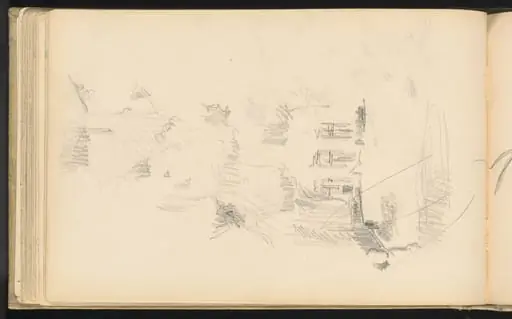 House Surrounded by Vegetation
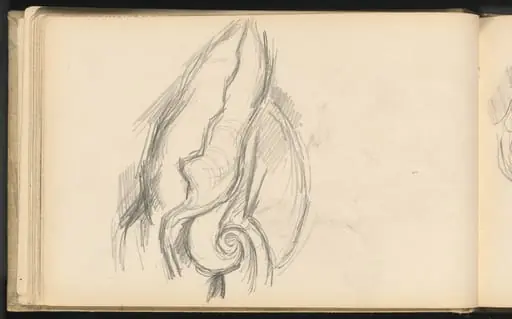 Cushion of an Armchair
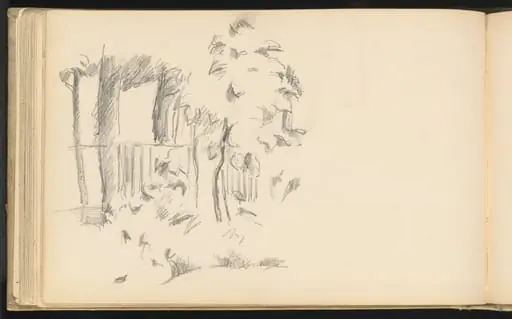 Near the Pool at Jas de Bouffan
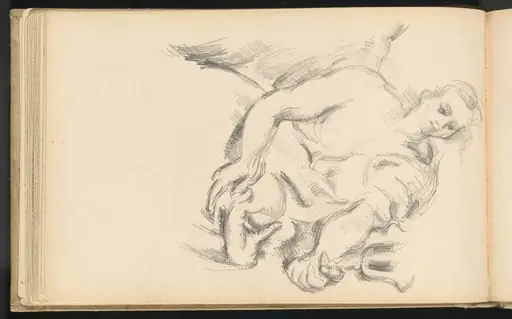 Study of an Angel in Rubens' "The Prophet Elijah"
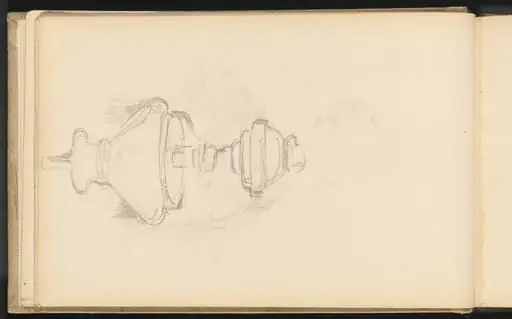 Kerosene Lamp