Artwork
Pine Tree
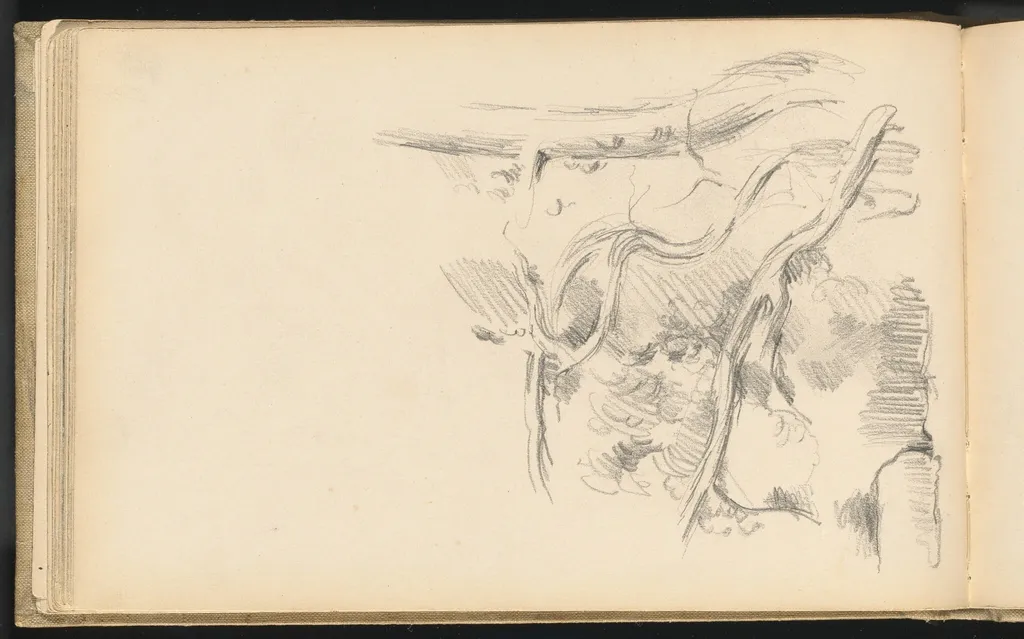
Pine Tree is a graphite drawing by the Impressionist artist Paul Cezanne. It dates from 1884 and is held in the collection of the National Gallery of Art.
About this work
Overview
Paul Cézanne’s drawing titled Pine Tree, executed in 1884, is a graphite work on wove paper. The piece presents a solitary pine rendered with swift, gestural strokes that capture the tree’s overall silhouette rather than precise detail. The paper’s warm, yellowed tone evokes the look of aged parchment, adding a subtle atmospheric quality to the sketch.
Subject & Meaning
The drawing isolates a single conifer, its twisted branches reaching upward and a bark surface suggested by textured marks. By focusing on the tree’s form and the impression of its presence, Cézanne emphasizes the natural object's structural rhythm, inviting viewers to contemplate the essence of the landscape element rather than a literal representation.
Technique & Style
Cézanne employed loose, rapid graphite lines, allowing the medium’s tonal range to suggest volume and movement. The sketch’s economy of line aligns with the broader Impressionist interest in capturing fleeting visual impressions, though the work remains a study rather than a polished finished piece.
History & Provenance
Created in the early phase of Cézanne’s career, the drawing reflects his exploratory approach to landscape subjects. While specific ownership details are limited, the work has been documented as part of the artist’s 1880s output, illustrating his transition toward the more structured compositions that would later define his mature style.
Artist & collection
Artist
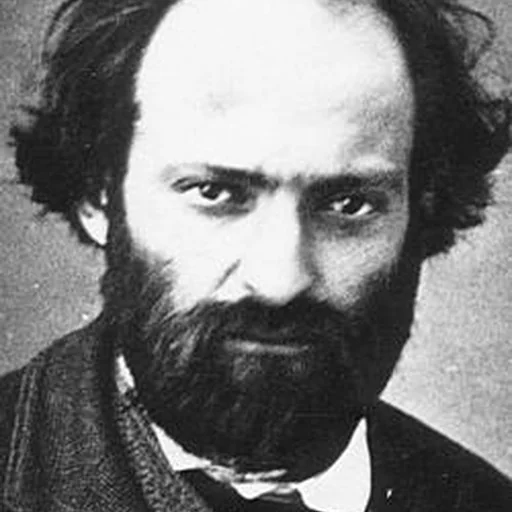
Paul Cézanne was born on January 19, 1839, in Aix-en-Provence, the son of a hatter turned wealthy banker.

 Harlequin
 The Card Players
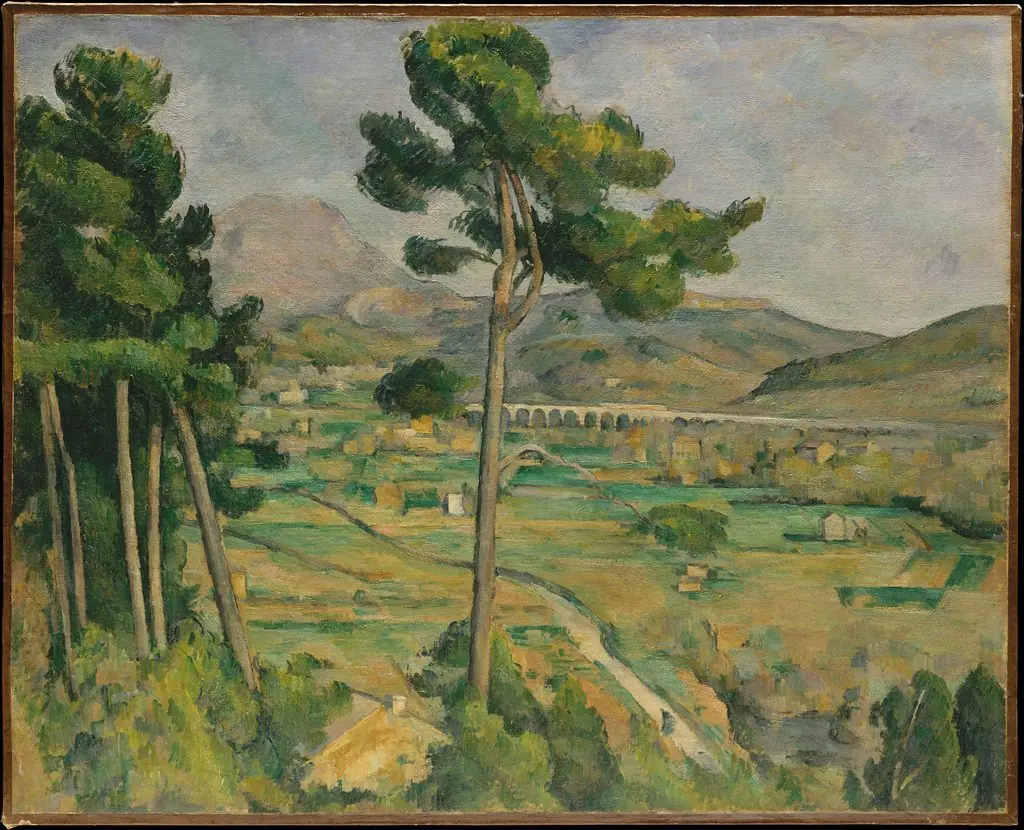 Mont Sainte-Victoire and the Viaduct of the Arc River Valley
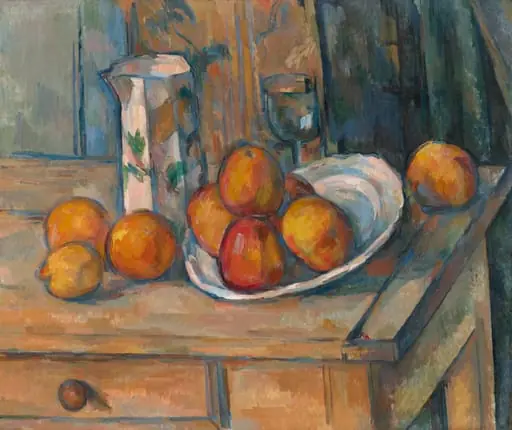 Still Life with Milk Jug and Fruit
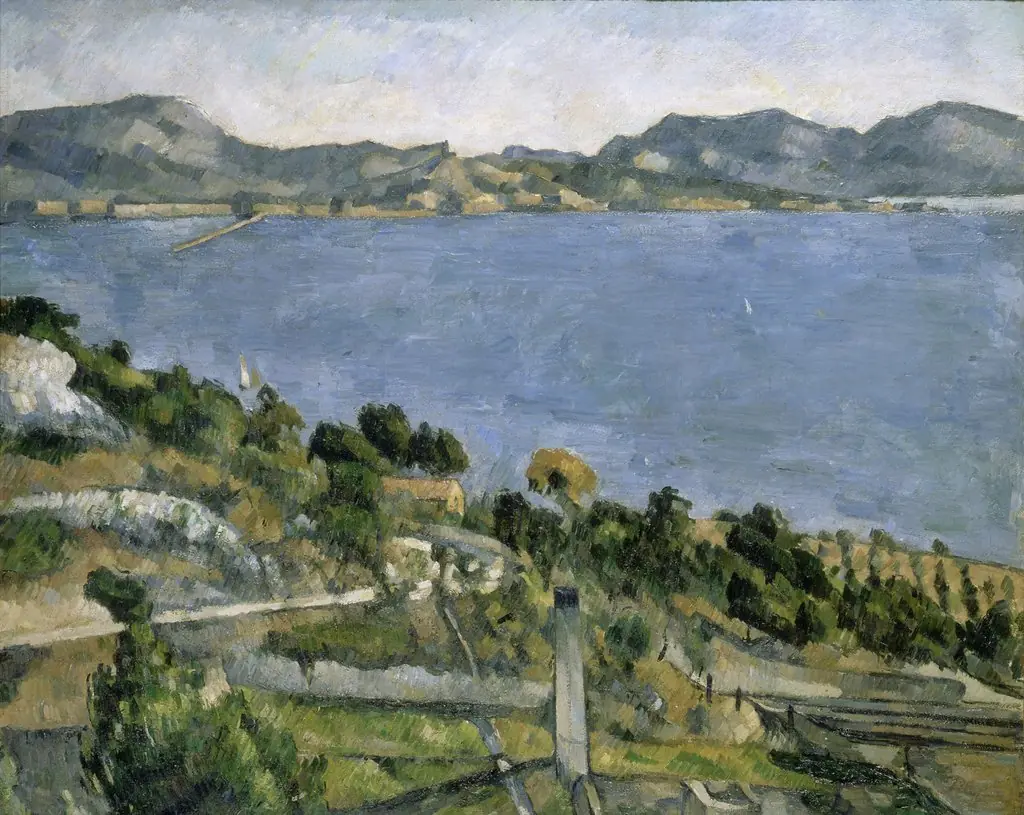 Le Golfe de Marseille vu de l'Estaque (The Gulf of Marseille Seen from L'Estaque)
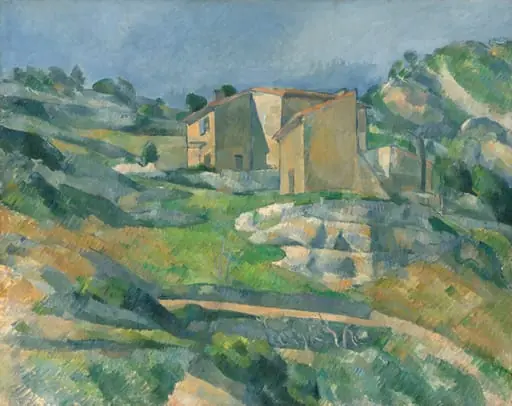 Houses in Provence: The Riaux Valley near L'Estaque
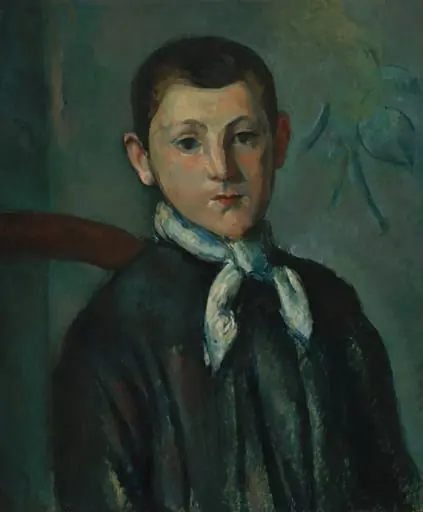 Louis Guillaume
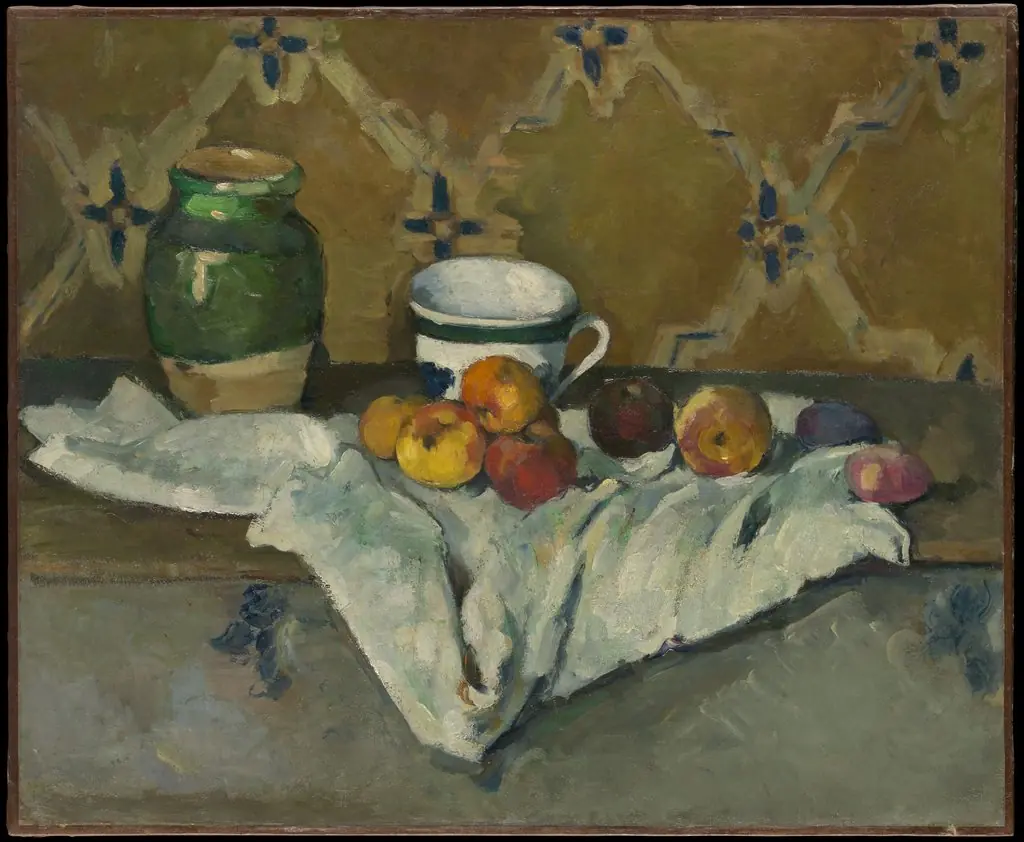 Still Life with Jar, Cup, and Apples
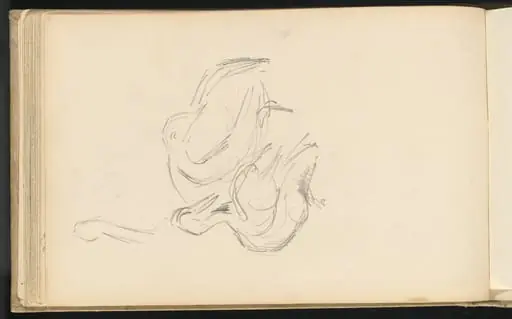 Pelicans
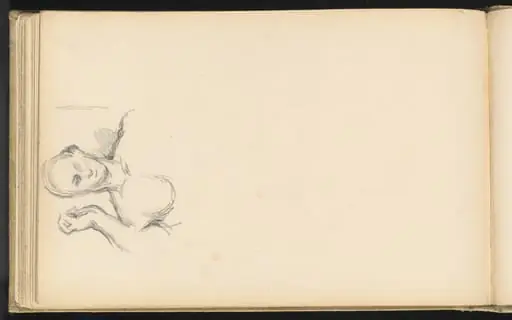 Study of "The Roman Orator (Germanicus)"
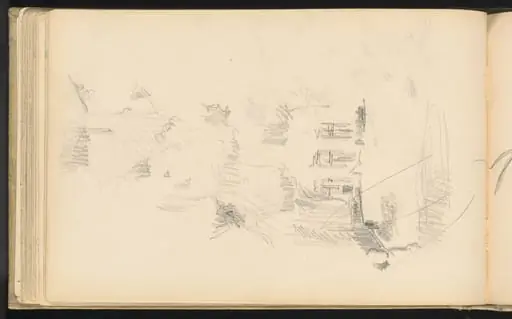 House Surrounded by Vegetation
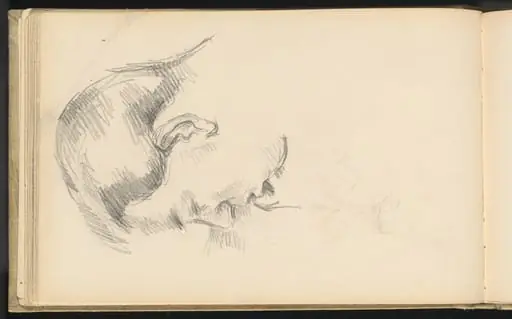 Head of the Artist's Son
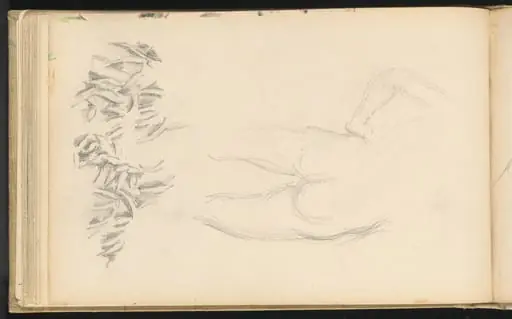 A Nude and Foliage
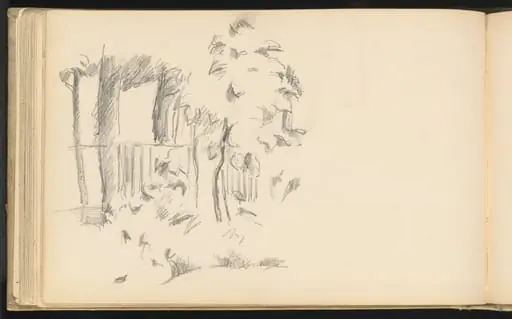 Near the Pool at Jas de Bouffan
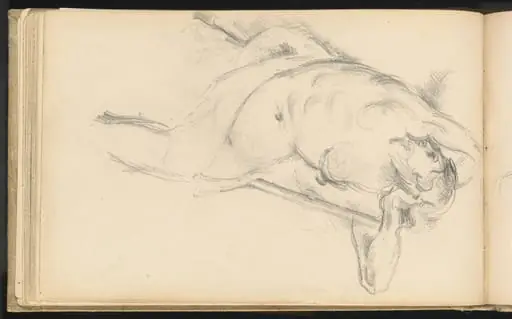 Study of the Allegorical Figure Bellona in Rubens' "The Apotheosis of Henri IV"
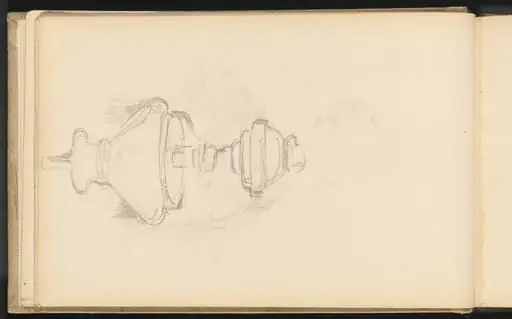 Kerosene Lamp
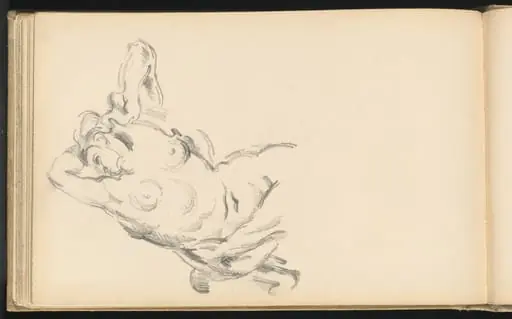 Study of the Allegorical Figure Bellona in Rubens' "The Apotheosis of Henri IV"