Artwork
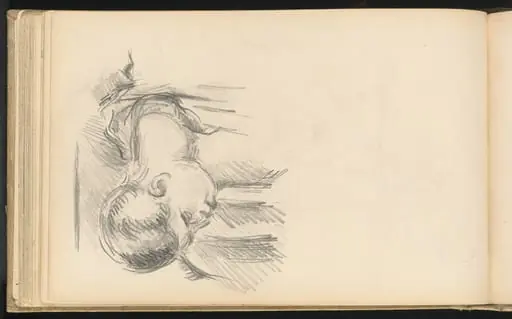
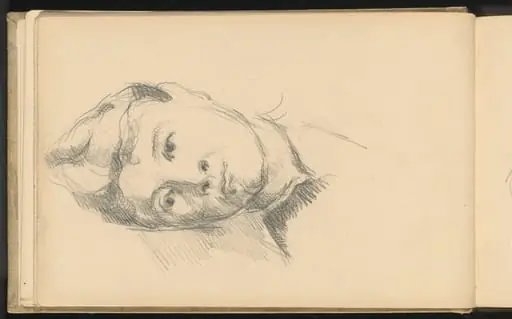
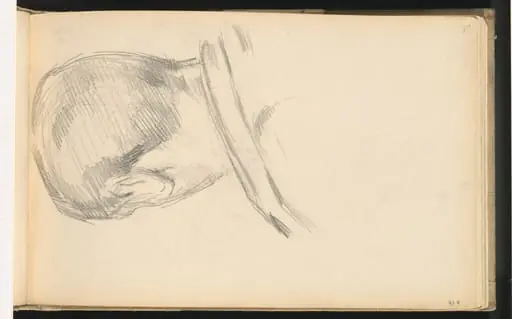
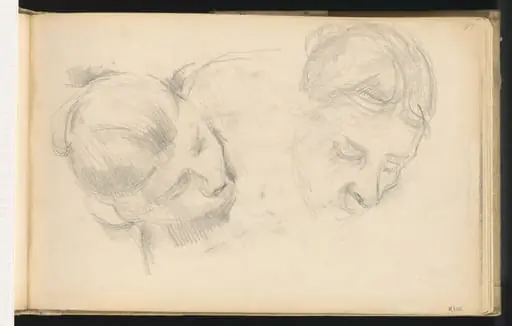
The Artist's Son Leaning on his Elbow
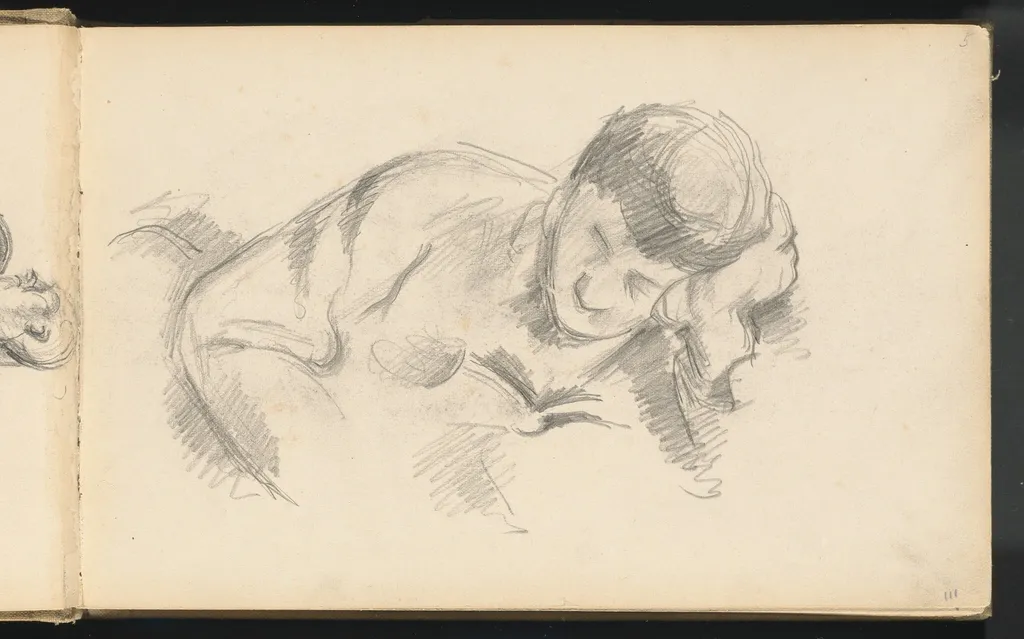
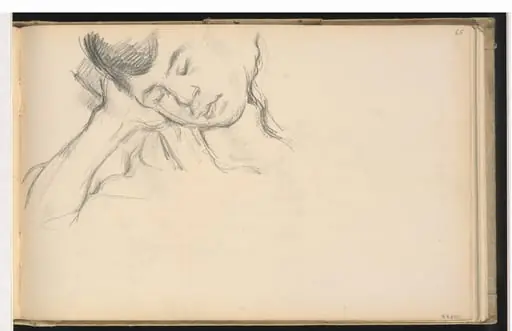
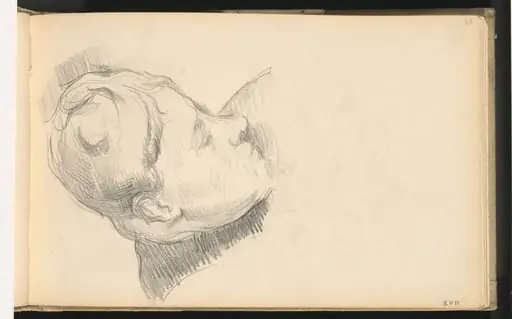
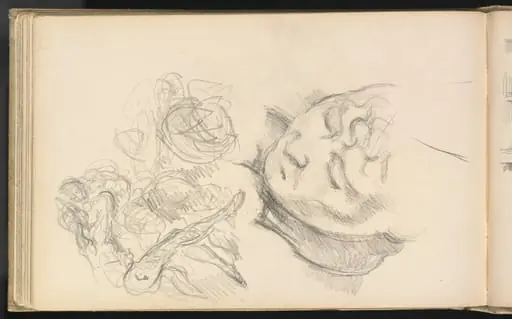
The Artist's Son Leaning on his Elbow is a graphite drawing by the Impressionist artist Paul Cezanne. It dates from 1887 and is held in the collection of the National Gallery of Art. Created around 1887, this graphite drawing by Paul Cézanne depicts his son, Paul, resting with his elbow propped on a surface.
About this work
This drawing is part of the Impressionism and Realism movements, which is interesting because it combines different styles.
The painting is called The Artist's Son Leaning on his Elbow.
It was made by Paul Cezanne around 1887.
The artist used graphite on wove paper to create this work, which is a notable fact about the piece.
This drawing is part of the Impressionism and Realism movements, which is interesting because it combines different styles.
You can learn more about similar works at the National Gallery of Art, Washington.
Overview
Created around 1887, this graphite drawing by Paul Cézanne depicts his son, Paul, resting with his elbow propped on a surface. Executed on wove paper, the work belongs to a series of intimate studies the artist made of his family during his later years. Its modest scale and medium reflect Cézanne’s interest in private, observational drawing rather than public exhibition.
Subject & Meaning
The figure is Cézanne’s only son, Paul, portrayed in a quiet, contemplative pose. The posture suggests fatigue or introspection, consistent with the artist’s frequent focus on stillness and inner presence. Unlike formal portraits, this drawing emphasizes physical presence over narrative, capturing a fleeting moment of repose without theatricality or idealization.
Technique & Style
Cézanne employed graphite with deliberate, layered strokes to model form through tone rather than line. The surface shows subtle shifts in pressure, creating volume and texture without outline. His approach merges the precision of academic draftsmanship with the immediacy of sketching, reflecting his broader shift toward structural clarity in late work.
History & Provenance
The drawing remained in the Cézanne family until it entered the collection of the National Gallery of Art in Washington, D.C. Its provenance is well-documented, tracing from the artist’s studio to private holdings before its public acquisition. No exhibition history is recorded prior to its institutional ownership.
Context
Made during Cézanne’s mature period, this drawing coincides with his increasing focus on domestic subjects and experimental mark-making. While associated with Post-Impressionism, it diverges from the movement’s emphasis on color and light, instead prioritizing form and psychological stillness. Similar studies of his son exist in oil and charcoal, suggesting a sustained artistic engagement with family.
Legacy
This work exemplifies Cézanne’s belief in drawing as a foundation for painting. Its quiet intensity influenced later modernists who valued direct observation and structural economy. Though not widely exhibited, it remains a key example of his private practice, revealing how personal subjects informed his broader formal innovations.
Artist & collection
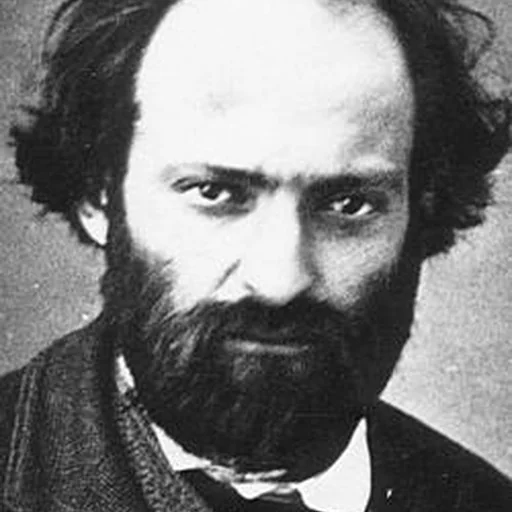
Artist
Paul Cézanne was born on January 19, 1839, in Aix-en-Provence, the son of a hatter turned wealthy banker.

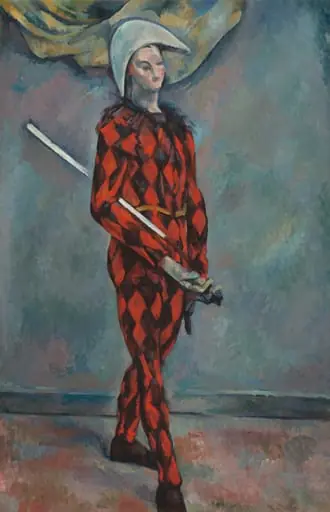 Harlequin
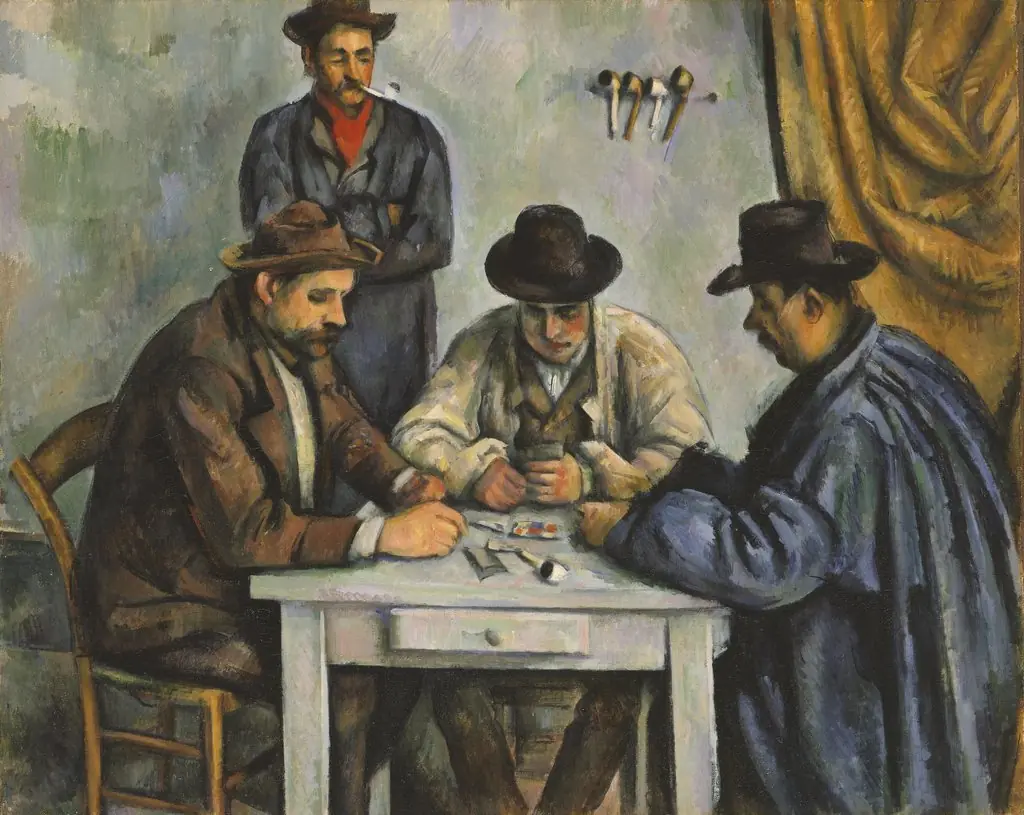 The Card Players
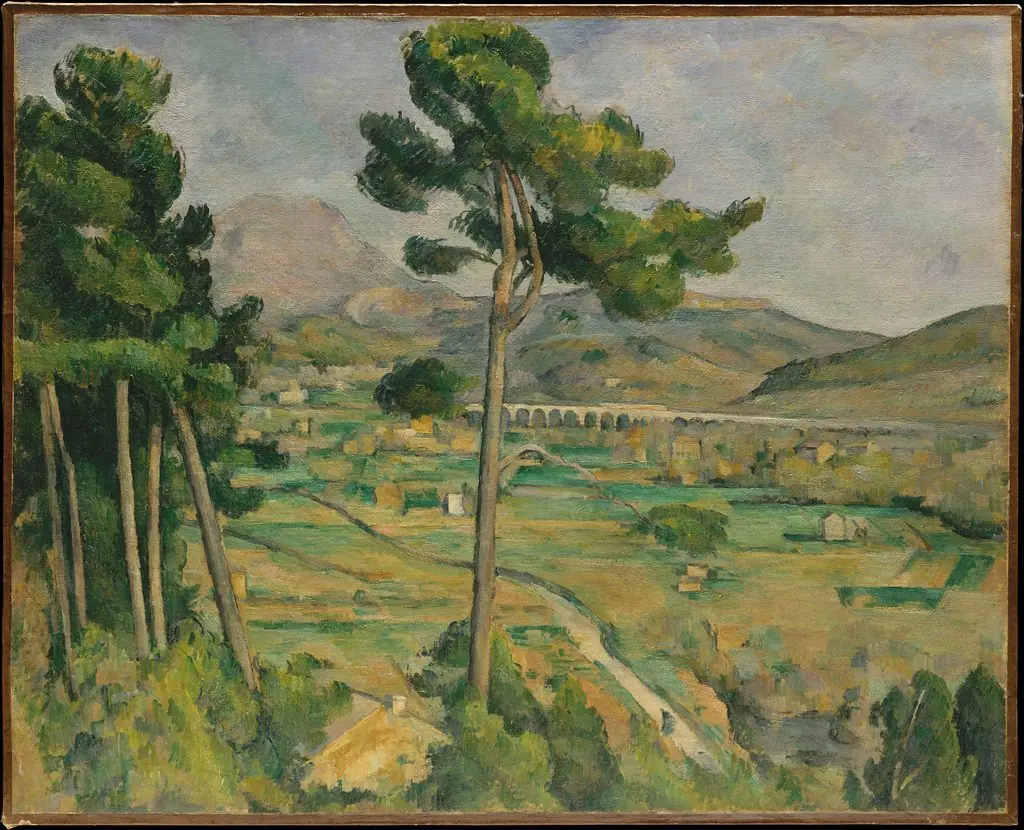 Mont Sainte-Victoire and the Viaduct of the Arc River Valley
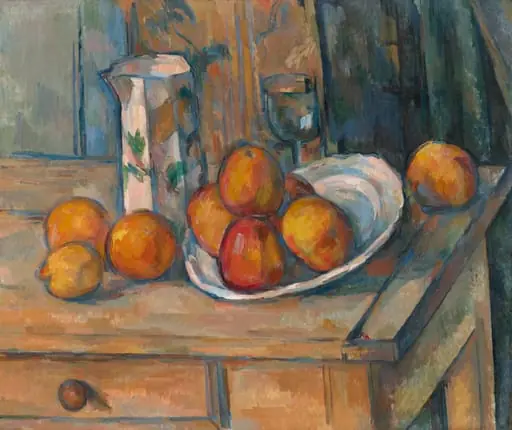 Still Life with Milk Jug and Fruit
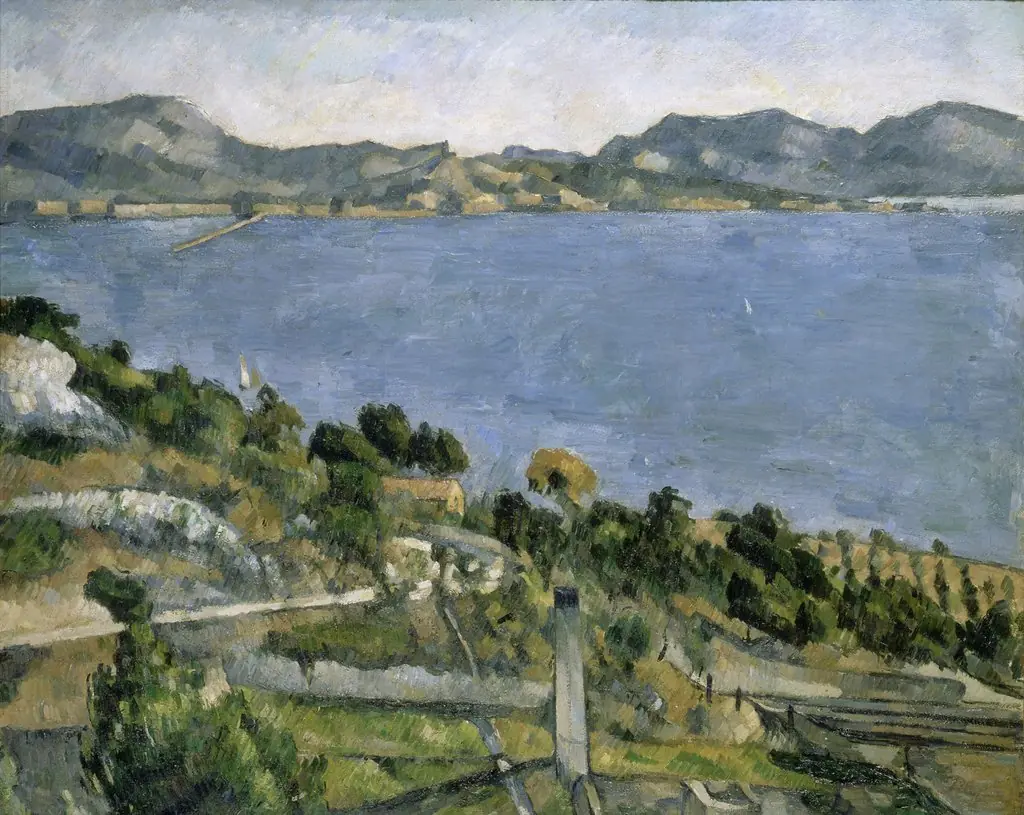 Le Golfe de Marseille vu de l'Estaque (The Gulf of Marseille Seen from L'Estaque)
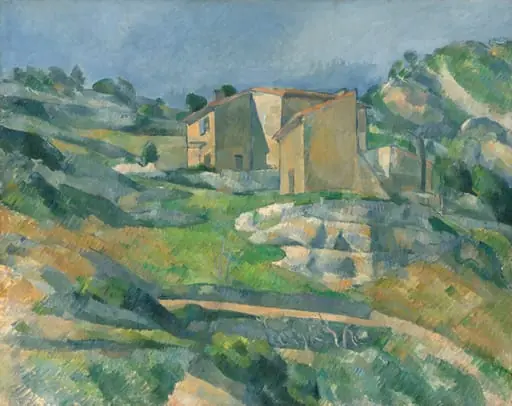 Houses in Provence: The Riaux Valley near L'Estaque
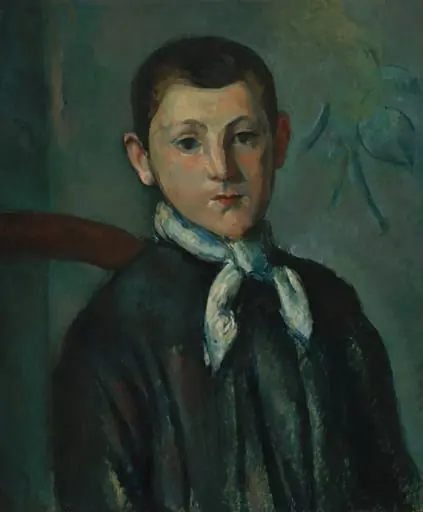 Louis Guillaume
 Still Life with Jar, Cup, and Apples