Artwork
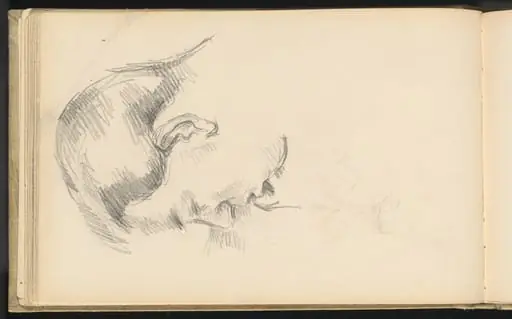
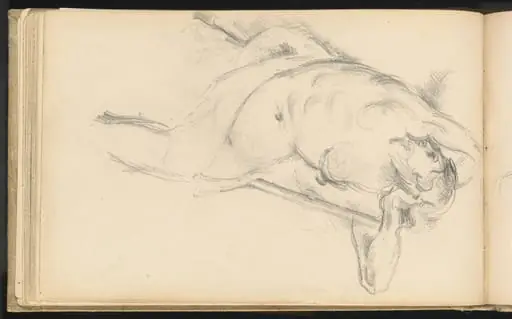
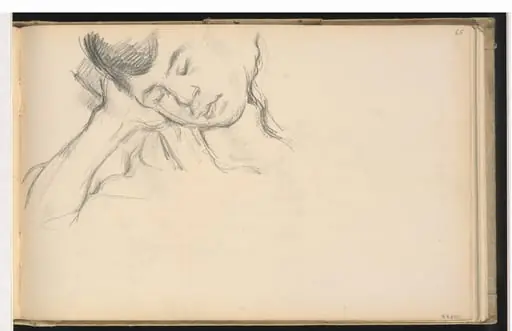
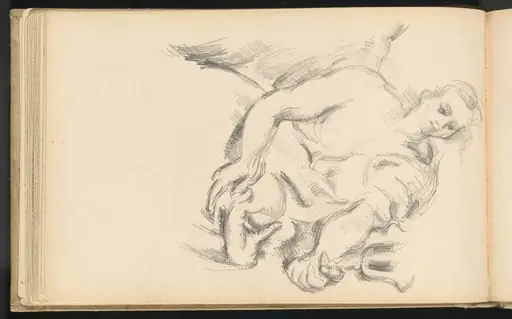
Two Heads of Women
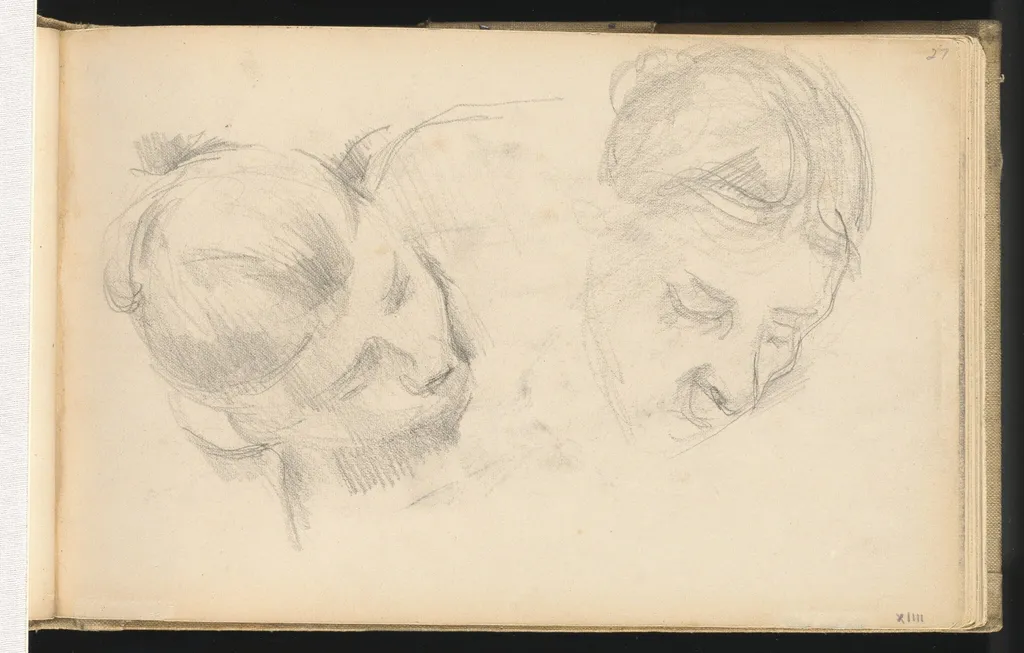
Two Heads of Women is a graphite drawing by the Impressionist artist Paul Cezanne. It dates from 1892 and is held in the collection of the National Gallery of Art.
About this work
Overview
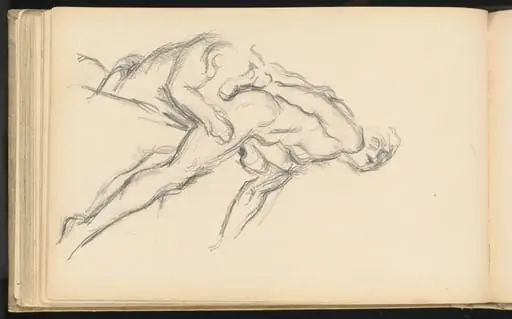
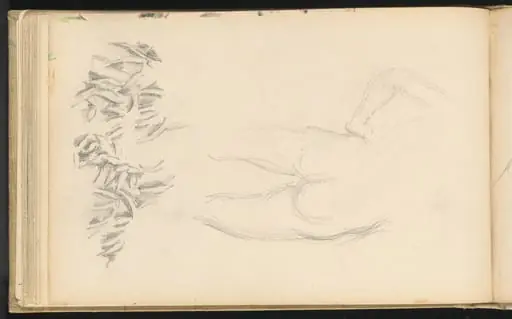
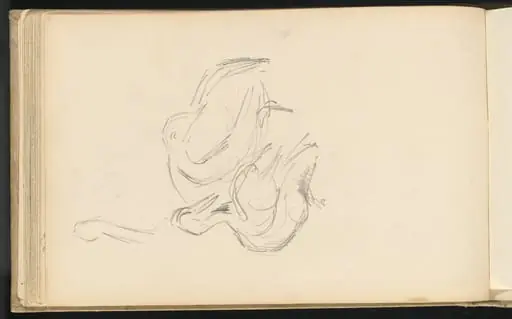
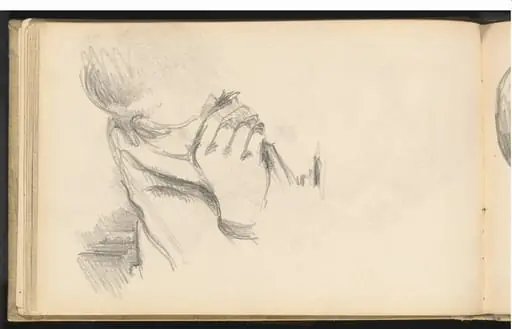
Two Heads of Women is a graphite drawing on wove paper by Paul Cezanne, dated to 1892. The work features two separate pencil sketches of women's heads on a single sheet, characteristic of the artist's sketchbook practice.
Subject & Meaning
The subject of the drawing is the exploration of female facial forms through two contrasting profiles: one head tilted to the right, the other to the left. The emphasis lies in capturing the essence of their shapes and contours rather than achieving detailed realism.
Technique & Style
Executed in a simple yet expressive manner, the drawings showcase loose, economical lines with minimal detail, reflecting Cezanne's focus on underlying structures over intricate rendering.
History & Provenance
Created in 1892, the drawing's provenance is not detailed here, though its date situates it within Cezanne's ongoing exploration of form and figure during this period.
Context
While not explicitly linked to chiaroscuro techniques in this work, Cezanne's broader oeuvre explores light and shadow, as seen in other pieces from his catalog.
Legacy
As part of Cezanne's extensive sketchbook output, Two Heads of Women contributes to the artist's influential legacy in modern art, particularly in his approach to simplification and emphasis on form.
Artist & collection
Artist
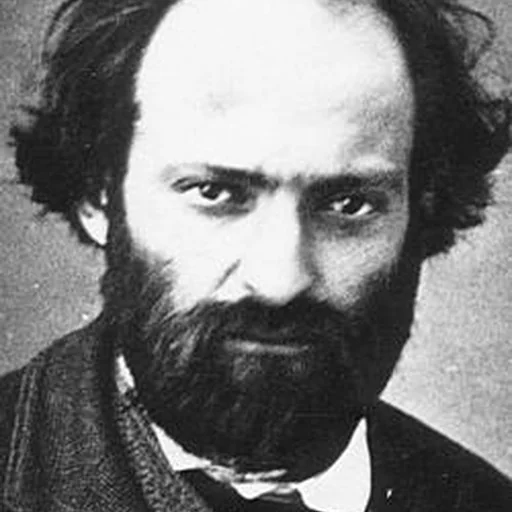
Paul Cézanne was born on January 19, 1839, in Aix-en-Provence, the son of a hatter turned wealthy banker.

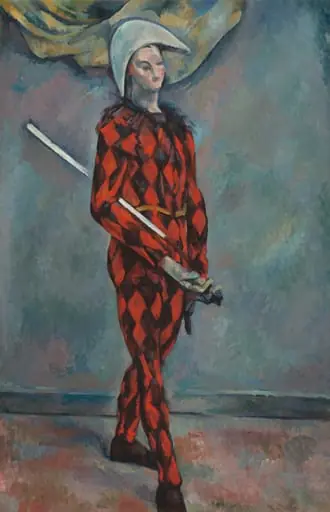 Harlequin
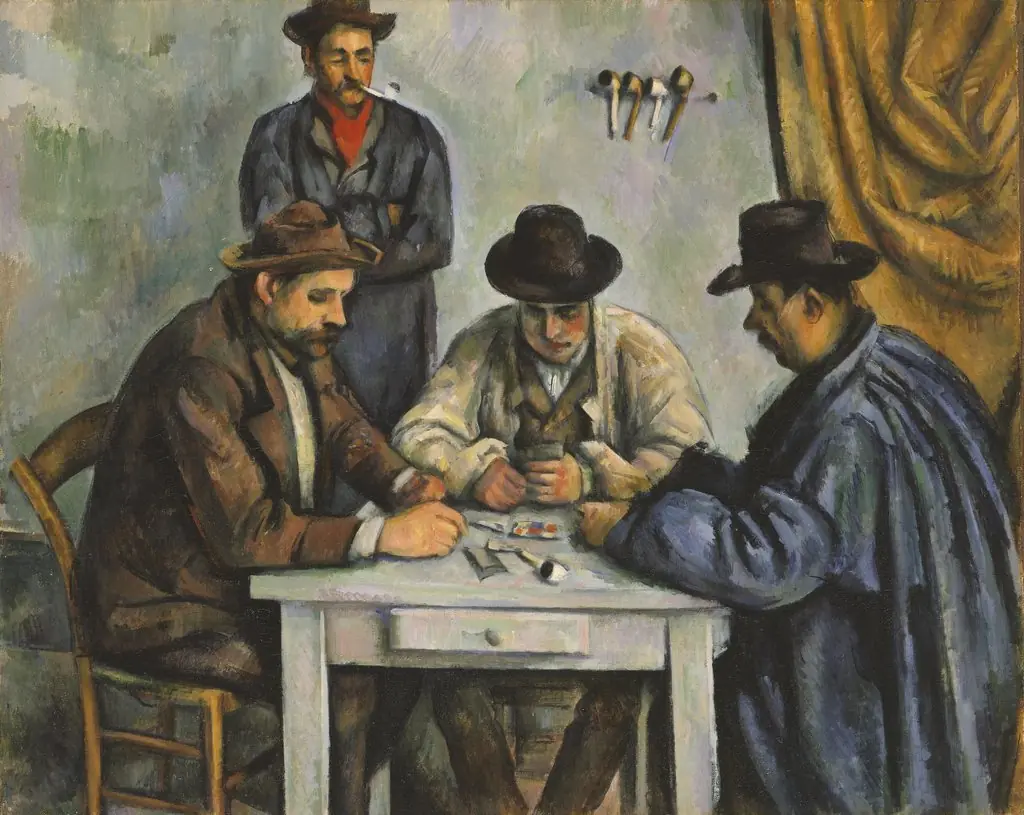 The Card Players
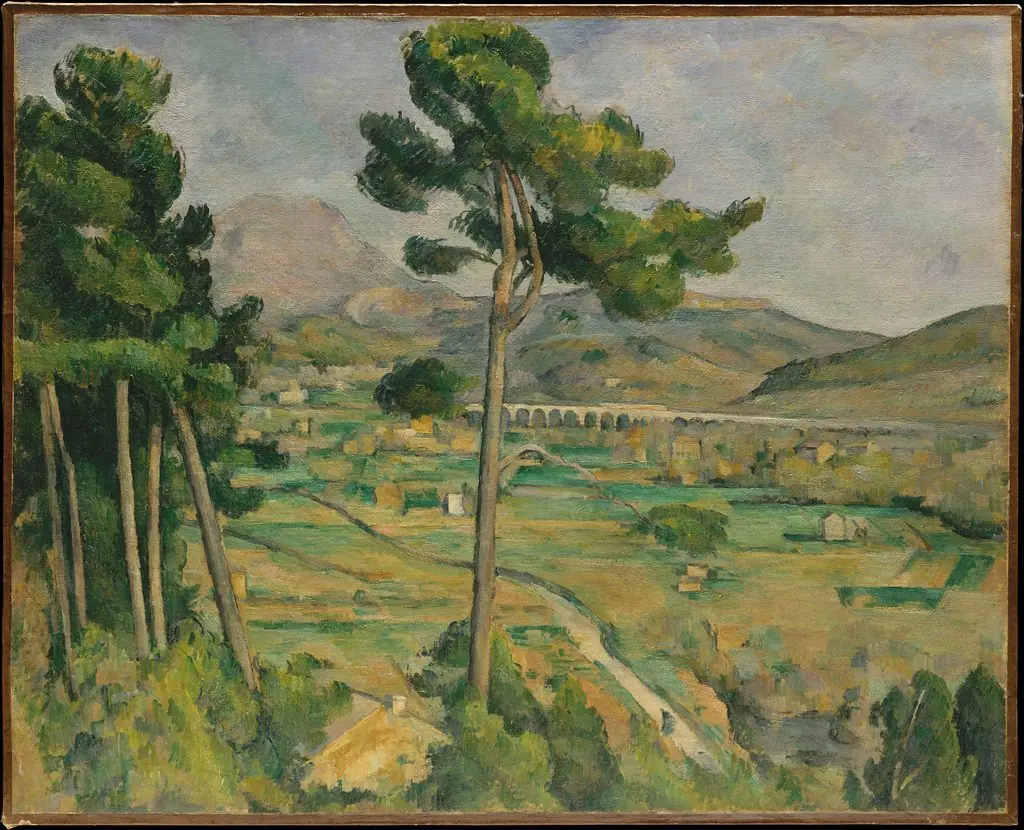 Mont Sainte-Victoire and the Viaduct of the Arc River Valley
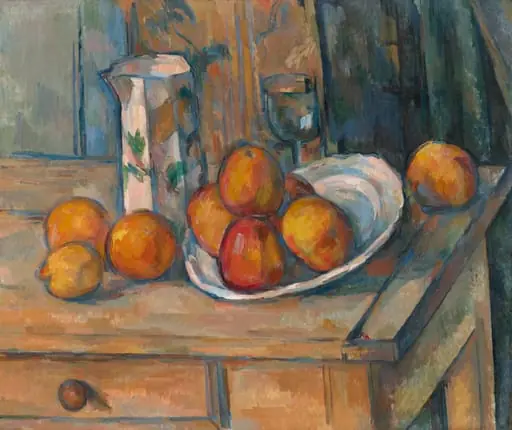 Still Life with Milk Jug and Fruit
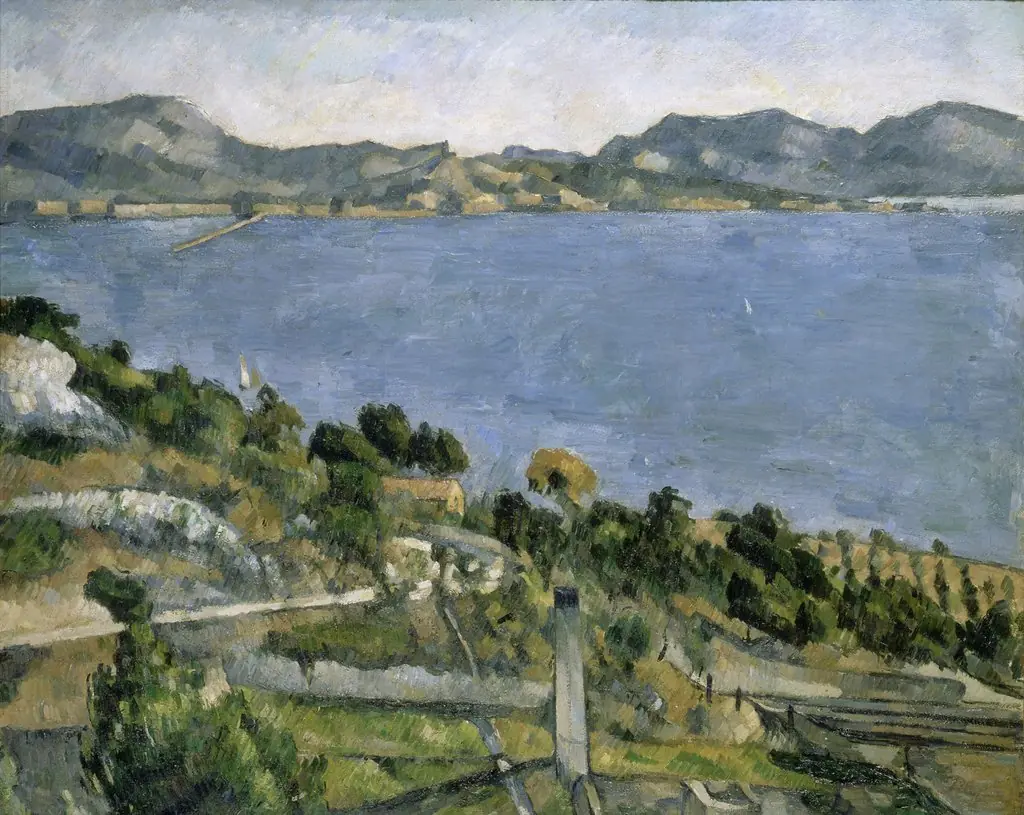 Le Golfe de Marseille vu de l'Estaque (The Gulf of Marseille Seen from L'Estaque)
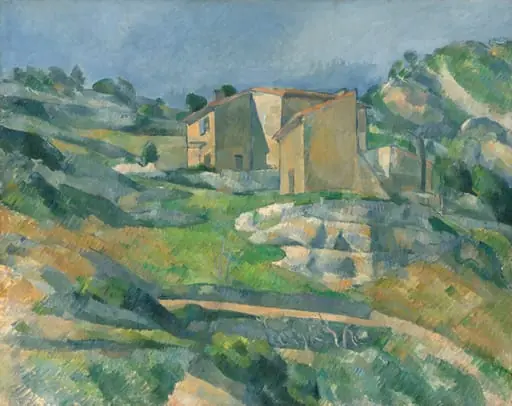 Houses in Provence: The Riaux Valley near L'Estaque
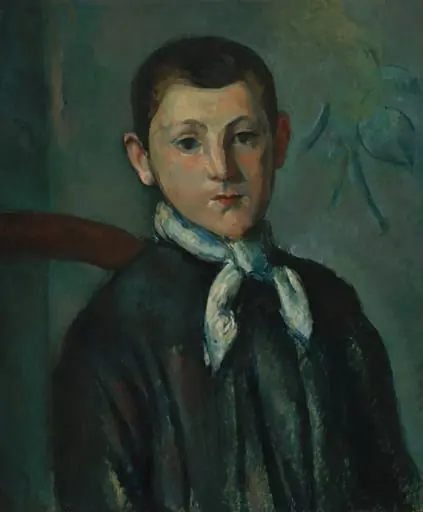 Louis Guillaume
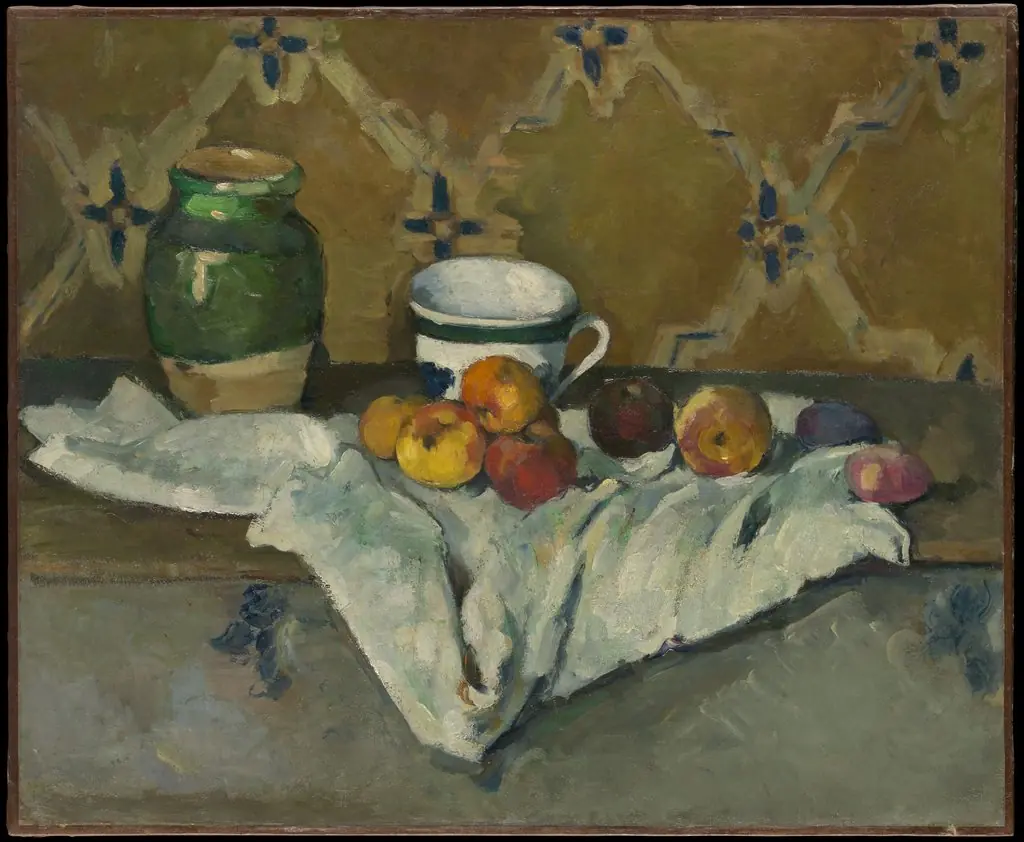 Still Life with Jar, Cup, and Apples